Psychologist: Gen Z’s Viral ‘Polyester’ Insult Reveals Deep Insecurity


An 18-year-old posted a TikTok laying out his dream adult life: a New York City penthouse, morning Bible study, blue light glasses, an AI agent quietly doing his work in the background. The top comment, with more than 40,000 likes, summed up exactly how the internet felt about it. “Polyester lifestyle.” One word. No further explanation needed, at least not for anyone under 25.
The Word Started as Slang for a Specific Style of TikTok Edit
Before it became a personality insult, polyester described a video-editing style that first appeared around October 2025, according to Know Your Meme. Think fast-cut character clips layered over flashing footage, set to metallic, high-pitched audio. It’s flashy, chaotic and unmistakably cheap-looking once you know what to spot.
A Resurfaced Spider-Man Edit Is What Made the Term Go Viral

The tipping point came when an old edit of Peter Parker from the “Spider-Man” films resurfaced on TikTok, dubbed the “Polyester Spider-Man Edit” by users who recognized the style instantly. Since then, copycat edits built to the exact same speed, sound and length have popped up for other public figures, spreading the format and the label far beyond its original corner of TikTok.
“Polyester Ronaldo” and Other Edits Cemented the Trend

Soccer superstar Cristiano Ronaldo became one of the format’s most viral subjects, with an edit captioned simply “Polyester Ronaldo” racking up views across the platform. Streamers weren’t spared either. Twitch personality LowTierGod, criticized for years over cheap 100% polyester merch, earned the nickname “the Polyester Prince” from critics who turned his product choices into a running joke.
The Insult Borrows From a Real Grudge Against the Fabric Itself
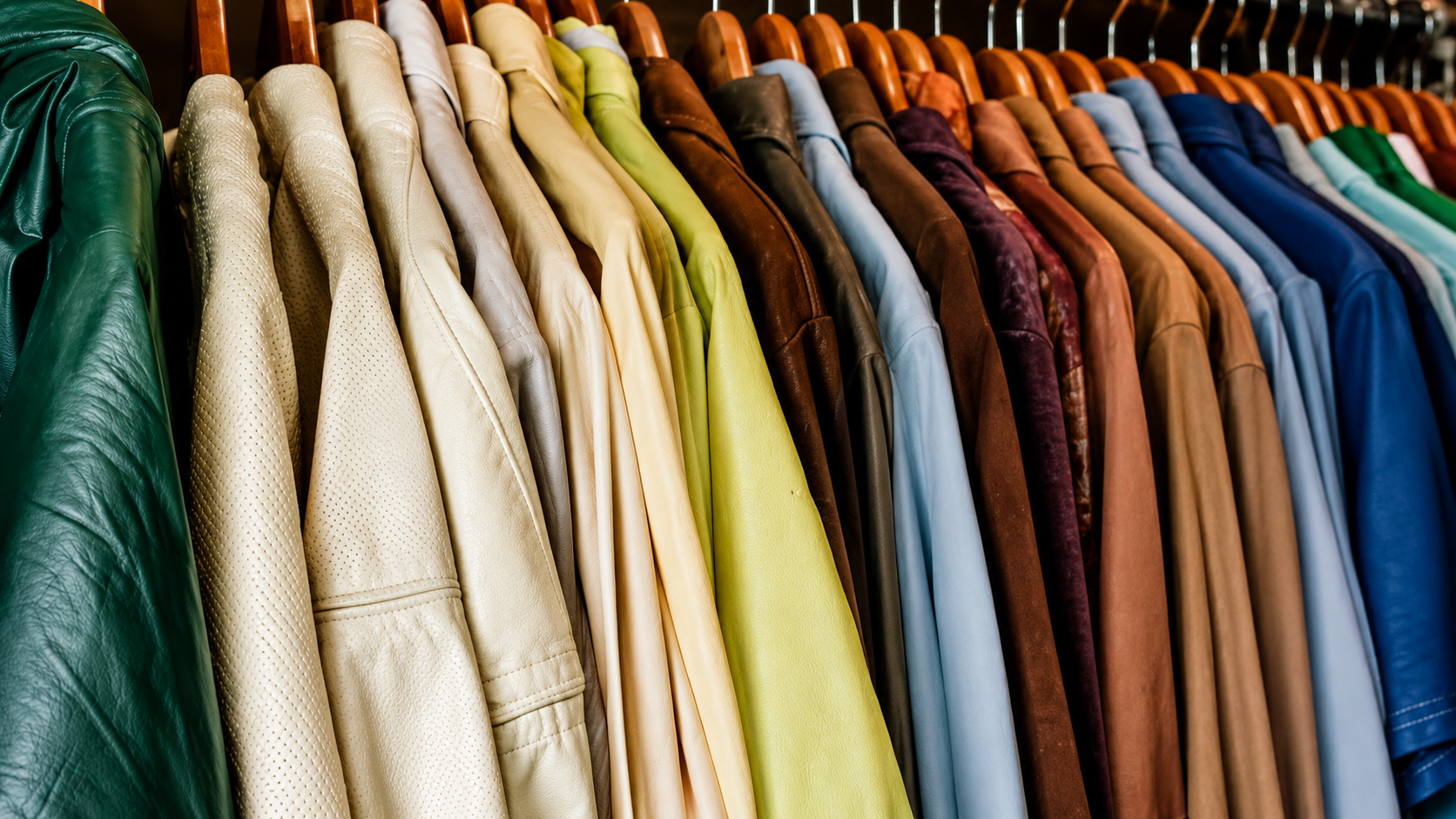
The slang didn’t come out of nowhere. It taps into a years-long online backlash against actual polyester clothing, which many shoppers see as a cheap stand-in for higher-quality cotton blends. Creators have built entire content series around purging polyester from their closets, and the hunt for genuinely well-made clothes has become its own recurring theme across TikTok and X.
A Media Psychologist Says the Insult Points to Deep Insecurity

Don Grant, a media psychologist and National Adviser of Healthy Device Management for Newport Healthcare, sees something deeper than fashion criticism at play. “Gen Z is very insecure, cautious,” Grant said, describing a generation raised to treat every post as a measure of their own worth. In his view, the harshness of “polyester” reflects how much pressure young people feel to appear authentic online.
“Polyester” Joins a Growing List of Gen Z Authenticity Insults

The term isn’t operating alone. It’s part of a broader wave of slang built around calling out perceived fakeness, including “larping,” repurposed from live-action role-playing to describe someone seen as inauthentic, and “industry plant,” used for public figures suspected of manufactured success rather than organic popularity. Each term functions as a different flavor of the same underlying accusation.
The “Performative Male” Trend Set the Stage for This Moment

Last year’s viral mockery of “performative males,” those matcha-drinking, tote-bag-carrying young men photographed reading books on the subway, primed the internet for exactly this kind of scrutiny. The throughline connects all these trends: a generation that has grown deeply skeptical of curated personas, even as it keeps building and consuming them at scale.
A 24-Year-Old Says Distrust Is the Default Scrolling Mode Now

Morgan Hurlock, 24, of Philadelphia, doesn’t think the skepticism is limited to slang trends. She described scrolling through social media with an automatic sense of doubt toward nearly everything she sees, crediting the rise of influencers, AI-generated content and ad-driven posts for training that instinct. Knowing whether a person is real, she said, now comes before taking their story at face value.
The Irony: Calling Something “Polyester” Requires Its Own Performance

There’s a layer of self-awareness worth noting here. Users who deploy “polyester” as an insult are, in effect, performing their own taste and authenticity for an audience, the same behavior the word is meant to call out. Whether that irony sticks around or fades as the term gets adopted by non-Gen Z crowds looking to sound current is, fittingly, still an open question online.