Gas Prices May Stay High for Months Despite Recent Drops, Economists Say
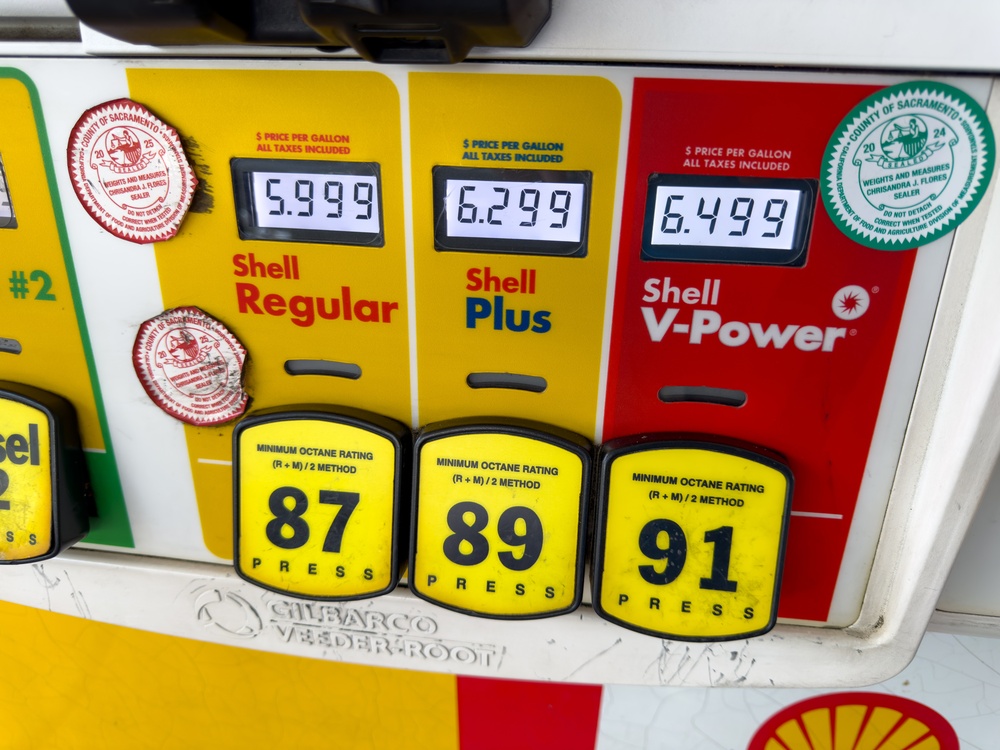

Gas prices in the U.S. have eased slightly in recent days, hovering just above $4 per gallon after peaking higher earlier this month, but economists say drivers shouldn’t expect meaningful relief anytime soon. Even with a temporary ceasefire between the U.S. and Iran, the national average has barely budged, underscoring a growing consensus that lower prices will take months, not weeks, to materialize.
The War’s Shock Is Still Working Through The System

Before the conflict began in late February, gas prices sat just under $3 a gallon, but the disruption to oil flows through the Strait of Hormuz quickly pushed prices above $4. The waterway carries roughly one-fifth of the world’s oil supply, and even partial disruption has had an outsized global impact. That shock, economists say, is still rippling through supply chains and markets.
A Ceasefire Doesn’t Mean Normal Oil Flow

While political leaders have pointed to a ceasefire as a turning point, the reality on the ground is far less stable. Confusion over whether the Strait of Hormuz is fully open, along with ongoing military tensions and new conditions imposed by Iran, has kept oil shipments constrained and traders cautious. Without consistent, reliable flow through the strait, meaningful price drops remain unlikely.
Fewer Ships, Higher Risk, Slower Recovery
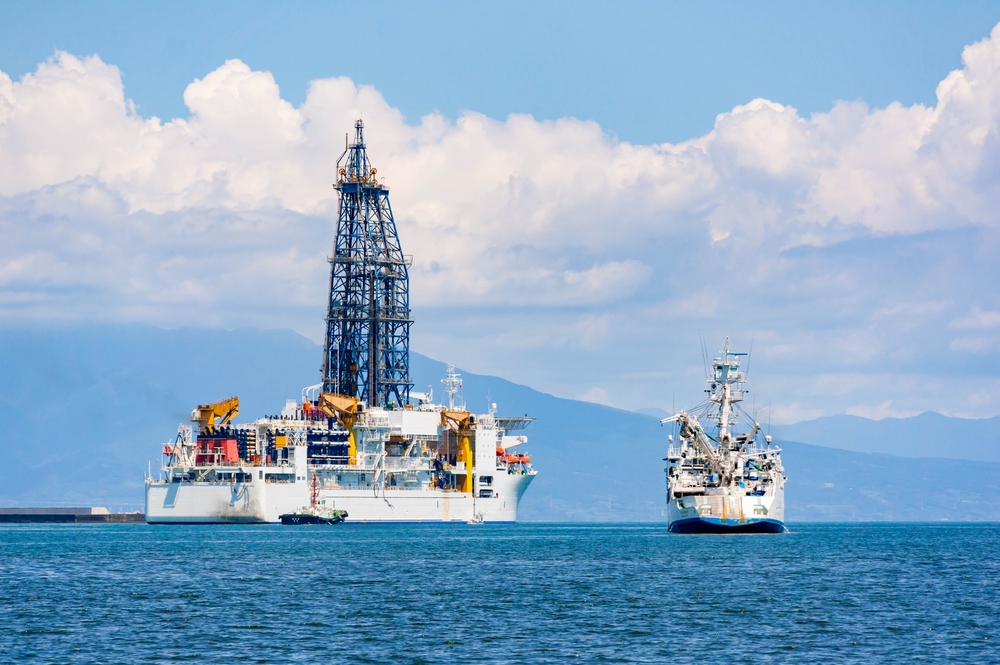
Shipping data shows just how disrupted the system remains, with only a handful of vessels recently passing through the strait compared to more than 100 per day before the war. Many shipping companies are unwilling to risk the journey amid mines, attacks, and unclear rules, creating a bottleneck that delays oil reaching global markets and keeps prices elevated.
The “Rocket And Feather” Problem
Even when oil prices fall, gas prices don’t follow at the same pace, a dynamic economists often describe as “up like a rocket, down like a feather.” Prices at the pump respond quickly to rising crude costs but tend to decline slowly as companies wait to ensure drops are sustained. That pattern is now playing out again, frustrating drivers hoping for quick relief.
Damage And Delays Across The Oil System
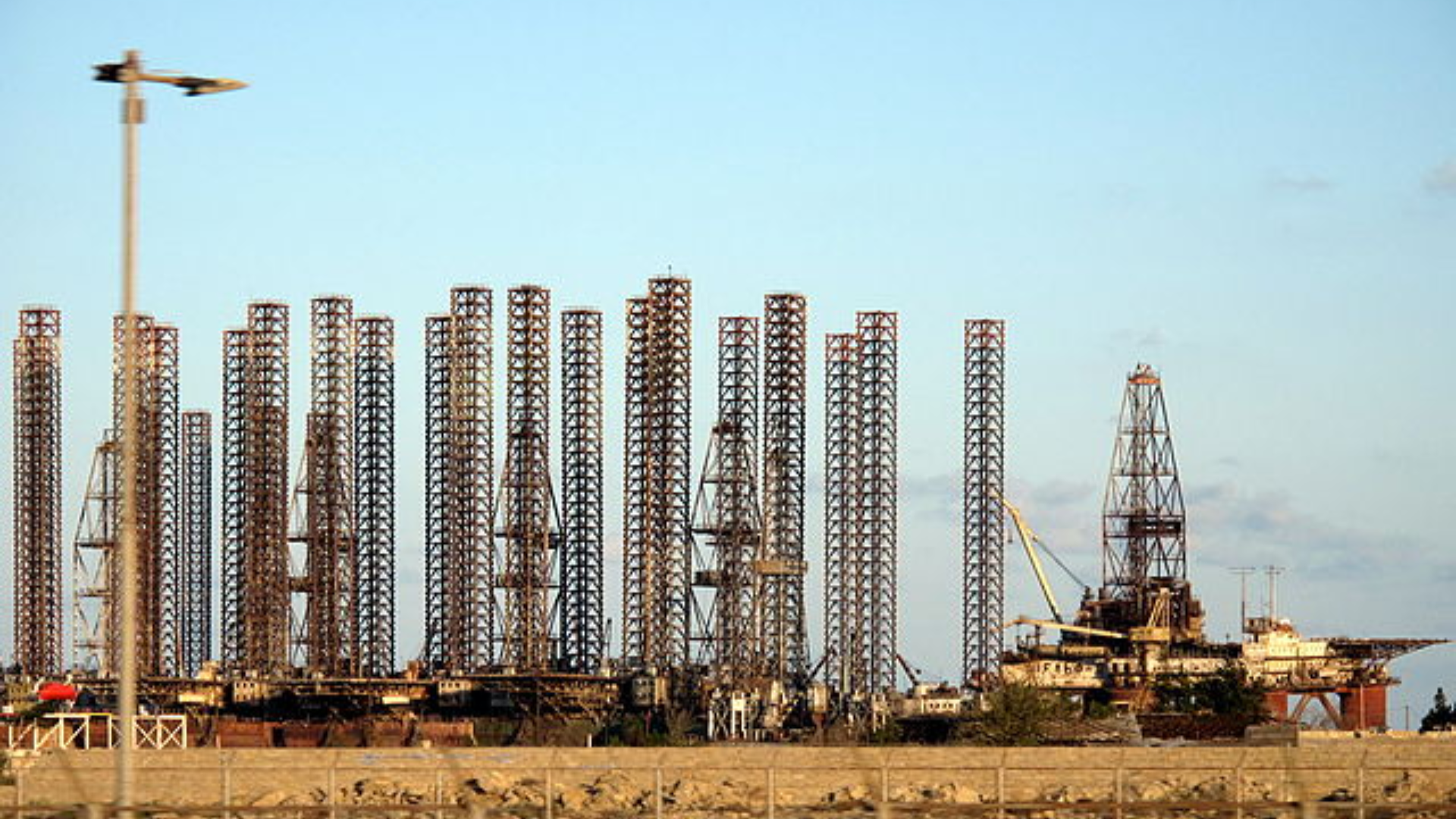
Beyond shipping, the war has physically damaged energy infrastructure across the Middle East and forced some producers to halt output. Restarting production is not immediate, with experts warning that it can take months or longer to restore supply fully. As one analyst put it, “It’s not a light switch,” highlighting how deeply the disruption runs.
A Long Chain From Oil Fields To Gas Pumps

Even if tankers resume normal routes, it can take weeks or months for oil to be refined and delivered as gasoline. According to analysts, the full cycle from shipment to usable fuel can stretch up to 10 weeks or more, meaning any improvements today won’t be felt at the pump until much later.
Added Costs Are Keeping Prices Elevated

New expenses are also building into the system, including higher insurance for ships, potential transit fees through the strait, and risk premiums baked into oil trading. These costs are typically passed on to consumers, making it harder for gas prices to return to prewar levels even after supply stabilizes.
Optimistic Promises Vs. Economic Reality
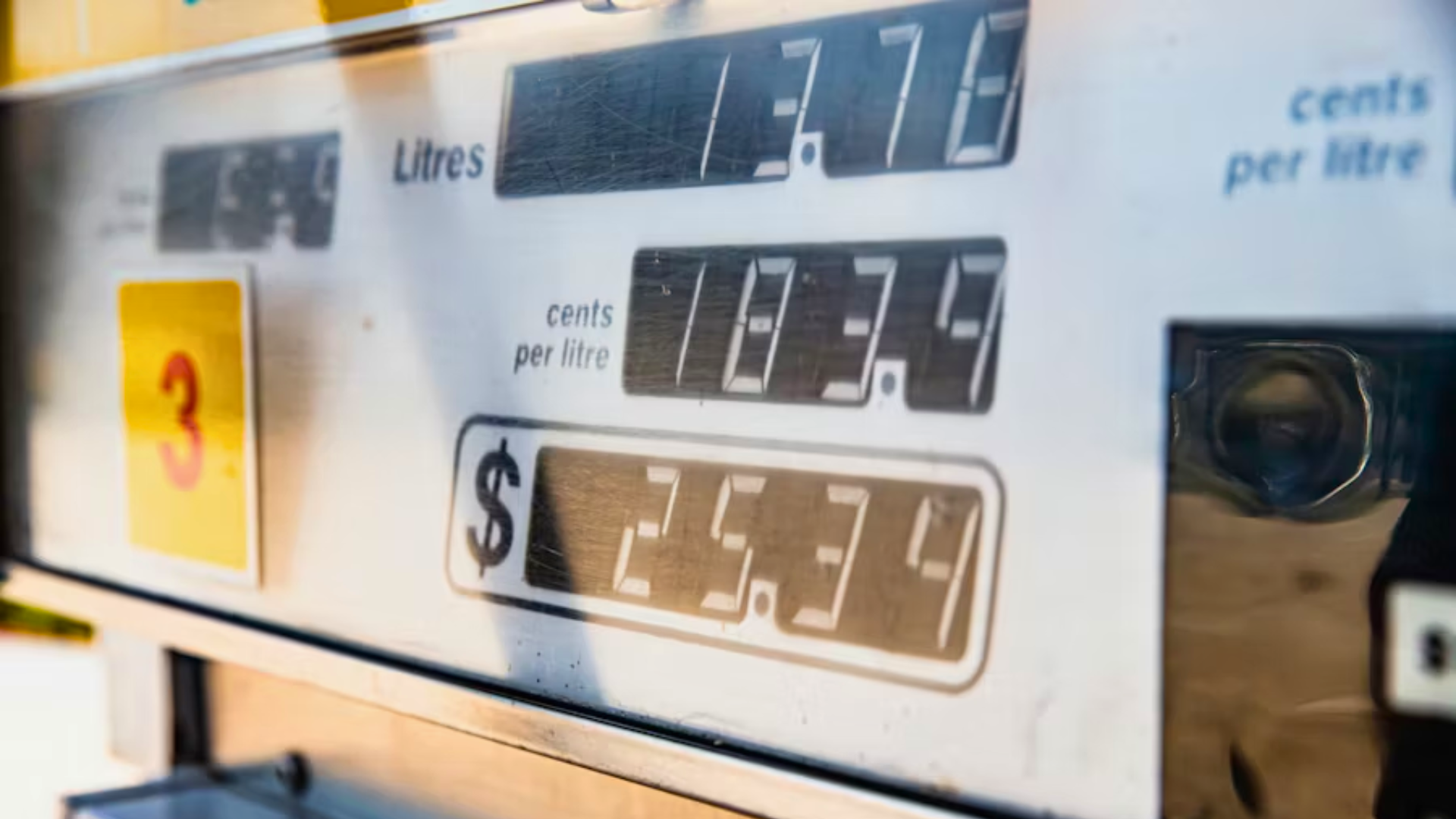
Despite assurances from political leaders that prices will fall quickly once the conflict ends, many economists and even administration officials are far more cautious. Some forecasts suggest gas may not drop below $3 until late this year or even 2027, with more realistic expectations placing prices closer to $3.50 by year’s end under favorable conditions.
Why High Gas Prices May Linger Longer Than Expected

For now, the global nature of oil markets means U.S. drivers remain tied to instability abroad, regardless of domestic production levels. Until supply chains normalize, infrastructure is repaired, and geopolitical risks ease, gas prices are likely to remain stubbornly high, a reminder that even brief conflicts can leave lasting economic footprints far beyond the battlefield.