Gas Prices Dip for First Time Since February But Drivers Still Face Uneven Costs Nationwide
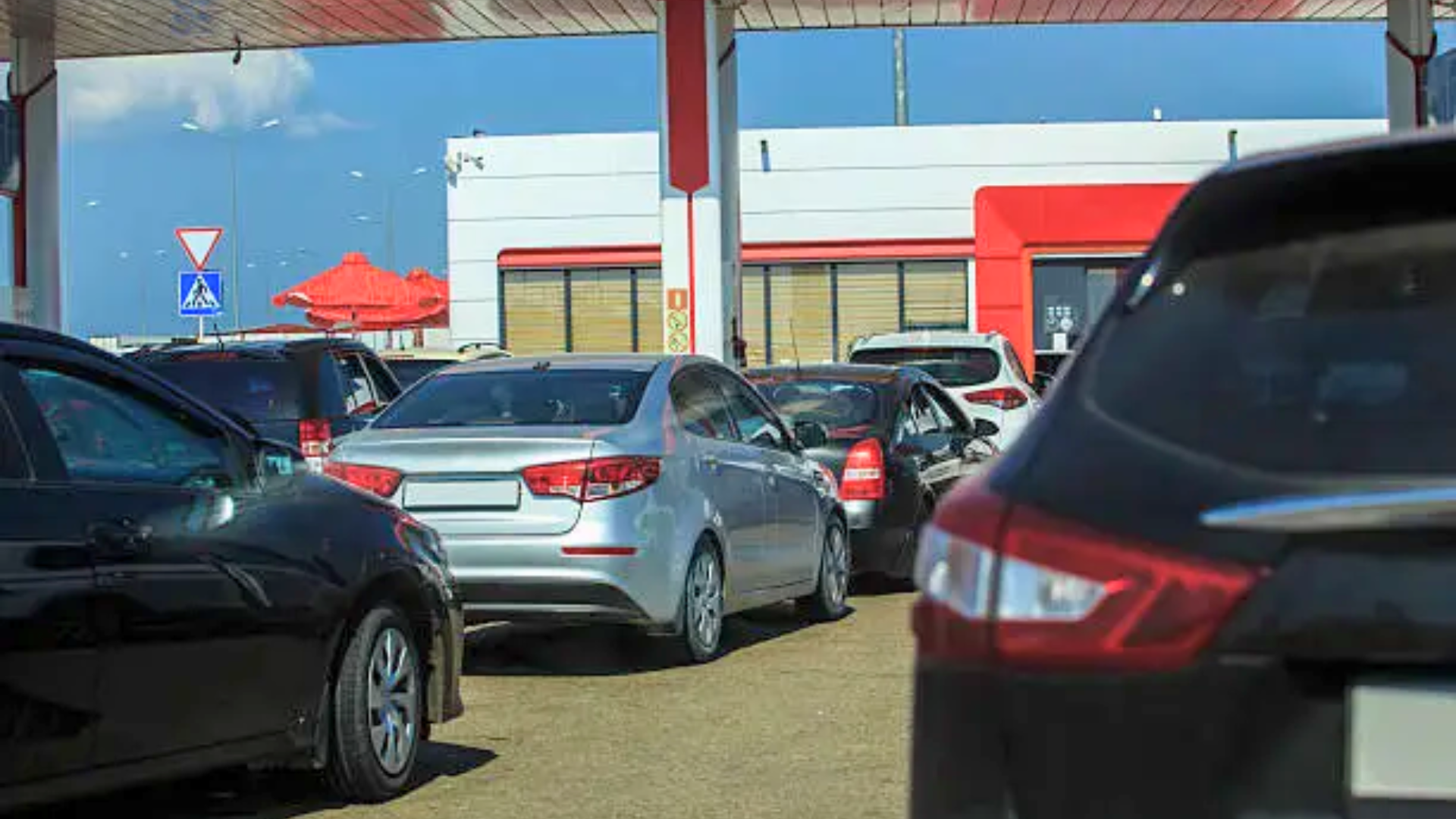

For five straight weeks, Americans watched gas prices climb without pause. Then on a Friday in April, the national average finally moved in the other direction. Two cents, to $4.15 per gallon, according to AAA. It was the first decline since early March and the first sign that the Iran-driven price surge may be losing momentum. But two cents is not relief. With the national average still up $1.17 since March 1, and five states averaging above $5 per gallon, the gap between where prices are and where drivers want them remains wide and uneven.
How We Got Here: A Five-Week Surge Nobody Saw Coming
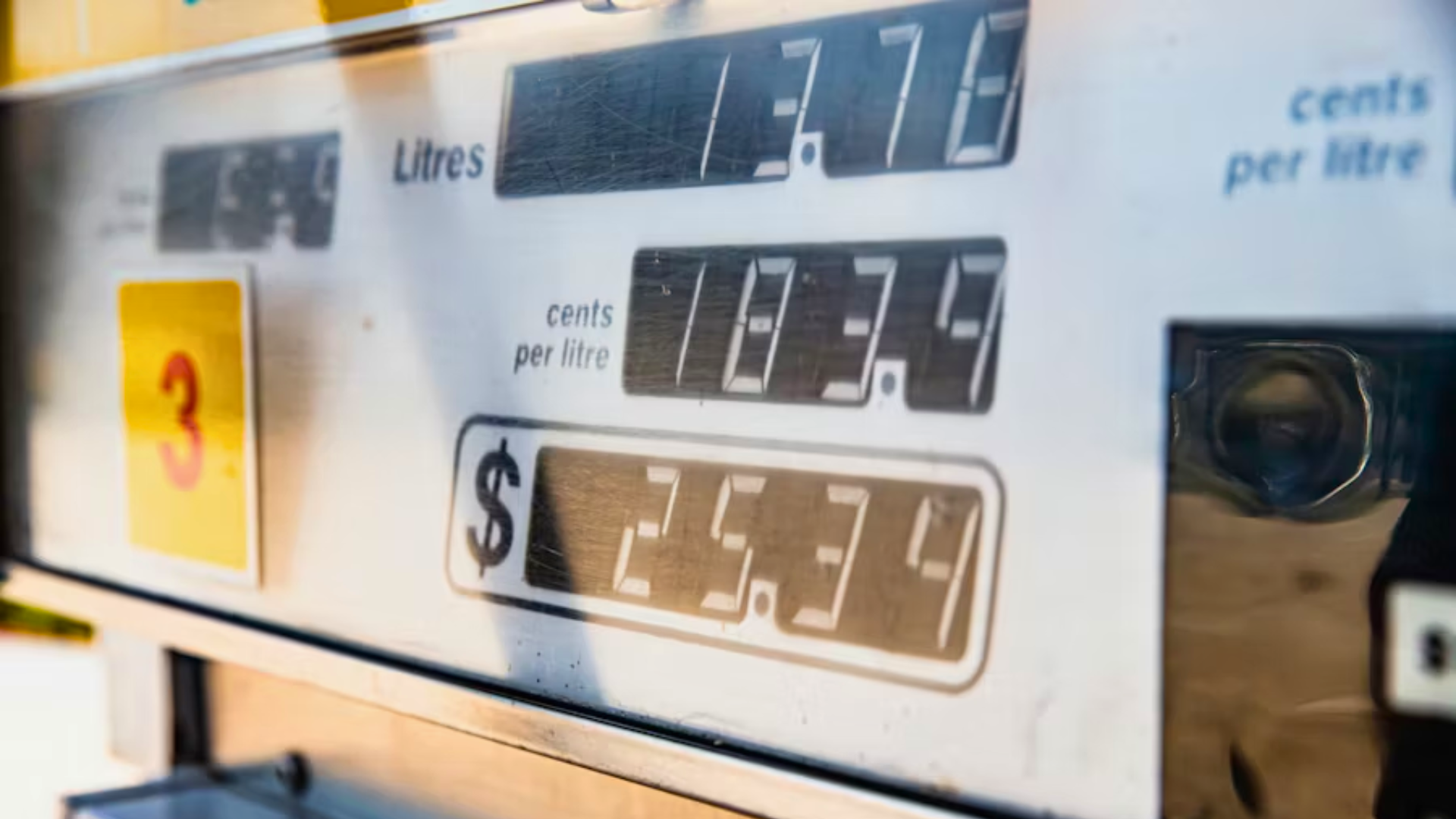
Before this run-up began, American drivers had been sitting in an unusually comfortable stretch. The national average had held below $3 per gallon for three consecutive months, the first sustained period in that range since 2021. Then March arrived, and everything changed. Escalating tensions involving Iran sent oil markets into a sharp upward spiral, pulling retail gas prices with them. By Thursday, April 10, the national average hit $4.17 per gallon, its highest point since August 2022. The Bureau of Labor Statistics reported that the gasoline price index jumped more than 21 percent in March alone, the largest single-month increase since 1967.
The Ceasefire That Moved Oil Markets But Not Yet the Pump
The two-cent dip followed a significant geopolitical development: a U.S.-Iran ceasefire announcement that sent oil prices sharply lower. At the wholesale level, gasoline prices have already responded to that drop. The problem is that retail gas prices consistently lag behind wholesale movements. What happens in the oil market on a given day does not appear at your local pump for days or sometimes weeks. Nationwide Chief Economist Kathy Bostjancic noted that even if a lasting deal to end the conflict is reached, it would take months for oil, gasoline, diesel, and other commodity supplies to fully recover.
The States Where Gas Is Still Punishing Drivers
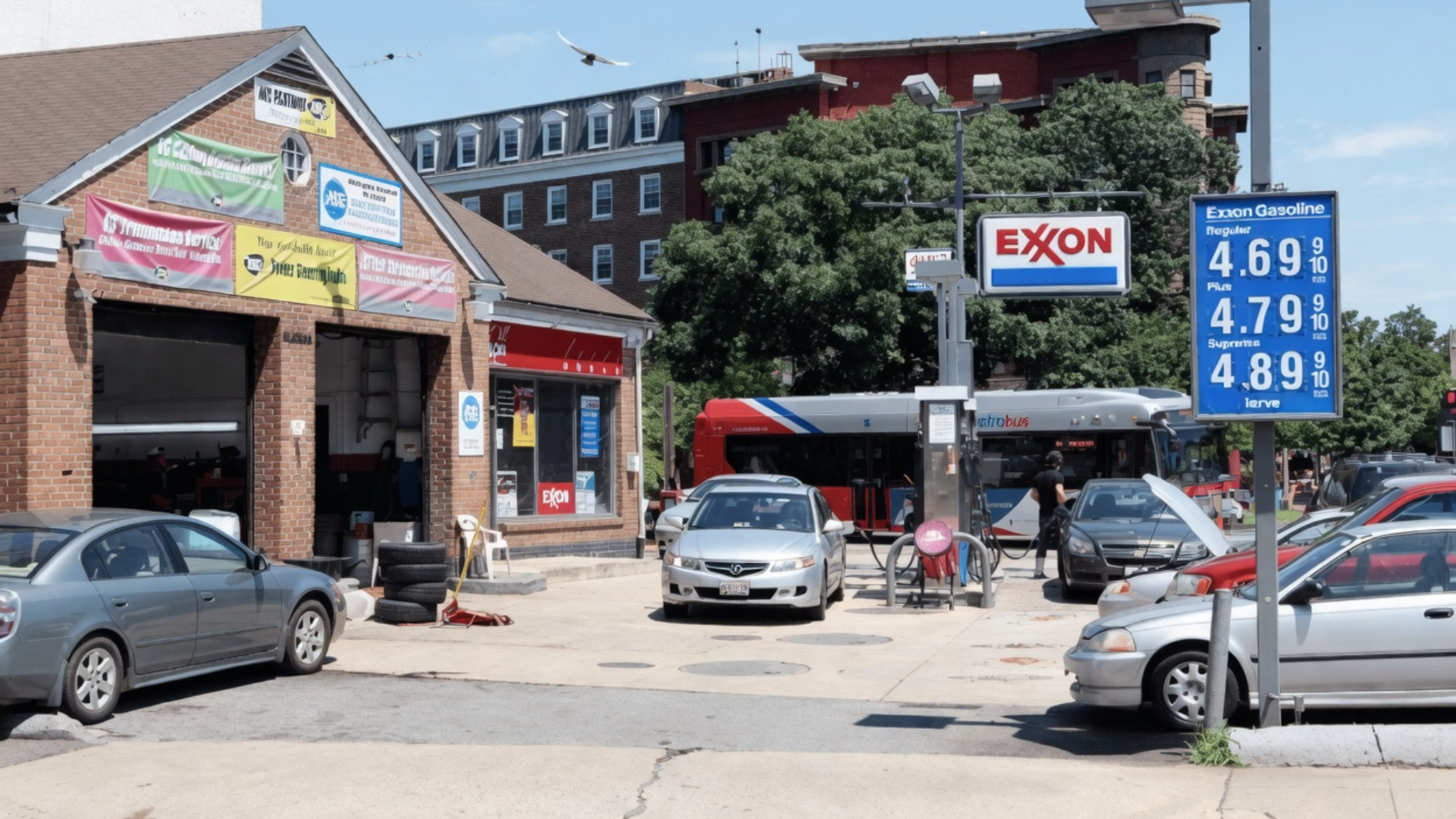
The national average obscures a range of experiences that vary dramatically by state. At one end, Oklahoma drivers are paying $3.48 per gallon, the lowest in the country. Kansas, North Dakota, and Nebraska are the only other states holding below $3.65. At the other end, California sits at $5.92, followed by Hawaii, Washington, Oregon, and Nevada, all averaging above $5. The spread between the cheapest and most expensive states is $2.44 per gallon. All 50 states have averaged above $3 since March 11, meaning no driver in the country has been entirely spared from this surge.
Twenty-Five States Are Above $4. Here Is Why That Number Matters.

Half the country; 25 states plus Washington D.C. is currently averaging above $4 per gallon. That threshold has historically served as the psychological and economic marker where gas prices begin noticeably changing consumer behavior: fewer road trips, reduced discretionary spending, and increased pressure on household budgets, particularly for lower-income families who spend a larger share of their income on transportation. A handful of states did see slightly larger drops on Friday; Indiana, Maryland, Florida, and Michigan each fell between 3 and 9 cents, but those declines have not yet been enough to push most states meaningfully below recent highs.
Why California Always Pays More
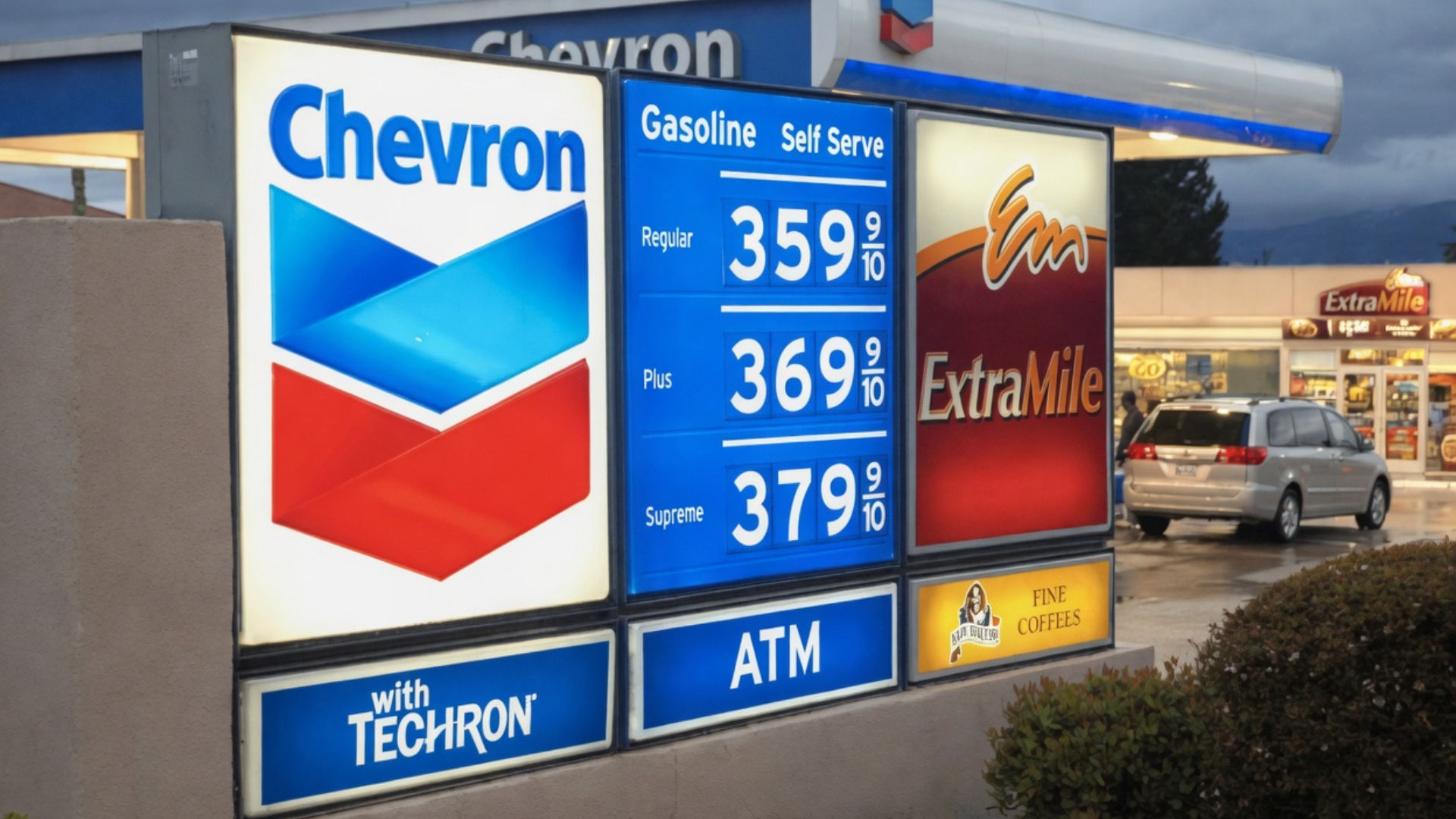
California’s $5.92 average is not simply a product of current oil market conditions. It reflects a set of structural factors that keep the state’s gas prices persistently above the national average regardless of what crude oil is doing globally. California requires a specific cleaner-burning gasoline blend that only a small number of refineries are equipped to produce, creating a constrained supply environment. When oil prices spike, that supply constraint amplifies the impact. When oil prices fall, the underlying cost floor remains elevated. California drivers are not just paying for gas. They are paying for a specialized product in a limited-supply market.
Taxes, Infrastructure, and Geography Explain the Rest

Beyond California’s blending requirements, two other factors drive price variation across states. Fuel taxes represent one of the largest contributors, federal and state taxes combined accounted for more than 14 percent of the average price per gallon in 2023, according to the U.S. Energy Information Administration. States with higher gasoline taxes and environmental fees pass those costs directly to drivers. Geography and infrastructure add another layer. States close to major refineries or well-connected pipeline networks benefit from lower transportation costs, while more remote or isolated markets face higher delivery expenses that consistently show up at the pump.
This Is Not the First Time a Global Crisis Sent Prices Surging

American drivers have been through versions of this before. In June 2022, the national average briefly topped $5 per gallon following Russia’s invasion of Ukraine, which disrupted global oil supplies at a time when post-pandemic demand was surging simultaneously. Prices came down from that peak but remained elevated for months. The current spike, while not yet reaching 2022 levels nationally, follows a similar pattern: a geopolitical event disrupts supply expectations, oil markets react immediately, and retail prices follow with a delay and descend even more slowly than they rose. The asymmetry between how fast prices go up and how slowly they come down is one of the most consistently frustrating patterns in the American gas market.
What the Ceasefire Means for the Weeks Ahead
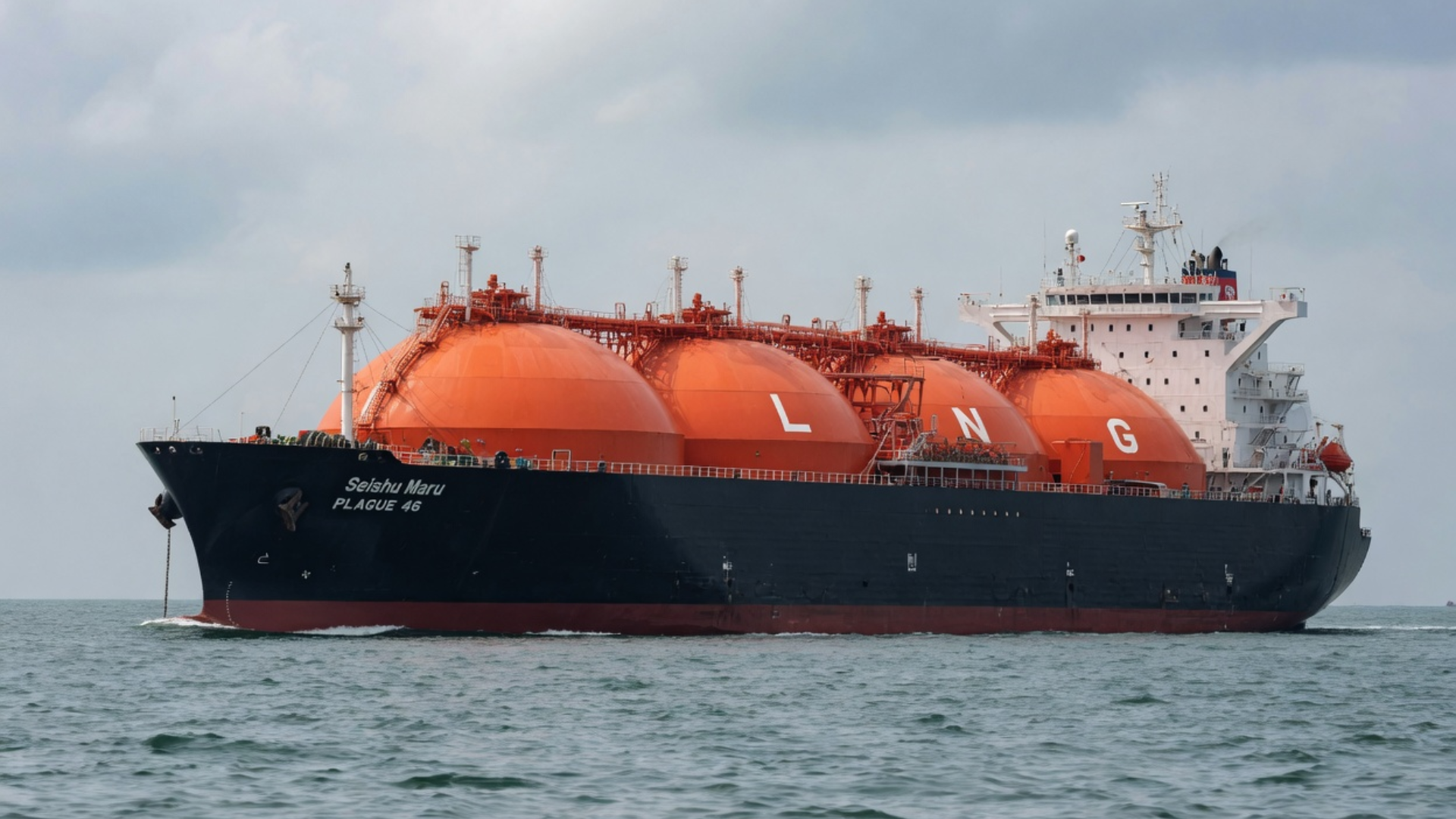
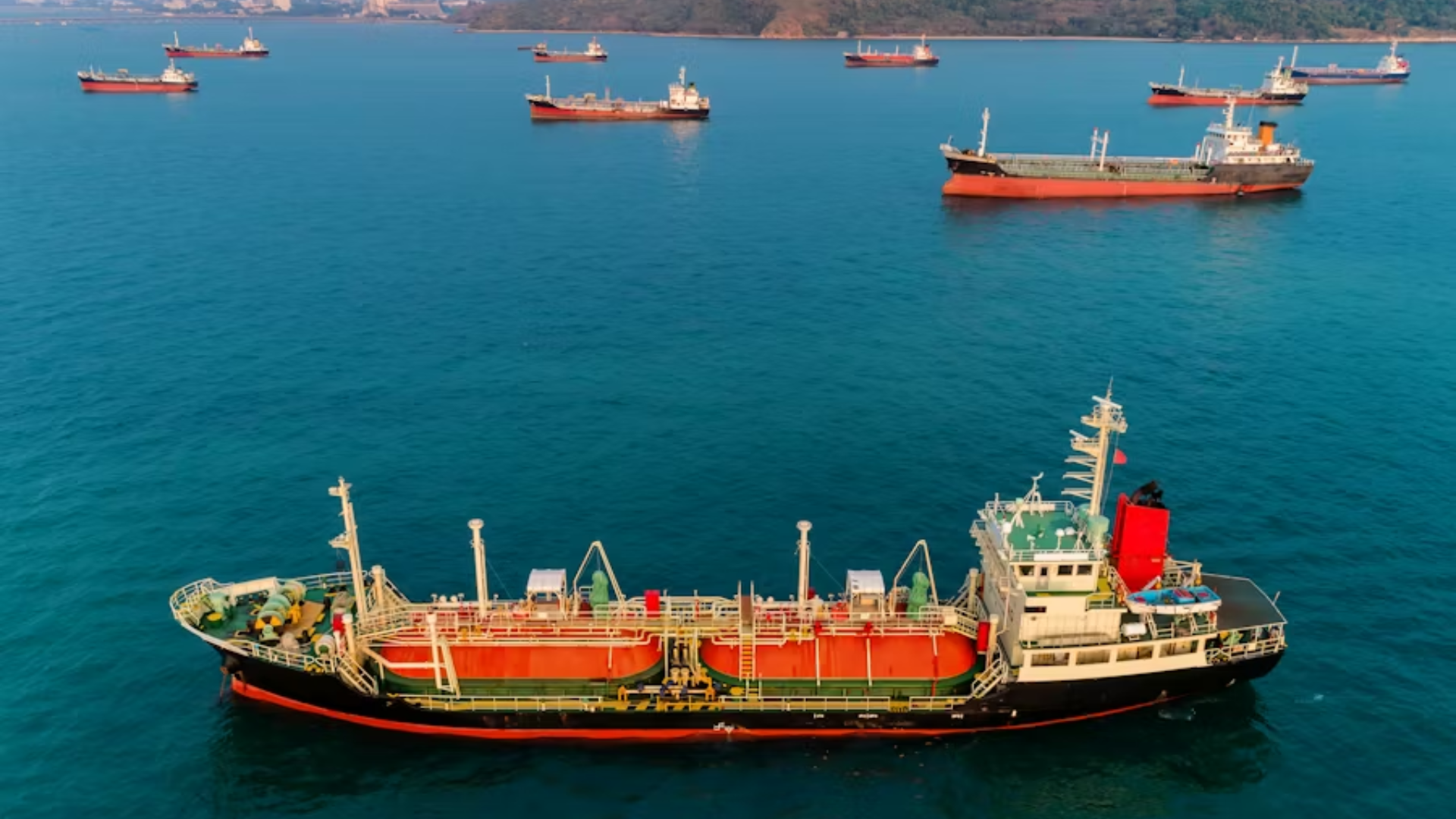
The U.S.-Iran ceasefire is the most significant variable in the near-term outlook. If the agreement holds and tensions remain stable, oil markets are likely to continue their downward adjustment, and retail prices should follow gradually. If the ceasefire breaks down or new escalation occurs, the brief two-cent dip could reverse quickly. Energy economists are watching the Strait of Hormuz closely, a narrow waterway through which roughly 20 percent of the world’s oil supply passes. Reports that the strait has reopened to normal traffic following the ceasefire contributed to the oil price drop that preceded Friday’s retail dip, making its continued stability central to any sustained relief.
Two Cents Down. Still $1.17 Up Since March. The Relief Is Real but Fragile.
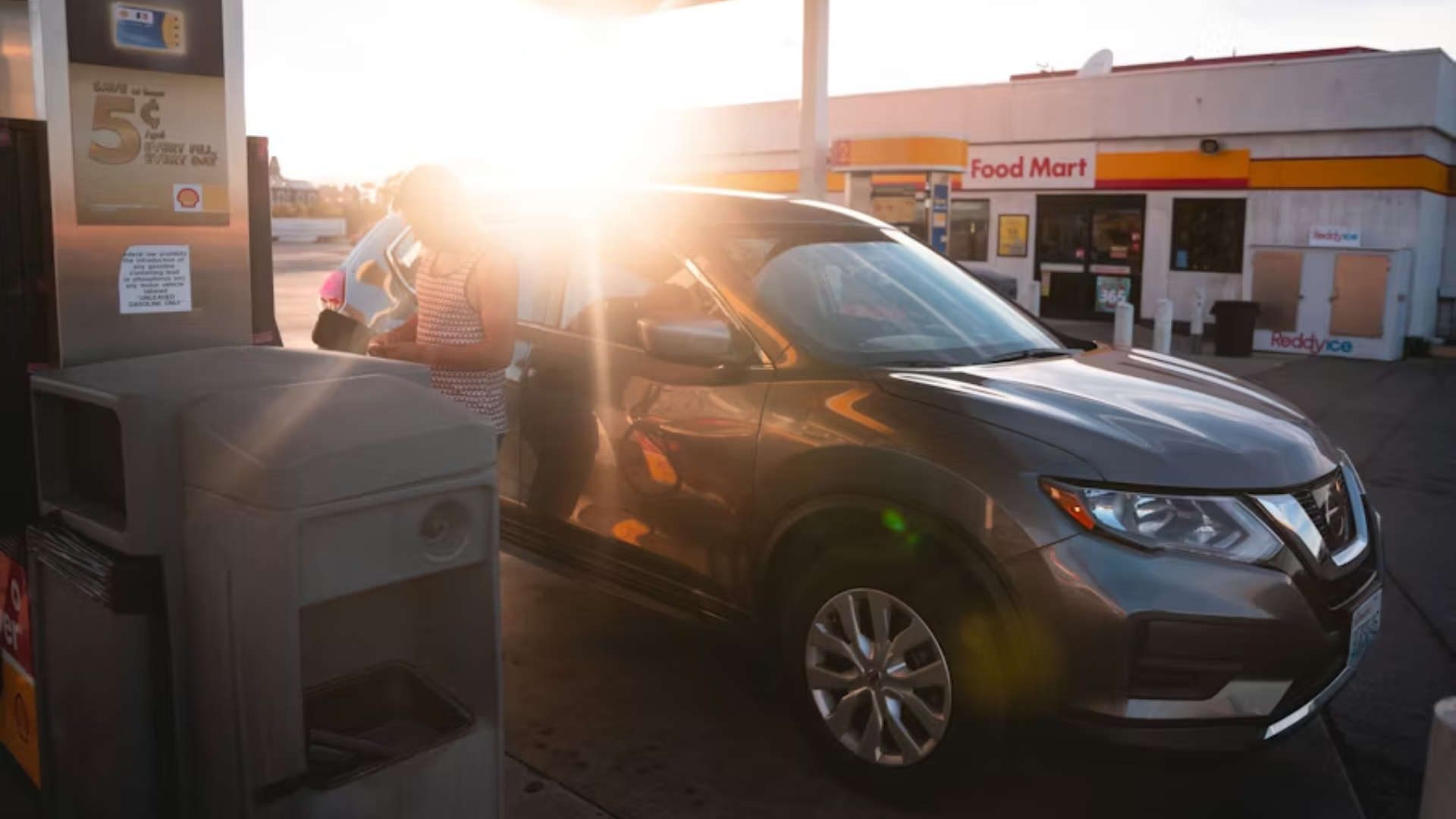
Friday’s two-cent decline matters not because it solves anything but because it signals a possible direction. After five weeks of uninterrupted increases, even a small reversal suggests the pressure may be beginning to ease. Whether that easing continues depends on geopolitics, wholesale market movements, and the time it takes for cheaper oil to work its way through the supply chain to the pump. For drivers in Oklahoma paying $3.48, the situation is manageable. For drivers in California paying $5.92, a ceasefire announcement is not yet something they can feel. The national story and the local reality remain very different things.