A Gardener’s Joke About ‘Tomato Bandits’ Sparked Concern After Grocery Price Continues To Increase
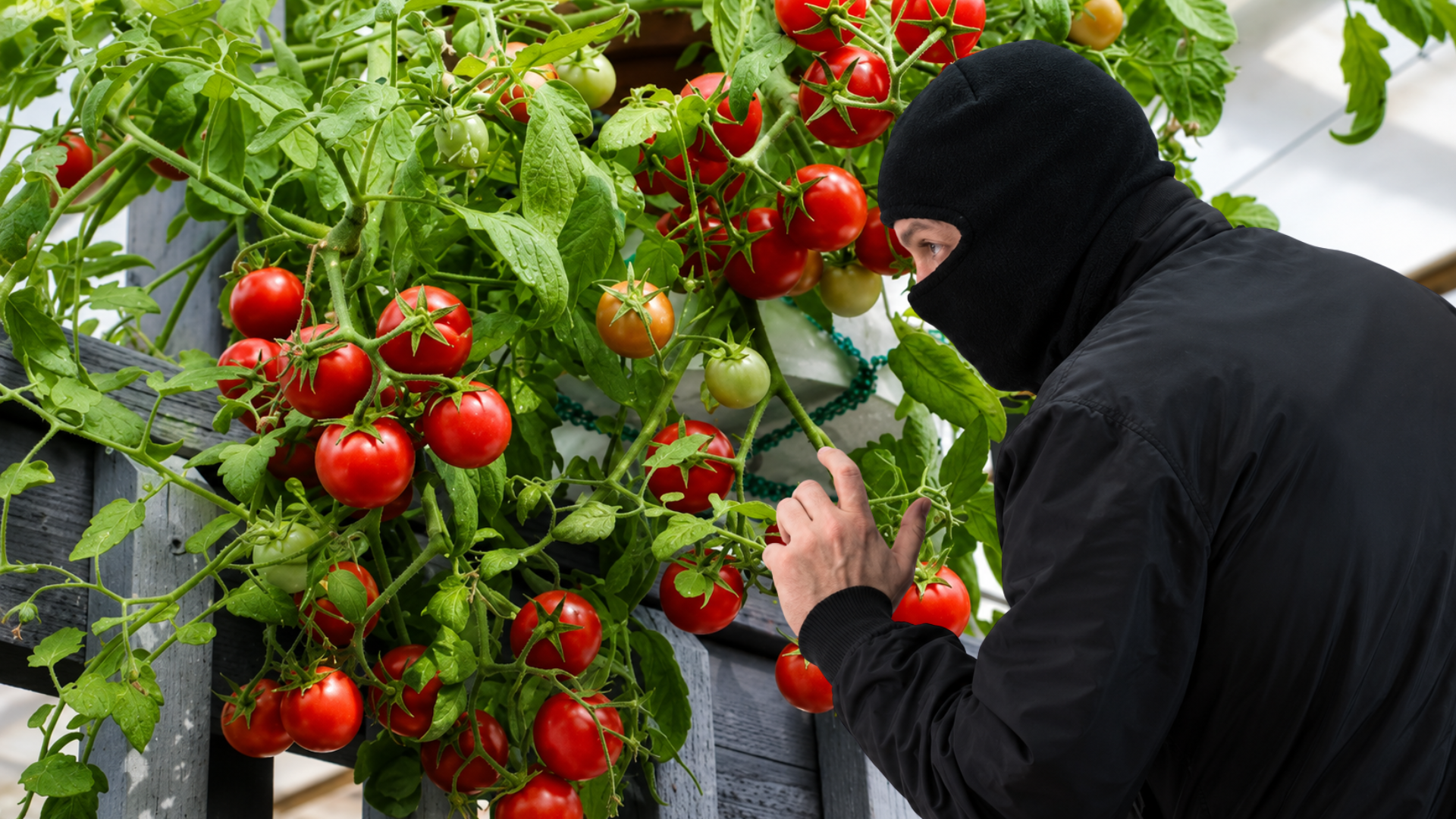

A gardener in New York made a small joke online. They said they were worried about “tomato bandits” stealing their crops this summer. It sounded funny at first. But underneath the joke was a real fear: food prices keep going up, and people are starting to wonder if growing their own food is the safer choice. That joke opened up a much bigger conversation than anyone expected.
One Gardener Asked Why More People Weren’t Growing Their Own Food
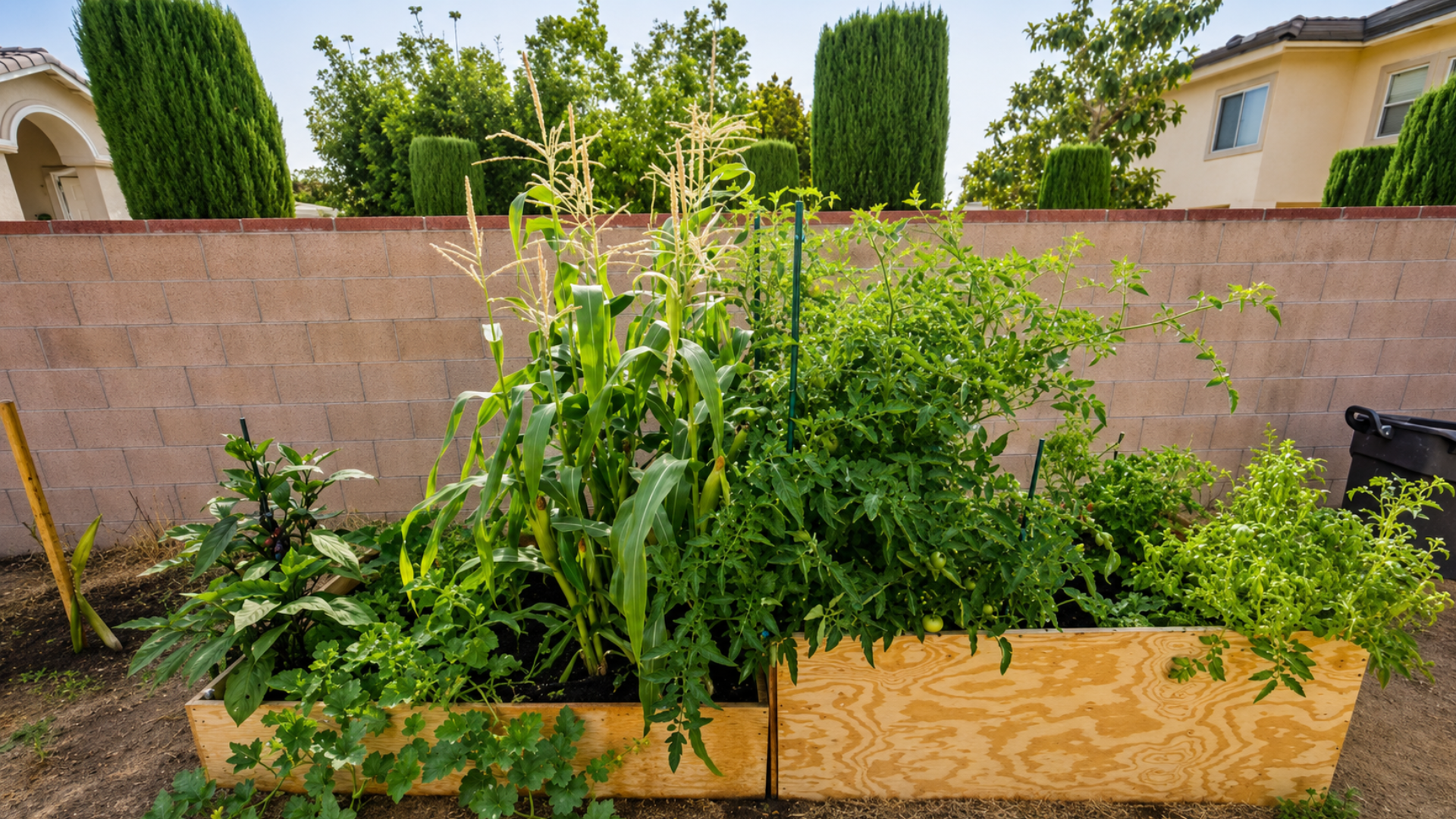
The gardener posted on Reddit, in a group for vegetable growing. They explained they’re in their second year of gardening. They have four garden beds, each 25 feet by 5 feet, full of tomatoes, beans, onions, and garlic greens. They asked a simple question: why aren’t more neighbors with big yards doing the same thing? Friends and family weren’t thrilled by the question. But strangers online had a lot to say.
The Conversation Grew Into a Bigger Question About Food Stress
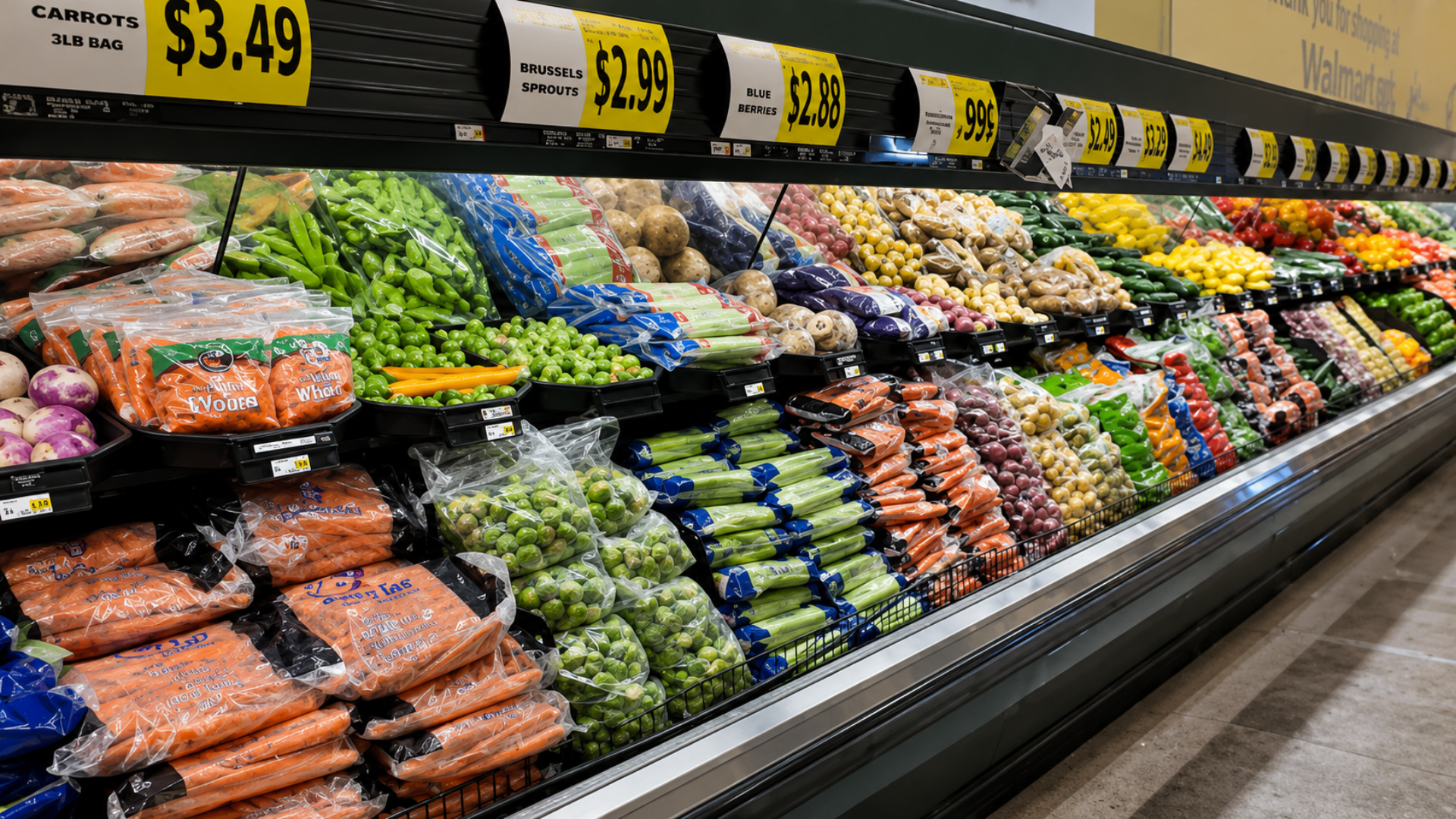
One backyard garden turned into a much wider debate. Commenters started asking what kind of food problem Americans should actually expect. Most people agreed on one thing: empty grocery shelves aren’t the real risk. The United States still grows huge amounts of food. The bigger worry is simpler and scarier. Food might stay on the shelves, just at a price more families can’t afford.
It’s Not About Empty Shelves, It’s About Empty Wallets
Many people in the thread agreed that real danger isn’t running out of food. It’s running out of money to buy it. Stores can stay fully stocked while prices climb higher and higher. That distinction mattered to commenters again and again. A full shelf doesn’t help a family if they can’t afford what’s on it. That’s the kind of food stress more Americans may actually face.
Fertilizer Prices Are Tied to Oil, and That’s a Hidden Risk
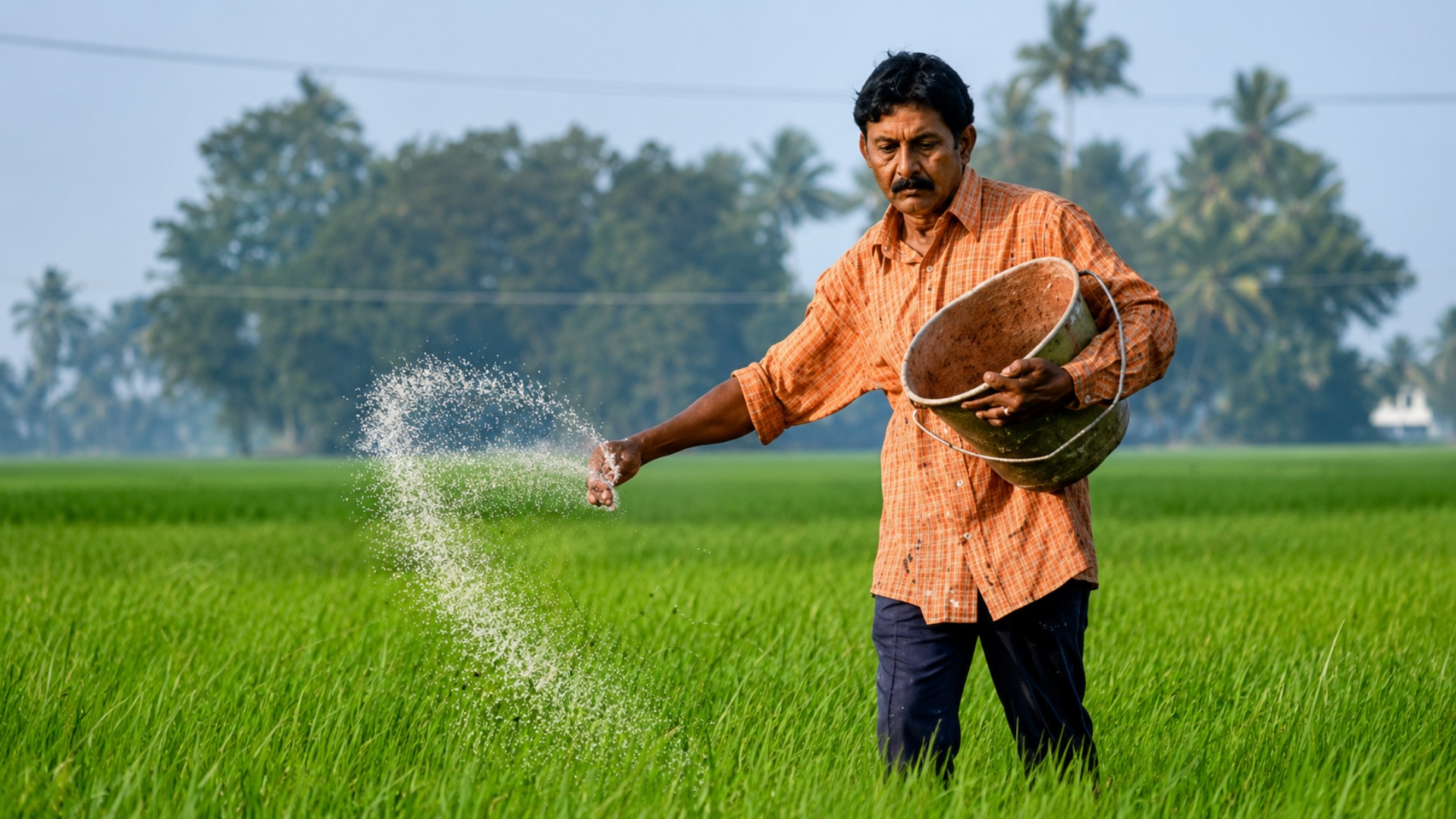
Few people think about fertilizer when grocery prices go up. They should. Commenters explained that synthetic nitrogen fertilizer depends heavily on petroleum to produce. When fuel prices rise or supply gets disrupted, fertilizer costs rise too. That cost doesn’t stay on the farm. It moves through the entire food system, all the way to the checkout line. A problem at the gas pump can end up on your dinner plate.
Wild Weather Is Making Food Costs Harder to Predict
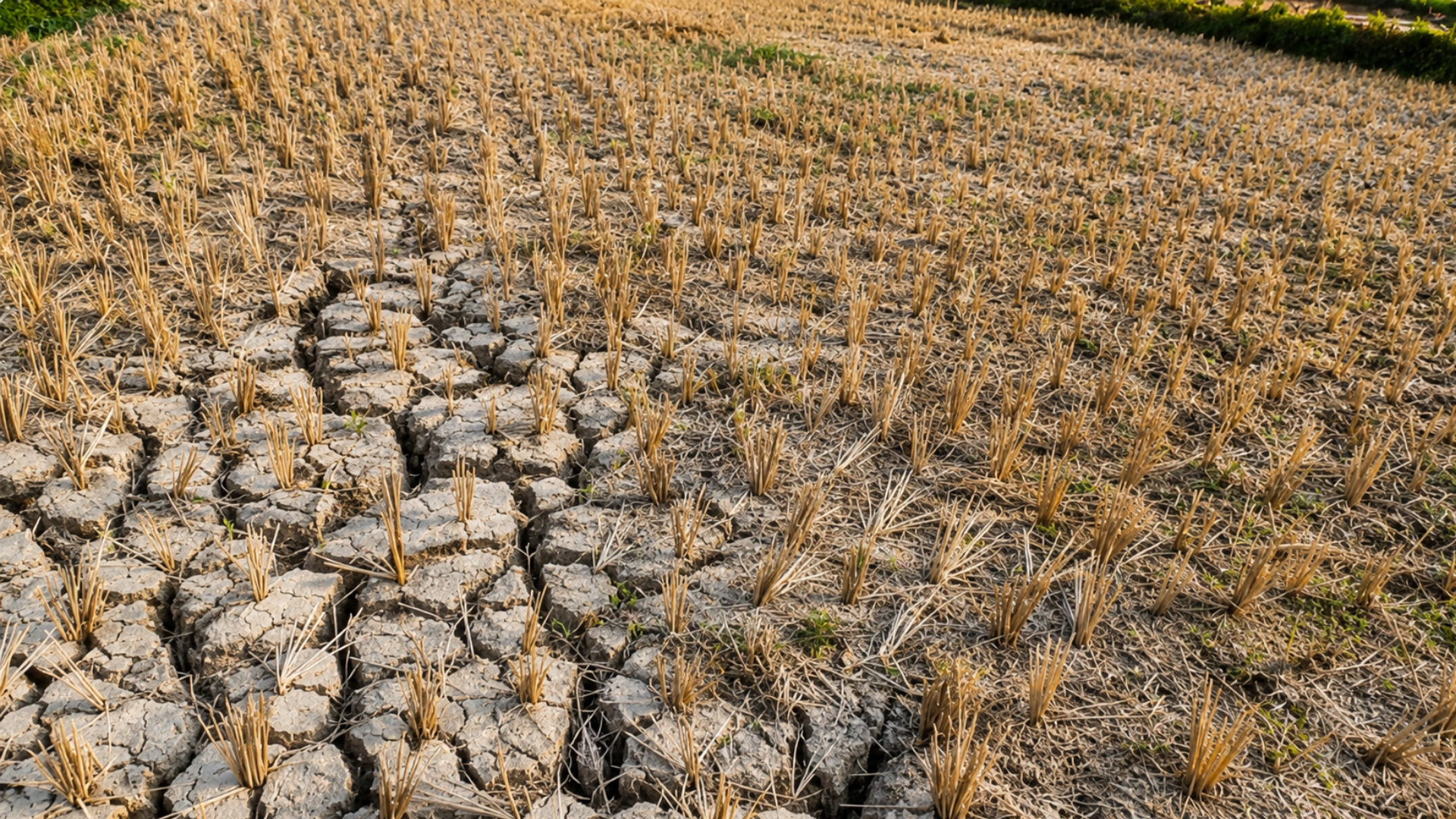
Weather used to be predictable enough for farmers to plan around. That’s changing fast. Commenters pointed to climate instability as another major threat to food costs. More erratic storms, droughts, and heat waves can damage crops without warning. Damaged harvests mean less supply, and less supply usually means higher prices. The weather report and the grocery bill are more connected than most people realize.
A Backyard Garden Can’t Replace a Grocery Store, Commenters Warned
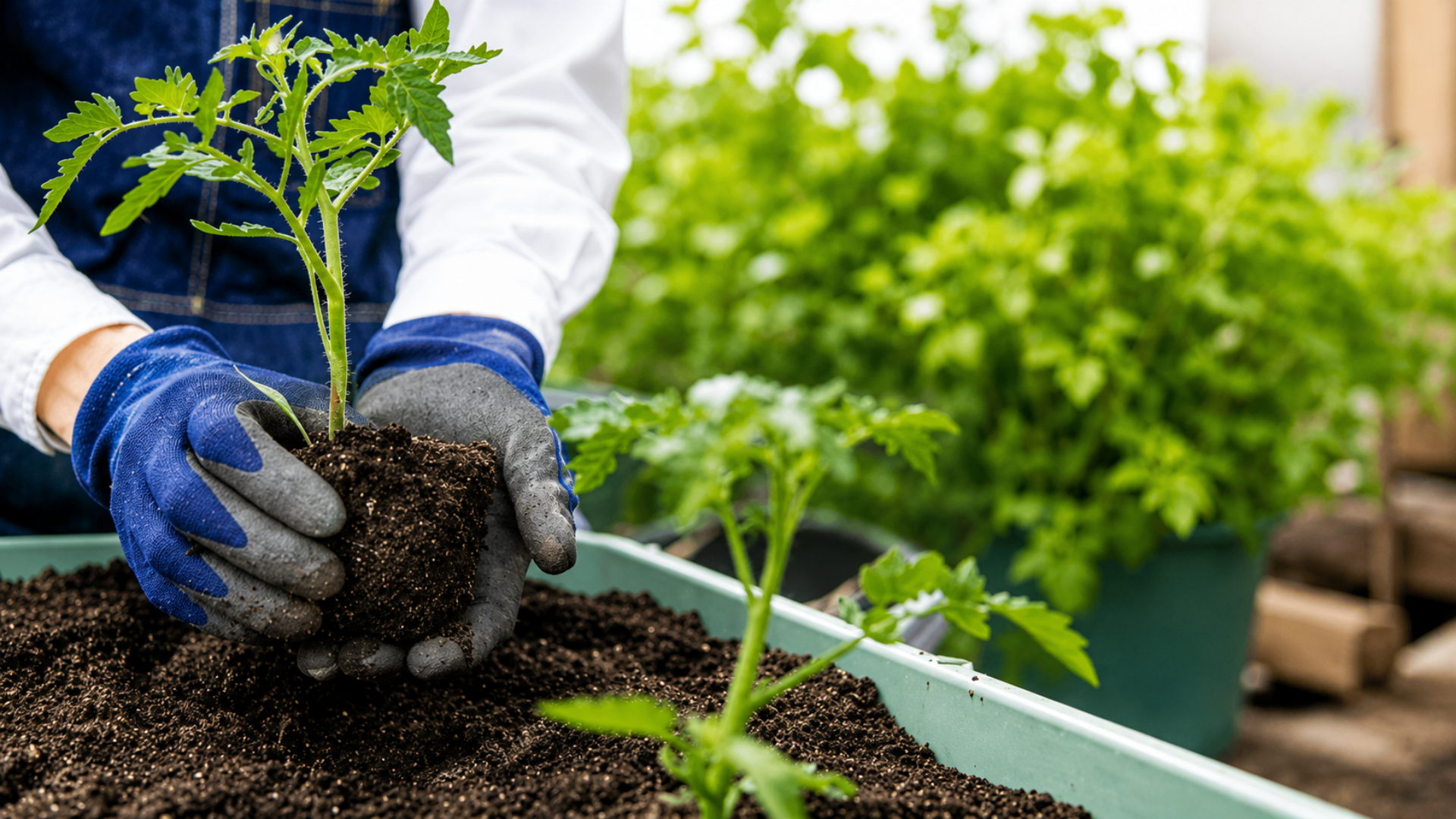
Not everyone in the thread thought gardening was the answer. Some pushed back hard. They pointed out that starting a garden often costs more upfront than just buying vegetables at the store. Seeds, soil, tools, and water all add up fast. A small garden also rarely grows enough calories to feed a household on its own. Hope for self-sufficiency is one thing. The math behind it is another.
The Right Crops Can Make a Small Garden Actually Worth It
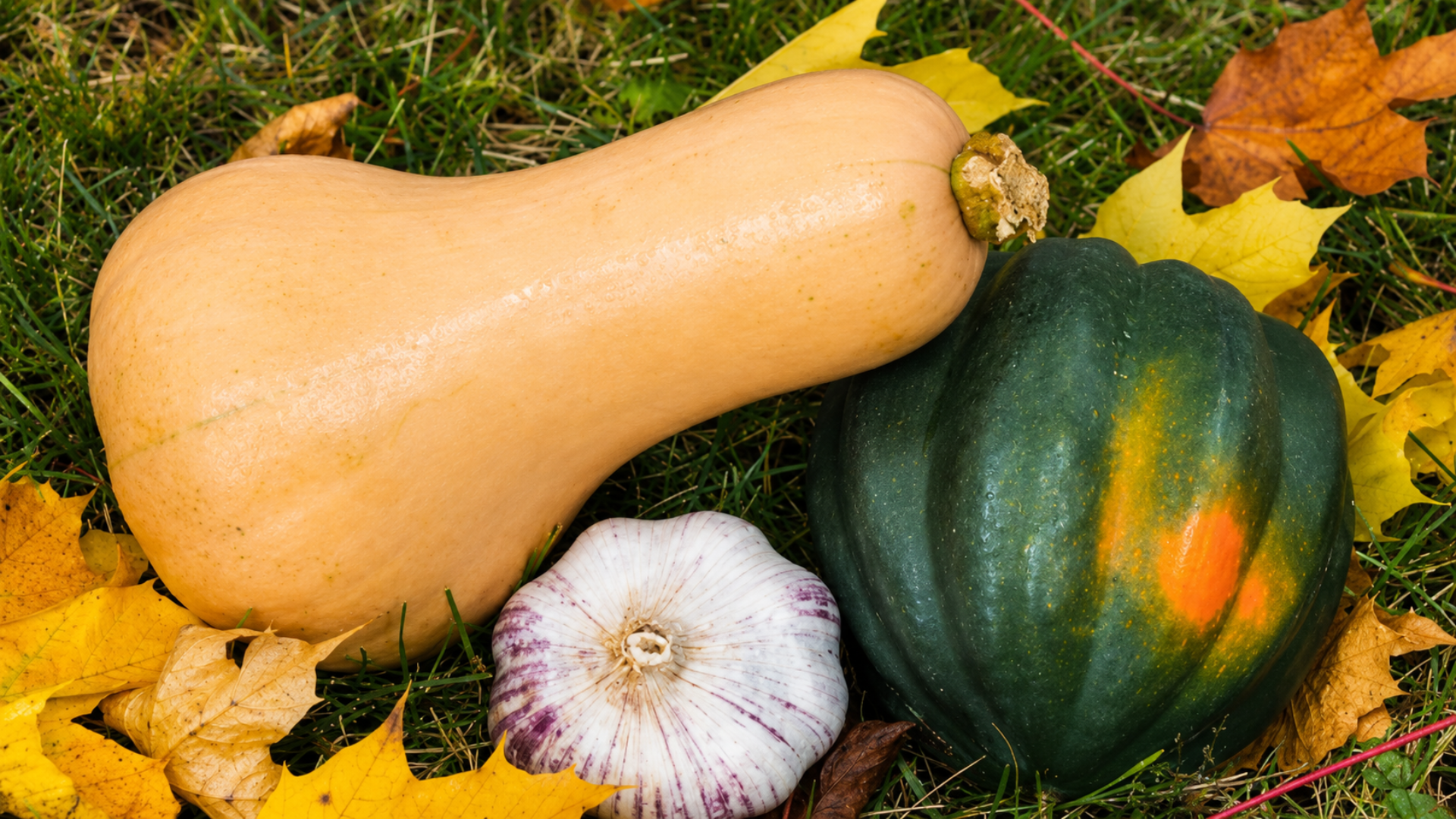
Still, many commenters said a garden isn’t useless, it just needs the right plants. They suggested skipping a yard full of tomatoes alone. Instead, they recommended crops with real staying power: potatoes, winter squash, garlic, and beans. These foods pack more substance per plant and last much longer in storage than a quick summer tomato. A garden built around the right crops can genuinely add some food security, even if it can’t replace the store.
Victory Gardens Once Grew 40% of America’s Produce
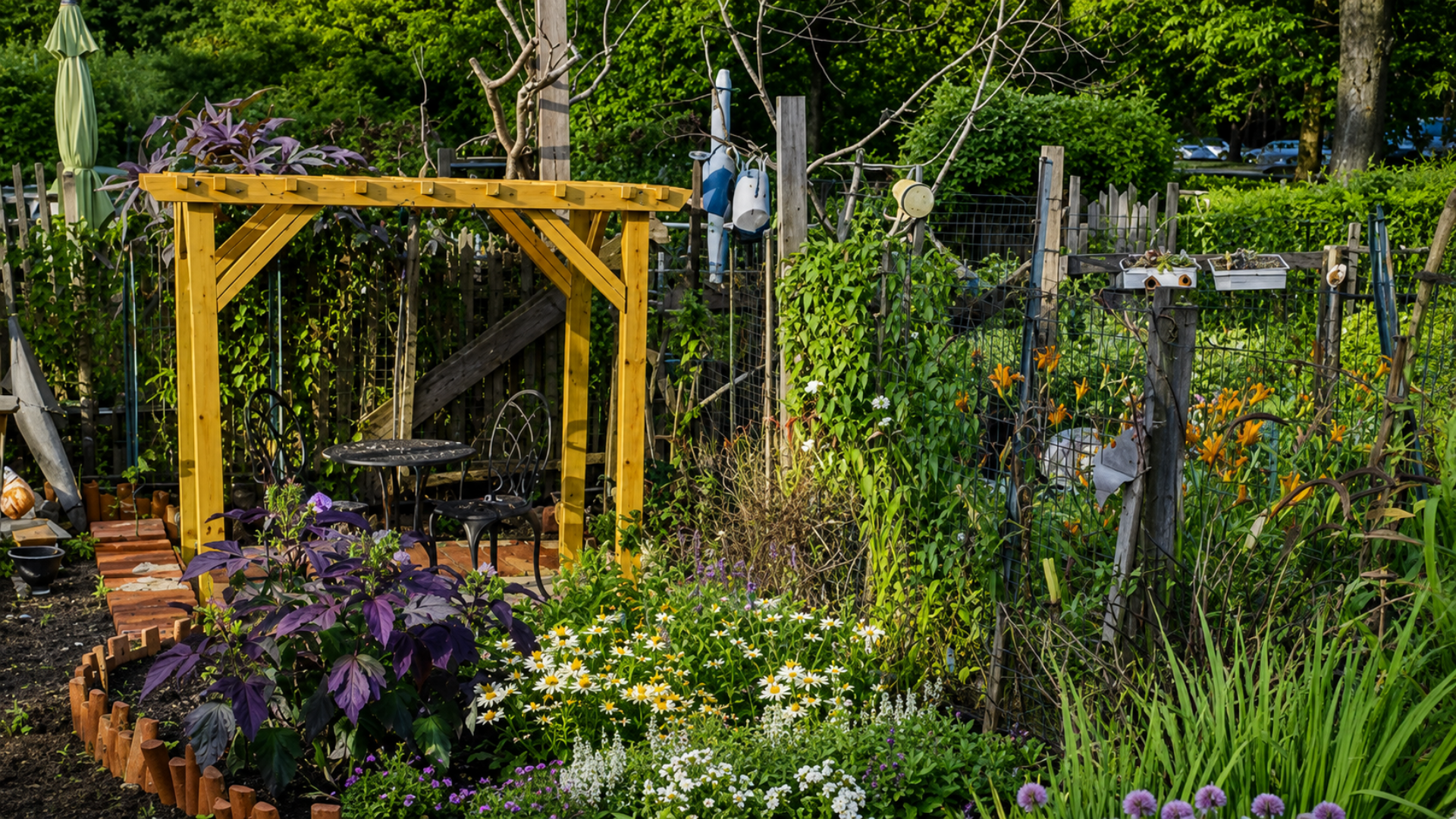
History offers one striking example of what gardens can really do. During World War II, home Victory Gardens reportedly supplied about 40 percent of the produce grown in the United States. That’s a massive number for backyard plots. But even then, gardens worked as support for the food system, not a full replacement for it. The lesson commenters drew was clear: gardens help most when they work alongside the system, not against it.
The Real Answer to ‘Tomato Bandits’ Might Be Your Neighbors
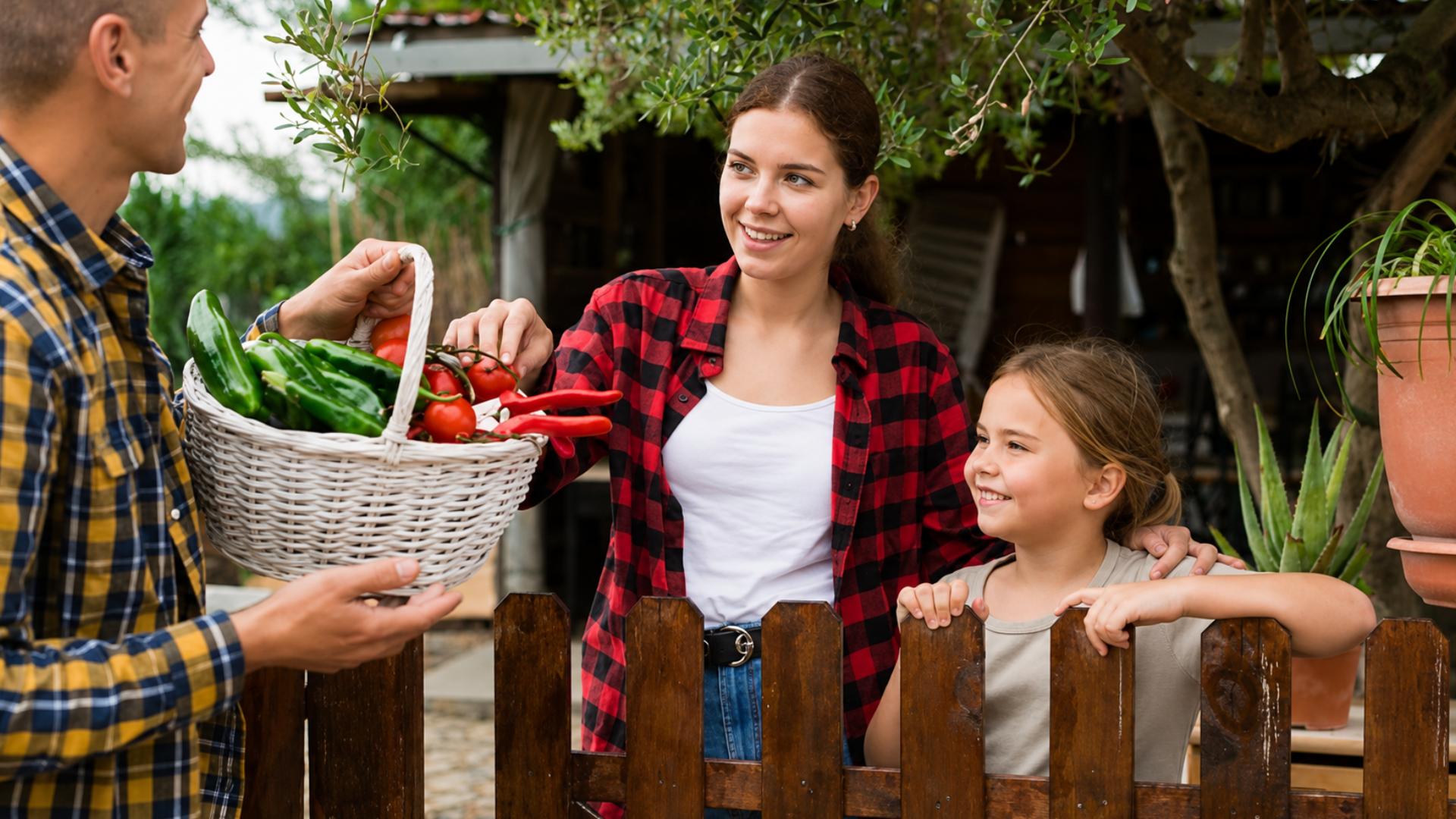
That joke about tomato bandits started as a laugh. By the end of the thread, the real answer had shifted toward something simpler than fences or hidden plots. Commenters kept repeating one idea: “be the village.” Share seeds. Share extra vegetables. Give surplus harvests to local food banks. Maybe the best defense against rising food prices isn’t a bigger garden. It’s a stronger community standing behind it.