Garbage Trucks May Soon Be Used To Spy On You


Your trash truck already knows your address and pickup day. Soon, it might know a lot more. Cape Coral, Florida recently considered mounting AI-powered cameras on its sanitation trucks, turning routine trash pickup into a rolling surveillance operation. The cameras would photograph every property along the route, scanning yards and homes for signs of code violations. City officials framed it as a cost-saving tool. Privacy advocates saw something else entirely: a new front in the expansion of everyday surveillance, hiding in plain sight on a truck nobody thinks twice about.
Overgrown Lawns and Peeling Paint, Flagged by AI

The pitch was efficiency. Cape Coral’s proposed system would use artificial intelligence to scan images captured during collection routes, flagging properties with overgrown lawns, peeling paint, or illegal dumping. City staff would then review the flagged images before deciding whether to pursue enforcement. Officials pointed to code violations tied to unlicensed contractors as one motivation. The idea surfaced during a February council discussion, when the city manager argued that camera systems could accomplish what human inspectors already do, only faster and at lower cost to taxpayers.
Cape Coral Backs Away From the Cameras

By July, Cape Coral officials reversed course. In a July 13 statement, the city said it would not move forward with the AI camera technology, citing cost and insufficient benefit. The statement also pushed back on what it called misinformation spreading online. “Claims suggesting that this technology would automatically identify, cite or fine residents are inaccurate,” the city said, adding that any potential violation would still require review by a code compliance officer before enforcement. The technology, for now, is shelved in Cape Coral.
Stockton Already Scanned 40,000 Parcels

Cape Coral is not the only city that has looked into this. AI imaging systems built by City Detect are already active elsewhere. In Stockton, California, the platform analyzed nearly 40,000 parcels and captured almost 200,000 images while flagging thousands of potential code issues, according to the company’s published case studies. Cathedral City, California, has used similar technology to support its own code enforcement efforts. The scale of Stockton’s rollout shows how quickly a modest code-enforcement tool can turn into a citywide imaging network.
Dallas Approves Funding for a Similar Program

Dallas has taken the idea further than Cape Coral did. The city approved funding for its own AI-assisted code enforcement camera program, pending final implementation. The pattern across Stockton, Cathedral City, and Dallas suggests a quiet but steady spread of this technology through municipal sanitation and code departments nationwide. Each city describes the same goal: catching violations that overworked inspectors might otherwise miss. But each rollout also raises the same question that dogged Cape Coral, over how far these systems will reach once installed.
License Plate Cameras Already Track Millions of Drivers
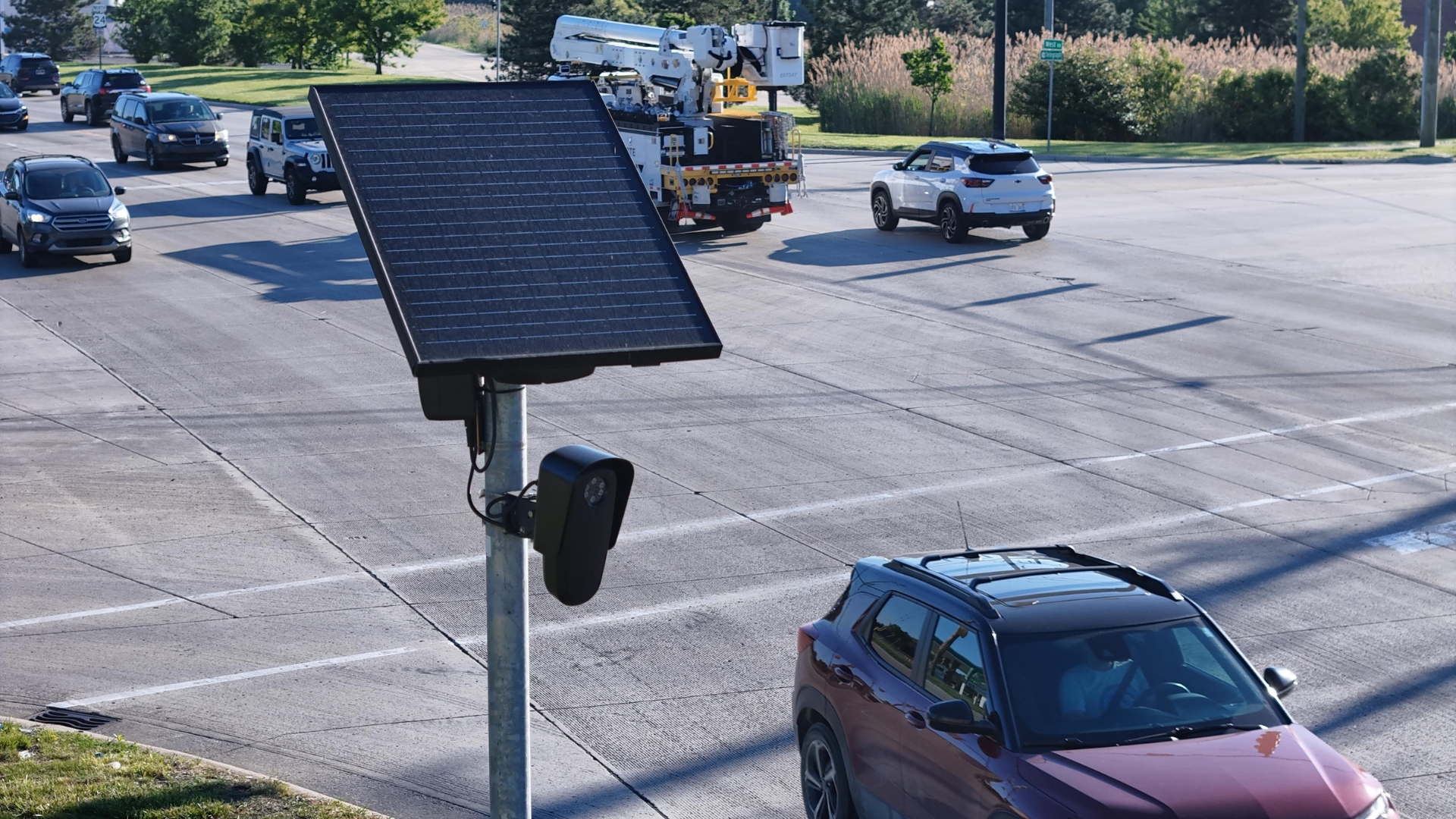
Garbage truck cameras are a small piece of a much larger surveillance landscape already in place. Flock Safety operates tens of thousands of license plate reader cameras across the country, capable of identifying not just plates but vehicle make, model, and distinguishing features like bumper stickers or roof racks. Civil liberties groups have raised alarms for years about how this data gets stored, shared, and searched by law enforcement agencies, often without a warrant or any judicial oversight of who can access it.
ACLU Calls the Cameras “Creepy”
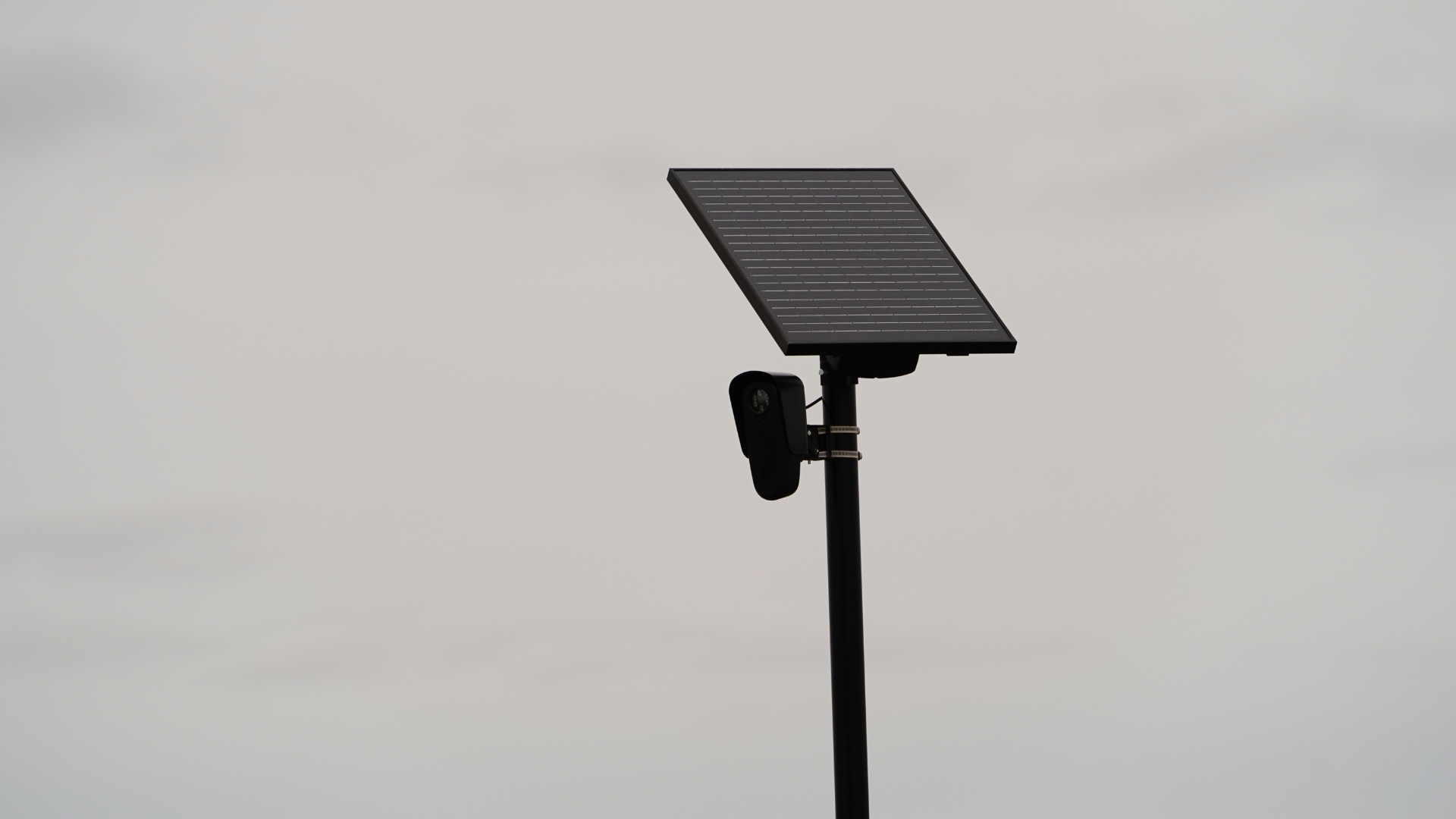
The American Civil Liberties Union has made Flock’s cameras a central target of its advocacy, launching a campaign called “Get the Flock Out.” The organization has described the technology bluntly as creepy and warned that it lacks meaningful accountability. According to the ACLU, these systems “all have the same problems: a lack of transparency, oversight, and regulation into how they collect, store, and use our data, and how to hold public and private actors accountable if they abuse it.” Several city councils have since voted to cancel their Flock contracts.
Federal Regulators Take Aim at Connected Car Data
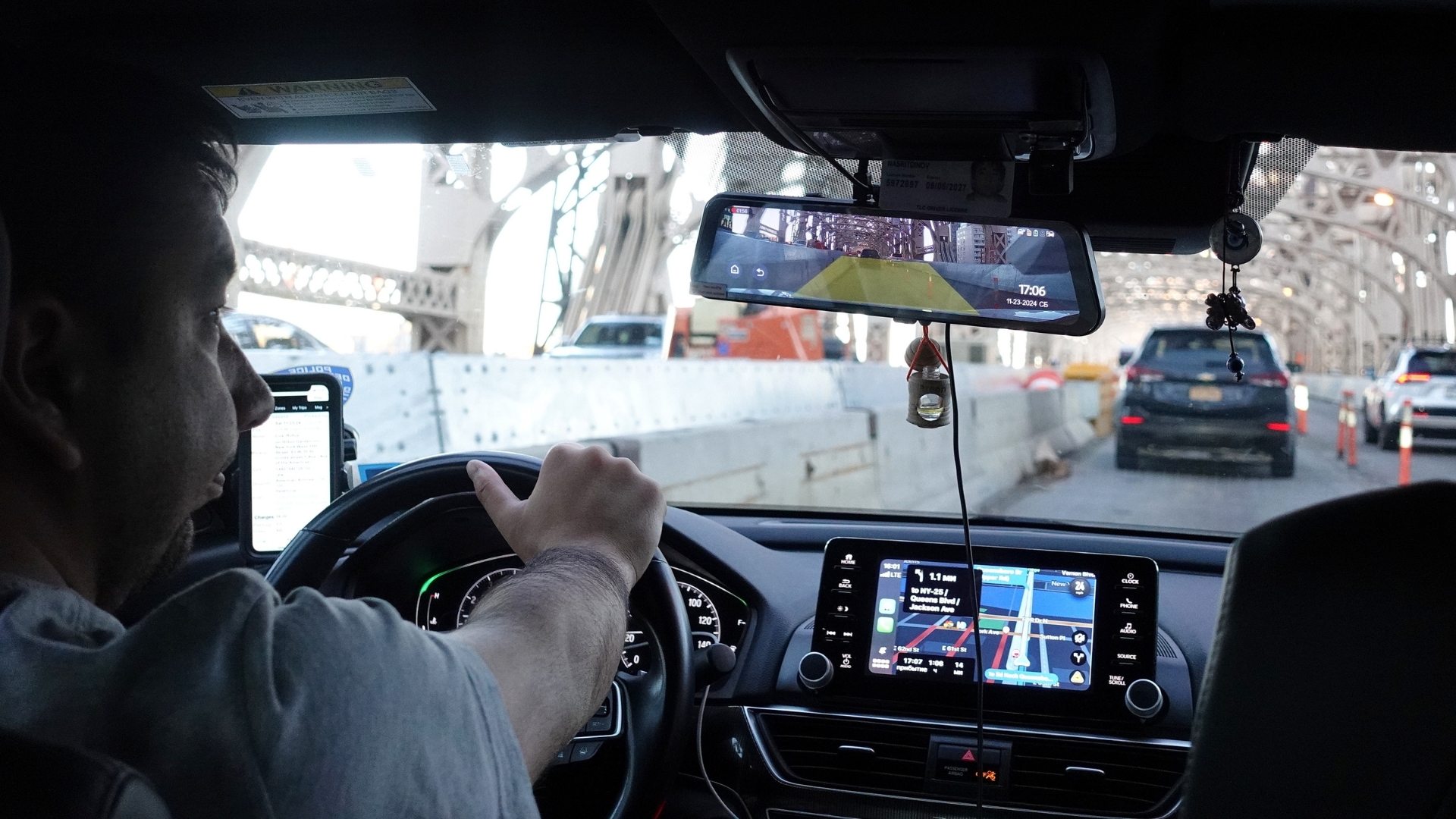
Vehicle surveillance concerns extend well beyond cameras mounted on trucks. Earlier this year, the Federal Trade Commission finalized an order banning General Motors and OnStar from sharing certain connected vehicle data with consumer reporting agencies for five years. Regulators alleged the company collected drivers’ location and behavior data and disclosed it without adequate consent, in some cases affecting insurance rates. It marked the FTC’s first enforcement action centered specifically on connected vehicle privacy, a signal that regulators are starting to catch up with the technology.
When AI Gets It Wrong, Innocent People Get Flagged
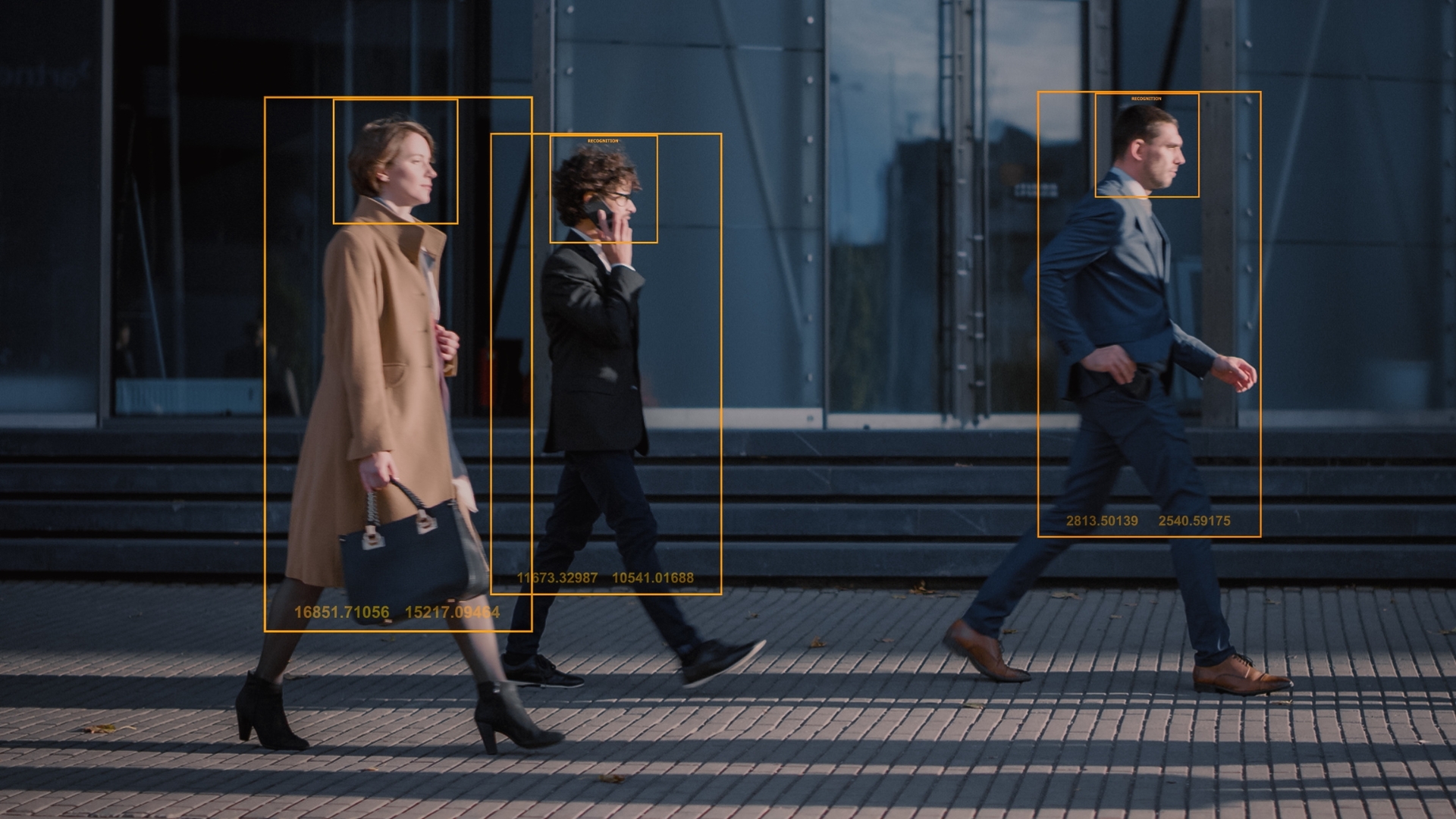
The stakes of AI misidentification are not hypothetical. The ACLU has documented more than a dozen cases of police making wrongful arrests after AI-powered systems misidentified people. “Part of what is so dangerous about these systems is that when they get it wrong, innocent people who look similar to a suspect are often flagged,” the organization warned. It compared the risk directly to facial recognition, noting the technology is built to find similar faces in a database, most of whom are never an actual match to begin with.
A Truck Route Becomes a Test Case for Surveillance

Cape Coral shelved its plan, but the underlying appeal for city governments has not gone away. Stockton, Cathedral City, and Dallas show that once a sanitation department gains access to AI imaging, the technology tends to expand rather than retreat. Officials keep describing these tools as assistive, with humans still reviewing every flag before action is taken. But the growing footprint of license plate readers and connected vehicle data shows how quickly a modest efficiency measure can harden into a permanent surveillance infrastructure that residents never explicitly agreed to.