Frustrated Job Seeker Got a Harsh Reality Check About Why She ‘Keeps Getting Rejected’ from Minimum-Wage Jobs


A 22-year-old college graduate thought a restaurant job would be easy to land. She had a bachelor’s degree and experience at two restaurants. When she got rejected anyway, she grabbed her phone, held up a purple folder, and told hundreds of thousands of TikTok viewers: “I have a bachelor’s degree and can’t get hired minimum wage.”
TikToker @lliivvyyyyyyyyyy Described Getting Denied for a Job She Was Qualified For
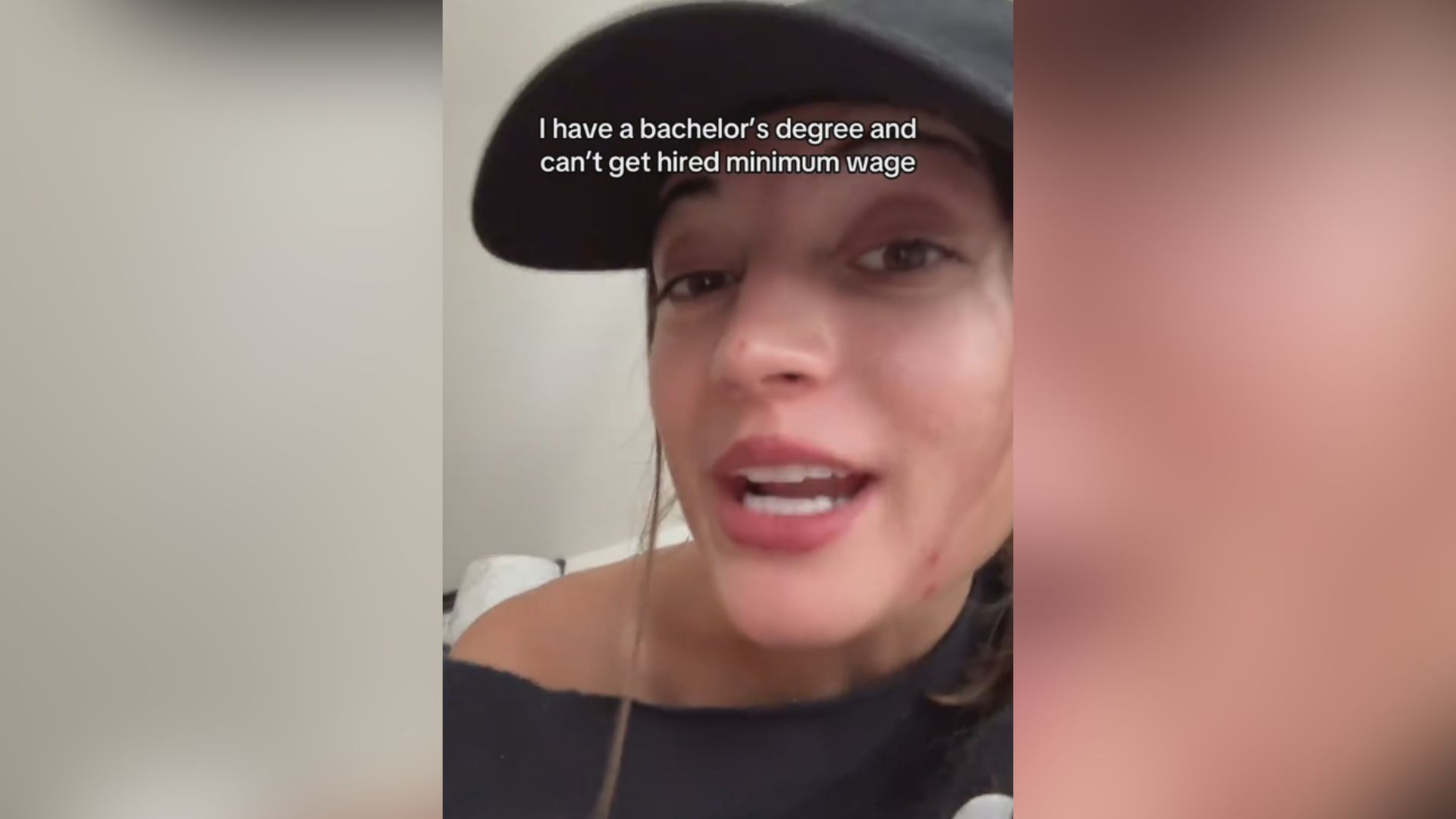
The TikToker, who posts under the username @lliivvyyyyyyyyyy, described the rejection: she applied for a serving position at a restaurant, had prior experience at two similar jobs, and still didn’t make the cut. “I just got denied from a serving job in a restaurant,” she told her audience. “I have actually worked in two restaurants before, so I do have experience.” The video was reposted on X, where it racked up additional attention and sparked debate about what is actually happening to the U.S. job market in 2026.
The Comment Section Became a Confession Booth for Rejected Graduates
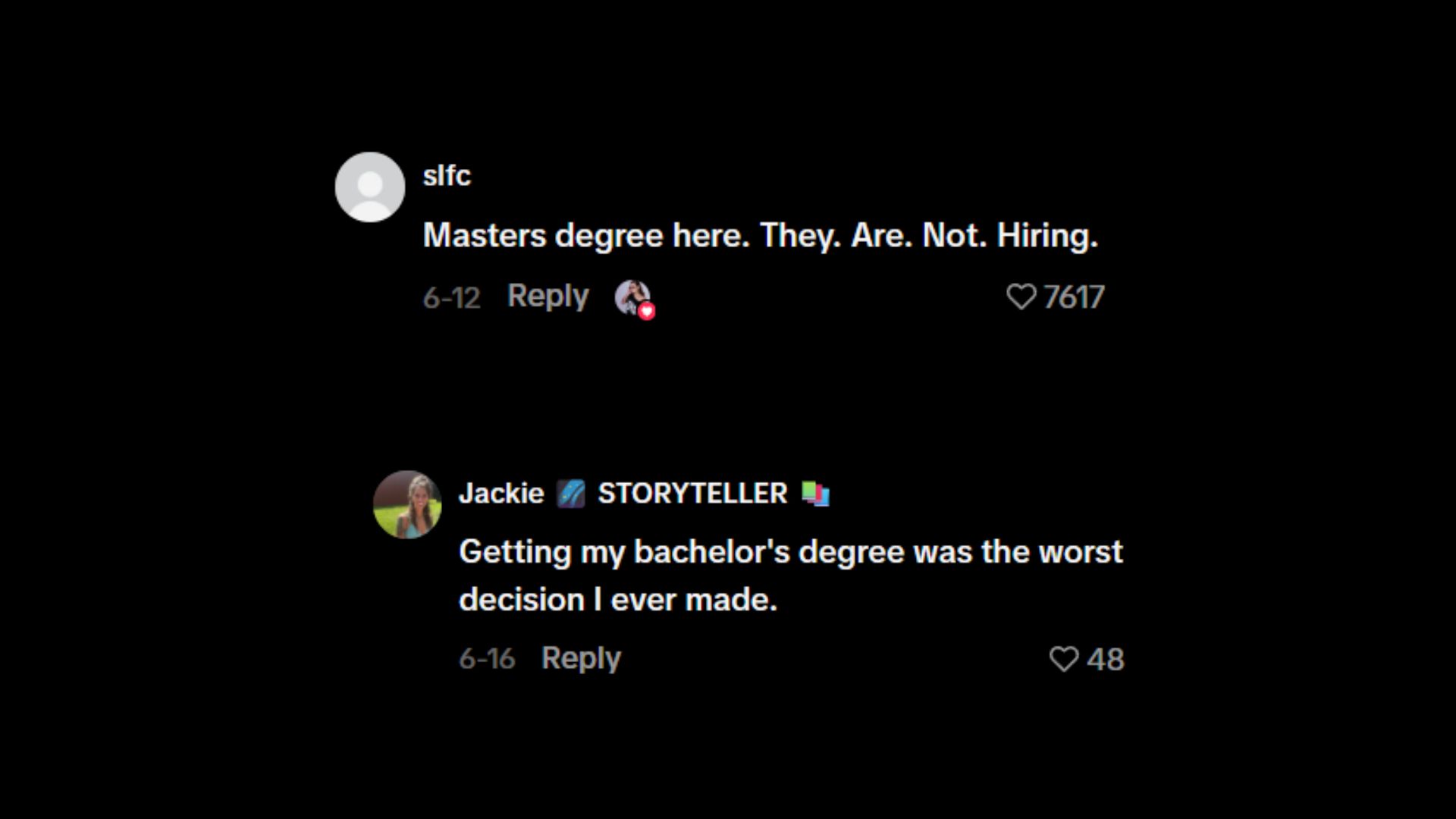
Hundreds of people flooded the comments with their own stories. One person with a master’s degree wrote three blunt words: “They. Are. Not. Hiring.” Another said employers throw around the word “overqualified” to turn away people who are simply trying to stay afloat while building a career. A third comment cut deepest: “Getting my bachelor’s degree was the worst decision I ever made.”
42% of Recent College Graduates Are Working Jobs That Don’t Require Their Degree

The frustration in the comments has hard numbers behind it. The unemployment rate for college graduates ages 22 to 27 climbed to 5.6%, exceeding the overall national rate of 4.2%. Some 42% of recent college graduates are underemployed, meaning they are working in roles that do not typically require a degree. For the first time since the federal government began tracking the data, college graduates have lost their employment advantage over workers without degrees. The degree that once opened doors is now, in some cases, getting them slammed shut.
Employers Are Rejecting Overqualified Applicants, So Graduates Are Hiding Their Degrees

Commenters on the TikTok video had a fix, and it was a bleak one: remove the degree from your resume entirely. One person shared that they were rejected from Lowe’s with a master’s degree, reapplied under a different name without listing the credential, and got hired. A tech worker advised the grad to tailor every application to the specific job and, if necessary, omit the bachelor’s degree altogether. According to a ZipRecruiter survey, 18.3% of employed graduates said they intentionally applied below their qualification level just to get a foothold.
The ‘Overqualified’ Label Is a Signal That Employers Expect You to Leave

The logic behind rejecting overqualified candidates is straightforward from an employer’s perspective: a restaurant or retail manager doesn’t want to hire someone they believe will quit the moment something better comes along. Training new staff costs time and money. But that calculus punishes graduates who genuinely need income while pursuing their field. About 20% of employed graduates in a recent ZipRecruiter study said they believed they were overqualified for their current position, and roughly the same share applied below their level out of desperation.
Teen Summer Jobs Are Disappearing as Graduates Compete for the Same Positions
The squeeze isn’t just hitting college graduates. Summer jobs for teens have tumbled by 25% in a single year, with 2026 expected to see figures potentially near the lowest since records began in 1948. Experts point to inflation, economic instability, and a frozen hiring market. Older, more experienced workers are now competing for the same entry-level food service and retail jobs that once belonged to teenagers and new grads. The pipeline that used to carry younger workers up through the workforce is narrowing at every level.
A Job Seeker Got $12,000 More by Staying Silent for 30 Seconds

In a separate but telling story from Reddit’s r/jobsearchhacks, a job seeker shared a negotiation tactic that worked. After six weeks and four rounds of interviews, the recruiter’s final offer came in about 15% below the salary range discussed at the start of the process. Instead of pushing back, the job seeker said nothing for 30 seconds. The recruiter eventually broke the silence, discussed budget constraints, then called back ten minutes later with $12,000 more and a signing bonus. The poster’s conclusion: the first person to speak in a salary negotiation usually loses.
The Strategy Works Because Companies Have Flexibility They Don’t Advertise

One commenter on the Reddit post captured the dynamic plainly: “the budget suddenly appears out of thin air” once a recruiter realizes a candidate does not seem desperate. The silence works because it reframes the negotiation. Justifying why you deserve more puts the candidate on defense. Saying nothing forces the recruiter to fill the void, often by revealing flexibility that was never on the table initially. It is a tactic that requires nerve, but the math for those who have tried it suggests the discomfort is worth sitting through.
Job Seekers Are Rewriting the Rulebook

The old formula, go to college, earn a degree, get a job, is no longer a reliable sequence. Only 19% of recent graduates say it is a good time to find a quality job, a collapse from over 70% in 2022. The TikToker’s video resonated because it named something millions already knew. The strategies circulating in comment sections and Reddit threads, scrubbing degrees from resumes, using silence as leverage, are not complaints. They are adaptations to a market that has already changed the terms.