Former CIA Officer Arrested After FBI Uncovers $40 Million Gold Cache and False Credentials
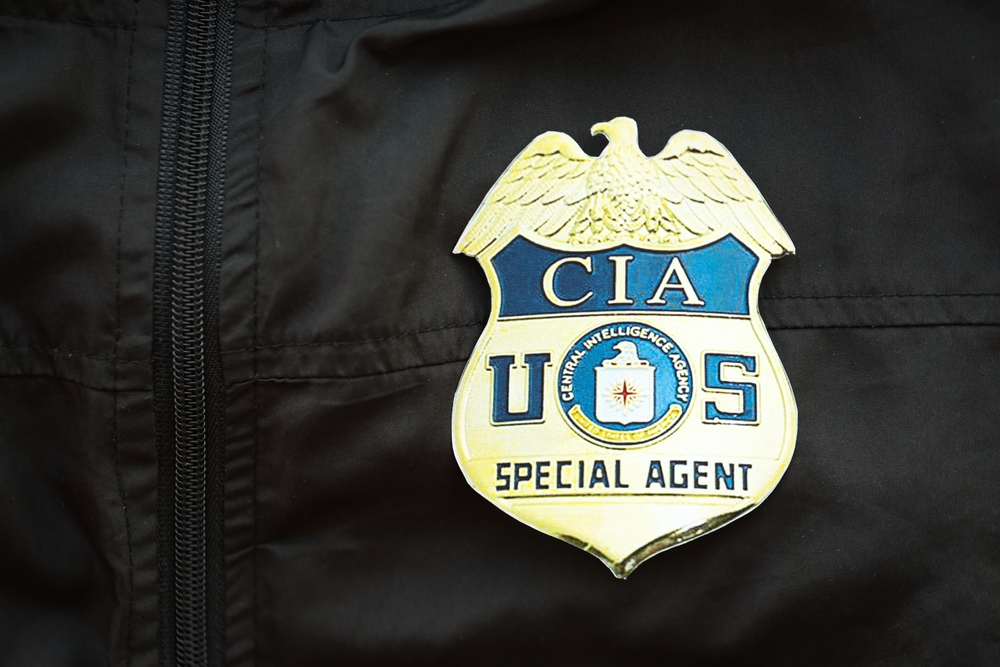

Federal investigators say they uncovered an extraordinary cache at the home of David Rush, a former senior CIA official: 303 gold bars worth roughly $40 million, about $2 million in cash, and 35 luxury watches. Rush, who once held top secret-level clearance, has been charged with theft of public money and is being held in Virginia while the case proceeds.
What Prosecutors Say Happened

According to an FBI affidavit cited by NPR, Rush requested and received large amounts of foreign currency and gold bars between November and March for what were described as work-related expenses. Investigators later found some funds near his office and seized the larger cache from his home during a May 18 search. The affidavit says there is probable cause to believe Rush knowingly converted government property for personal use.
The Alleged Fake Spy Program

The case grew more serious after officials began investigating whether Rush created a fake top secret intelligence program to draw government money into a sham project. NBC News reported that Rush allegedly used the secrecy surrounding “special access programs” to restrict who could ask questions, then involved two CIA colleagues in the supposed project. One colleague allegedly transferred millions into the program through what sources described as a fraudulent government contract.
Why Secrecy May Have Helped The Scheme

Special access programs are designed to limit sensitive information to people with a specific need to know. That structure can protect critical intelligence work, but investigators are now examining whether Rush exploited those controls to discourage scrutiny. Sources told NBC News the fictional program was presented as involving continuity-of-government planning for nuclear war or other extreme emergencies.
False Credentials Added Another Layer

Court filings also allege Rush lied for years about his background. Investigators said he falsely claimed to be a Navy pilot and to have degrees from Clemson University and Rensselaer Polytechnic Institute. Instead, the FBI said Rush enlisted in the Navy in 1997, served in the Navy Reserves from 2004 to 2015, and was honorably discharged as a lieutenant, with no evidence that he attended either university or underwent pilot evaluations.
The Initial Charge Is Narrower Than The Allegations

Although the gold bars and alleged fake program have drawn national attention, Rush was initially charged with one count of theft of public money. NBC News reported that the charge relates partly to accusations that he filed false time sheets by claiming Naval Reserve service. The Guardian reported that FBI filings alleged 744 hours of military leave claimed after his 2015 discharge, representing about $77,000 in compensation. Rush has not entered a plea.
The CIA Faces Questions About Oversight
The case has raised questions about vetting, internal controls, and how intelligence agencies monitor employees with access to classified programs and funds. NBC News reported that several senior CIA officials have been placed on leave amid the investigation. Rush previously worked in the CIA’s Directorate of Science and Technology and served as a liaison to the Defense Department for a sensitive nuclear submarine program.
No Foreign Power Alleged So Far

Despite the intelligence setting, sources told NBC News there is currently no indication Rush was acting on behalf of a foreign government. That distinction matters because the case, as described so far, appears focused on alleged theft, fraud, and abuse of access rather than espionage. The International Spy Museum defines espionage as secretly collecting information, usually through illegal means, for intelligence purposes.
Why The Gold Bars Stand Out

Financial misconduct inside intelligence agencies is not new, but the scale and form of the alleged cache have made the case especially striking. The International Spy Museum notes that money has historically motivated some intelligence betrayals, including CIA officer Aldrich Ames, who received more than $4 million from the Soviets and drew suspicion by living beyond his salary. Rush’s case has not been described as espionage, but the gold bars have intensified scrutiny of how unusual wealth escaped detection.
What The Investigation Must Answer Next

The coming legal proceedings may determine whether prosecutors can connect the seized gold, alleged false credentials, government payments, and reported sham program into a coherent criminal case. Investigators will also need to establish who approved transfers, who knew what, and whether secrecy rules were manipulated to prevent oversight. For the CIA, the larger question is how an employee accused of fabricating parts of his background and controlling tens of millions in assets could remain inside sensitive systems for so long.