Florida Residents Warned to Stay Indoors as Wildfire Smoke Turns Air Dangerous
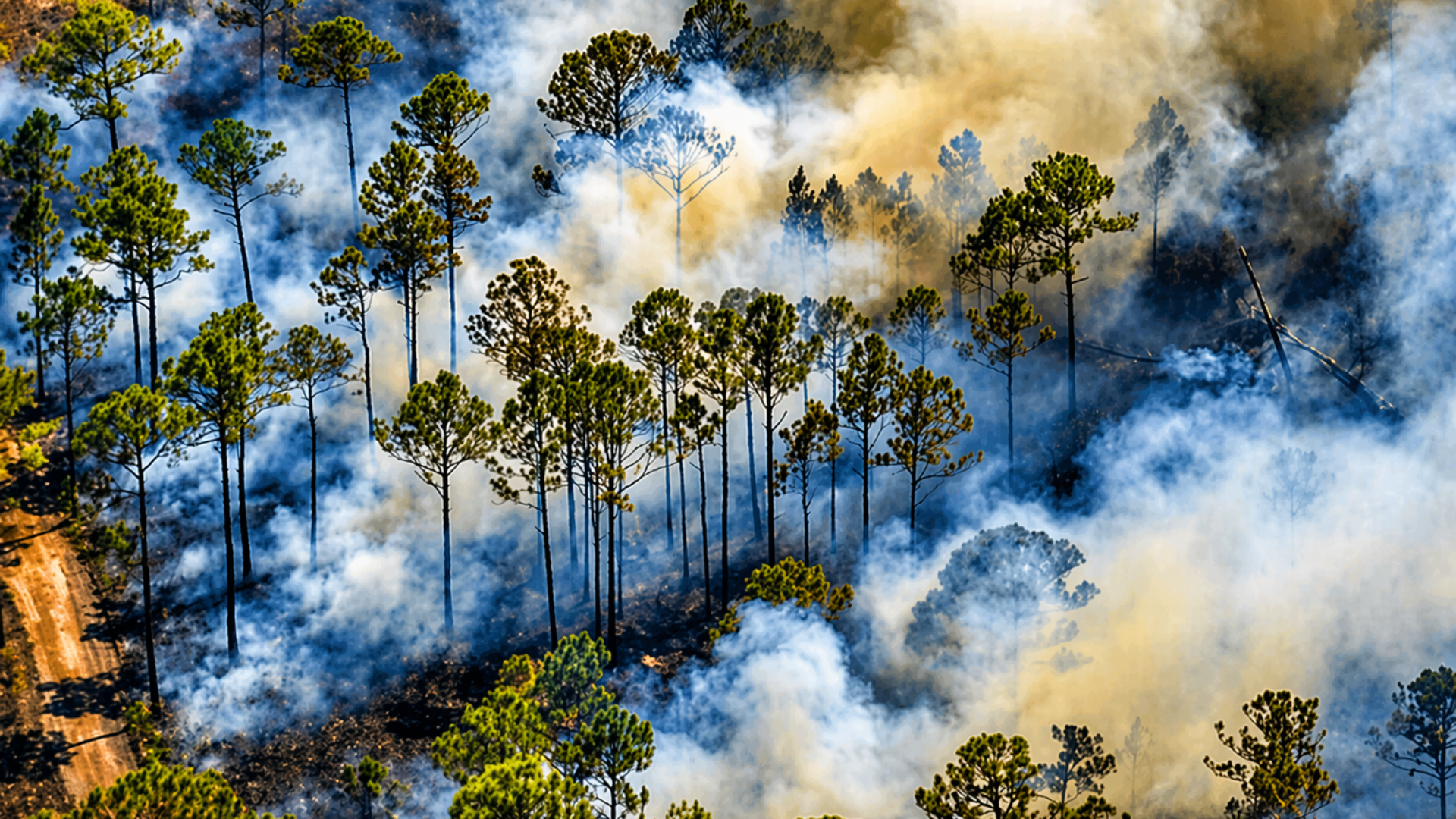

Residents across parts of west-central Florida, including the St. Petersburg area, have been advised to stay inside as wildfires burn across the state and air quality deteriorates to levels the Environmental Protection Agency classifies as “unhealthy for sensitive groups.” The warning comes as two wildfires in northeast Florida merged Monday into a single 3,000-acre blaze now called the Railroad Fire, which has disrupted Amtrak train service, prompted voluntary evacuations in multiple counties, and drawn the Florida National Guard into the firefighting response. The situation is being described by local fire officials as a long-term fight.
The EPA’s AirNow map, which monitors air quality across the United States in near-real time, recorded elevated levels of fine particle pollution known as PM2.5 across affected parts of Florida. The agency has not confirmed the exact cause of the elevated readings in this specific area, but PM2.5 can be generated by wildfire smoke, prescribed burning, vehicle emissions, industrial sources, and dust from construction or unpaved roads. Wildfire smoke is capable of traveling hundreds to thousands of miles from its source, degrading air quality in locations that never see flames or smell smoke at ground level.
On Monday, Alachua County in north-central Florida declared a local state of emergency in response to multiple active wildfires burning across the county that had not yet been contained. The declaration gives county officials the authority to respond more quickly to developing conditions, issue evacuation orders, open emergency shelters, and expedite financial and contractual decisions related to the wildfire response. The county said the declaration would allow it to “respond more efficiently as conditions develop.” The combination of active fires, poor air quality, and a drought gripping the state has created conditions that officials say could persist for days or weeks.
The Railroad Fire: How Two Blazes Became One and What Authorities Are Doing
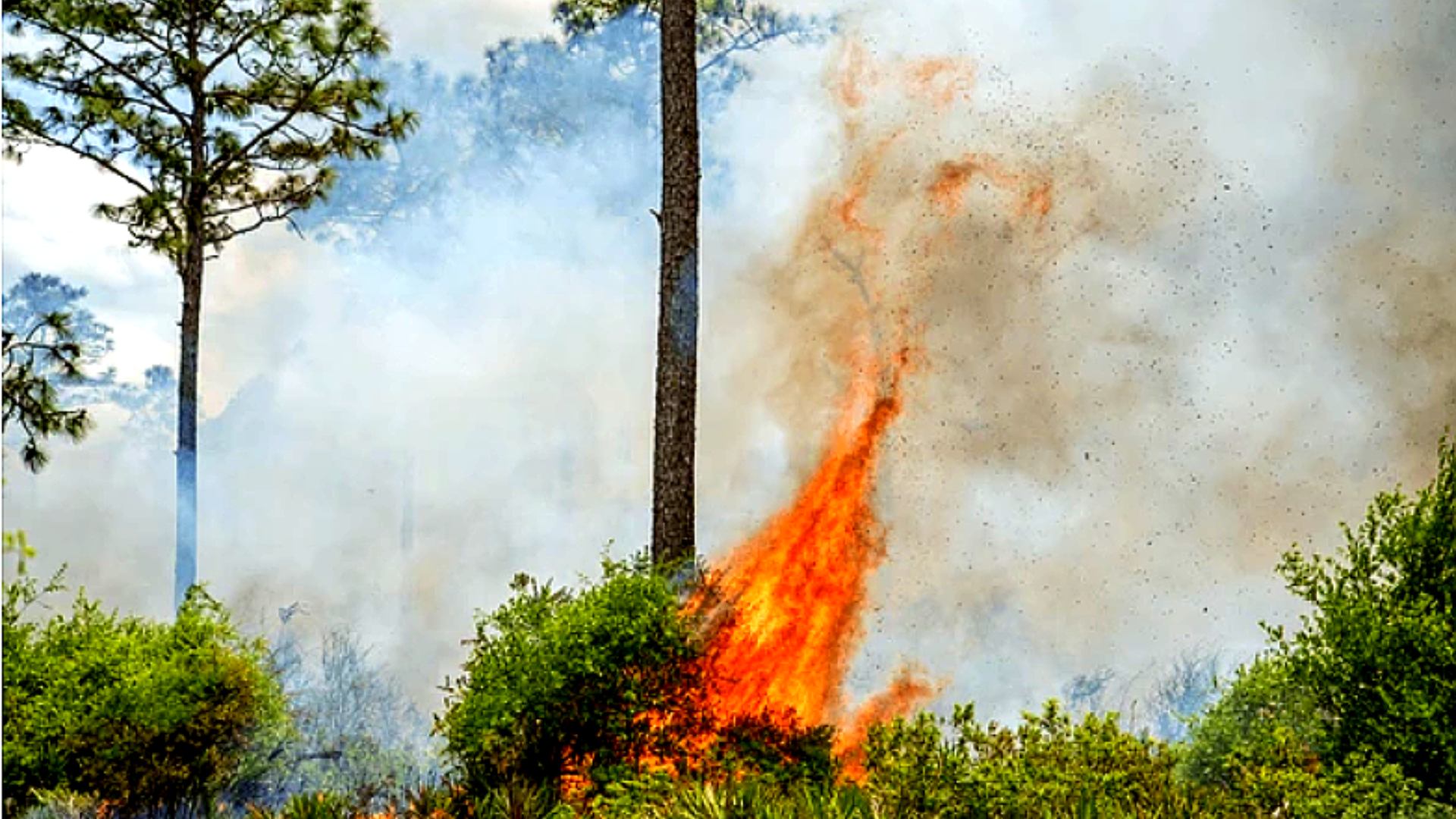
The Railroad Fire formed when two separate wildfires burning along the eastern border of Putnam and Clay counties, south of Jacksonville, merged into a single blaze on Monday. The Florida Forest Service confirmed the merger, and as of the latest update the fire had grown to 3,000 acres and was 10 percent contained. Authorities said they were not aware of any structures damaged at the time of reporting, though difficult conditions in some areas had made a full damage assessment impossible to complete.
Clay County Fire Rescue Chief Mock described the scope of what firefighters are facing in direct terms, telling Action News Jax that “this is a long-term fight,” with extensive fire conditions expected “for days and potentially weeks ahead.” The Florida National Guard has been called in to assist, with its aviation unit set to join the firefighting effort Tuesday alongside additional engines and tankers requested through mutual aid agreements. Voluntary evacuation orders have been issued for residents on several roads in both Clay and Putnam counties, with those leaving Putnam County directed to the Bostwick Community Center at 125 Tillman Street in Palatka.
For residents looking to help those displaced by the fire, the Clay County Fairgrounds is accepting donations beginning Tuesday from 7 a.m. to 7 p.m. in front of Exhibit Hall 2. Accepted items include meals, prepackaged food, and closed water bottles. The organized donation point reflects the scale of the community displacement already underway, and the timeline suggested by fire officials means the need for support is likely to continue well past the initial days of the response. The 10 percent containment figure as of Monday indicates the fire remains largely uncontrolled.
Amtrak Disruptions and the Reach of the Fire Beyond the Fireground
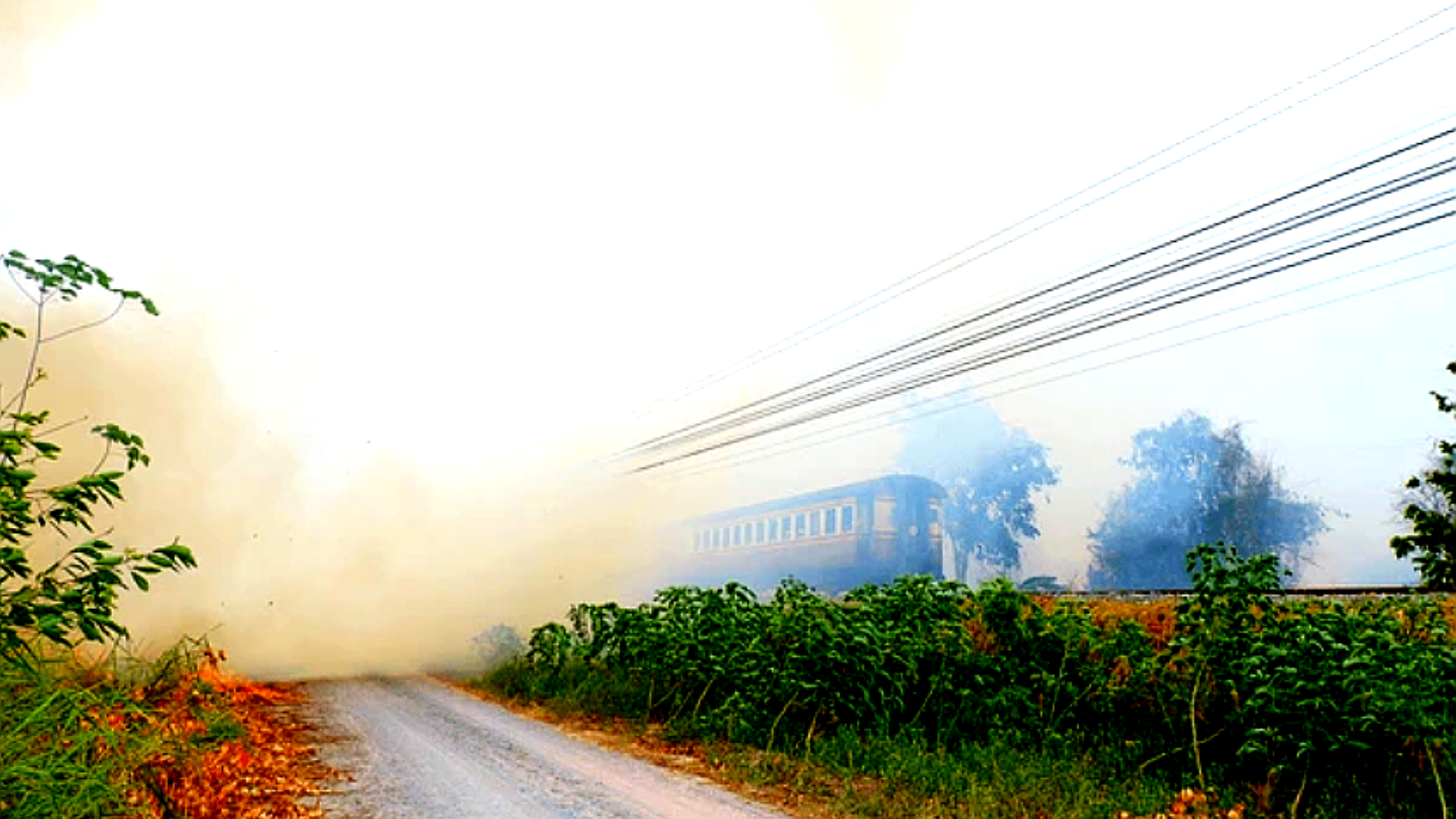
The Railroad Fire’s impact has extended well beyond the counties where it is burning. Amtrak confirmed Monday that wildfire conditions in northeast Florida forced significant changes to train service affecting passengers across a wide corridor from Florida to the mid-Atlantic and Midwest. The auto train service between Sanford, Florida, near Orlando, and Lorton, Virginia, outside Washington, D.C., was canceled for Monday entirely. Amtrak was providing bus service between Jacksonville and Miami for passengers affected by the route changes on both the Silver Meteor and Floridian services.
The Silver Meteor route, which runs between Miami and New York, was rerouted to begin and end in Jacksonville rather than South Florida, with one of its two daily Tuesday trips canceled. The Floridian route, running from Miami to Chicago via Washington, was starting and ending in Savannah, Georgia, with one of its two Tuesday trips also canceled. For travelers who had planned journeys along these corridors, the disruptions translated into missed connections, extended travel times, and the logistical complications of switching from rail to bus service mid-journey. The cancellations demonstrate how a wildfire in a relatively contained geographic area can produce cascading transportation disruptions across multiple states.
The broader transportation and public health implications of the Florida wildfires are a reminder that wildfire emergencies are rarely contained to the land they burn. Air quality degradation spreads with wind patterns. Train routes depend on tracks that run through fire-affected terrain. Evacuation orders move people across county lines, creating shelter and resource demands in communities that were not directly threatened by flames. The Railroad Fire is still largely uncontrolled, the drought driving conditions across Florida has not eased, and fire officials have said explicitly that the situation is expected to last for an extended period.
What PM2.5 Means for Your Health and What Residents Should Do Right Now
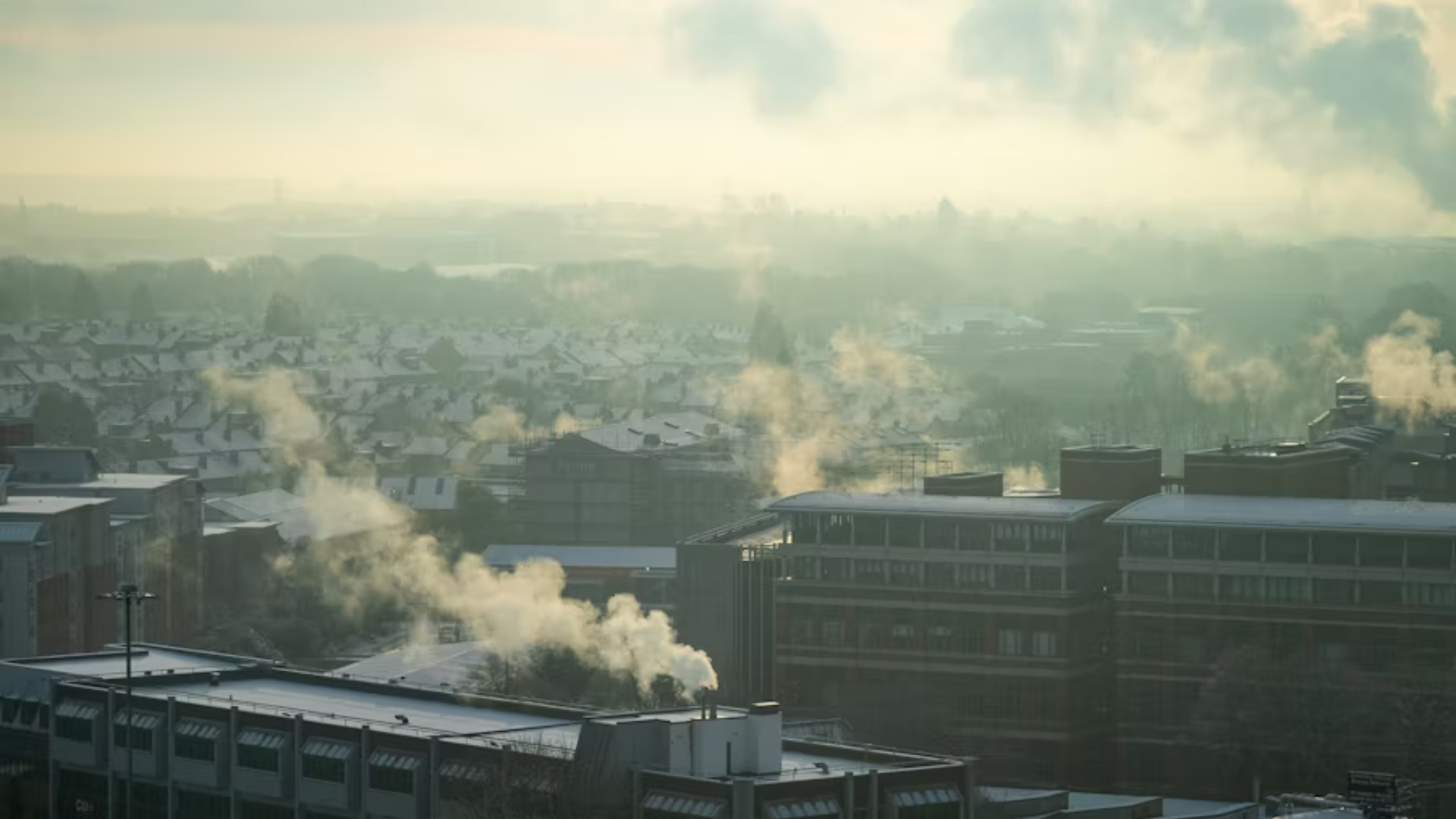
The EPA classifies PM2.5 as one of the most dangerous forms of air pollution specifically because of its size. At less than 2.5 micrometers, these particles are smaller than the width of a single human hair, which means they can be inhaled without a person realizing it. Once inside the body, they travel deep into the lungs and enter the bloodstream. For people with existing heart or lung conditions such as asthma, the elderly, young children, and outdoor workers, exposure to elevated PM2.5 levels can worsen existing conditions and trigger symptoms including coughing, eye and throat irritation, chest tightness, and shortness of breath.
The EPA’s guidance for people in sensitive groups is specific and immediate. Reduce the intensity and duration of all outdoor activities. Monitor local forecasts and AirNow updates, since air quality can change rapidly. Keep windows and doors shut to prevent outdoor air from entering the home. Avoid burning candles, incense, or using indoor fireplaces. Use air purifiers or filters if available to maintain cleaner indoor air circulation. People not in sensitive groups are considered less likely to be directly affected, but can help improve overall air quality by avoiding any burning, staying off dirt roads, reducing vehicle trips, carpooling, or working from home if possible.
The combination of an ongoing drought, active wildfires across multiple Florida counties, a 3,000-acre uncontrolled blaze with weeks of difficult conditions forecast ahead, and air quality warnings covering parts of a densely populated metropolitan area represents a serious and developing public health situation. Residents in affected areas should not wait for conditions to worsen before taking precautions. The EPA’s AirNow map is publicly accessible and updated in near-real time, making it the most reliable tool available for tracking how conditions change hour by hour. For Florida residents this week, checking it regularly is not overcaution. It is the minimum reasonable step.