This article was created with the assistance of AI and reviewed by our editorial team for accuracy and clarity.
Flight Attendants Want You to Wipe Down These Spots Before You Settle Into Your Seat

Published September 1, 2026
You’ve wrestled your bag into the overhead bin, squeezed into your row and finally reached the point where vacation can begin. Before the headphones go on and the snacks come out, however, it may be worth spending a few seconds on your immediate surroundings. Airplane seats contain plenty of surfaces that pass through countless hands, and some are easier to overlook than others. The good news is that you don’t need to sanitize everything in sight. A small packet of disinfecting wipes and a little attention to what you’ll actually touch can go a long way.
Start With a 30-Second Seat Check
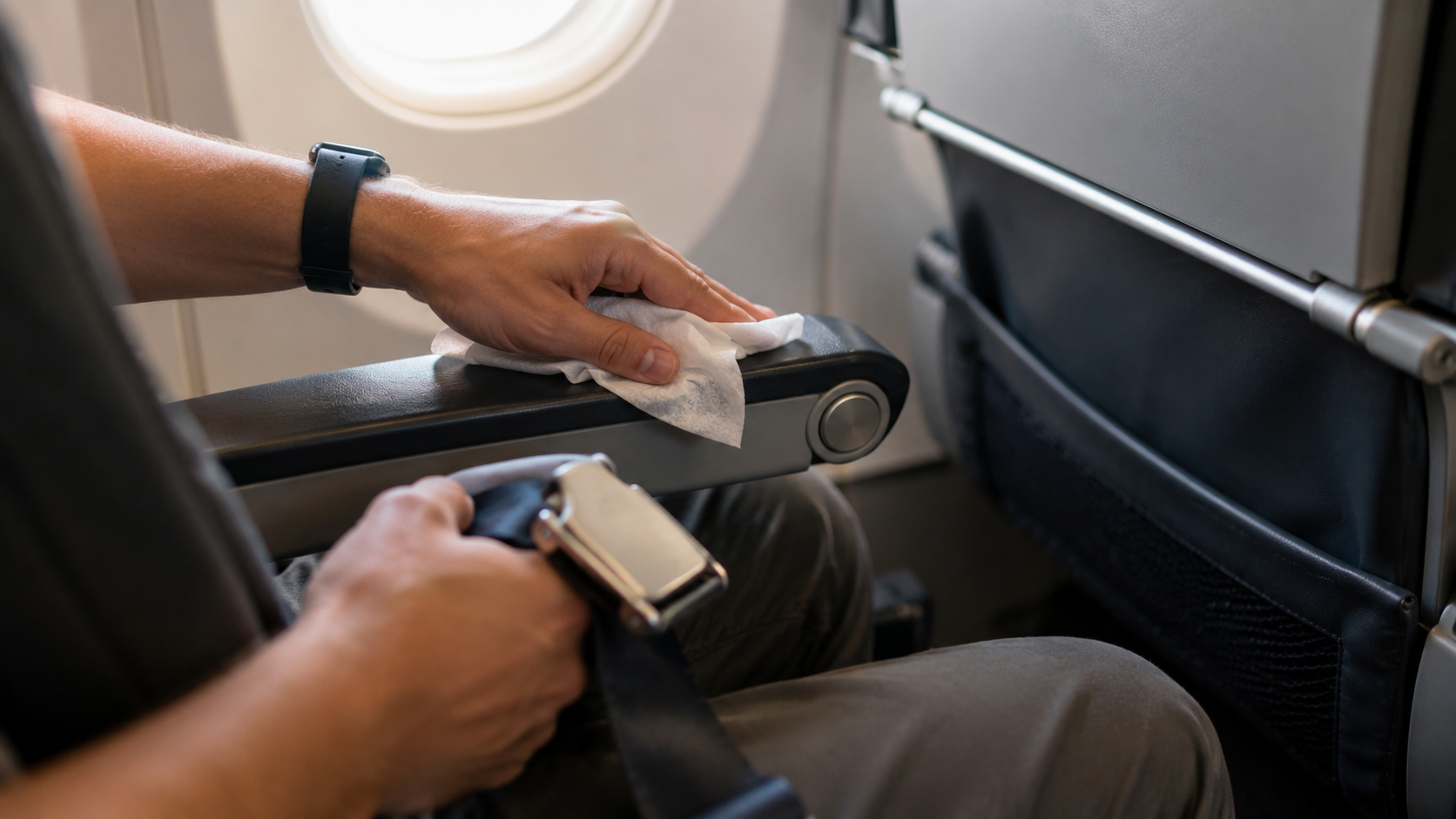
Once you’re seated, think about which hard surfaces your hands will repeatedly encounter. The tray table, armrests and seatbelt buckle are obvious starting points, while the entertainment screen, window-shade handle and air-vent controls may also get plenty of use during a long flight. Wiping these areas at the beginning means you don’t have to think much about them afterward. Just remember that disinfectants aren’t instant: follow the product’s directions, including instructions for how long a surface should remain wet, rather than giving everything a quick swipe and assuming the job is done.
Pay Particular Attention to the Tray Table
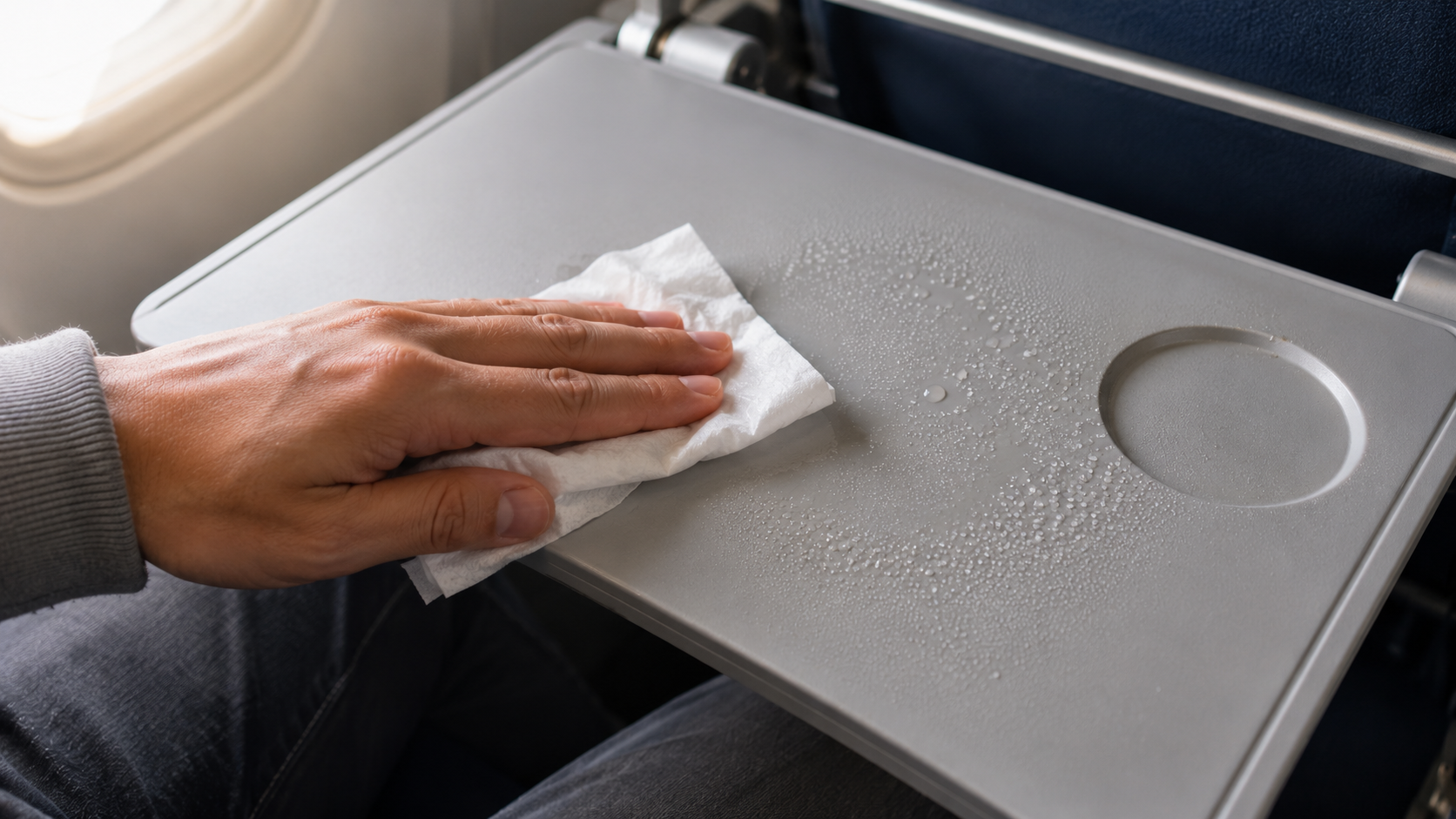
If you’re going to prioritize one surface, make it the little table that may soon hold your coffee, phone, laptop and lunch. Flight attendants have repeatedly flagged tray tables as an area worth cleaning before use. A 2015 Travelmath analysis cited by Travel + Leisure found nearly eight times more bacteria per square inch on tray tables than on overhead air-vent buttons, the second-dirtiest surface in its sampling. That doesn’t mean your particular table is crawling with dangerous germs, but wiping it before putting food on it is a simple precaution with an obvious practical benefit.
Treat the Seatback Pocket as a No-Storage Zone
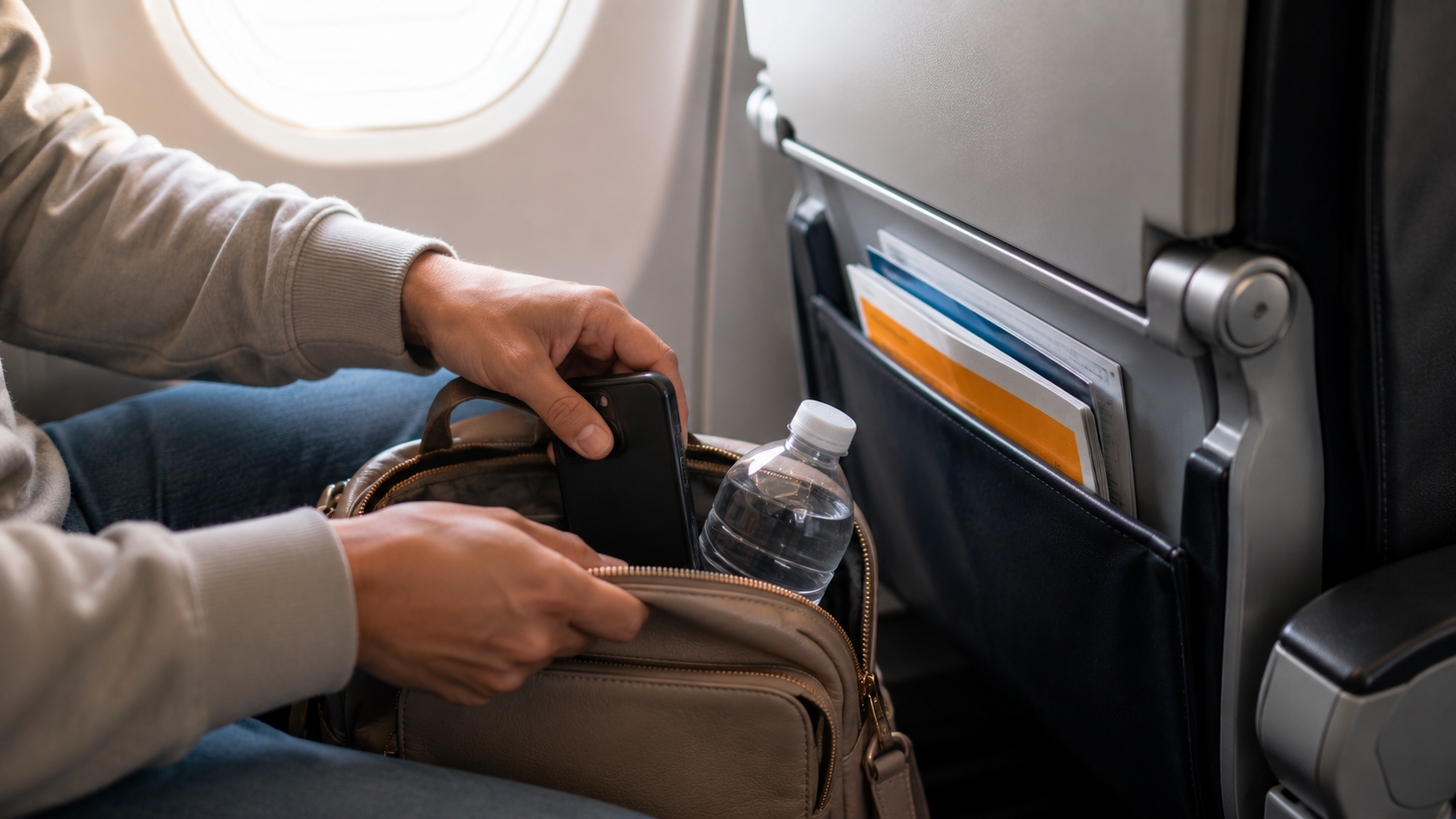
That pocket directly in front of your knees looks like the perfect place for a phone, water bottle or book. You may be better off keeping those belongings in your own bag. Flight attendants have described finding used tissues, half-eaten food, socks and other discarded items inside seatback pockets, while a 2018 CBC investigation that collected more than 100 samples from 18 flights detected aerobic bacteria, mold, coliforms and E. coli in pocket samples. Instead of trying to clean a fabric pocket yourself, keep the things you’ll need in an easily accessible section of your carry-on.
Watch the Things You Touch Without Thinking
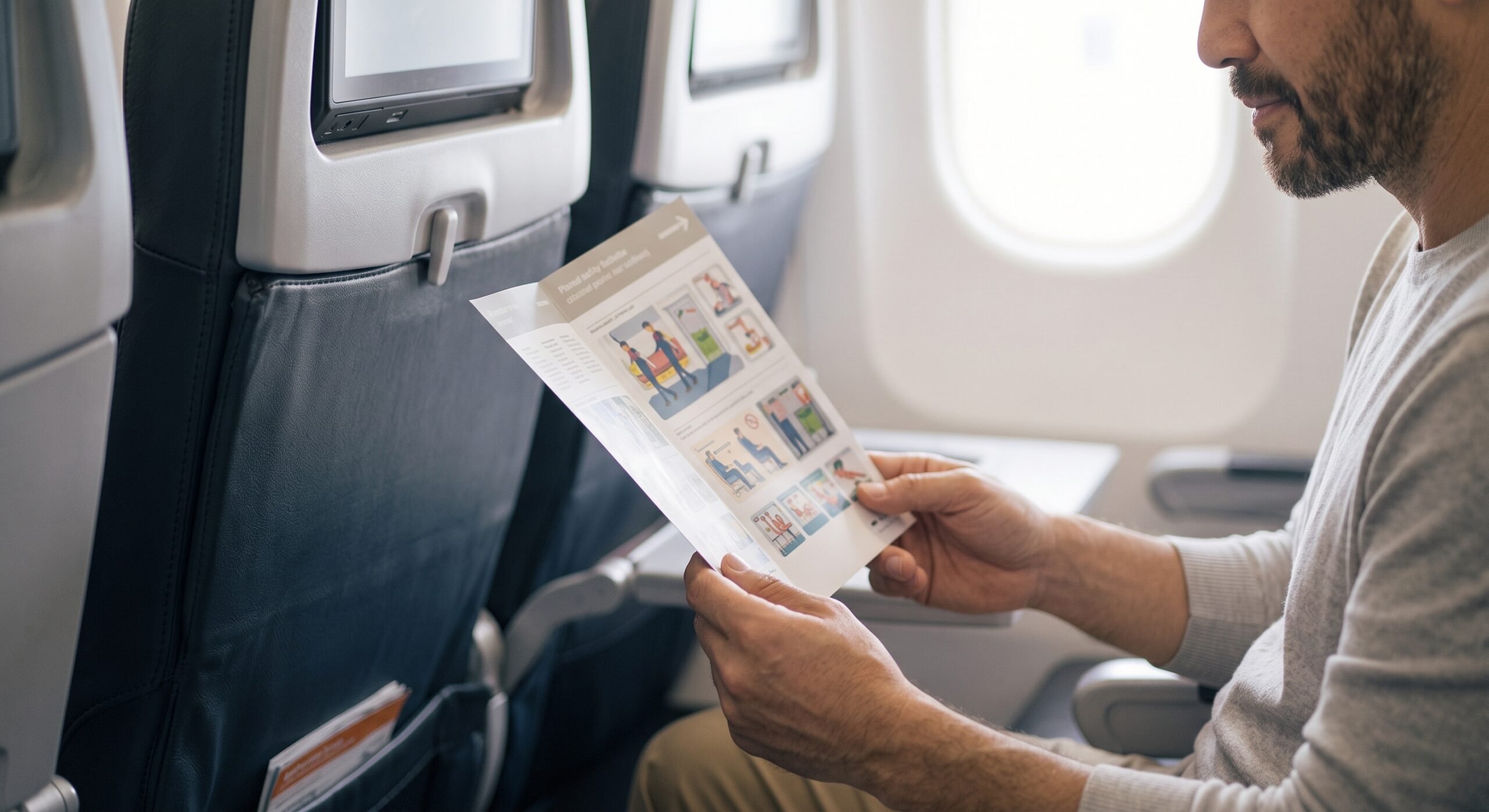
Not every questionable surface is large enough to catch your attention. The safety card, for example, passes through passengers’ hands but may not receive the same routine wiping as some hard surfaces. Flight attendant and travel blogger Josephine Remo specifically identified safety instruction cards as an overlooked area. Read the card, of course, but remember what you’ve handled before reaching for a pretzel or rubbing your eyes. The same principle applies to screens, buttons and controls around the seat: you don’t have to fear touching them, but cleaning your hands before eating makes sense.
Your Hands Were Busy Before You Even Sat Down
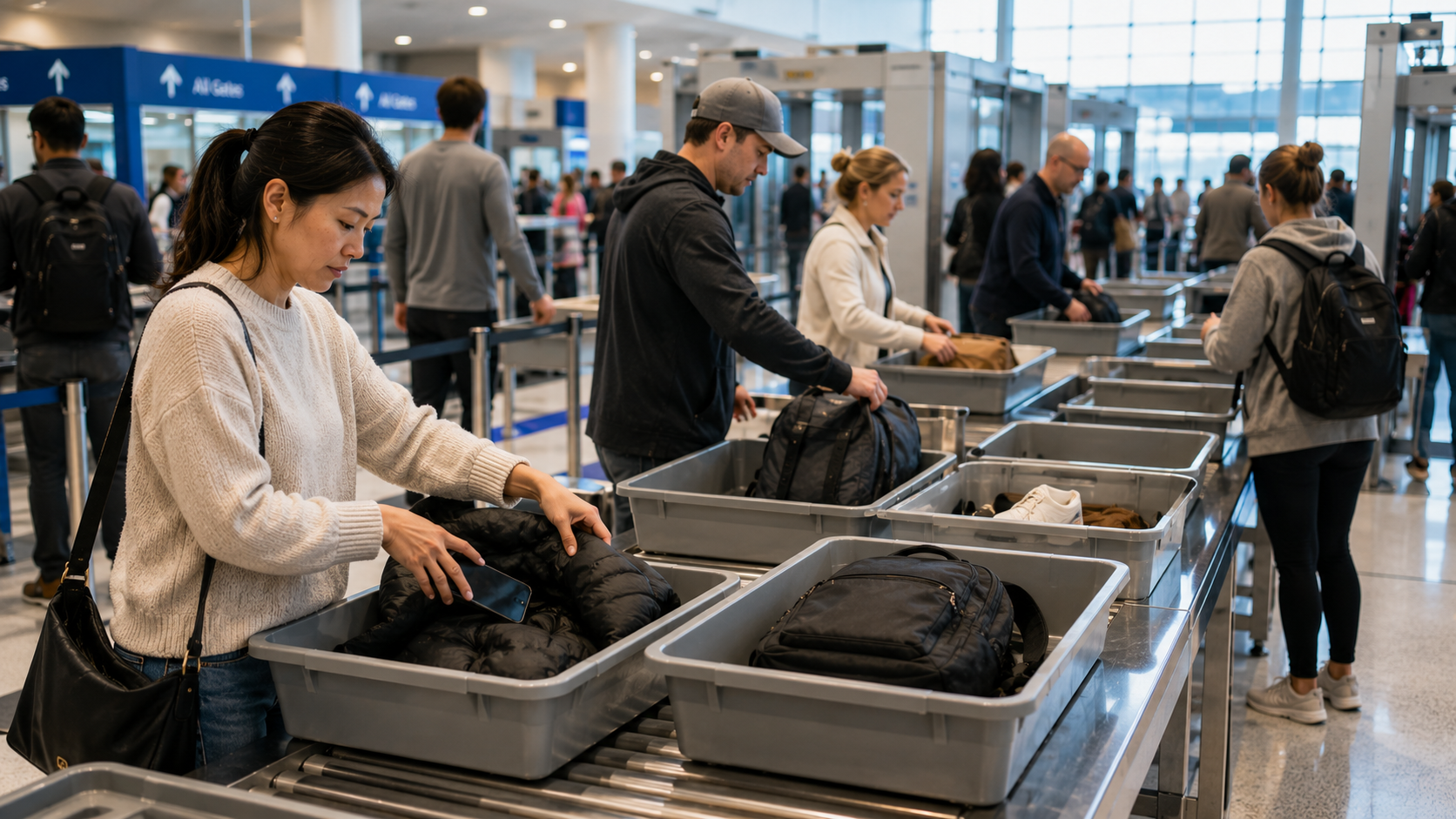
Your seat isn’t the beginning of the journey through shared surfaces. You may already have used a check-in kiosk, handled security bins and opened an overhead compartment before fastening your seatbelt. Flight attendants have singled out overhead bins because many passengers touch them, while broader travel guidance recommends cleaning your hands after contact with heavily used public surfaces. Trying to disinfect every object you encounter isn’t realistic. A better habit is recognizing moments when your hands have been particularly busy, then using sanitizer before you eat or touch your face.
In the Lavatory, Think Beyond the Toilet
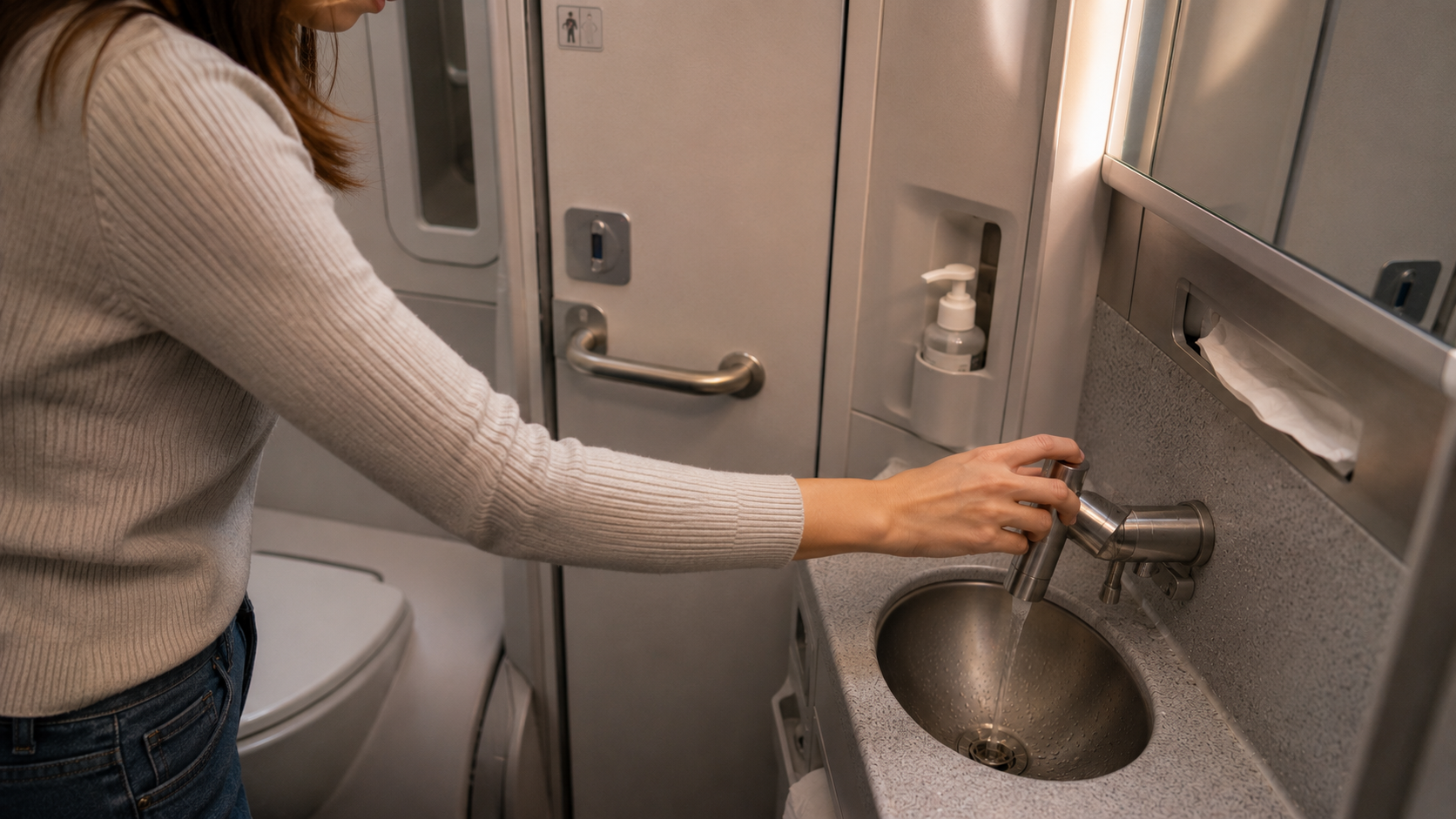
Most travelers don’t need reminding that a shared airplane bathroom warrants good hygiene, but some of its smallest touchpoints are easy to forget. Door handles, locks, flush controls and faucets all pass through many hands. Remo has specifically cautioned about lavatory locks and door handles, and separate aircraft sampling cited by Travel + Leisure found the lavatory sink handle was the grimiest surface tested. Rather than attempting to wipe down the entire room, wash your hands thoroughly and consider what you touch on your way back out.
Don’t Turn Your Seat Into a Cleaning Project
There is a point where wiping becomes unnecessary or even counterproductive. Upholstered seats aren’t good candidates for disinfecting wipes, which can simply leave fabric wet without effectively sanitizing it, and some airlines may discourage particular products that could damage seat materials. Concentrate instead on nonporous, high-touch surfaces and check with the airline if you’re unsure what can safely be cleaned. Sitting on a surface that hasn’t been disinfected is also different from transferring microbes from your hands to your eyes, nose or mouth, which is why hand hygiene deserves more attention than trying to sterilize the seat itself.
Clean Hands Are the Habit That Travels With You
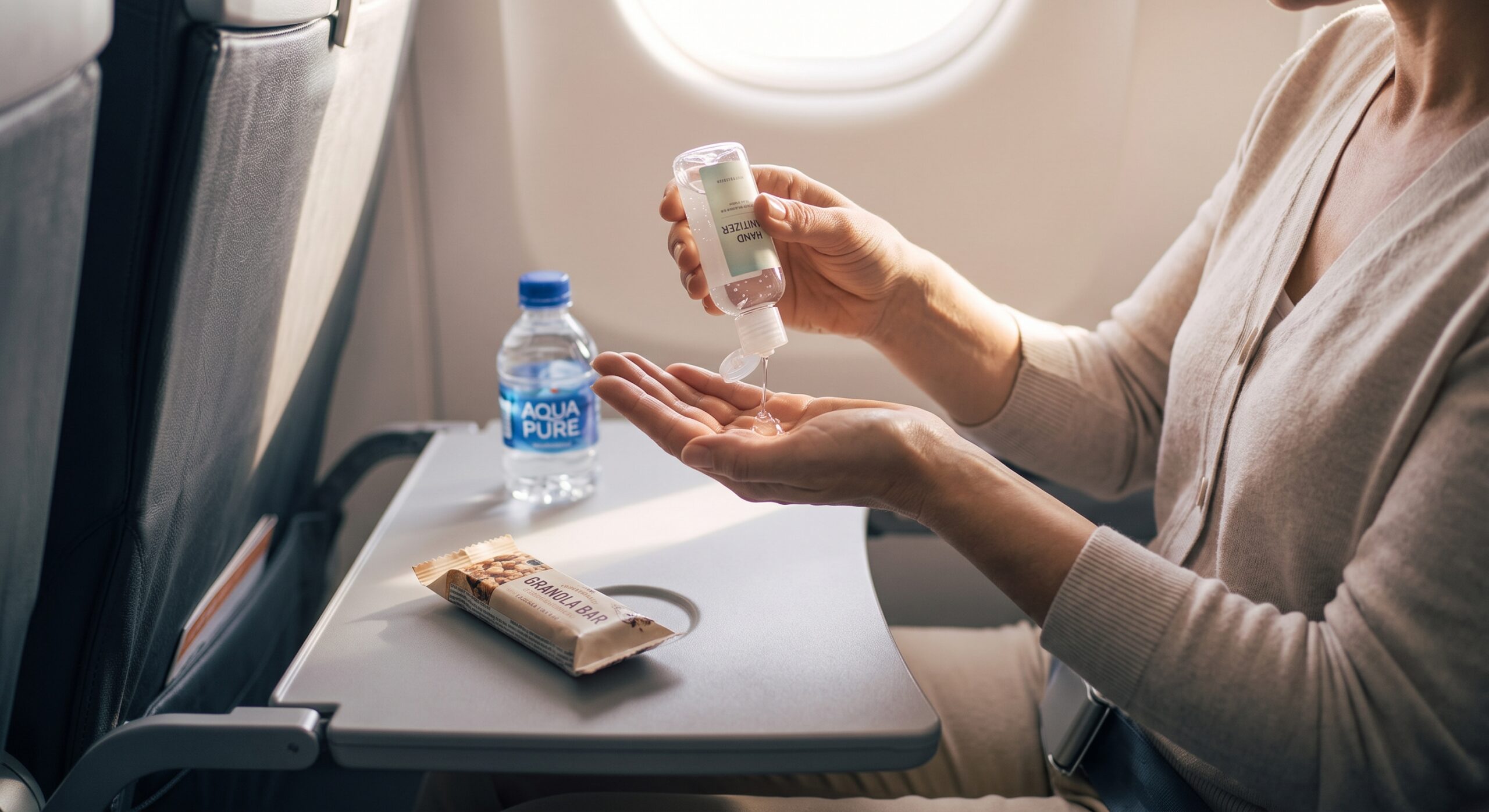
Even the most meticulous preflight wipe-down only covers your immediate seat. During the next few hours, you may touch bathroom doors, overhead bins, screens and other shared surfaces all over again. Keeping hand sanitizer nearby is therefore more practical than repeatedly cleaning everything around you. AAA recommends sanitizer containing at least 60% alcohol when soap and water aren’t available, along with avoiding unnecessary touching of the eyes, nose and mouth. Cleaning your hands before eating is particularly useful because it interrupts the journey from shared surface to fingers to food.
Make It a Routine, Not a Reason to Worry
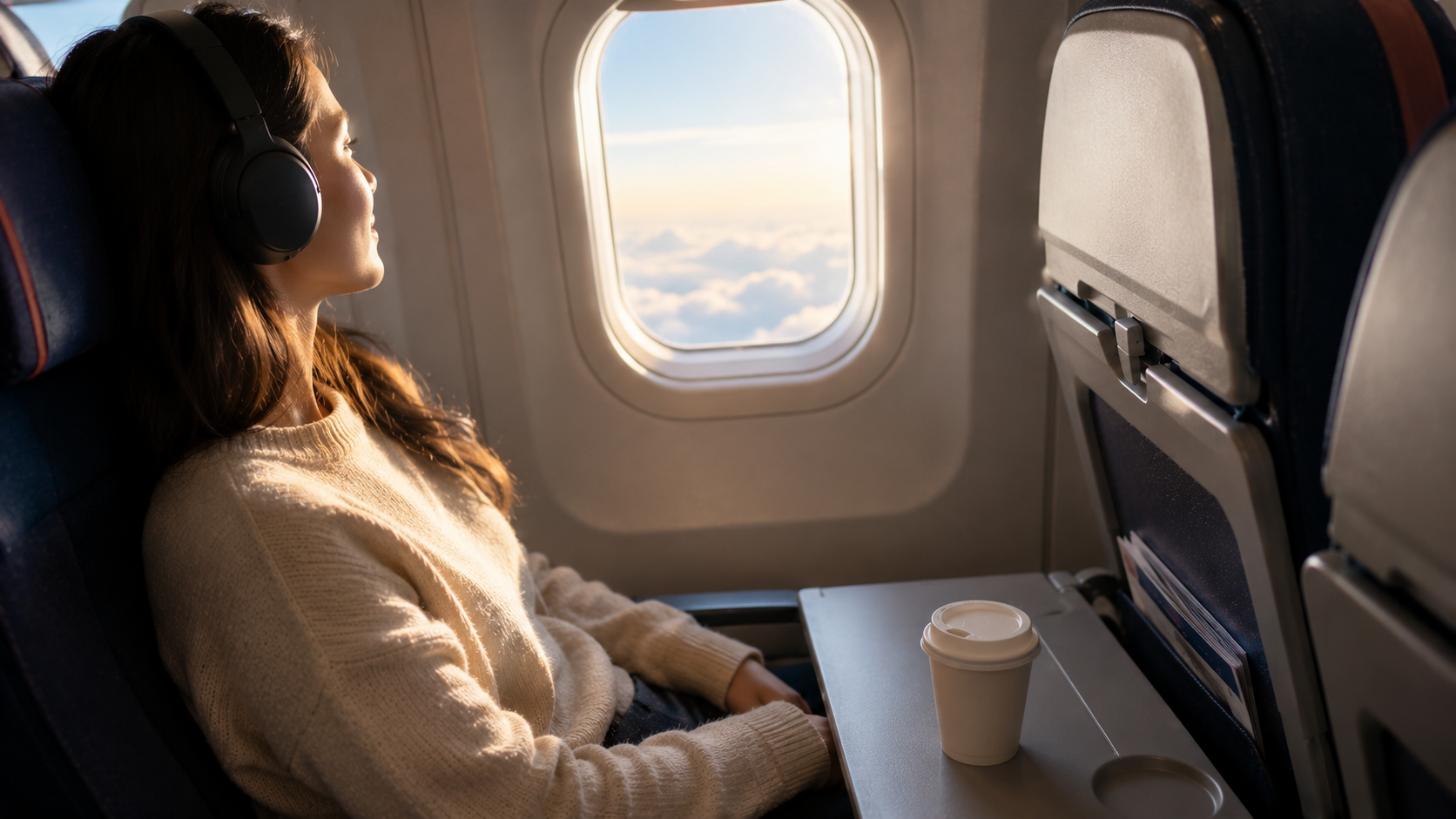
Flying will always involve sharing spaces and surfaces with strangers, and trying to eliminate every germ would make for a miserable start to any trip. A more realistic routine takes less effort: stow your luggage, wipe the hard surfaces you’ll use most, keep personal items out of the seatback pocket and clean your hands before eating. Once those small tasks become as automatic as fastening your seatbelt or switching your phone to airplane mode, there is little reason to keep thinking about them. Then the tray table can come down, the headphones can go on and the trip can actually begin.