Flickering Lights and Strange Noises? Your House Might Be Warning You About More Than Ghosts

A door swings shut in an empty hallway and the hair on your arms stands up. Angi surveyed 1,000 American homeowners through Pollfish on September 9, 2024, and 60 percent said they suspect their house might be haunted. The home maintenance experts who get called out point to drafts, thin insulation, loose connections, and animals instead.
More than 65 percent reported experiencing something at home they couldn’t explain, from noises in the walls to lights flickering on their own. Most of the fixes cost less than an exorcism, though not always much less. The slamming door is the place to start, and it has to do with where your heating money goes.
This article was created with the assistance of AI and reviewed by our editorial team for accuracy and clarity.
Doors that slam shut are chasing a draft
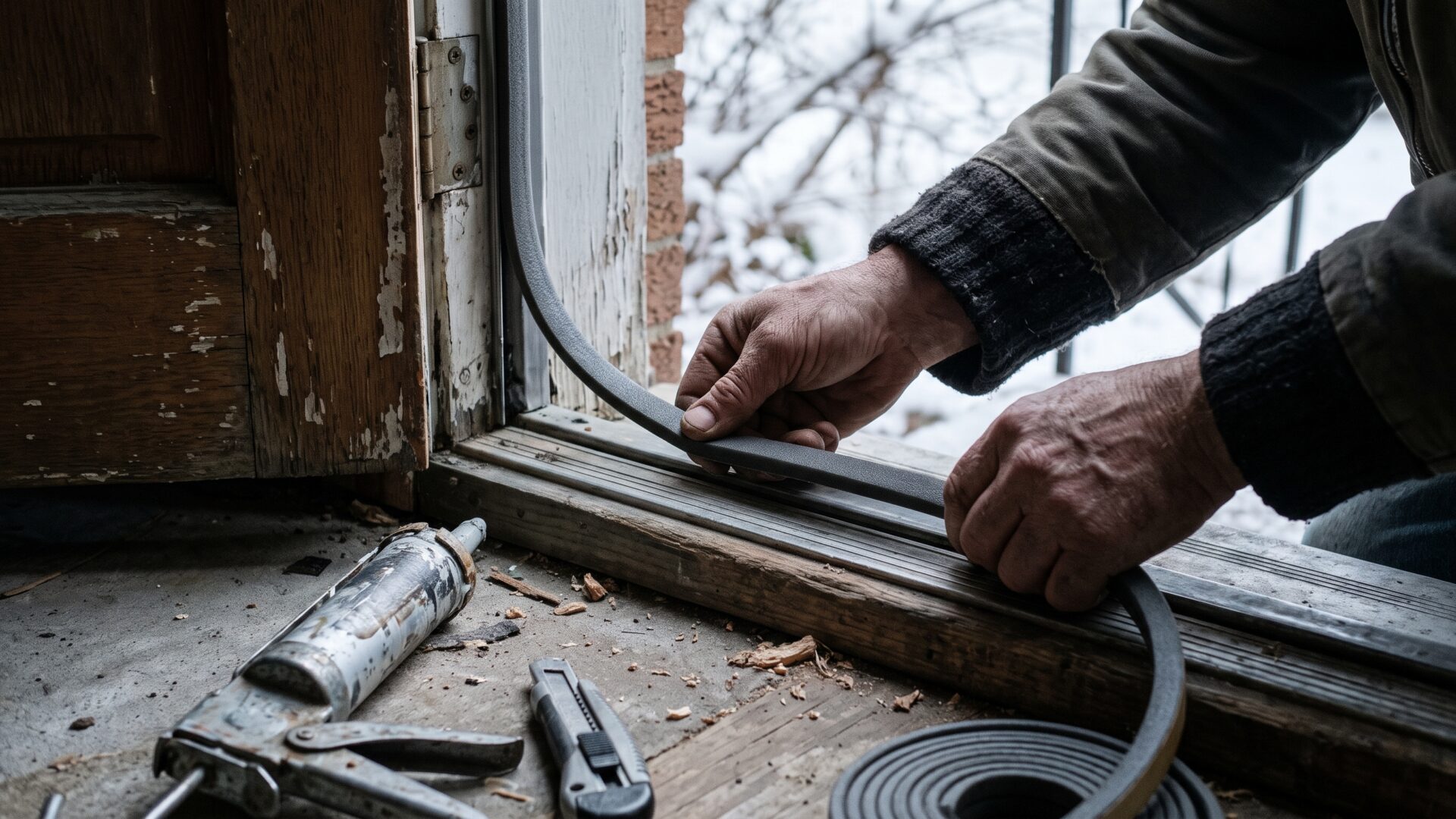
Air leaks do the pushing. Kat Garside, a sustainability expert at the Cleveland energy brokerage Integrity Energy, says slamming doors usually trace back to air leaks, gaps, or cracks around a home’s windows and doors, and a draft like that is enough to move a door on its hinges.
Garside says roughly 30 percent of the energy homes use is wasted through building inefficiencies like those leaks. The repair is unglamorous and cheap: weatherstripping, caulk, joint compound, or expanding foam, applied at the gaps where you can feel air moving. Those same gaps feed the corner of the house nobody wants to walk into after dark.
Cold spots point to insulation, not a presence
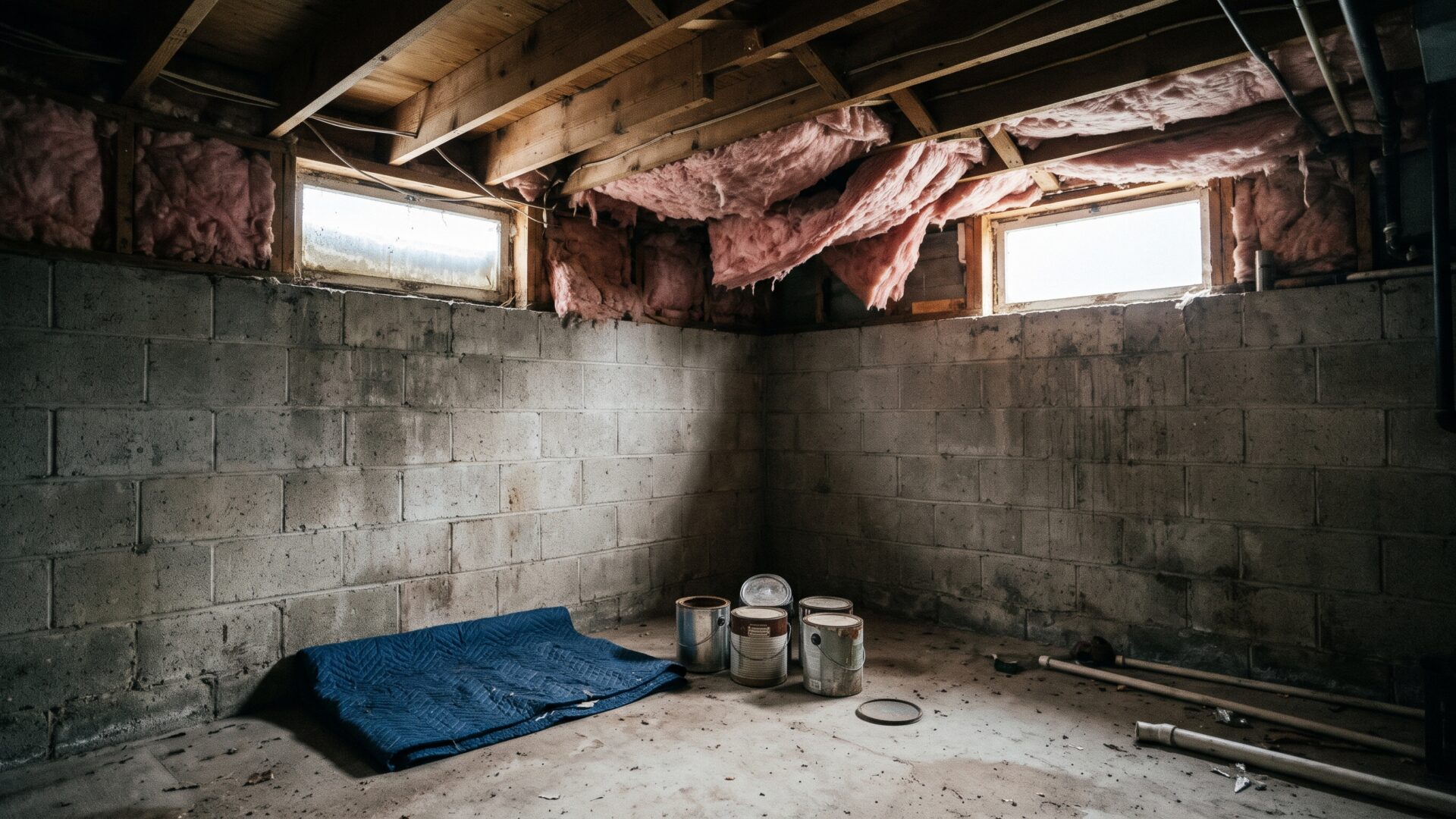
That corner is usually the basement or the attic. Both tend to be the least insulated spaces in a house, Garside says, especially in older construction, which is why the cold spot that feels supernatural sits in the creepiest part of the building. Nearly 20 percent of the homeowners Angi surveyed said they are afraid of specific areas at home, basements and attics among them.
Ductwork adds to it. ENERGY STAR estimates that in a typical house, 20 to 30 percent of the air moving through the duct system is lost to leaks, holes, and poor connections, so some rooms never warm up. Garside suggests asking your utility or energy supplier about an energy audit. The first time the furnace runs in the fall, the house produces a smell.
The burnt dust smell of the first cold morning
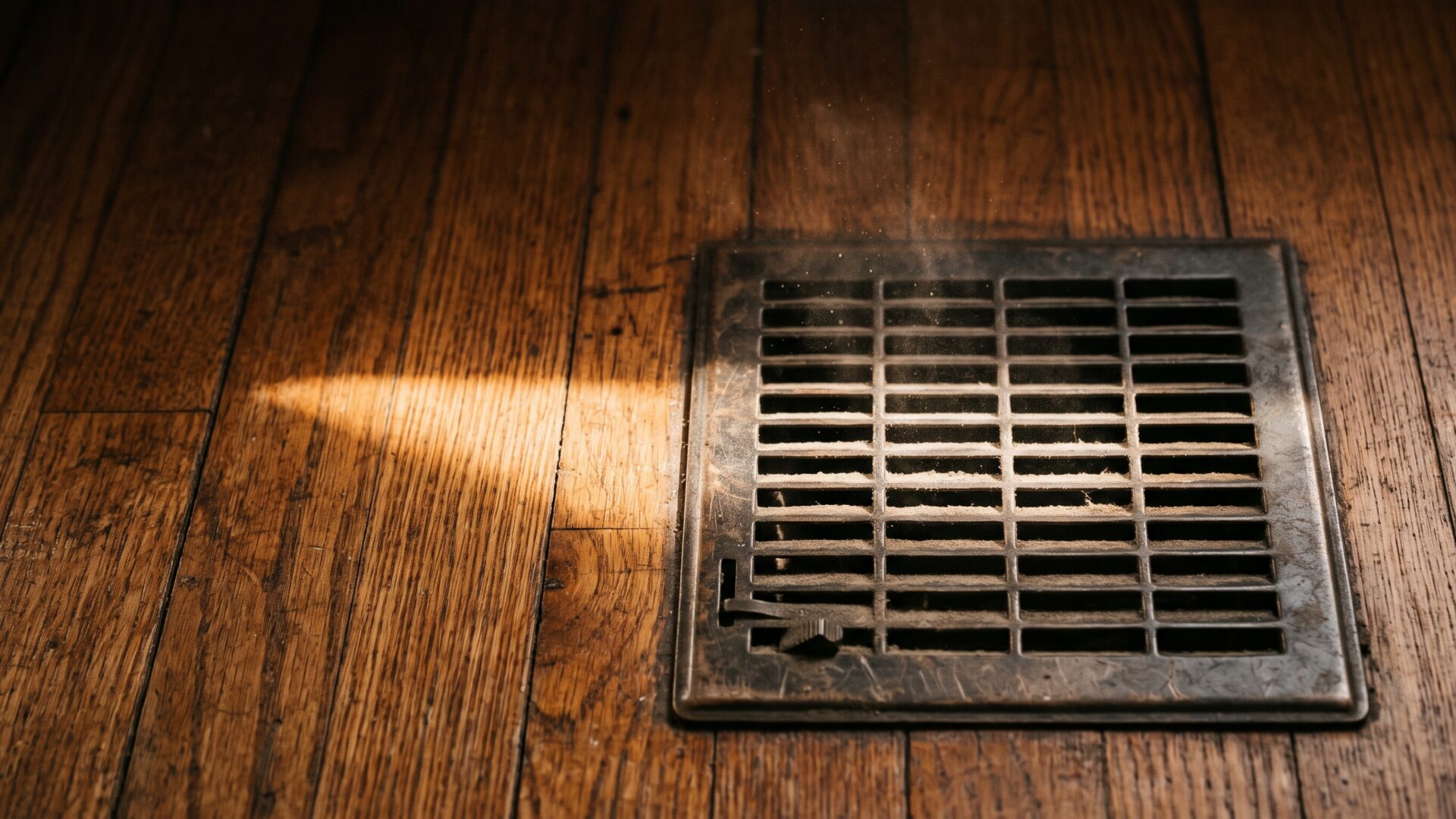
It shows up on the first cold morning: a faintly burnt, dusty smell that drifts from the vents once the furnace kicks on. Garside says that is dust which settled on the heating elements over the warm months, when the system sat unused, now cooking off as those elements heat up again.
Nothing needs fixing. She says it burns itself out within a couple of heating cycles and doesn’t signal a problem, so the smell is gone long before the furnace has earned its keep for the season. If what you smell is musty rather than dusty, though, nothing is burning off.
A musty smell points to mold in the HVAC
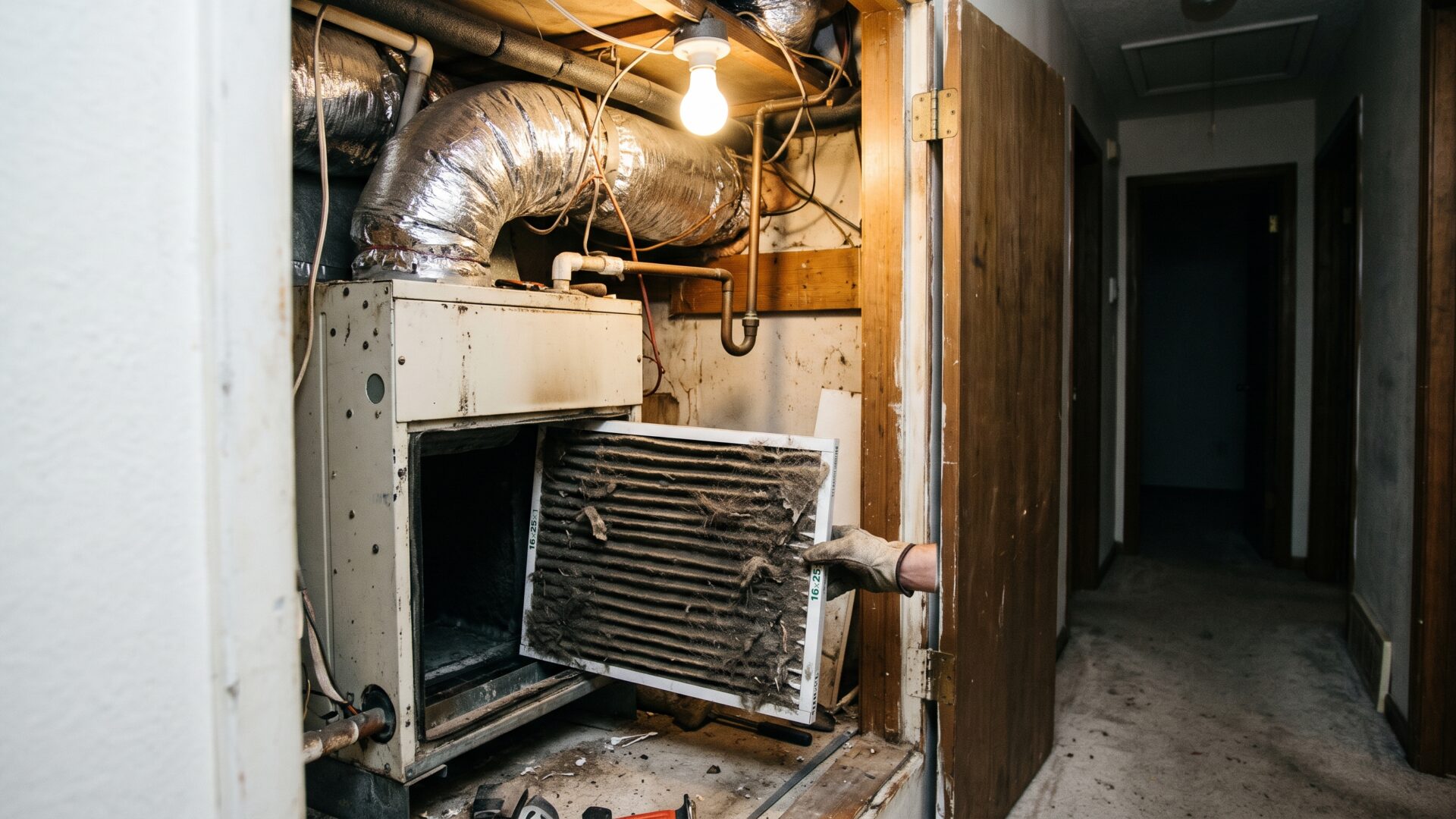
Garside says an HVAC system that hasn’t been cleaned or maintained will build up mold and mildew, and the registers are where you notice it. Damp coils and dark duct runs make good homes for it.
The problem is the delivery system. Garside calls it a dangerous health hazard that gets circulated through the vents and can cause respiratory issues, which is why this one warrants a professional rather than a weekend. Keeping up with filter changes cuts down how much moves through the house. One furnace fault gives off no smell at all. A doctor wrote up what it did to one family in 1921.
A 1921 haunting traced to a broken furnace
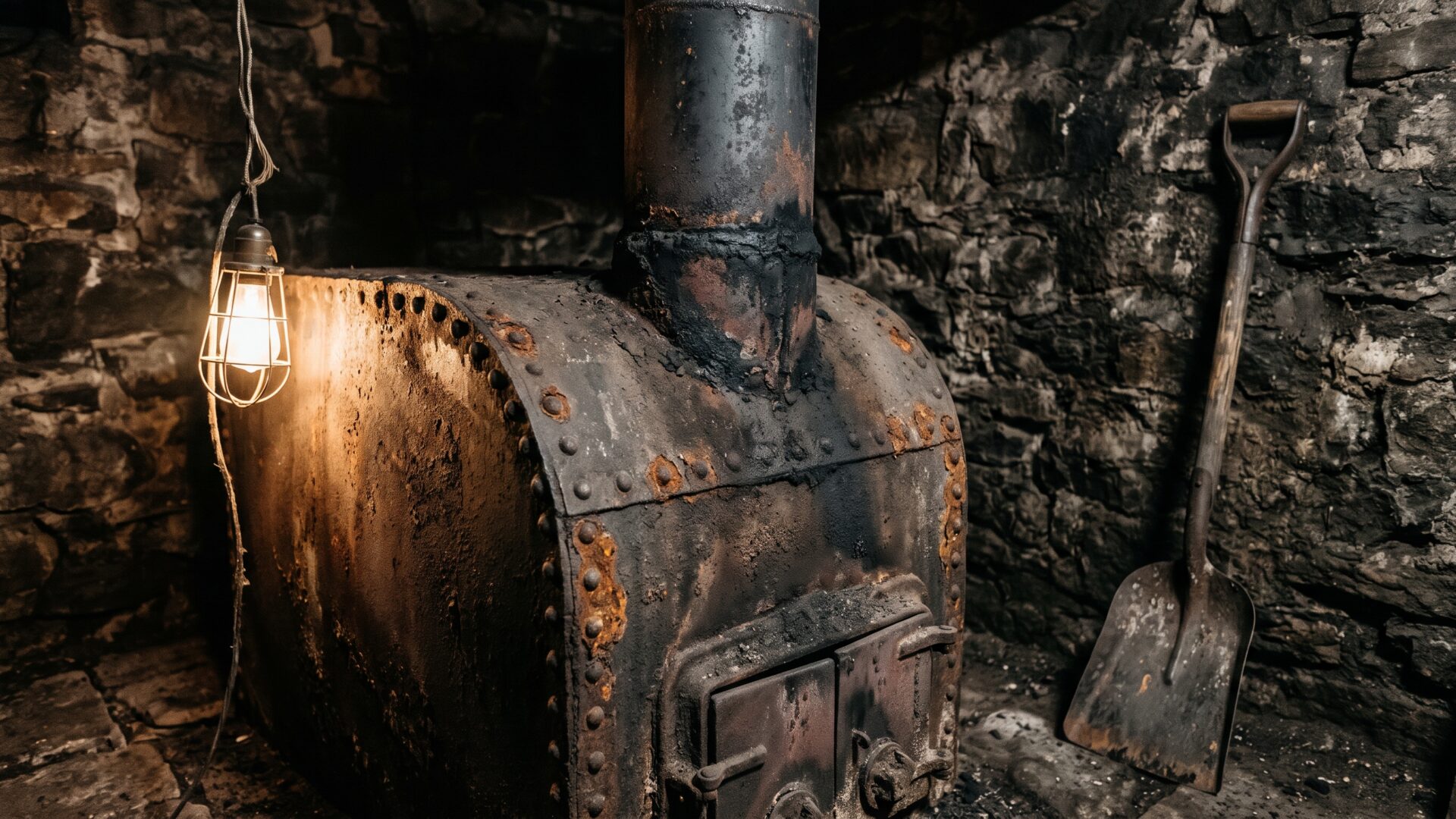
The doctor was William Wilmer, who published his patient’s account in the American Journal of Ophthalmology in 1921. The woman, identified only as Mrs. H, described what started after her family moved into a large, poorly kept house in November 1912: footsteps and voices, a feeling of being pinned in bed, dying houseplants, and listless children with headaches.
An examination found the furnace burning badly, with fumes pouring into the rooms instead of up the chimney. The gas was carbon monoxide, which has no color and no smell, so an alarm is the only thing in a house that notices it. Modern houses do give warnings. The most recognizable one flickers.
Flickering lights can mean loose wiring and fire risk
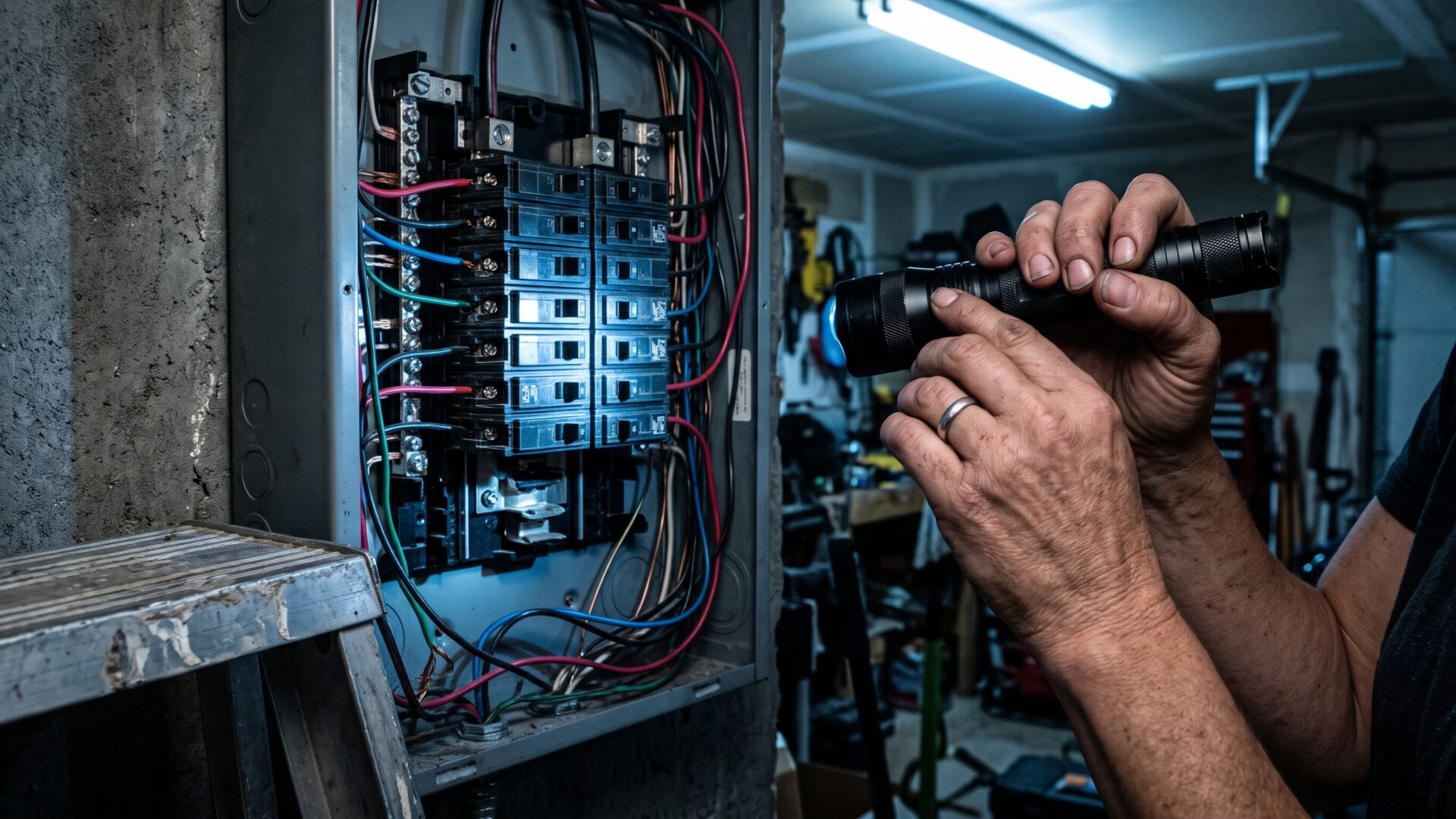
Flickering lights are the sign people most often connect with hauntings, says Daniel Vasilevski, director and owner of Bright Force Electrical, and 26 percent of Angi’s homeowners reported them. The number of lights involved is the tell. One bulb flickering in one fixture may simply be loose in its socket.
A flicker that travels around the house is different, pointing to loose wiring or a fault at the electrical panel. Loose connections make the current fluctuate, Vasilevski says, and wiring that loose can overheat and start a fire. That makes frequent flickering worth an electrician’s visit to check the connections. A television that switches itself off has a duller explanation.
Televisions that switch themselves off have dull causes
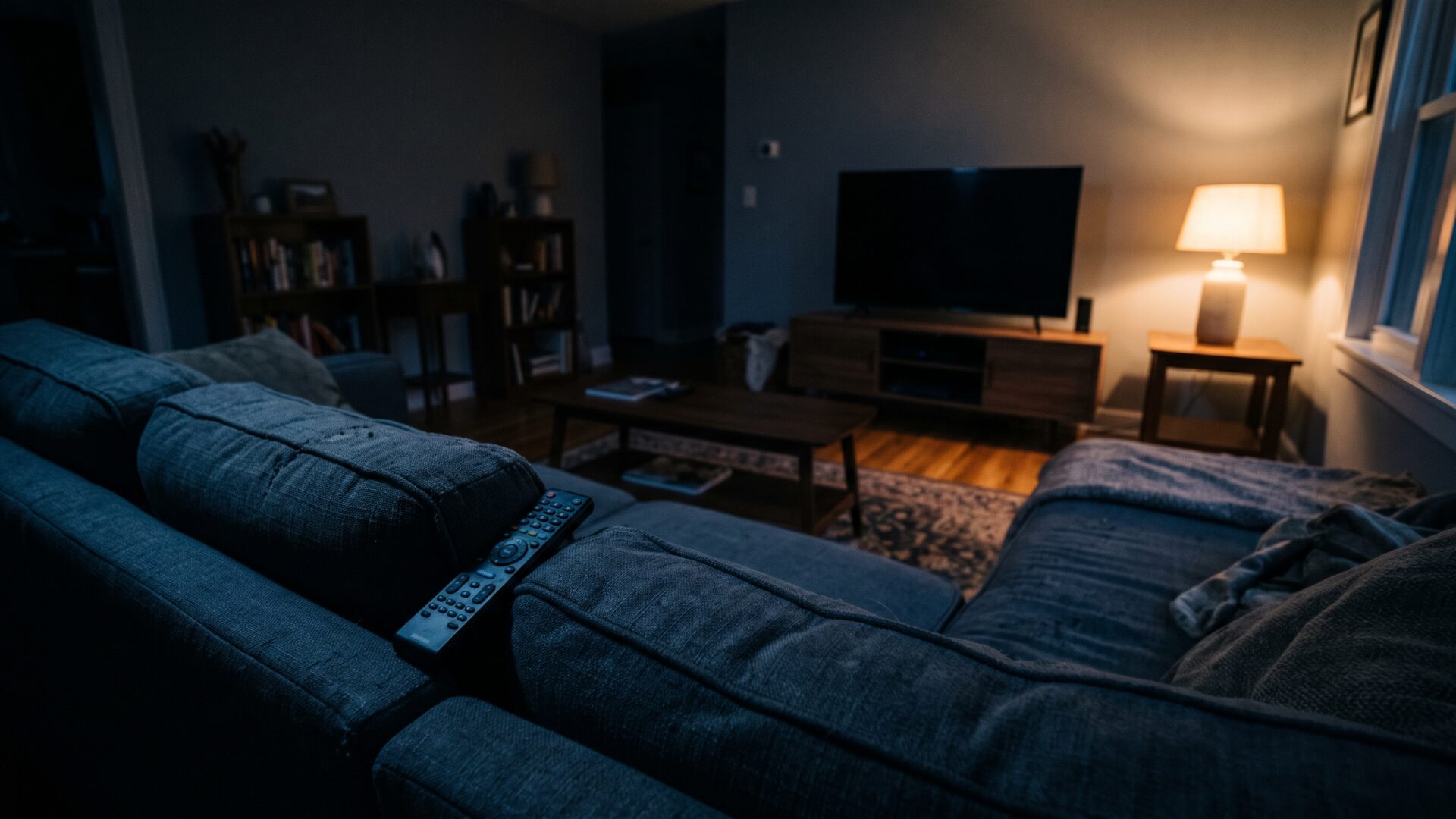
Vasilevski says a faulty remote control is a common one. A power button that sticks will send the signal by itself, and a second device on the same frequency can trip a set from across the room.
Power surges do it too. A surge through the electrical system can make electronics power cycle or reset, and that happens more often in homes with outdated or overloaded wiring. A surge protector helps with the small ones. If a television or a computer resets itself regularly, the wiring is the thing to have checked, because the surge is the symptom rather than the cause. Under your feet, the house moves on its own schedule.
Creaking floors, knocking pipes, self-flushing toilets
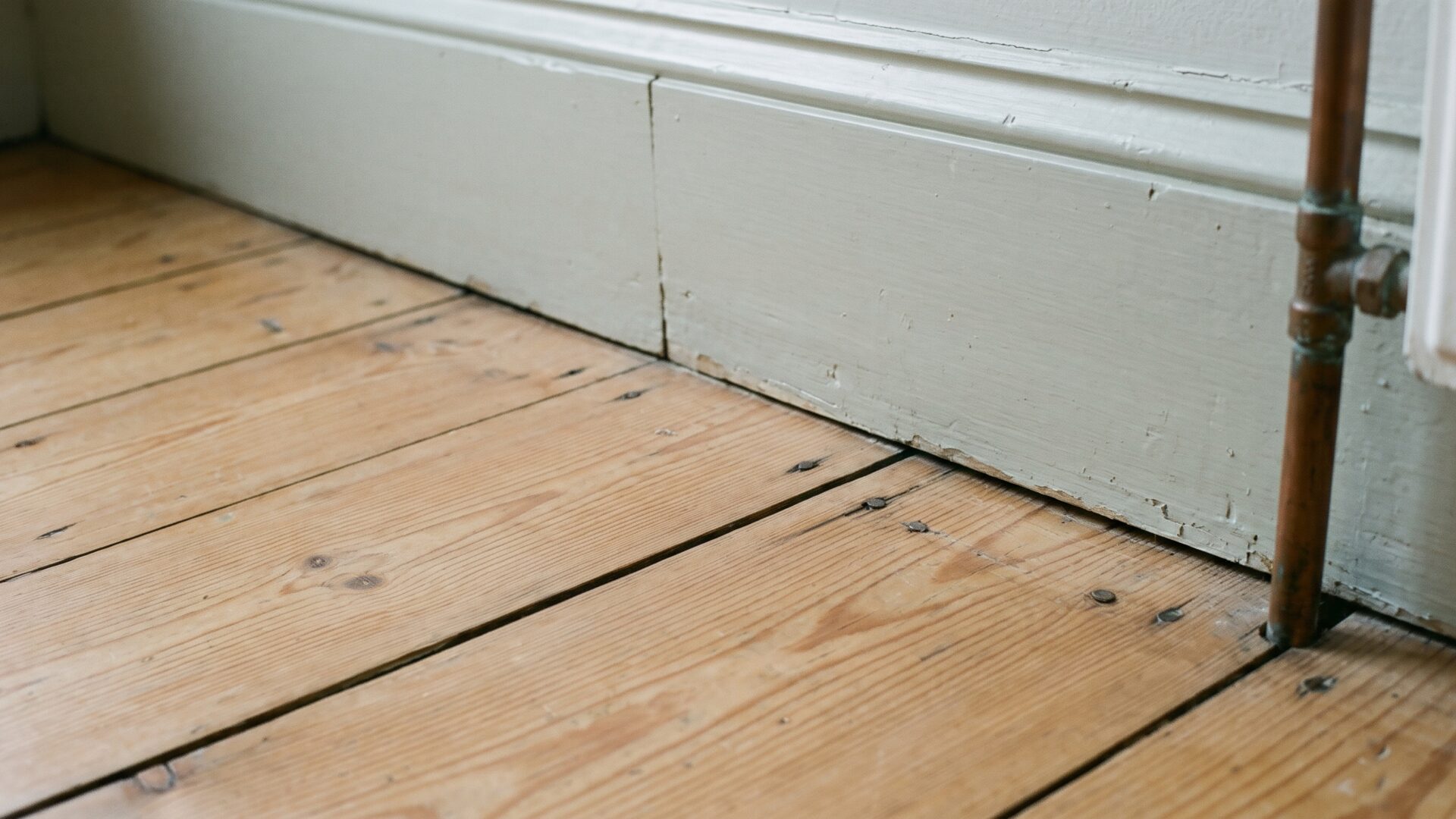
Wood expands and contracts as temperature and humidity change, says Timothy Wood, founder and CEO of the home services company Fix It Today, and that shifting is what makes the creak. Older homes creak more because their floorboards are more worn, and a house that has settled over decades adds noises of its own.
Pipes do the same thing, says Austin Linney, owner of Deets Mechanical. Thirty percent of Angi’s homeowners reported creaky floors, and 13 percent reported hearing a toilet flush with nobody near it, which Angi attributes to a leak that drains the tank until it refills. The sound more homeowners reported than any other came from inside the walls.
Scratching inside the walls is a job for pest control
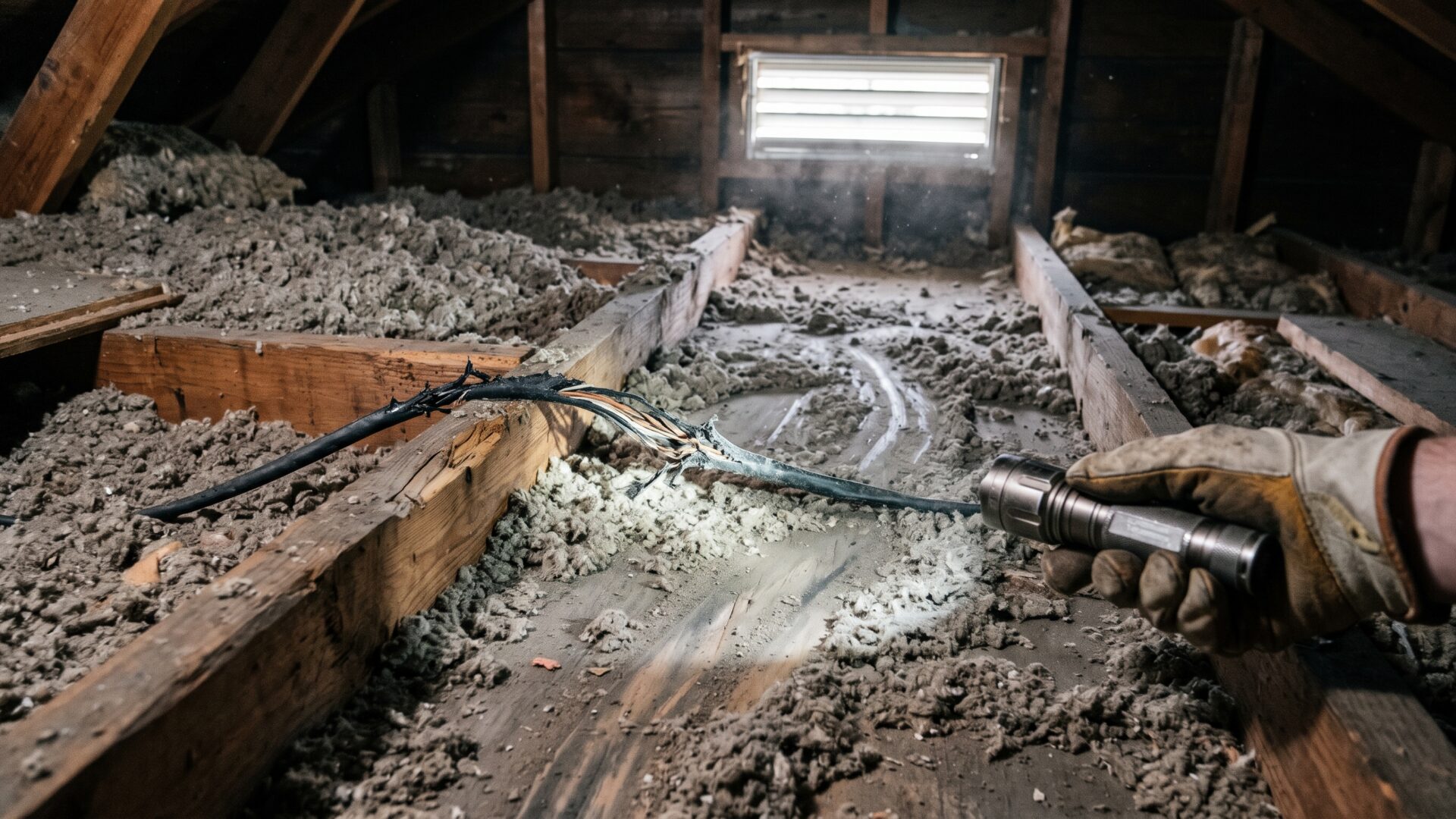
Thirty-one percent reported noises in the walls, the most common of the three. Timothy Wood says rats, raccoons, skunks, and squirrels all make enough noise to wake a household, and the sounds seem strange mainly because the animals move where nobody can see them, between walls, in attics, under floorboards. Raccoons are strong enough to shove heavy objects, which accounts for the bangs.
Courtney Klosterman, home insights expert at Hippo Insurance, says the real risk is chewing, because gnawed wiring causes short circuits and malfunctions. The National Pest Management Association has estimated that rodents are behind 20 to 25 percent of home fires whose cause is never determined. A pest inspection of the attic and crawlspace settles it faster than a medium can.