Fixer-Uppers Once Helped Americans Afford a Home. Now the Costs Are Driving Buyers Away.
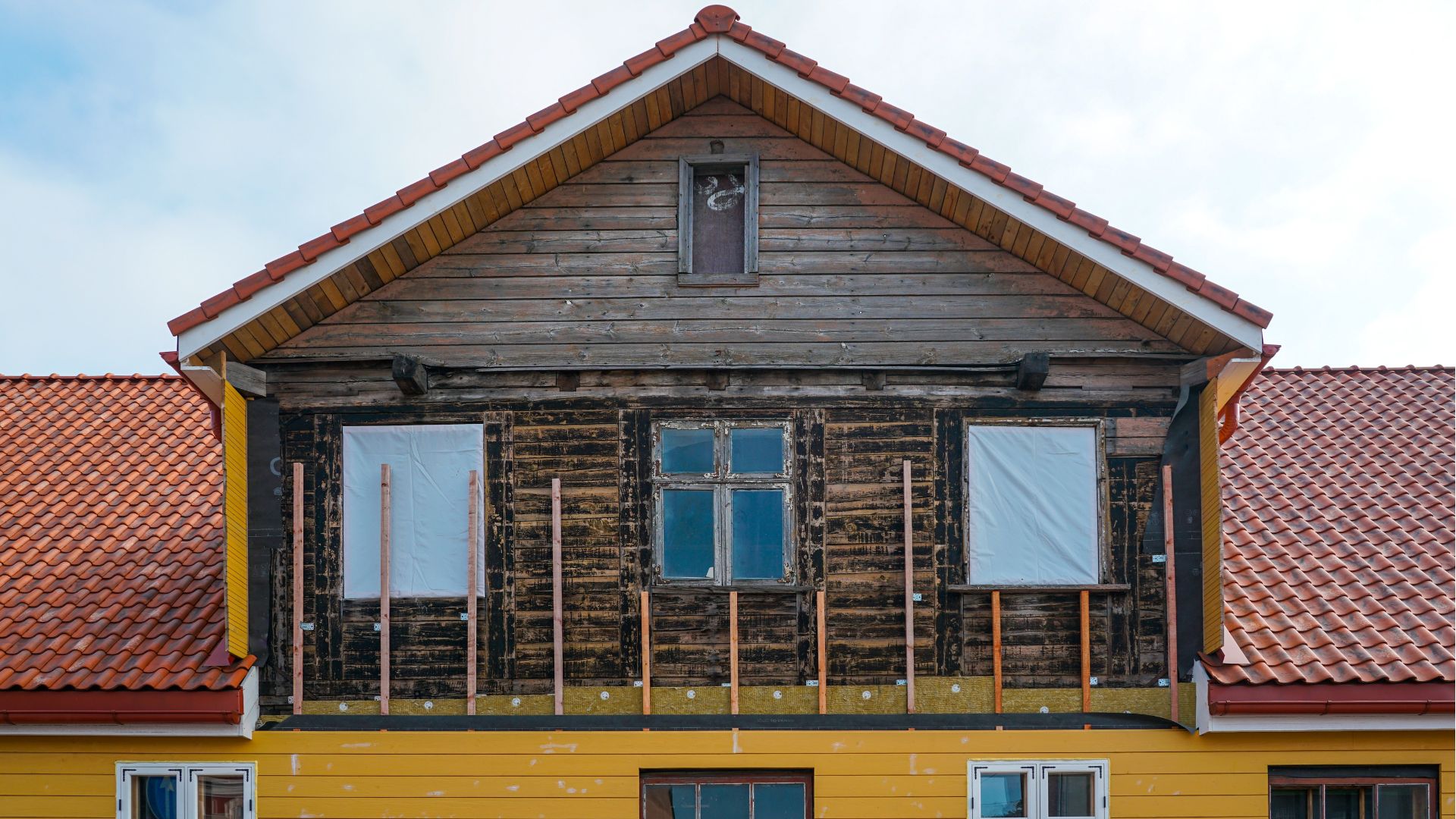

For years, there was something appealing about buying a home that needed a little love, since it was often the more affordable way into homeownership. Home renovation shows dominated television, house-flipping grew into a booming business, and first-time buyers traded sweat equity for lower prices. Atlanta real estate agent Juli St. George told CNN, “The Chip and Joanna Gaines era has passed,” adding that clients no longer want to slowly update a home themselves.
Zillow now finds fixer-uppers selling for 14% less than similar move-in-ready homes, the widest gap the company has tracked in years, nearly double the 7.3% gap recorded just last year. Before the pandemic, the dynamic ran the other way, with listings marketed as “fixers,” “needs work” or having “good bones” more likely to find a buyer than comparable move-in-ready homes, according to Zillow.
A separate survey from Rocket Mortgage and Redfin, covering more than 1,000 Americans, found the shift extends to buyer attitudes directly. Fifty-nine percent of respondents said they’d rather stretch their budget on a turnkey home than deal with the hassle of renovations, while the remaining 41% said they would still consider a fixer-upper and take on repairs themselves. A related Rocket Mortgage survey found 57% of first-time buyers purchased with a partner.
Why Renovation Costs Spiraled
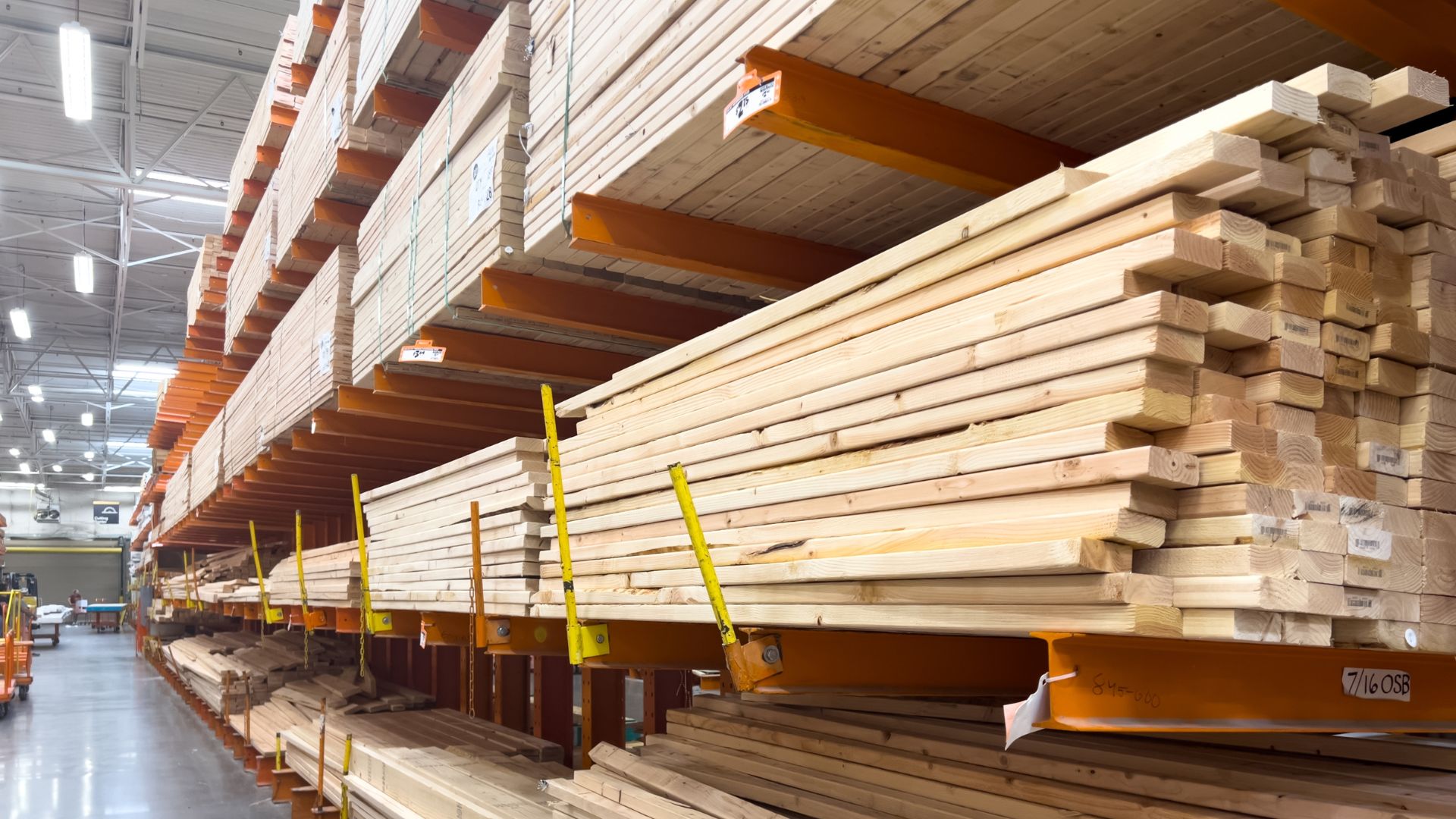
Tamara Mattox-Kabat, a Denver-based Redfin agent, said renovations have grown more expensive and unpredictable in recent years. She pointed to tariffs on construction materials, ongoing labor shortages, the stress renovation projects create, and the fact that many buyers now have less time and fewer skills than previous generations. Younger buyers, she said, have spent more years in rentals, so they’ve grown used to modern, low-maintenance spaces.
Renovation costs have climbed as tariffs hit materials like lumber and steel, layered on top of inflation that took off in 2022, CNN reported. Construction firms are also struggling to find enough workers, which has pushed labor costs higher and stretched out timelines. A 2025 survey by the Associated General Contractors of America found 45% of construction firms had faced project delays linked to worker or subcontractor shortages.
The cost squeeze shows up in the numbers too. Material prices for residential construction, excluding energy, climbed faster this April than at any point in three years, per National Association of Homebuilders data, and have kept climbing since, up 4.6% over the past year. Dozens of first-time buyers told CNN their budgets were tight from home prices and mortgage rates alone, before renovations entered the equation.
Buyers Are Feeling the Squeeze

Retailers are seeing it firsthand. Home Depot and Lowe’s each told investors this year that homeowners are pulling back on the kind of large-scale projects fixer-uppers typically require. Lowe’s CEO Marvin Ellison called it “the most difficult housing market that I have faced in this business,” comparing it to conditions during the financial crisis, and said the weakness was concentrated specifically among do-it-yourself shoppers.
This year, Molly and Matt Dodge closed on their first home in Arlington, Vermont, knowing it needed work, drawn to its size and the acre of land. Contractors quoted $30,000 to $50,000 to replace the septic system alone, on top of leaks, mold and insect infestations. So far they’ve put roughly $10,000 into repairs themselves. “We currently wish we built instead of bought,” Molly Dodge wrote to CNN.
Luke VanFleet, 29, and his fiancée bought a 700-square-foot cottage in Traverse City, Michigan, this spring. On the property sits a barn he hopes to eventually turn into a home gym. The estimates for the house itself stunned them, with three contractors quoting roughly $40,000 to redo the siding and windows, plus another $6,000 just for heating and cooling, more than they could realistically cover. “We’re locked in for 30 years,” he said.
Older Homes, New Solutions

Part of the problem is that the housing stock itself is aging. US homes now average 42 years old, up from 31 two decades back, Census Bureau figures show, a slowdown tied to rising material and labor costs, zoning changes, and the lasting effects of the 2008 subprime collapse. Millions of households are affected, with at least 6.7 million living in inadequate housing as of 2021, according to Harvard researchers.
A new bipartisan law addressing housing affordability took effect in July, creating a pilot program of grants and forgivable loans meant to ease repair costs for homeowners. Mattox-Kabat said the current preference for turnkey homes should continue in the near term, but “real estate trends tend to move in cycles,” and she expects interest in fixer-uppers to return once turnkey prices climb too high for buyers to bear.
For now, VanFleet is handling repairs in pieces: a handyman found via Facebook Marketplace covers some jobs, while Google searches and AI chatbots help him teach himself the rest. “We’re just going have to be creative about it,” he said. Today’s typical first-time buyer is 40 years old, and just 16% of starter-home buyers now plan to eventually trade up, down from 29% in 2022.