Five Planets Are Visible in July, but You’ll Need to Look at Dusk and Dawn

July is bringing a changing display of planets to the night and early morning sky, giving skywatchers several opportunities to spot some of the brightest worlds in our solar system. Although the planets are not gathering in a single formation, their shifting positions make this an excellent time to follow Venus, Jupiter, Mars, Saturn, and even the elusive Mercury as they appear at different times throughout the month.
A Dynamic View of the Solar System Throughout July
July offers an ever-changing look at the solar system as the visible planets continue moving along their own orbits. According to EarthSky, Venus, Jupiter, Mars, Saturn, and Mercury all become visible during different parts of the month, creating fresh viewing opportunities for anyone interested in the night sky. Their changing positions above the horizon reflect the constant motion of the planets as they travel around the Sun.
Why the Planets Appear at Different Times
The best time to see each planet depends on its location relative to both Earth and the Sun. Some planets are easier to find shortly after sunset, while others stand out before sunrise. Skywatchers can use astronomy apps or online sky maps, including Stellarium Online, to determine exactly when and where each planet will appear from their location.
There Is No Single Planetary Lineup
Despite the excitement surrounding this month’s sky, the planets are not lining up in one perfect formation. Instead, each world follows the ecliptic, the apparent path traced by the Sun across the sky. Because every planet moves at a different speed, their positions gradually change, creating a constantly evolving celestial display rather than a single alignment.
Venus Becomes the Bright Star of the Evening
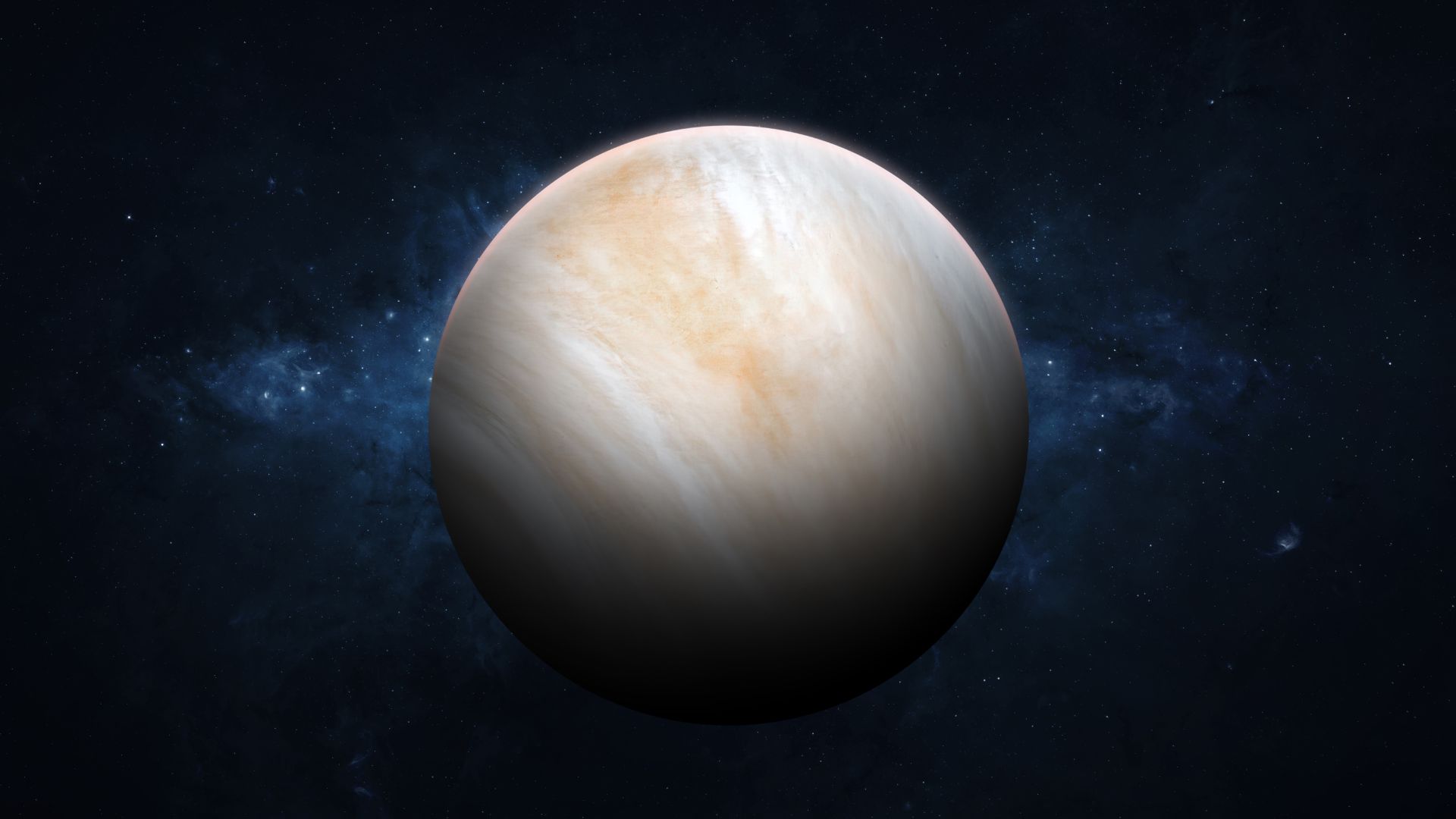
Venus is one of the easiest planets to spot during July thanks to its exceptional brightness. Each evening it climbs a little higher above the western horizon after sunset as it approaches its greatest elongation, expected on August 14 and 15, 2026. Unlike twinkling stars, Venus shines with a steady light, making it simple to identify even without binoculars.
Jupiter Slowly Disappears Into the Sunset
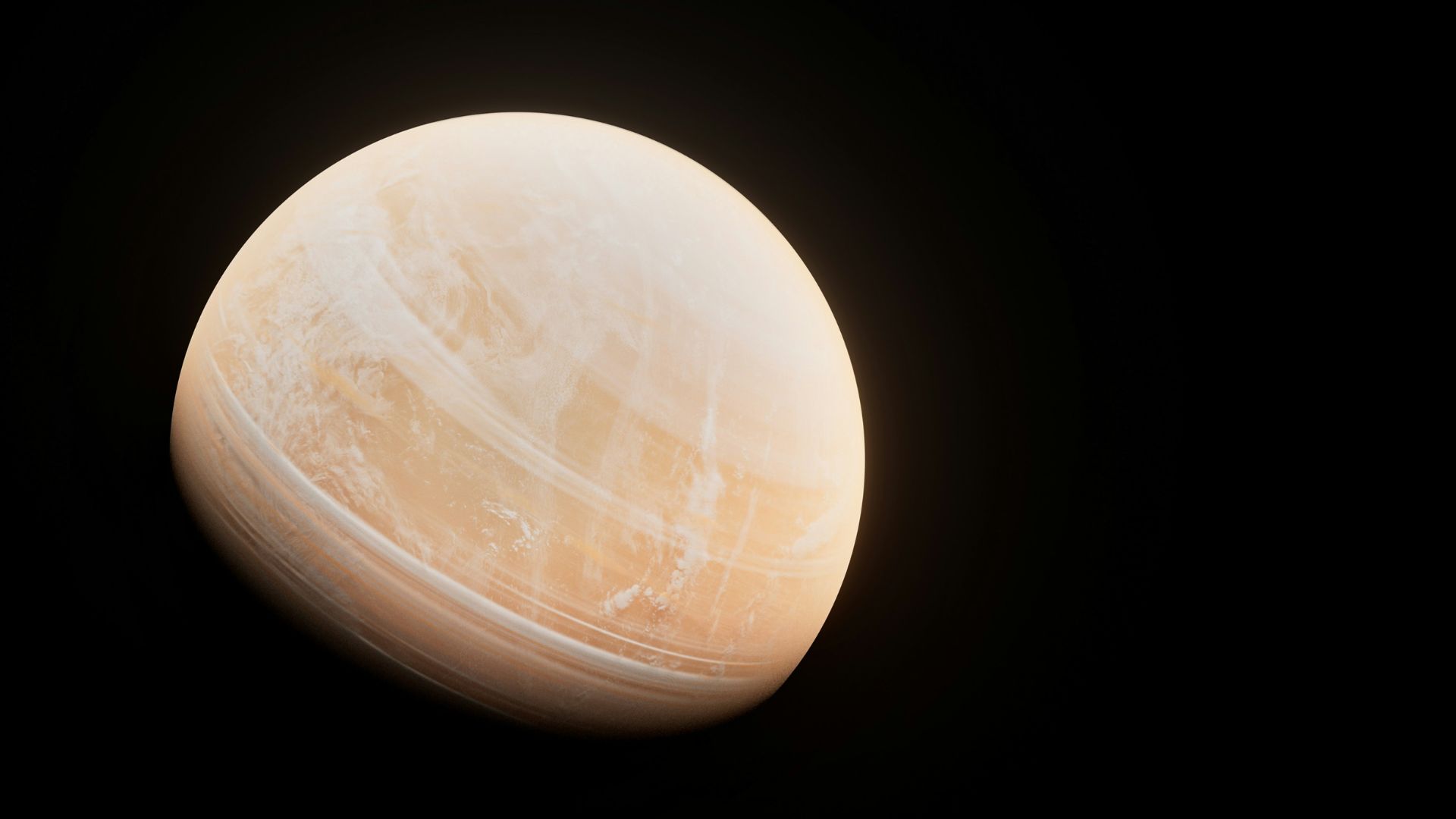
While Venus becomes easier to observe, Jupiter is moving in the opposite direction. Throughout July, the giant planet sinks lower into the evening twilight before reaching conjunction with the Sun on July 29, when it becomes hidden from view. After passing behind the Sun from Earth’s perspective, Jupiter will gradually return to the morning sky during September.
Mars Brightens the Morning Sky
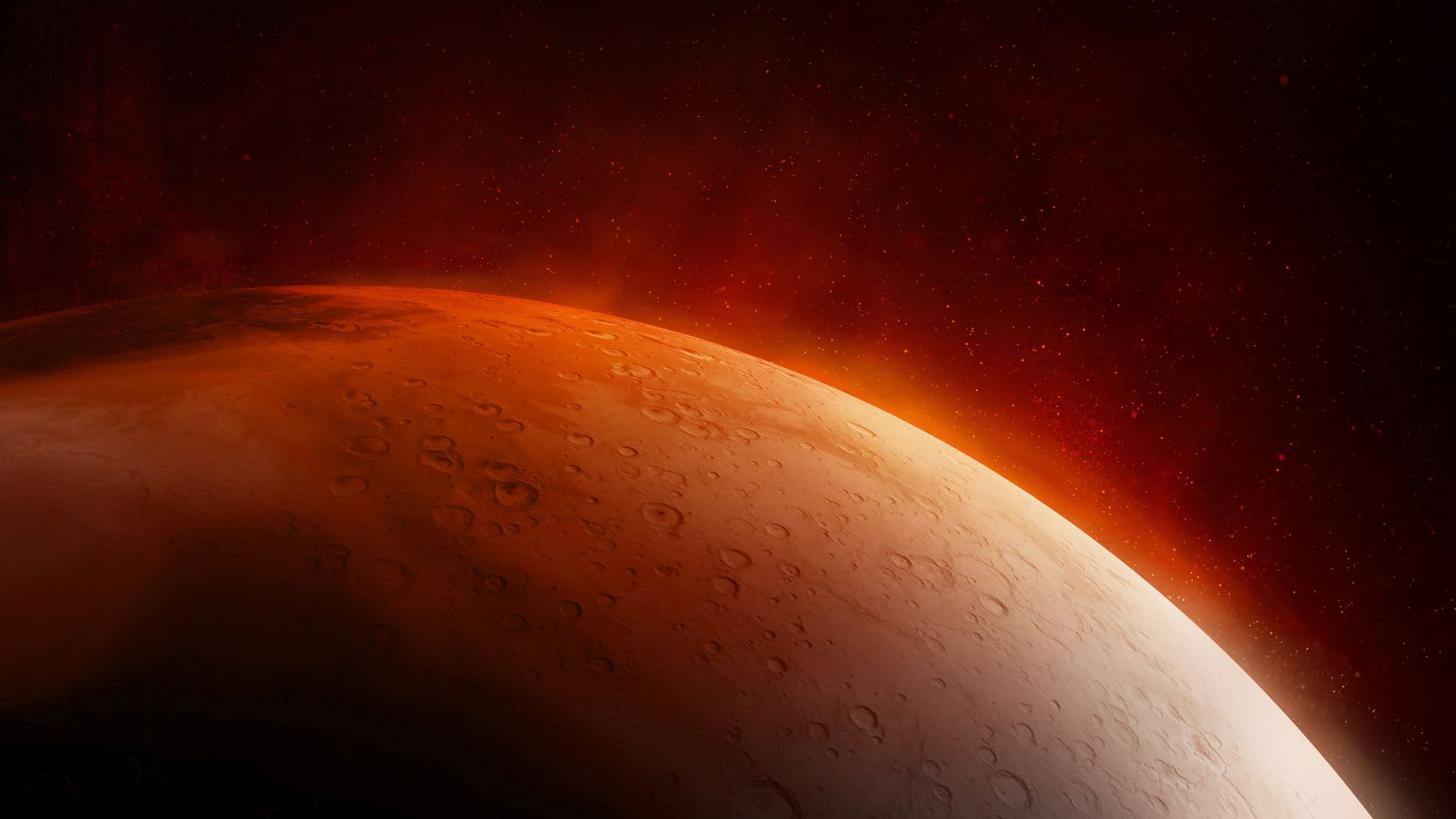
Early risers can enjoy a clear view of Mars before sunrise. During the first half of July, the red planet appears low in the eastern sky between the Pleiades star cluster and the bright star Aldebaran. As the month continues, Mars rises earlier and climbs higher, making its distinctive reddish glow even easier to recognize against the background stars.
Saturn Offers Another Dawn Attraction
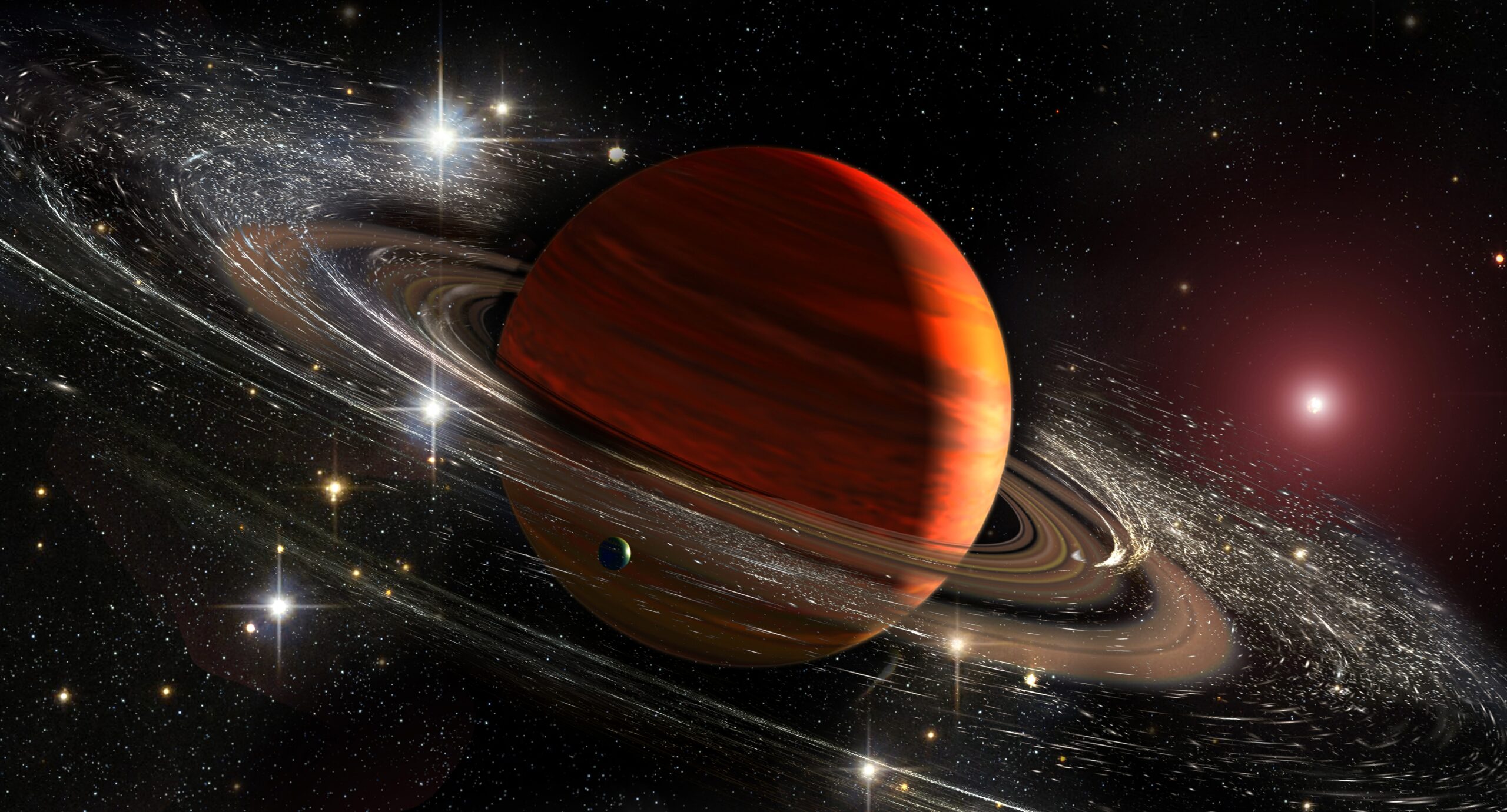
Saturn also becomes a rewarding target before sunrise, appearing farther south than Mars. Although it lies much farther from Earth, the ringed planet remains bright enough for telescopes to reveal its famous rings. Watching Mars and Saturn together highlights the remarkable variety of worlds that share our solar system.
Mercury Makes a Brief Appearance
Mercury joins the show during the final two mornings of July, remaining very low above the eastern horizon before sunrise. Because it orbits so close to the Sun, Mercury is only visible during short observing windows and can be difficult to locate. It appears below Mars and will reach its greatest elongation on August 2, offering one of the better opportunities to spot the smallest planet visible to the naked eye.
The Moon Adds More Highlights
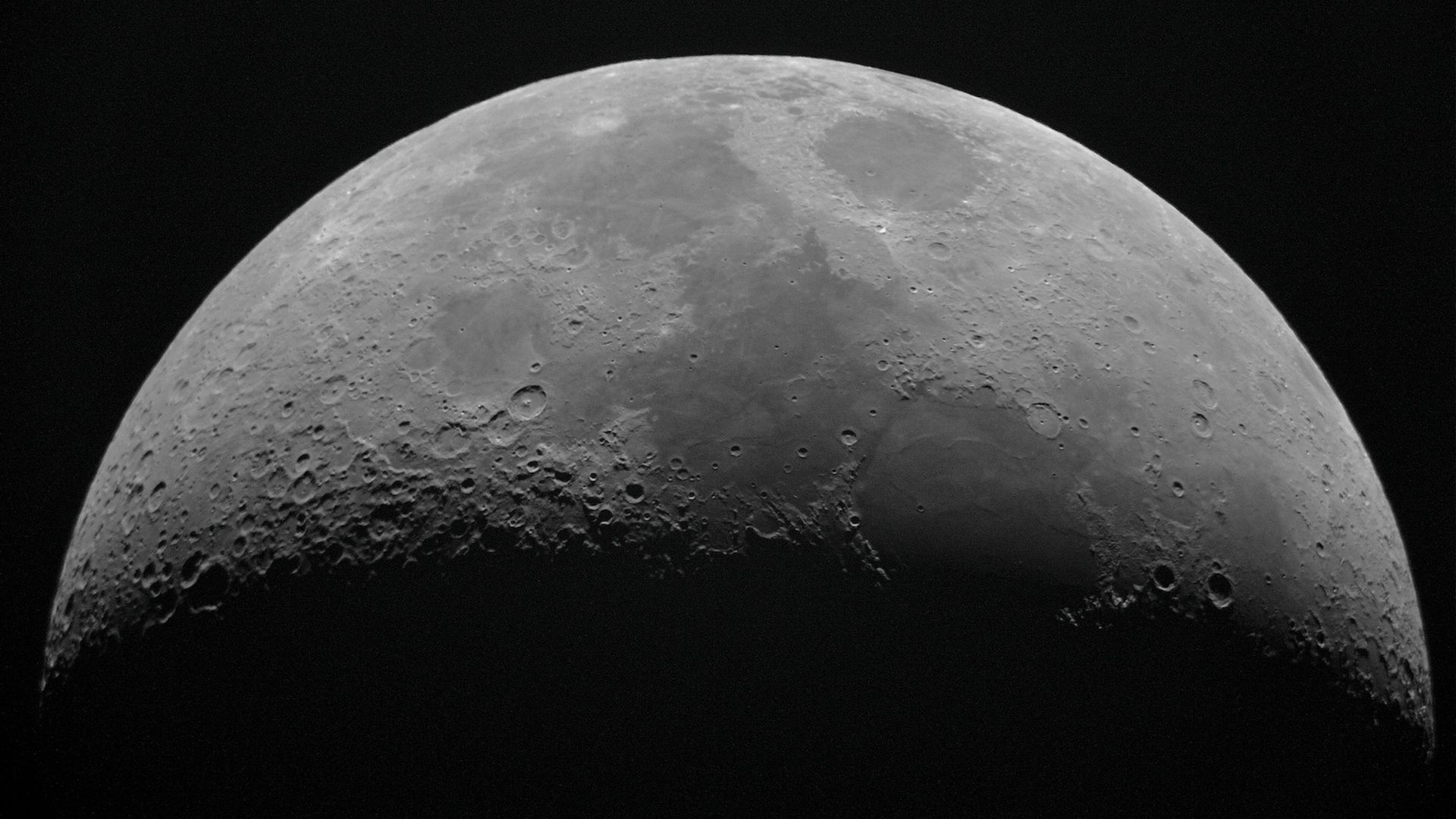
The Moon also creates several memorable moments throughout the month as it passes near bright celestial objects such as Spica in the constellation Virgo and Antares in Scorpius. The first quarter Moon on July 21, 2026, is especially favorable for observing, since sunlight casts long shadows across craters and mountain ranges, revealing impressive surface details.
Meteors Complete July’s Skywatching Events
The month’s astronomy calendar concludes with the Delta Aquariid meteor shower, which becomes active in late July. The best viewing conditions occur during the dark hours before dawn, when moonlight is minimal. Combined with the changing positions of the visible planets and the Moon, the meteor shower makes July an excellent month for anyone hoping to spend more time exploring the night sky, even without specialized equipment.