First It Was Service Fees. Now Americans Are Being Asked to Pay for Better Parking
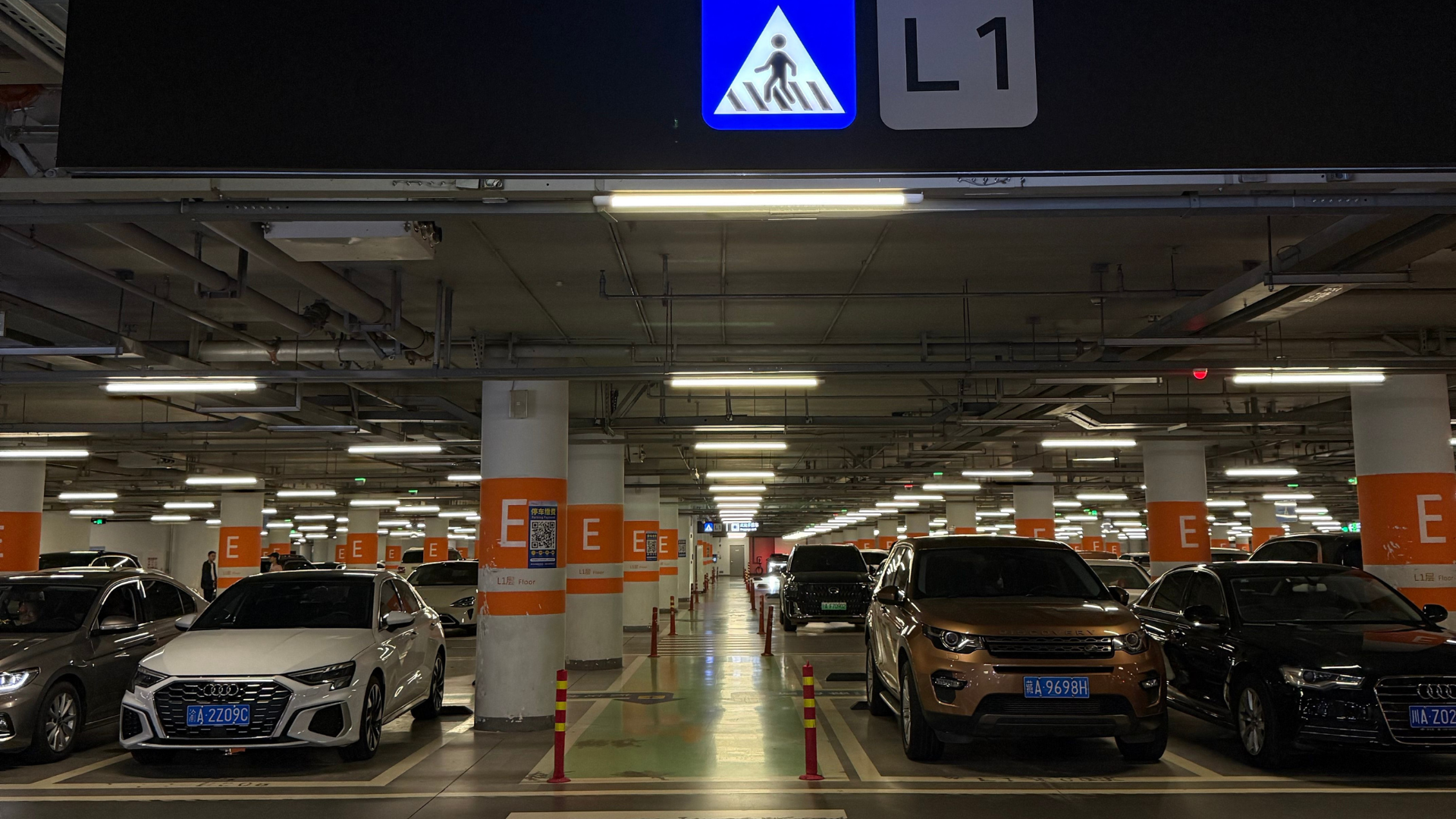

Finding a prime parking spot at the mall used to come down to timing and luck, but some shoppers are now discovering another option: paying for it. Shopping centers around the country are designating spaces near entrances, restaurants, and other popular areas as “preferred parking,” while keeping most of their remaining lots free. At participating malls, the convenience can cost as much as $10.45 for a longer visit, adding another optional fee to an outing that shoppers once expected to include free parking.
Preferred Parking Is Appearing at Malls Across the Country
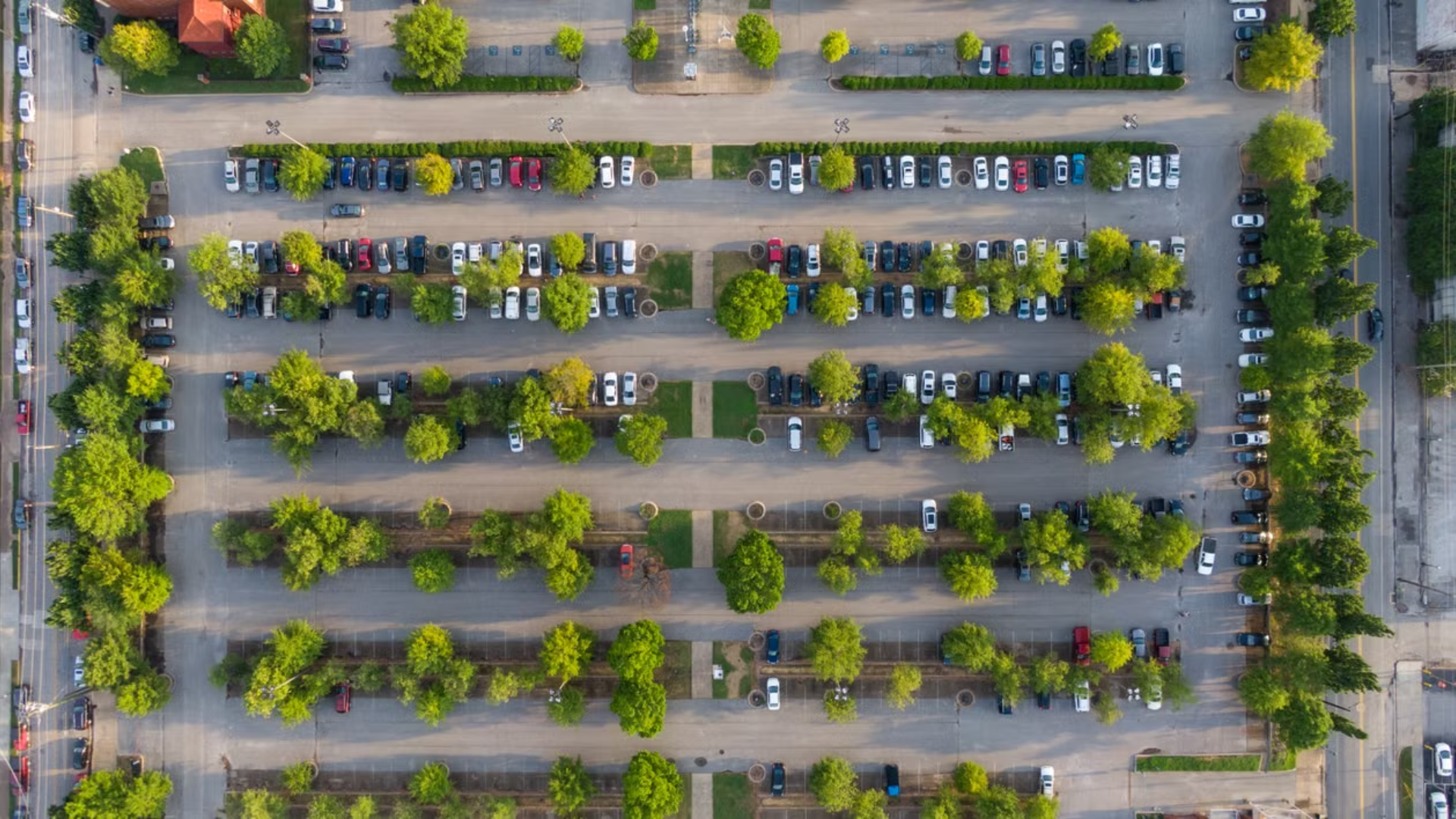
The concept is no longer limited to a single shopping center. USA Today reports that preferred paid parking has appeared at locations including Willowbrook in New Jersey, Mall St. Matthews in Kentucky, Valley Plaza Mall in California, Northridge Fashion Center in Los Angeles, and The Mall in Columbia in Maryland. GGP, which operates more than 95 properties, says 23 of its malls currently offer the preferred-parking option.
A Prime Spot Can Cost Up to $10.45
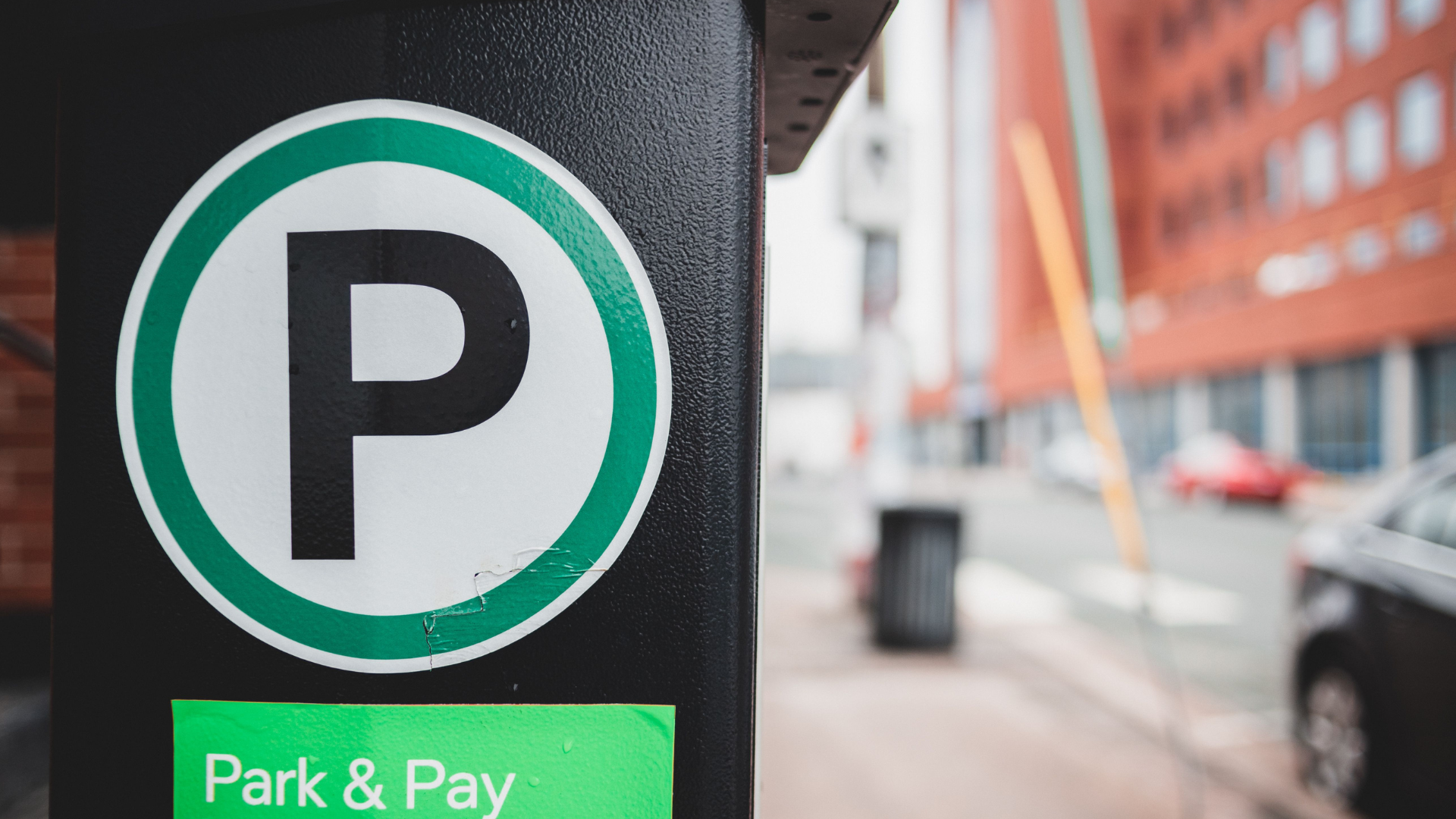
At Willowbrook in Wayne, New Jersey, shoppers who choose one of 119 preferred spaces pay $2.45 for the first hour and another $2 for each additional hour, with the daily charge capped at $10.45. Drivers pay by scanning a QR code or sending a text message using instructions posted in the parking area. The pricing effectively turns some of the mall’s most desirable spaces into a convenience upgrade similar to paying extra for a premium seat or faster service elsewhere.
Most Mall Parking Is Still Free
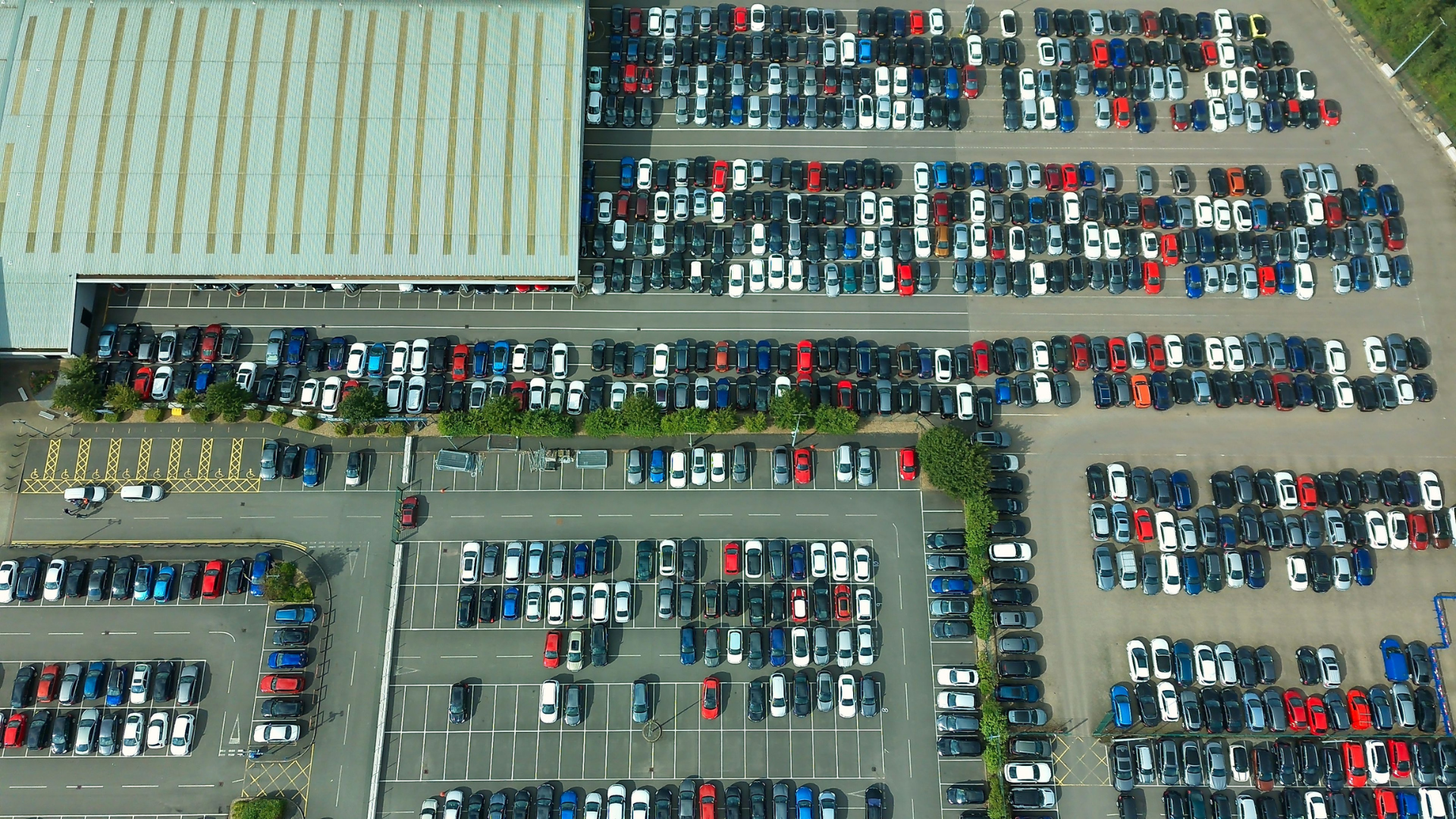
The new programs do not generally mean shoppers have to pay simply to visit the mall. At Willowbrook, for example, GGP says more than 7,770 parking spaces remain free while only a relatively small group near the front carries the additional charge. The company presents preferred parking as an optional convenience for people willing to pay to avoid searching for a close spot rather than as a replacement for traditional free mall parking.
Mall Operators Say Shoppers Are Paying for Convenience
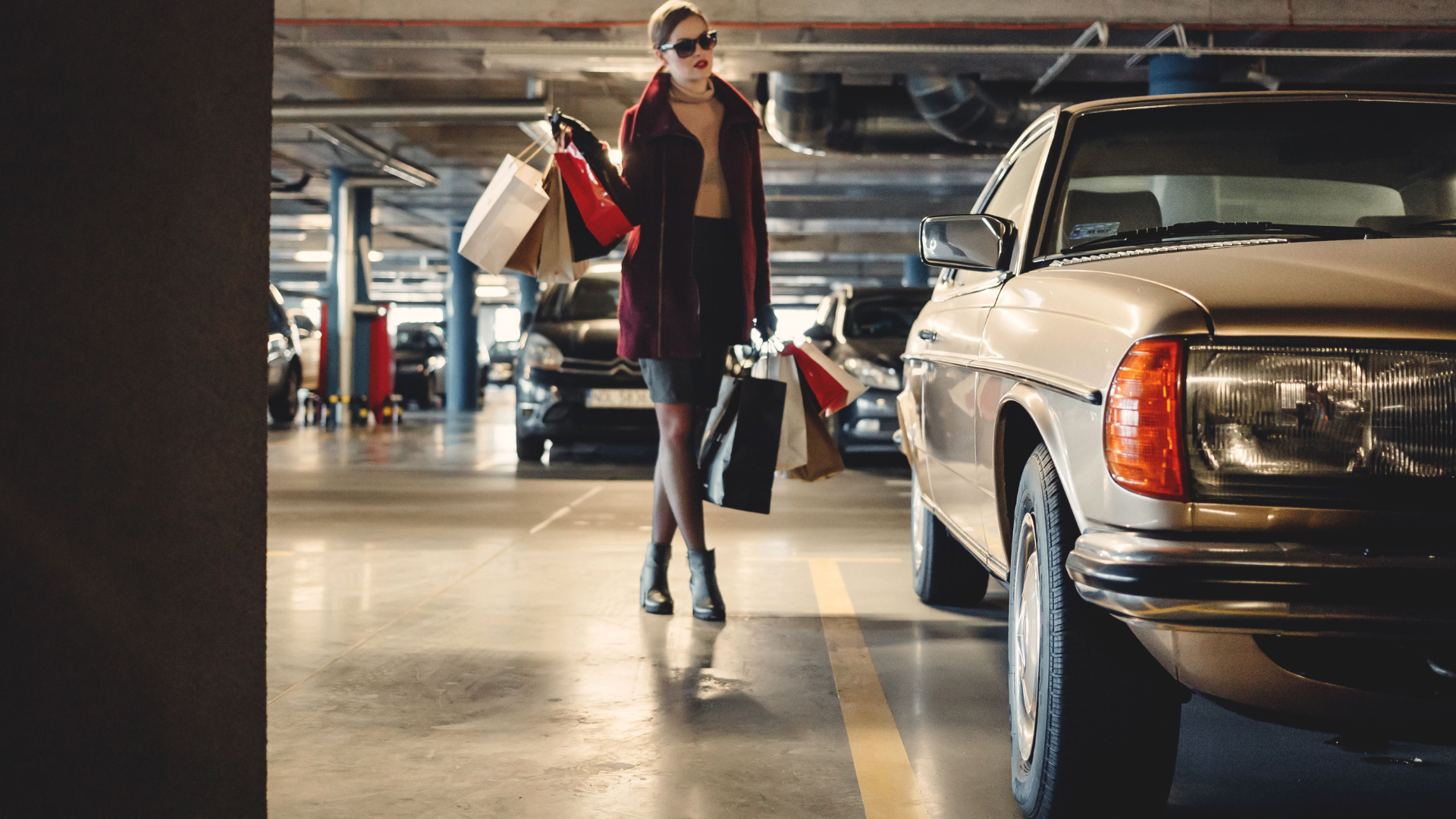
GGP says the idea addresses a common frustration for people visiting busy shopping centers: spending time circling the lot looking for convenient parking. The company says preferred spaces can appeal to someone making a quick shopping trip, picking something up, meeting friends for lunch, or trying to make a restaurant reservation on time. In that sense, mall operators are attempting to sell something that has become increasingly valuable to busy consumers: a little less hassle.
Some Shoppers Aren’t Happy About the Change
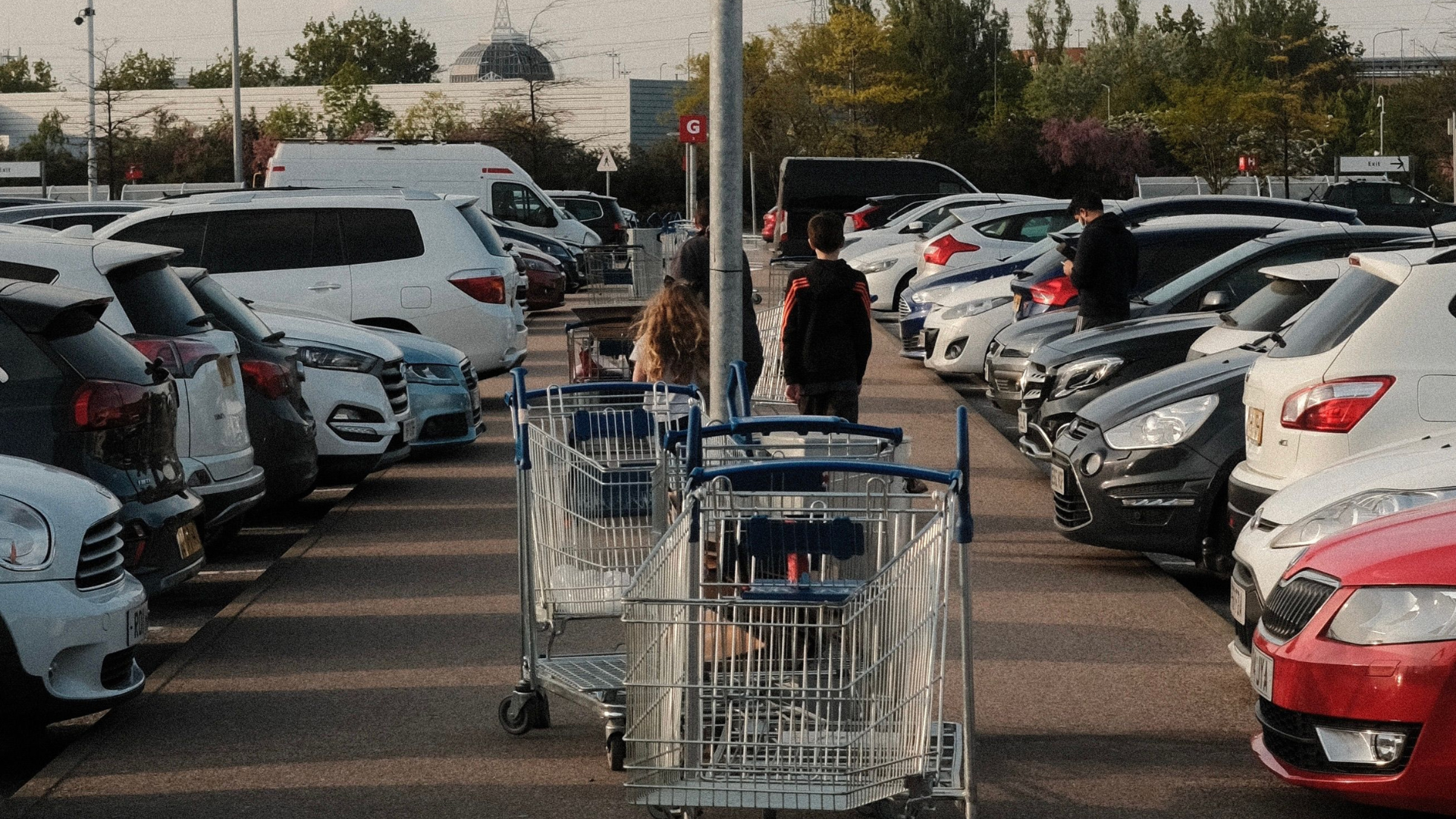
Not everyone sees the new spaces as a useful amenity. USA Today highlighted frustrated reactions from shoppers who questioned why parking close to a mall entrance should suddenly carry a fee, particularly when free parking has traditionally been part of the suburban shopping experience. Similar criticism surfaced at The Mall in Columbia, where some visitors said they would rather walk farther than pay for a closer space.
The Mall in Columbia Has About 120 Paid Spaces
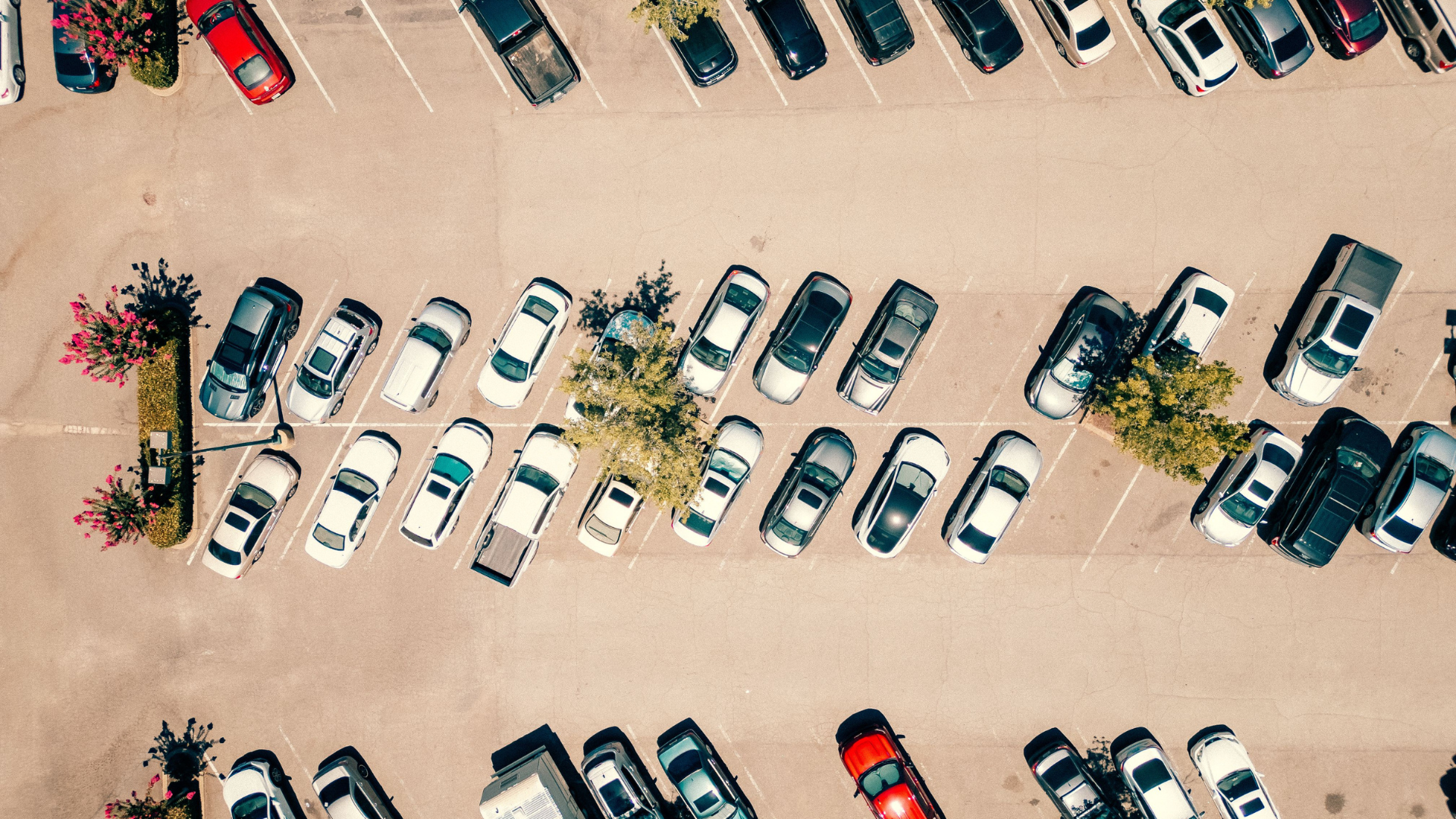
The Mall in Columbia offers another example of how the program works. Around 120 spaces near the front of the property, including areas convenient to restaurants and entertainment, have been designated for preferred parking, with the same basic pricing structure of $2.45 for the first hour and $2 for each additional hour up to $10.45. The mall says more than 6,500 other parking spaces remain free, giving visitors the option to skip the fee entirely.
Part of the Parking Money Is Going to Charity
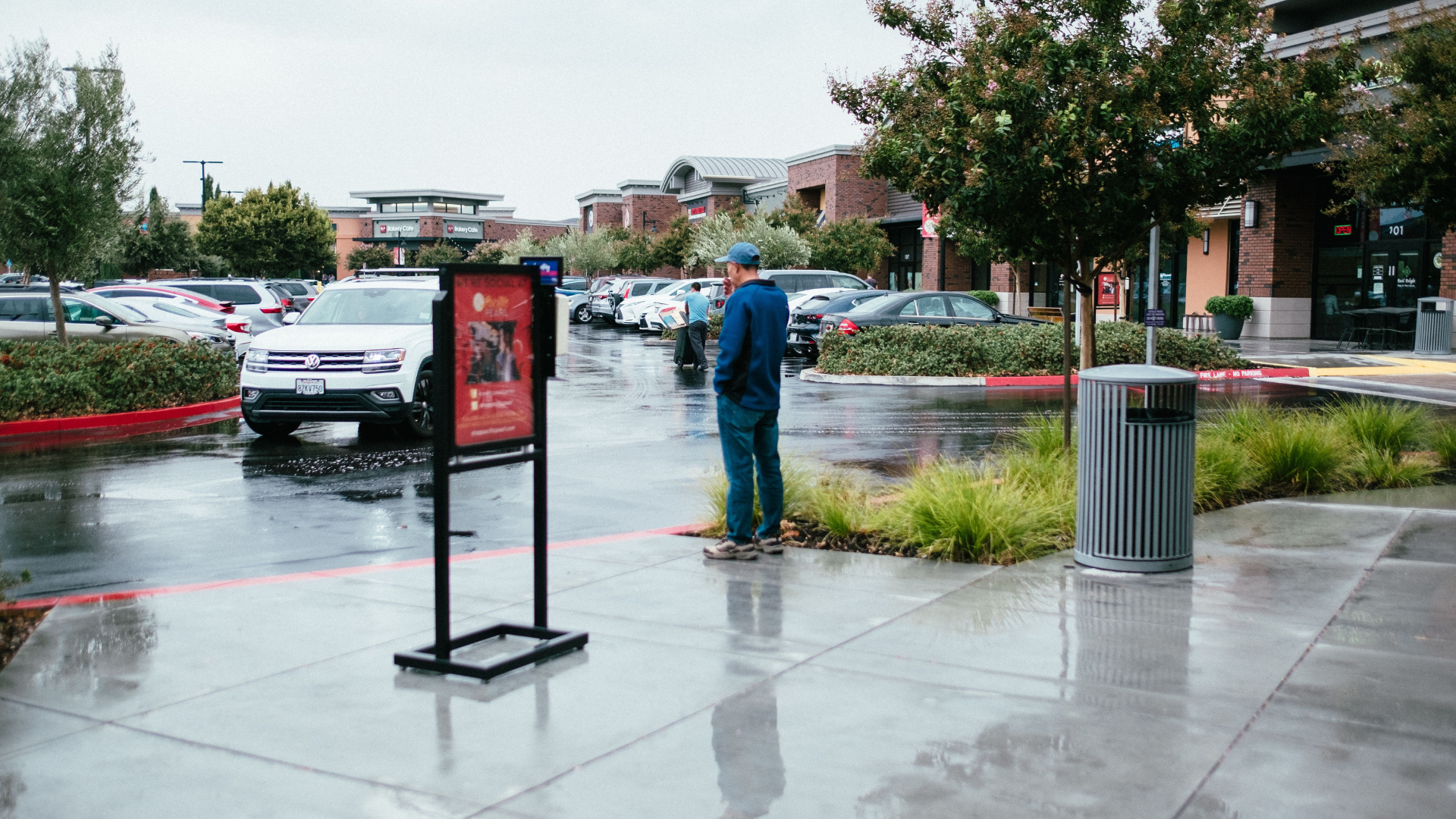
Some malls are tying the new parking programs to local charitable contributions. At Willowbrook, GGP says 10% of proceeds from preferred parking are donated to a local charity, while The Mall in Columbia says 10% goes to the Grassroots Crisis Intervention Center. The charitable component may soften the program for some customers, but shopper reactions suggest it has not completely eliminated frustration over seeing formerly ordinary parking spaces turned into a paid convenience.
Malls Are Looking for New Ways to Reinvent the Shopping Experience
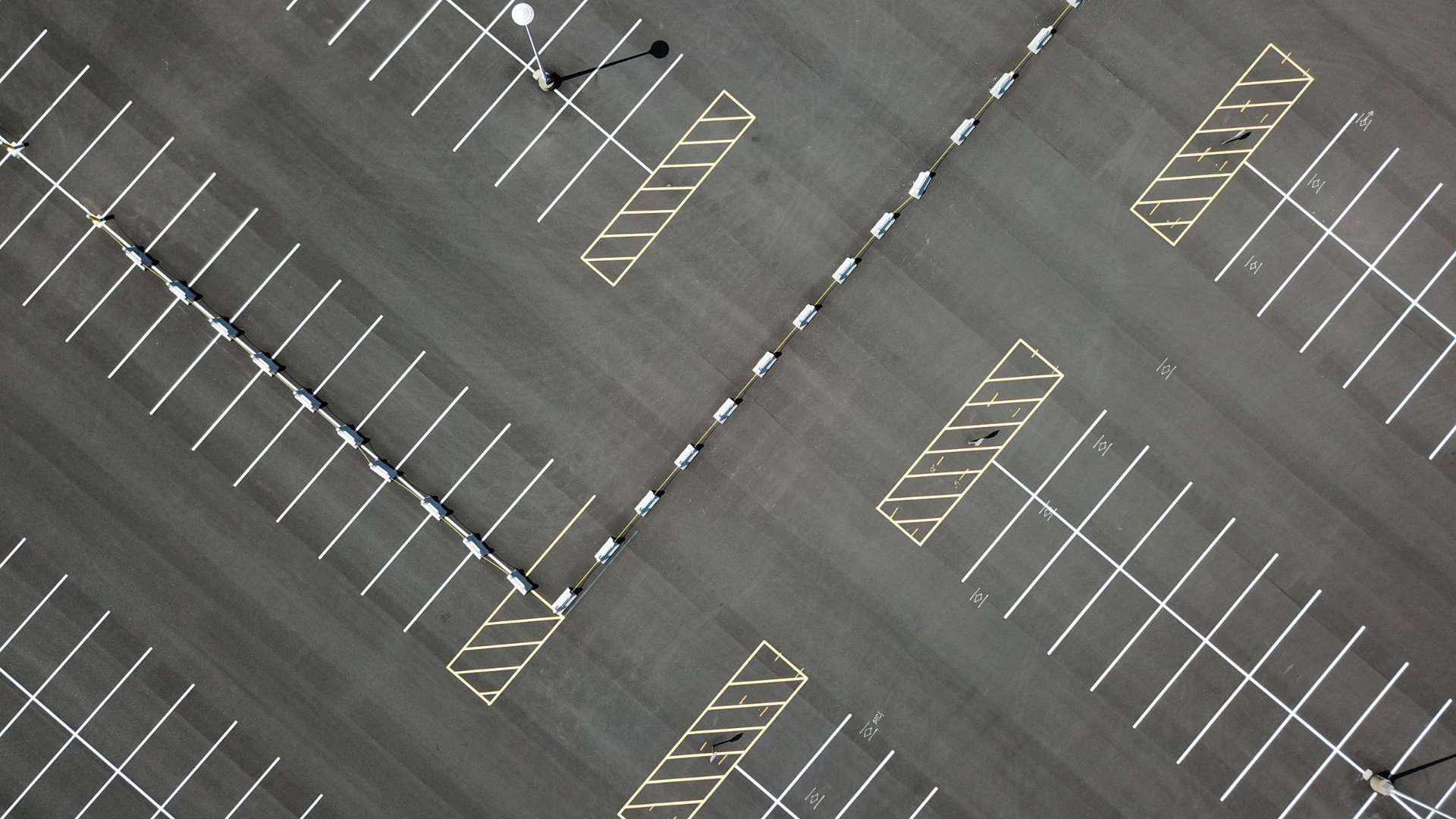
Paid convenience comes as the American mall business continues changing dramatically. Stronger shopping centers are adding restaurants, entertainment, fitness facilities, hotels, apartments, and other experiences as they compete with online shopping and open-air retail centers, while weaker malls continue struggling with vacancies and declining traffic. Preferred parking fits into a broader shift toward treating malls as destinations with optional amenities rather than simply collections of stores surrounded by free parking lots.
Shoppers Now Have to Decide What a Better Parking Spot Is Worth
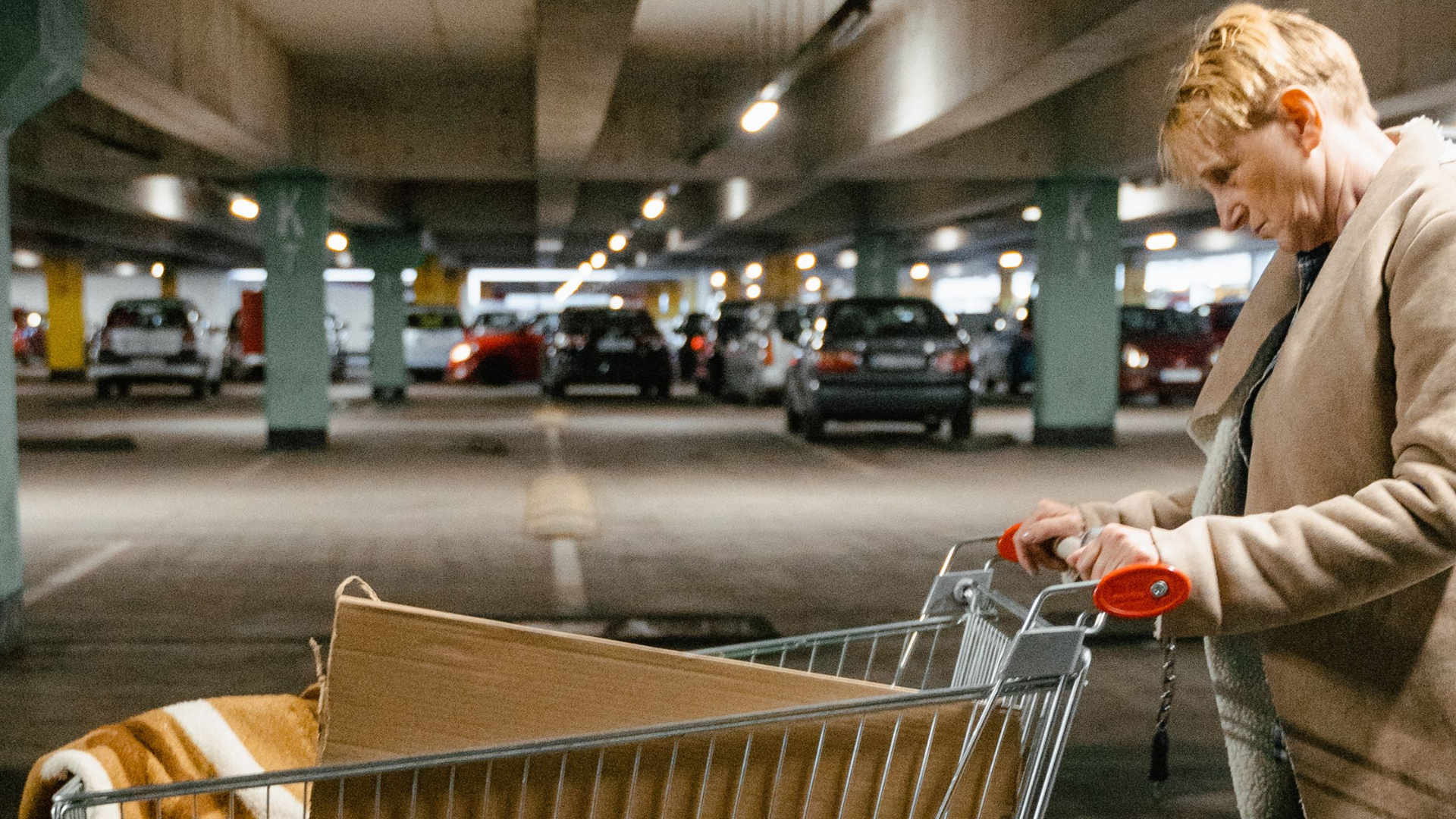
For now, preferred parking remains a choice rather than a mandatory admission charge at the malls offering it, meaning shoppers can avoid the fee by parking farther away. Whether enough people decide that a shorter walk and quicker exit are worth several extra dollars will determine how successful these programs become and whether they spread to more shopping centers. For consumers already accustomed to optional fees across travel, entertainment, and other services, premium mall parking may be another example of everyday convenience increasingly coming with its own price tag.