Finding Your Home Style Is Easier Than You Think, Here’s Where to Start
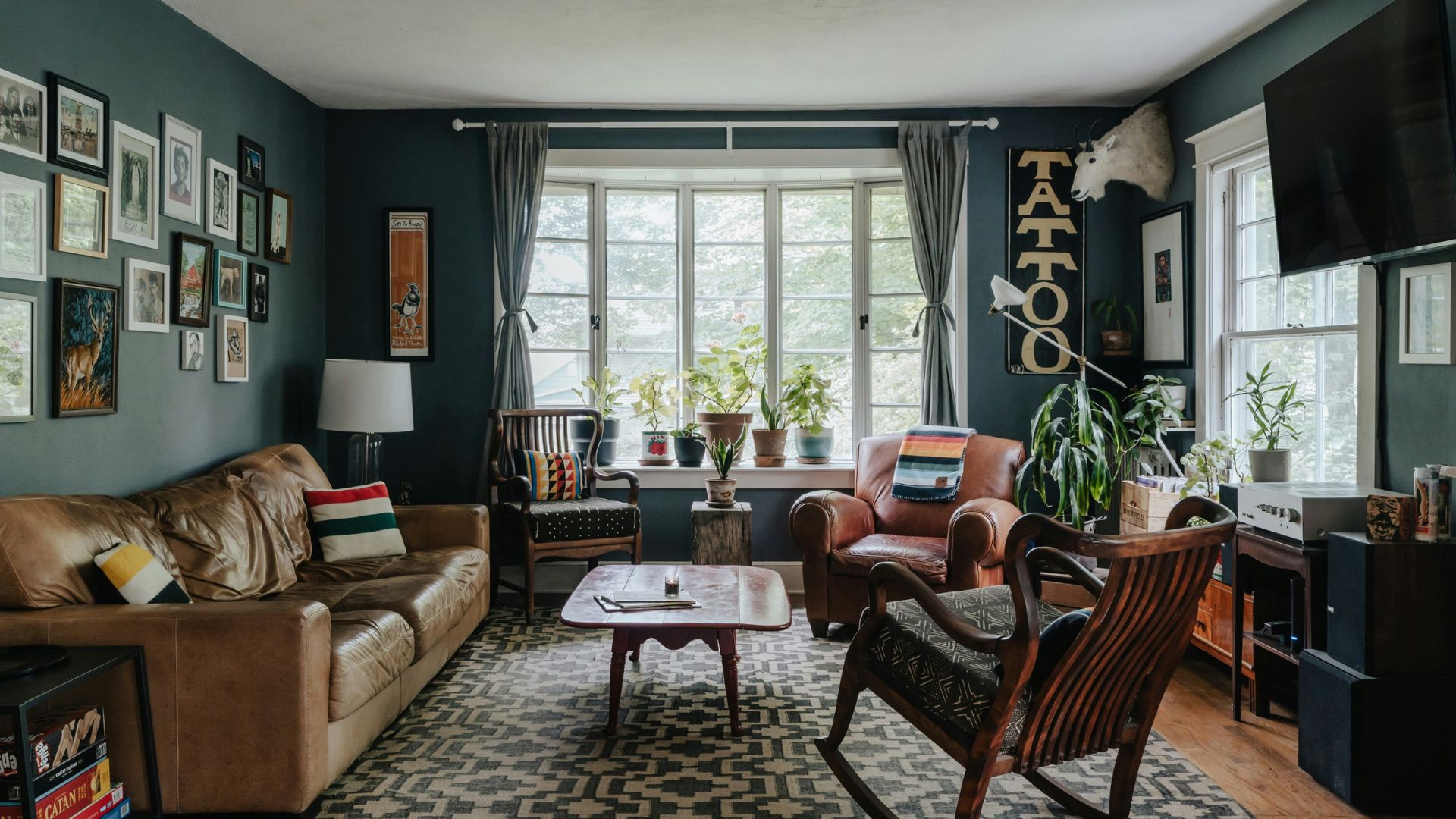

What if your Pinterest boards are filled with beautiful rooms that look completely different from one another? That doesn’t necessarily mean you have no idea what your home style is. In fact, noticing the details you repeatedly save, admire, and return to can be the first clue to figuring out what genuinely feels like you.
Your home doesn’t need to fit neatly into one decorating category. A space can borrow elements from different aesthetics while still feeling connected, especially when the choices reflect the people who live there and the way they use each room.
The goal is less about choosing a trendy label and more about finding a direction that makes everyday decisions easier. Once you understand what you like and what your home actually needs, choosing a rug, lamp, paint color, or chair becomes much less overwhelming.
Pay Attention to What You Keep Saving
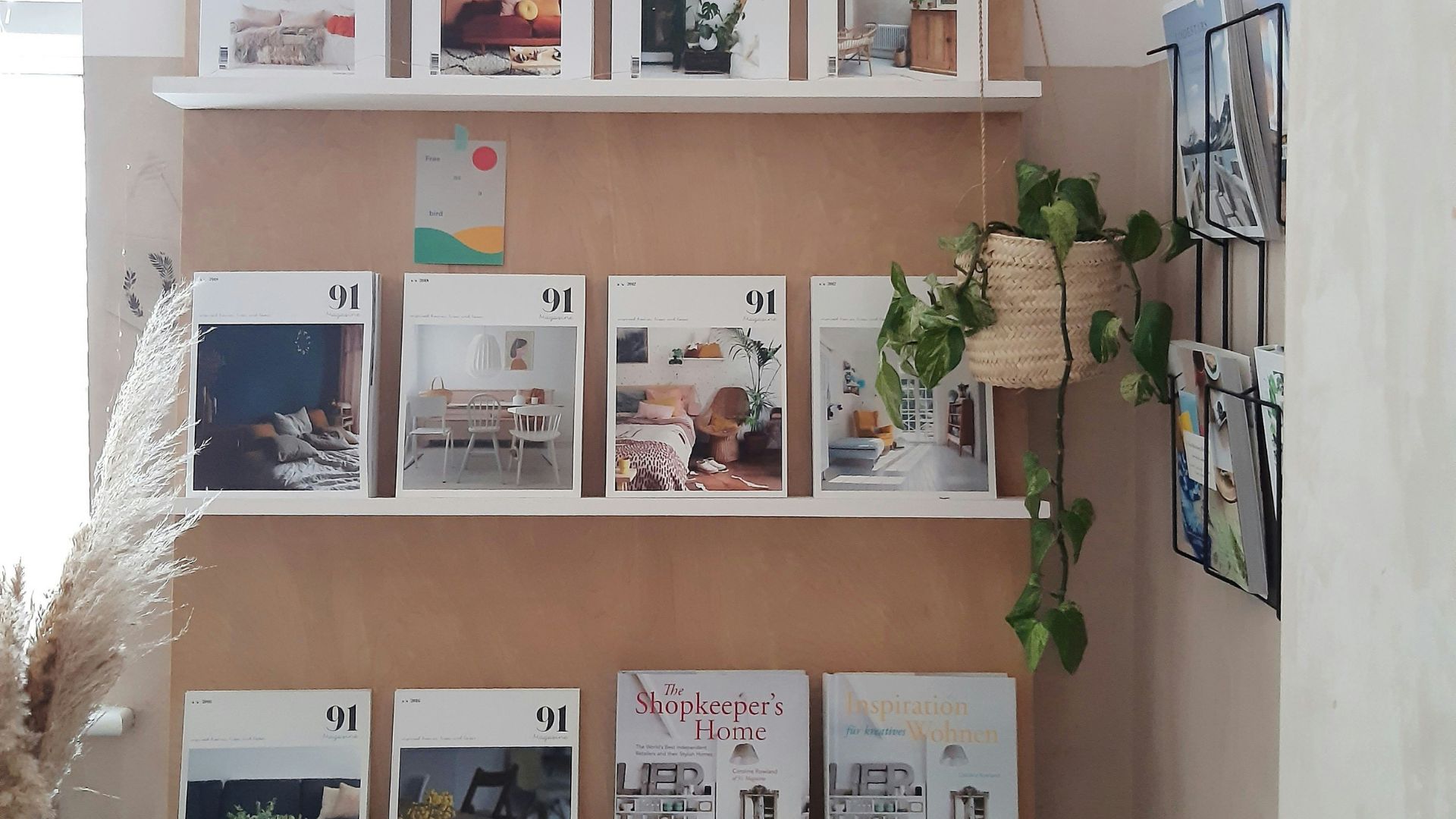
Start with the images, rooms, colors, and details that repeatedly catch your attention. Instead of worrying about whether everything belongs to the same design category, look for patterns in what you naturally gravitate toward. Those recurring details can reveal more about your personal taste than a single style quiz ever could.
Your favorite spaces might share a particular feeling even when they look different on the surface. Perhaps you repeatedly notice warm materials, comfortable seating, certain colors, or rooms that feel uncluttered. These common threads can become the foundation for a style that feels personal rather than copied from one online image.
You also don’t need to delete the inspiration that seems unrelated. Having a varied collection can be useful because it gives you more material to compare. As you look through it, focus on the individual details you love rather than trying to force every image into one category.
Start With How You Actually Live

Before buying anything new, watch how your household moves through the home during an ordinary week. Notice where shoes and bags collect, which corners naturally become gathering spots, and which surfaces end up serving purposes they weren’t originally intended for. These everyday habits can reveal what your rooms genuinely need.
Those observations can point you toward practical choices, such as better storage, durable materials, flexible seating, or a dedicated work surface. A beautiful room is easier to enjoy when it supports the routines that already happen there instead of making everyday life more difficult.
This is also where function can help narrow down your decorating choices. A chair may look perfect in a photograph, but it still needs to fit comfortably without blocking movement. Likewise, a coffee table should leave enough room to walk around it.
Give Your Taste a Little Direction
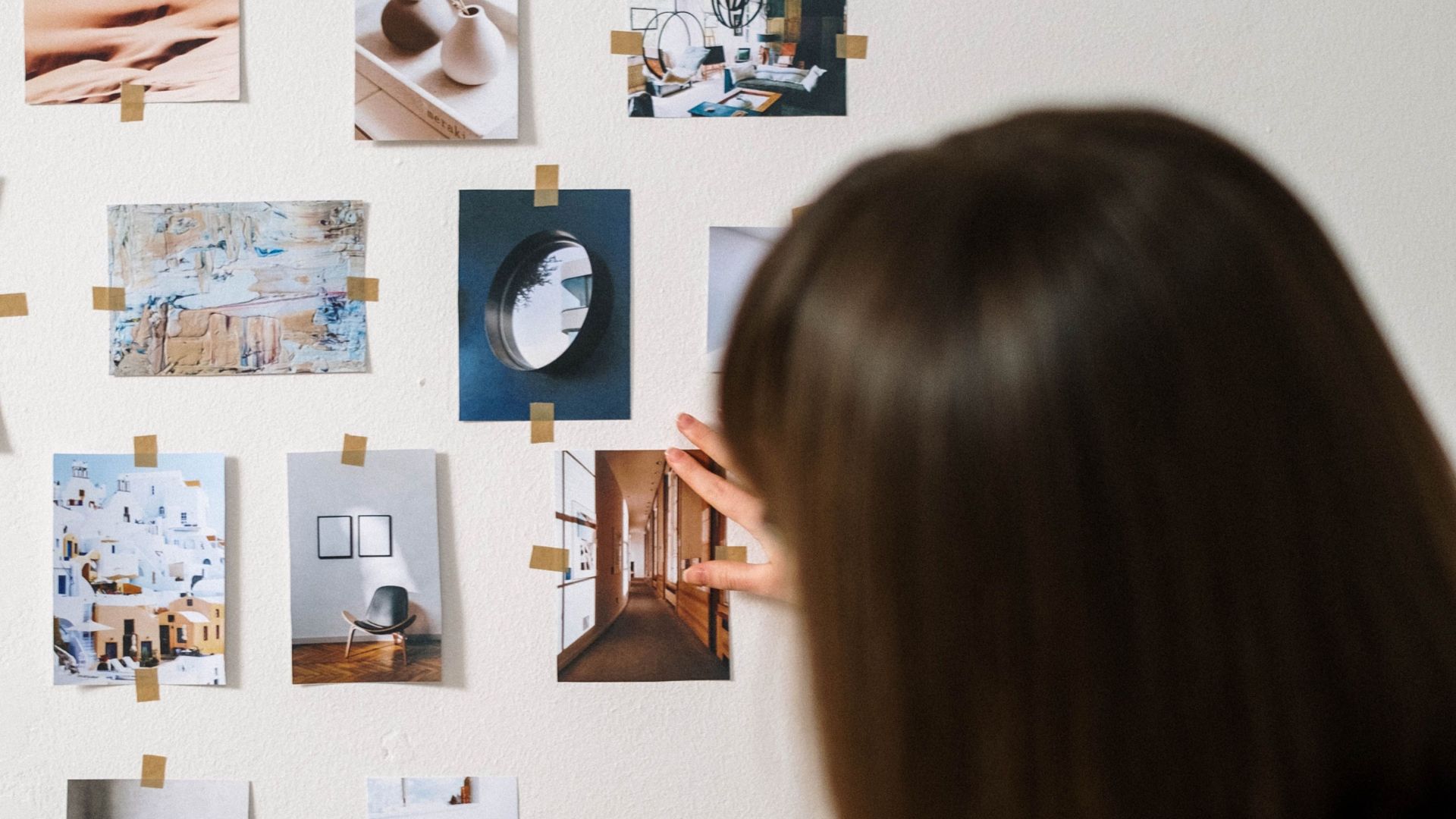
Once you understand what you like and how you use your rooms, write down a few simple preferences. Consider the room’s main purpose, who uses it, where storage is currently a problem, and which inspiration images best represent the look you want. These are the same kinds of questions designers use to understand a client’s needs and vision.
Having those answers on paper can prevent random shopping. Instead of buying a lamp or rug simply because it looks appealing on its own, you can ask whether it solves a need and fits the direction you’re developing. That little bit of clarity can make decorating decisions feel much more manageable.
Remember that consistency doesn’t mean every room has to look identical. A home can contain different aesthetics while still feeling cohesive when the choices work together and reflect the people who live there. The aim is to create rooms that feel connected without looking like they were copied from a single photograph.
Let Your Home Evolve With You
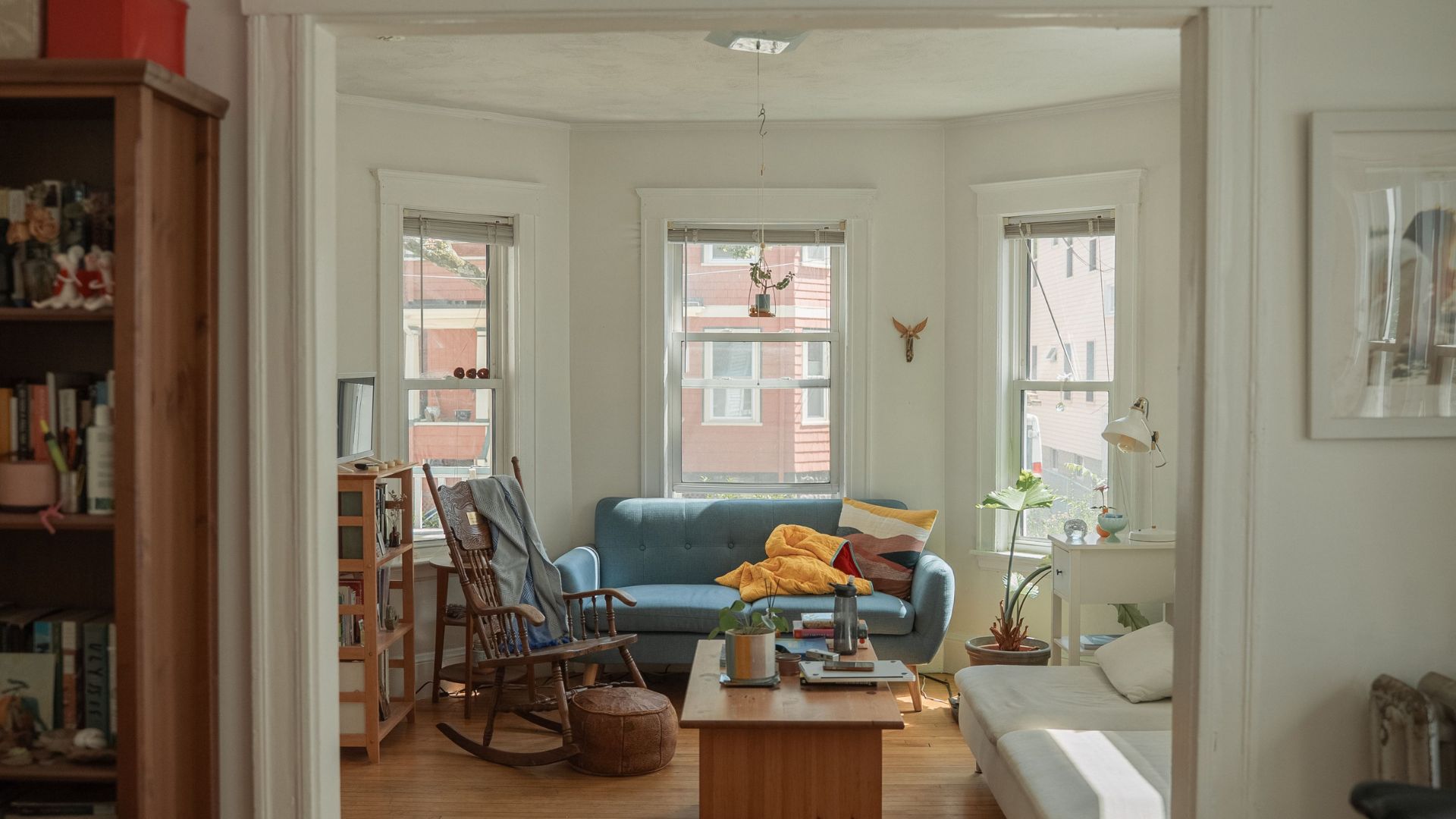
Finding your home style doesn’t have to happen all at once. Your preferences can become clearer as you notice what works in your rooms, what you enjoy living with, and which details continue to catch your eye. Giving yourself time can make the process feel more natural and less like a test you have to pass.
The most useful starting point is to combine personal taste with real-life function. When a room supports the way you move through your day while also surrounding you with things you genuinely like, the result is more likely to feel comfortable and familiar.
Ultimately, your home style doesn’t need a perfect label. It simply needs to give you enough direction to make choices with confidence while leaving room for your tastes to change. Start with what already makes you happy, pay attention to how you live, and let the look of your home take shape from there.