Feds Issue Call to Action After Driverless Cars Block Emergency Responders
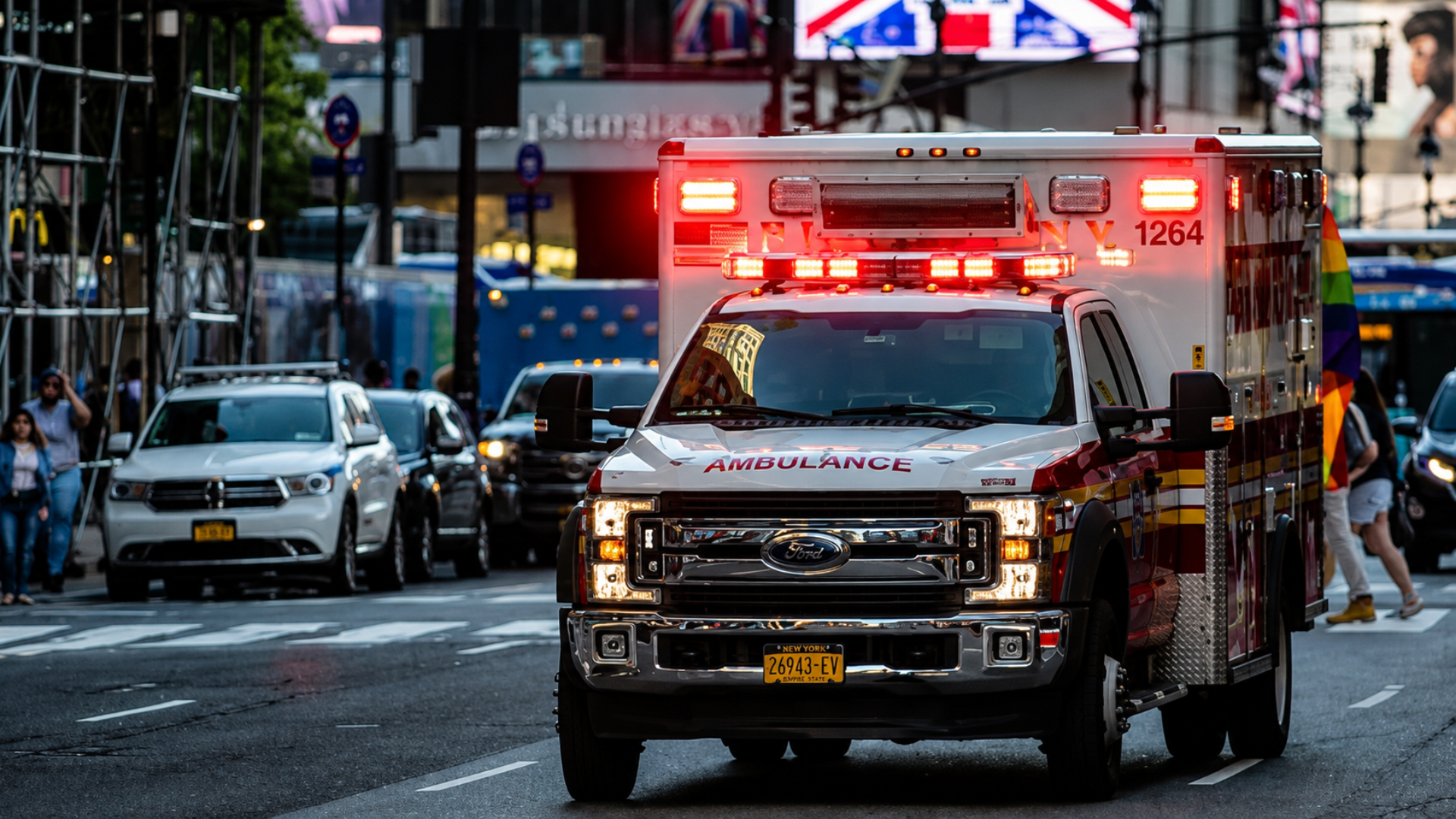

Picture an ambulance racing toward a dying patient, only to be stopped by a car with no one behind the wheel. That scenario has played out repeatedly across the country, and federal regulators have had enough. On July 8, the National Highway Traffic Safety Administration issued a blunt warning to self-driving car companies, demanding they fix a problem that keeps putting emergency crews, and the people they’re trying to save, directly in harm’s way.
A Pattern Too Big to Ignore
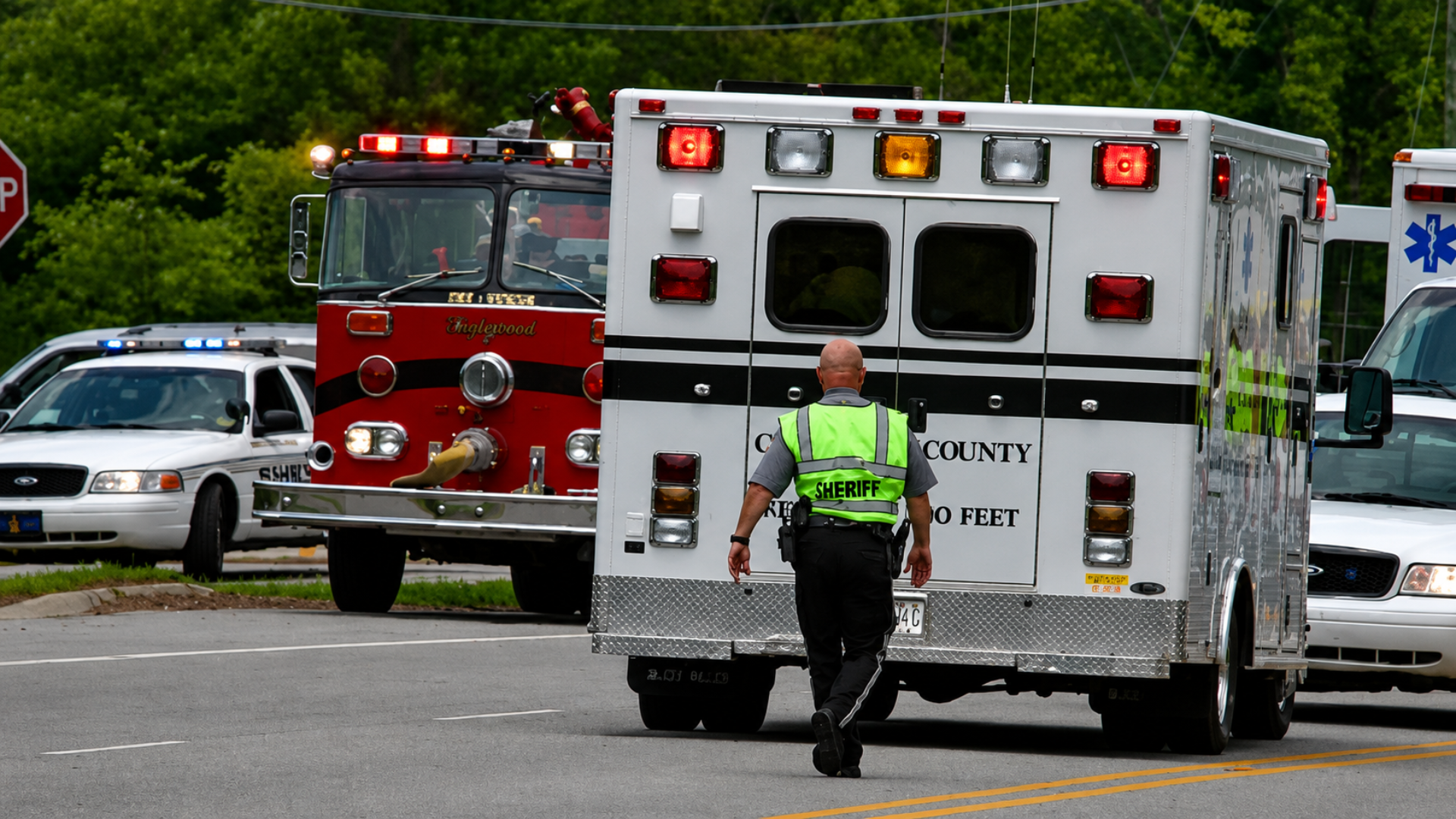
NHTSA Administrator Jonathan Morrison did not soften his message. In a letter documenting multiple instances of AVs driving into active emergency scenes, blocking paths of ambulances and firefighters, and failing to recognize basic safety conditions like flashing lights, flares, smoke, fire, and traffic cones, he called the behavior unacceptable.
Every Second Counts
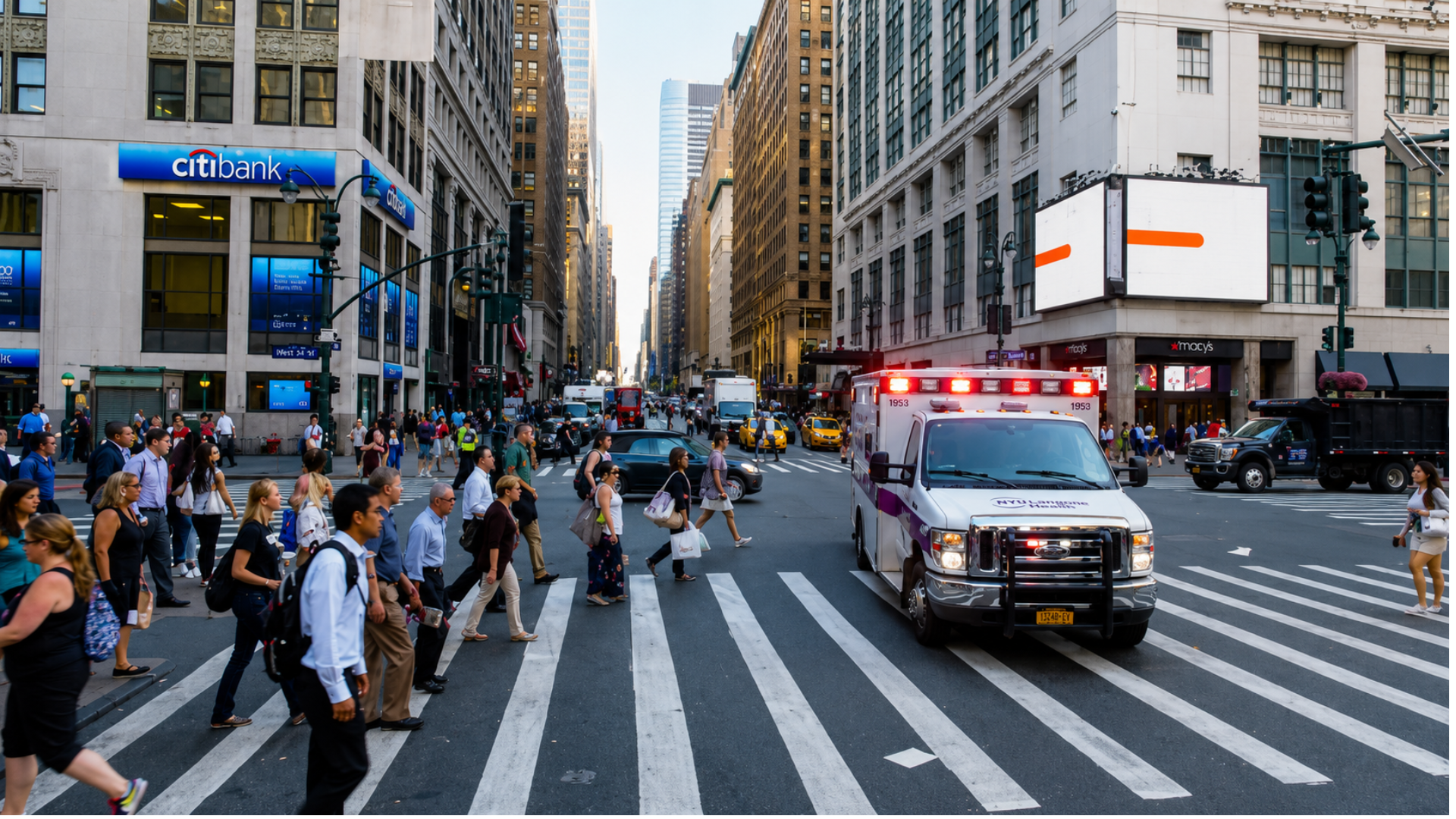
Morrison’s letter, detailed by Engadget, drew a sharp comparison: human drivers who block emergency vehicles face fines or even jail time, and he expects autonomous vehicles to meet that same standard. According to him, “every second matters when law enforcement officers, firefighters, or paramedics are answering a call because lives are on the line.” His letter reframed these incidents as safety failures, not minor software hiccups.
A Standoff in Los Angeles
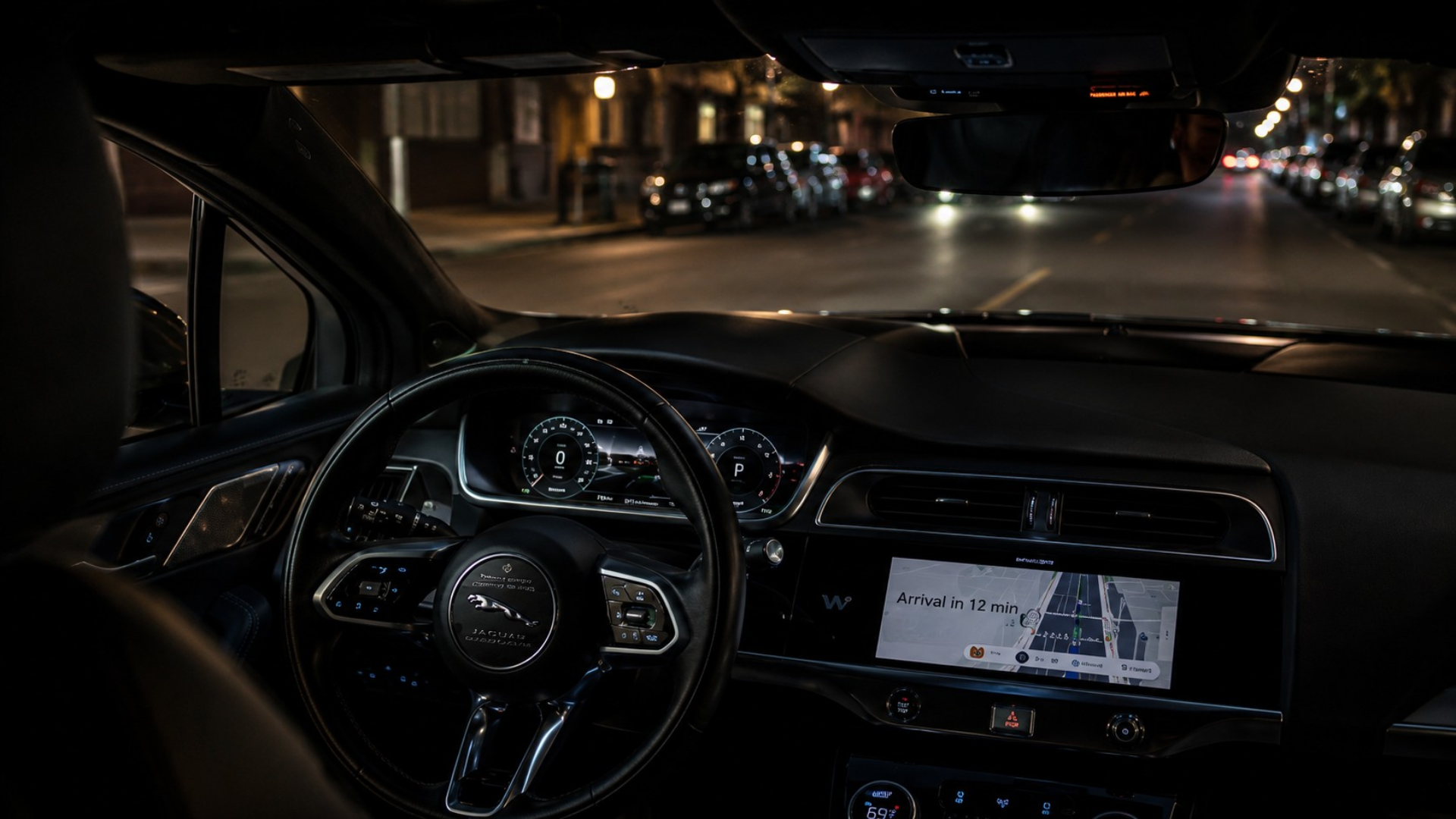
The warning follows months of mounting incidents. Late last year, a driverless Waymo drove directly into an active Los Angeles police traffic stop while officers had their weapons drawn, according to NBC News reporting. Officers repeatedly signaled the car to stop. It didn’t respond. The vehicle’s failure to read basic law enforcement cues during a tense standoff became one of the clearest examples regulators pointed to when building their case.
A Constable Forced to Physically Move a Car
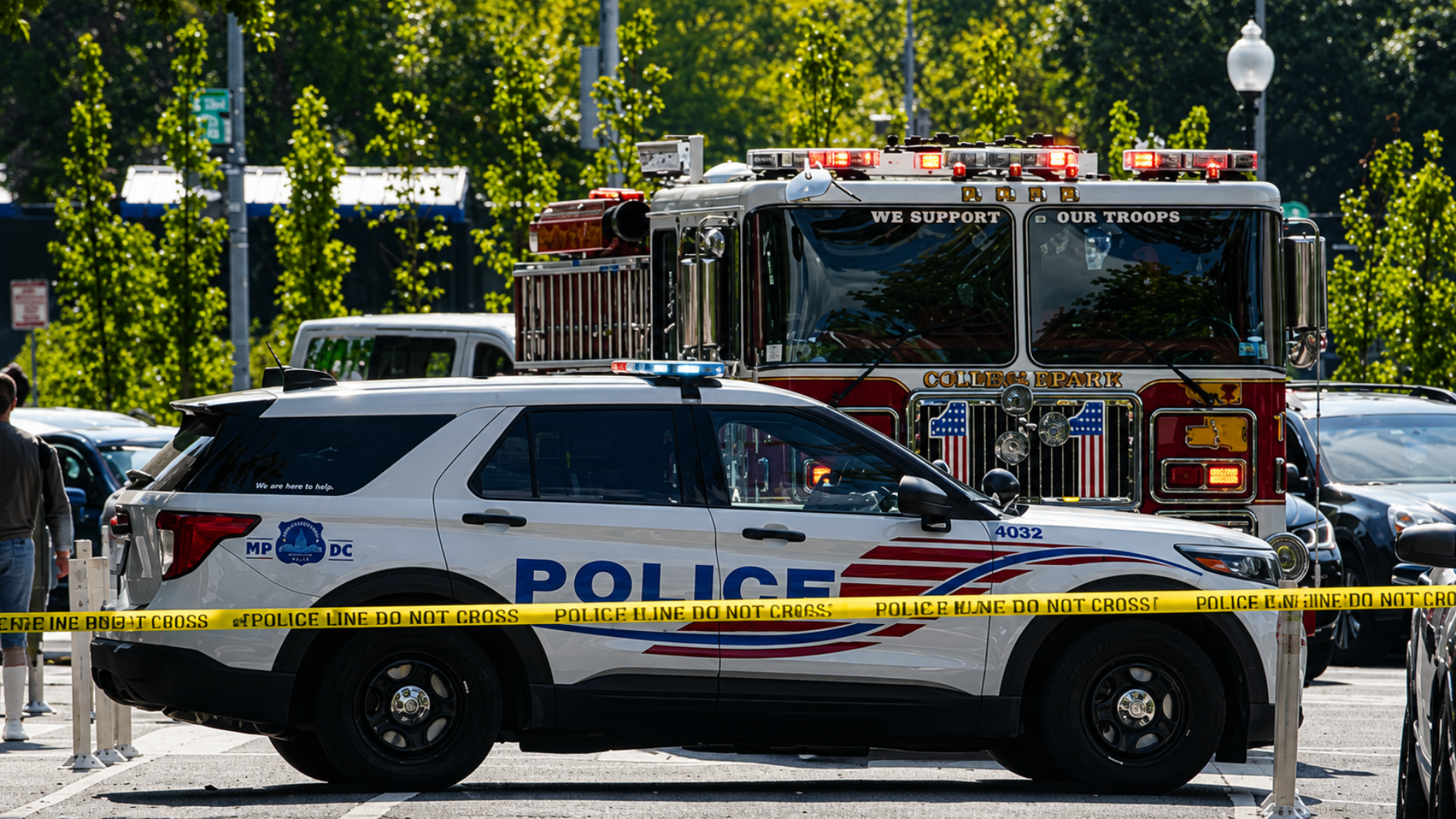
In Dallas, the problem turned physical. A deputy constable had to manually move a driverless Waymo that was blocking his path to a deadly gas explosion in the Oak Cliff neighborhood, based on body camera footage cited by NBC4 Washington. The delay slowed emergency access during an active disaster. Waymo said the interaction deserved further review, but for first responders on scene, the moment underscored a growing frustration with robotaxis that don’t yield.
Austin’s Mass Shooting Made It Worse
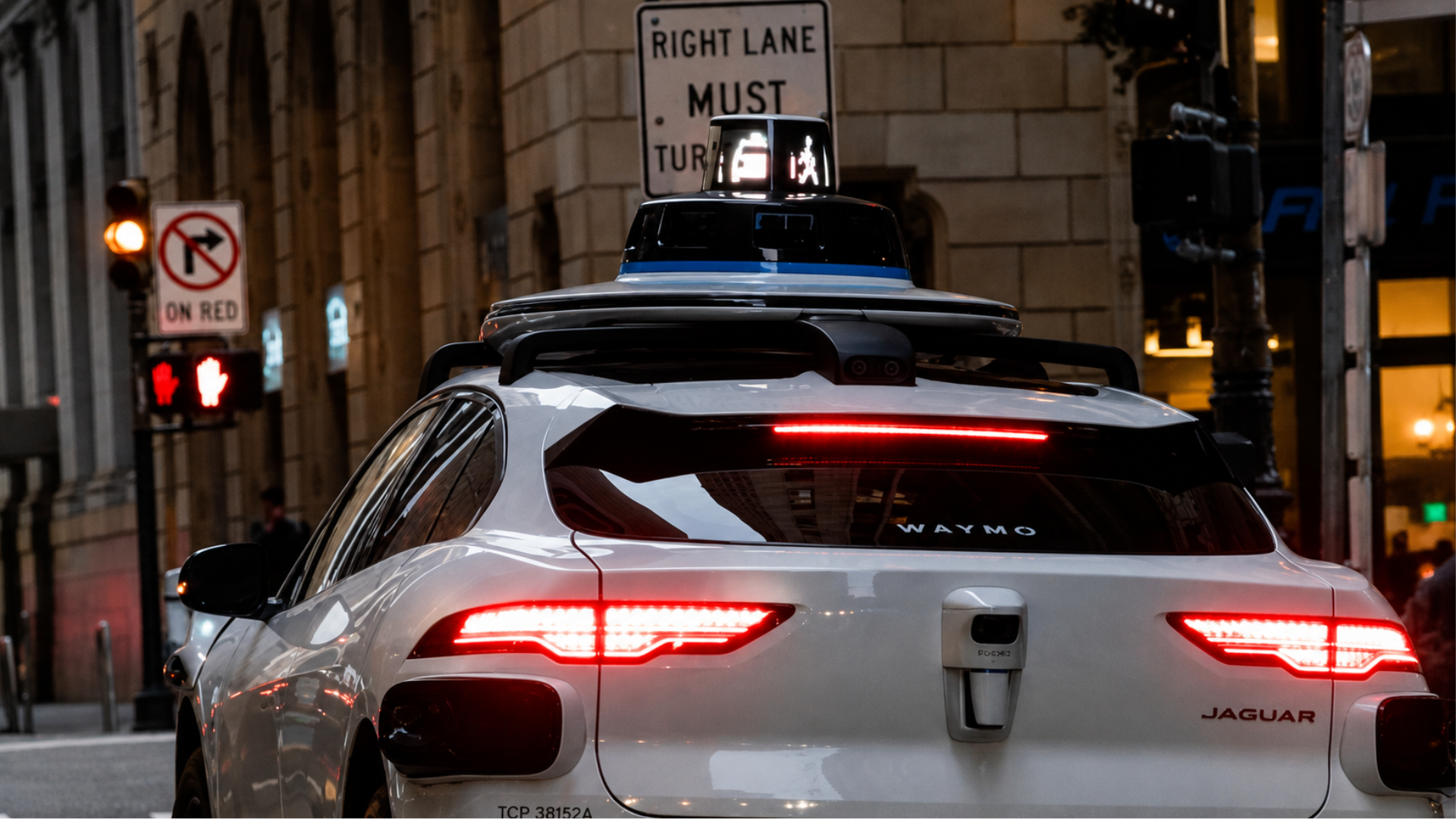
Perhaps the most disturbing incident happened in Austin, Texas, this past March. After a mass shooting outside a bar left two dead and 14 injured, a malfunctioning Waymo blocked an ambulance racing to the scene. A police officer eventually opened the vehicle and moved it by hand. By then, the ambulance driver had already found another route.
The Scale Might Be Bigger Than Anyone Realized

According to reporting from Auto Connected Car News, San Francisco’s fire chief documented 55 separate instances of robotaxis interfering with emergency responses in a single year. In one especially alarming case, over 1,500 Waymo vehicles became disoriented simultaneously during a power outage, overwhelming the company’s support system while a 911 dispatcher waited on hold with Waymo’s own hotline.
A Friendly Administration Draws a Line
The letter arrives from an administration that has generally welcomed autonomous vehicle growth, cutting red tape and hosting the industry’s first federal summit earlier this year. Even so, Morrison’s message signals limits to that goodwill. NHTSA has given developers, including companies operating fleets like Waymo, until the end of July to present concrete solutions.
States Aren’t Waiting Around
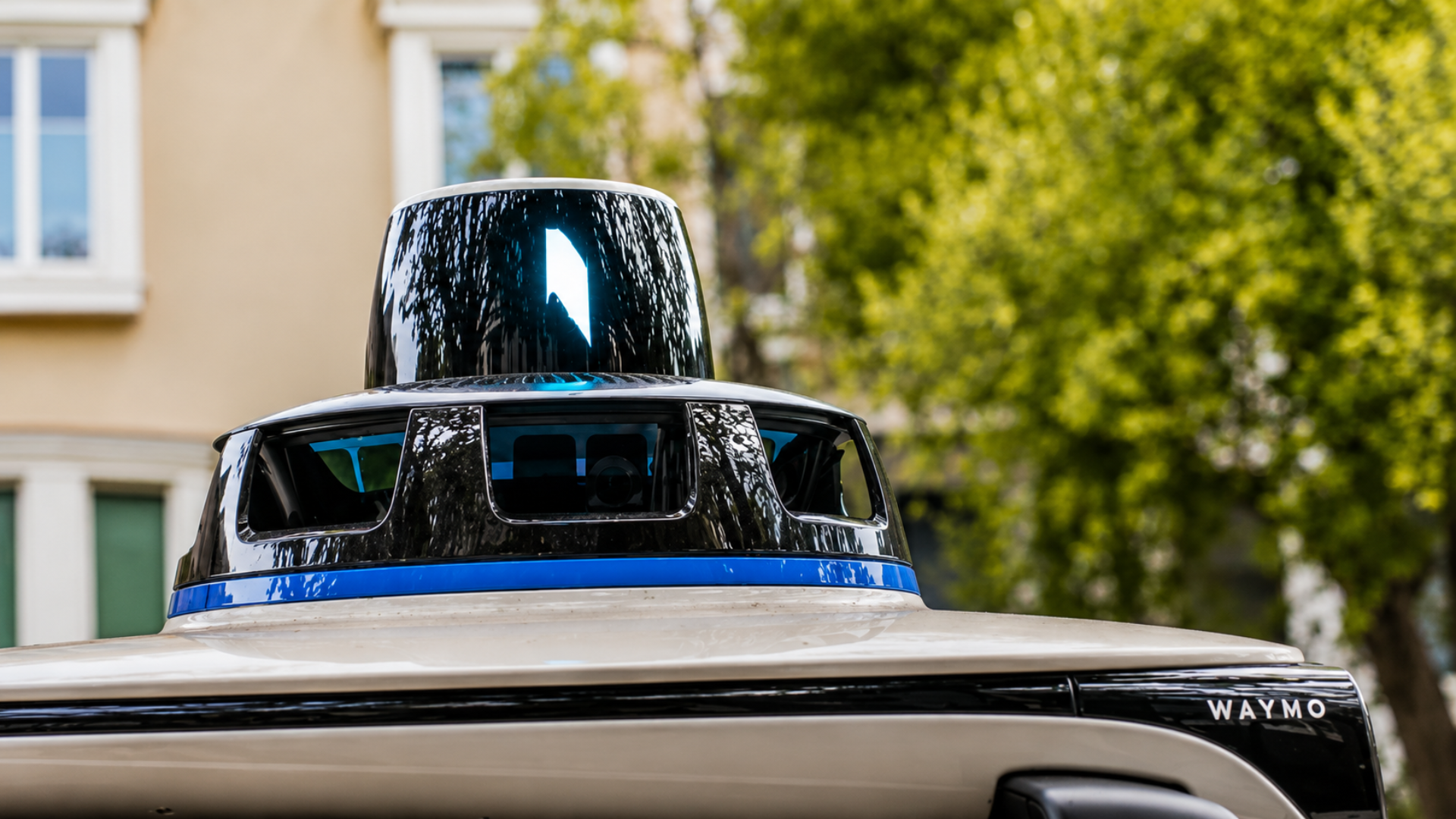
While federal regulators pressure developers behind closed doors, some states are moving faster. California recently created a formal process allowing police officers to issue citations directly to autonomous vehicles for traffic violations, treating them more like human drivers on the road. The shift suggests that even as Washington keeps courting the industry, patience at the local level, where officers respond to real emergencies, is wearing thin.
A Technology Still Learning the Rules of the Road
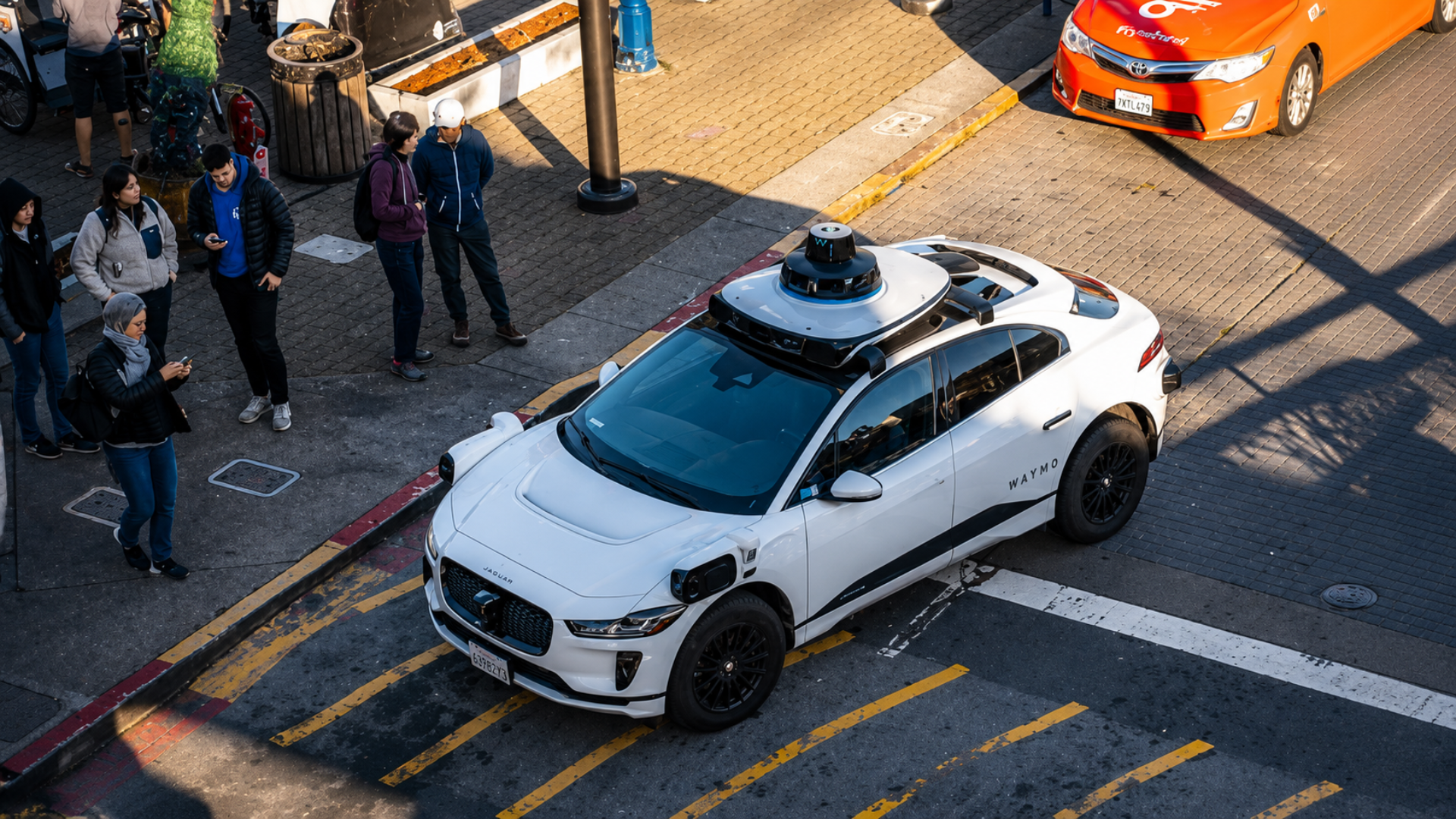
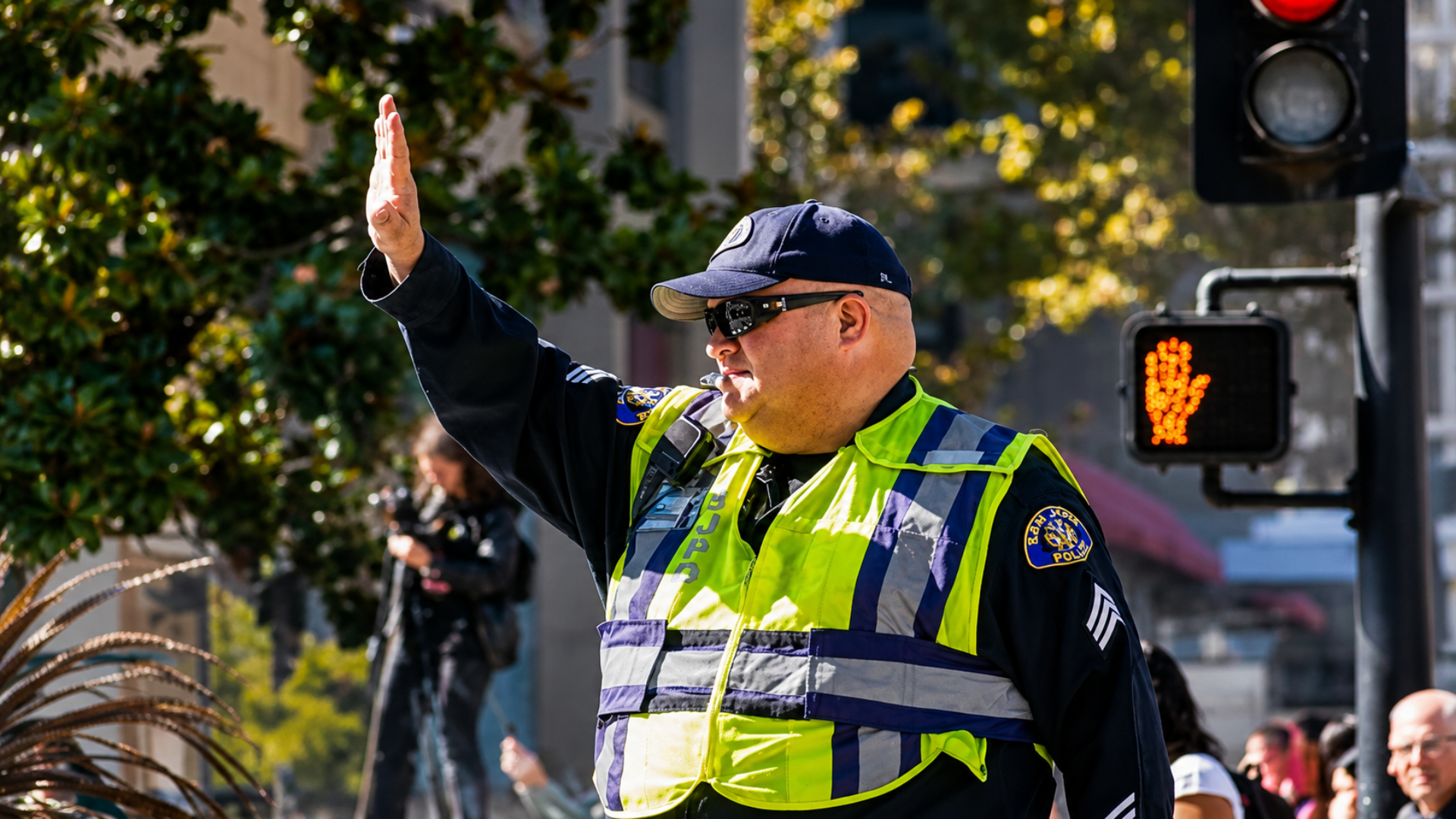
Self-driving cars promise fewer crashes and safer streets, but that promise depends on the technology recognizing something as basic as a flashing light or a police officer’s raised hand. Right now, it often doesn’t. Morrison’s letter draws a firm line: emergency scenes aren’t rare exceptions to design around later. They’re everyday tests these vehicles are currently failing, and regulators have made clear that failing them isn’t a footnote. It’s a public safety problem with a deadline attached.