Federal Prosecutors Charge 2 Scientists With Bringing Deactivated Mpox Into U.S., Allegedly Misleading Authorities


What began as a customs inspection at a Detroit airport has escalated into a federal criminal case involving two scientists who study some of the world’s most dangerous viruses.
Federal prosecutors have charged Vincent Munster and Claude Kwe, researchers affiliated with the National Institutes of Health’s Rocky Mountain Laboratories in Montana, with bringing deactivated mpox samples into the United States without proper authorization and allegedly making false statements to authorities. The charges stem from a January trip to the Republic of Congo, where the scientists had been involved in work related to an mpox outbreak.
According to court filings, the pair arrived at Detroit Metropolitan Airport after spending nine days in Congo and traveling through Paris. Customs officials became suspicious after noticing a large black case during a secondary inspection. Authorities say the researchers described the contents as diagnostic and testing equipment, but further examination led investigators to discover biological samples that had not been properly declared.
What Investigators Say They Found
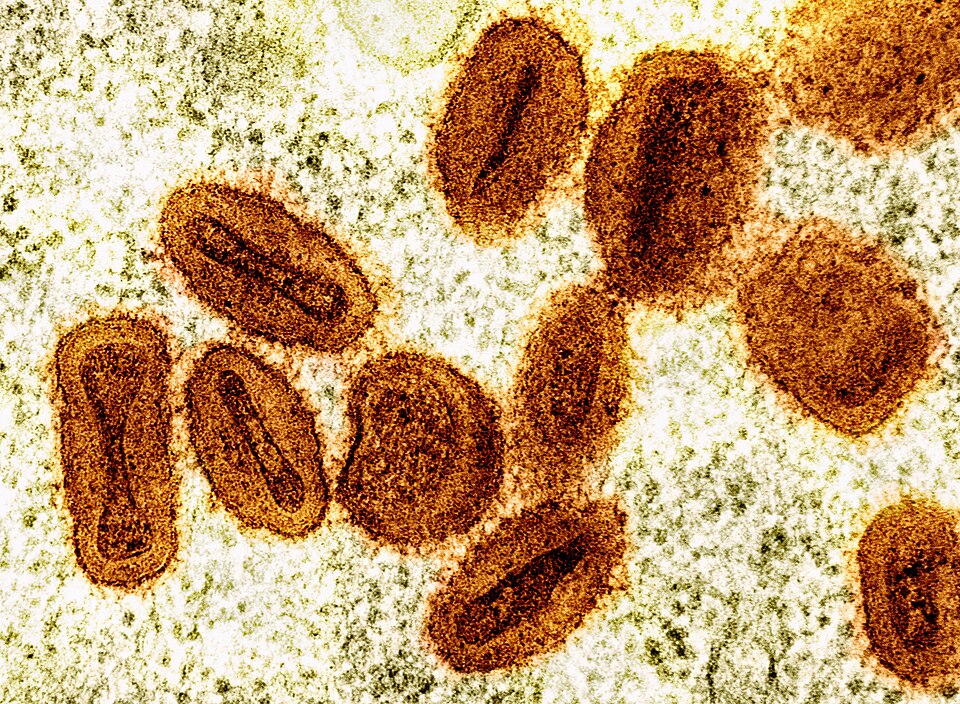
Federal investigators allege that the scientists were transporting 113 vials stored inside Styrofoam coolers. Laboratory testing later determined that several samples contained deactivated mpox virus, while others contained chickenpox virus material and human DNA. Officials emphasized that the viruses examined by the FBI appeared to be inactivated and therefore incapable of causing infection.
Even so, prosecutors argue that the issue centers on compliance with import regulations rather than whether the materials posed an immediate biological threat. Authorities contend that the researchers failed to properly identify the contents of their luggage, lacked required permits, and did not obtain authorization needed to transport the materials into the United States.
The criminal complaint also alleges that Munster denied carrying biological samples when questioned by customs officers. Investigators further claim he suggested any necessary documentation was available on his laptop but not required during the inspection. Federal officials argue those statements were materially false and contributed to the charges now facing both scientists.
Scientific Work Meets Regulatory Scrutiny
The case has attracted attention throughout the scientific community because both researchers have extensive experience studying infectious diseases. Munster, who leads the Virus Ecology Section at Rocky Mountain Laboratories, is widely recognized for research involving Ebola, Nipah virus, coronaviruses, and mpox. He has published hundreds of scientific papers and participated in outbreak investigations around the world.
Some scientists have questioned whether the government’s response reflects the actual level of risk involved. Experts interviewed by Science magazine noted that inactivated viral material is commonly used in diagnostic testing and laboratory research. Several researchers suggested the samples may have been intended for routine scientific purposes rather than experiments involving infectious pathogens.
Others argue that the legal case highlights the importance of following biosafety and importation procedures regardless of intent. Federal agencies maintain strict rules governing the movement of biological materials across borders, and regulators say those requirements help ensure transparency, traceability, and public confidence in scientific research. Even when samples are noninfectious, authorities expect researchers to comply with documentation and permitting standards.
Broader Questions About Biosafety and Enforcement, and What Comes Next
The charges arrive during a period of heightened scrutiny surrounding the transportation and handling of biological materials. In recent years, federal authorities have pursued several cases involving researchers accused of violating import regulations or providing inaccurate information to customs officials. Those investigations have fueled broader debates about research oversight, laboratory safety, and national security.
Supporters of the prosecution argue that scientific credentials should not exempt anyone from regulatory requirements. Federal investigators have emphasized that researchers must accurately disclose biological materials entering the country and obtain the necessary permits before transport. Officials say enforcement is essential to maintaining trust in scientific institutions and safeguarding public health systems. Critics, however, caution against equating administrative or procedural violations with deliberate threats to public safety. Some scientists worry that aggressive prosecutions could discourage international collaboration and outbreak-response efforts, particularly in regions where emerging infectious diseases require rapid scientific investigation.
Meanwhile, Munster and Kwe have denied wrongdoing and entered not guilty pleas in federal court. Prosecutors continue to pursue charges related to conspiracy, smuggling biological materials, and making false statements to federal officials. The National Institutes of Health has said it is cooperating with law enforcement while conducting its own review, while also stressing that the tested samples were determined to be inactivated and posed no apparent danger to laboratory staff or the public. As the case moves through the courts, its outcome could influence how research institutions handle international sample transport, how regulators enforce biosafety requirements, and how governments oversee scientific work conducted across international borders.