Federal Inmates May Soon Have Tablets for Education and Family Calls


More than 156,000 people are locked up in federal prisons today. Soon, many of them could be handed something unexpected: a tablet. The Federal Bureau of Prisons just awarded what it calls a “landmark” contract to bring the devices into every one of its facilities. The goal, officials say, is nothing short of transforming how inmates connect with the outside world.
The Bureau Calls It a Modernization Milestone

According to a news release from the BOP, the new tablet service contract will overhaul how the agency handles day to day custody operations. The bureau says the devices mark a shift away from outdated, paper-heavy systems. It is a bet that technology can ease pressure on staff while giving inmates more structured ways to prepare for life after release.
Screens for Schoolwork and Second Chances

The tablets are designed to give inmates access to education coursework and rehabilitation programming, according to the bureau. That means classes, job training, and reentry resources could soon live on a handheld screen instead of a waiting list for limited classroom space. For an agency that has struggled with staffing shortages disrupting programming, digital access could close real gaps.
Calling Home Just Got Easier

Beyond coursework, the devices will help inmates connect through phone and video calls, the BOP said. Inmates will also be able to securely message loved ones and access video services through the platform. Family contact has long been linked to lower rates of reoffending, and the bureau is framing this feature as central to its rehabilitation strategy rather than a convenience add-on.
Faith, Health, and Daily Life Go Digital

The tablets will also expand access to faith-based services, the bureau said. Beyond religious programming, the devices are set to digitize routine prison operations, including commissary orders, request forms, and program registrations. What used to require paper slips and staff time could soon be handled with a few taps, freeing corrections officers to focus on security instead of paperwork.
The Director’s Case for Change

BOP Director William K. Marshall III, sworn in last year after leading corrections in West Virginia, has pushed technology as a fix for chronic understaffing. In an earlier interview about the tablets, Marshall called them “a game changer,” saying they would help track inmate participation in programs and cut down on missed classes caused by staffing gaps.
A Careful, Phased Rollout
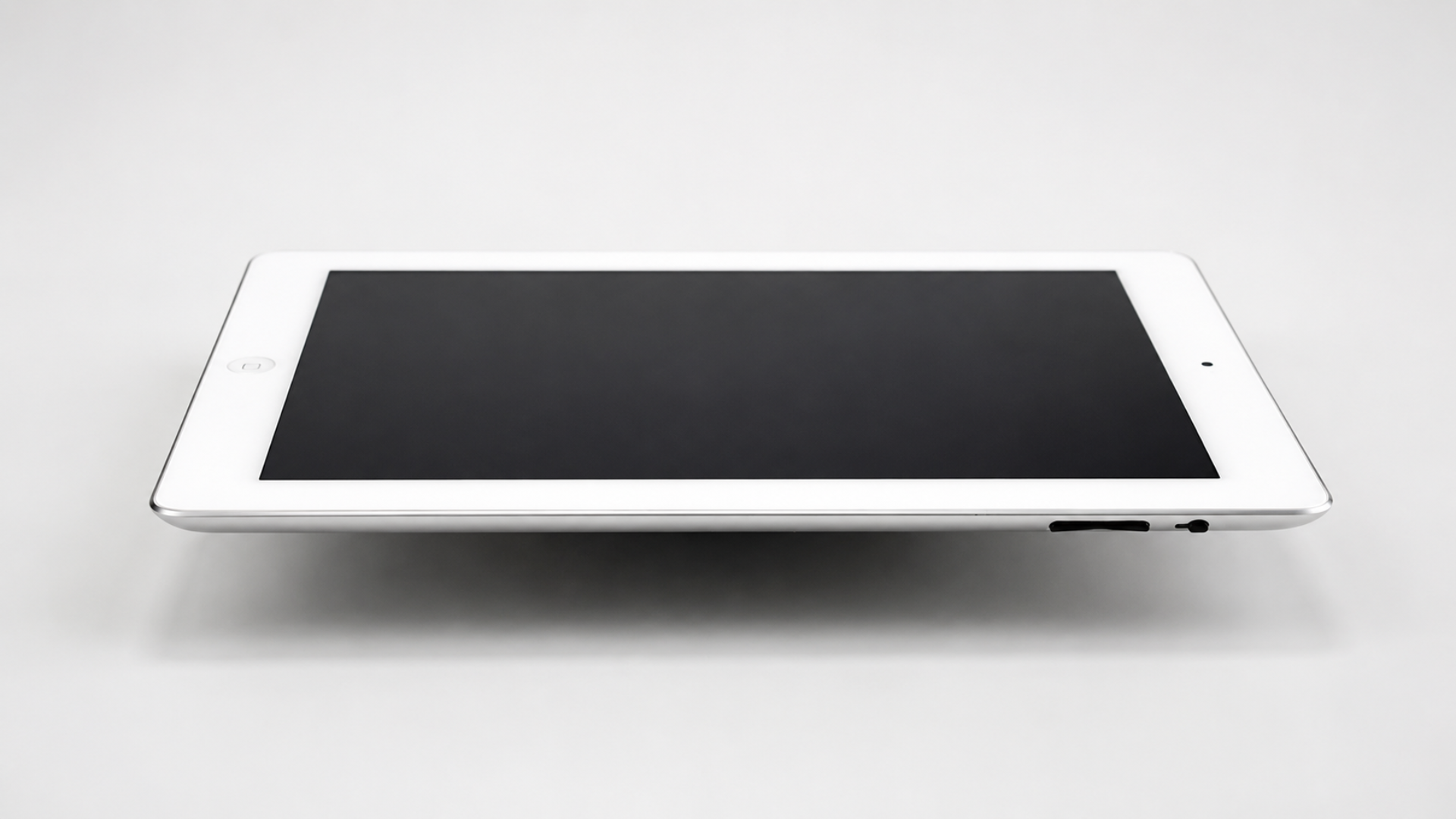
The bureau says tablets will not arrive all at once. Instead, the rollout will occur in phases with “strict” oversight from staff, according to the agency. The Prisons Bureau has not disclosed the name of the company awarded the contract, leaving key details about security features still unconfirmed as facilities prepare for the change.
The Federal System Joins a National Trend

Federal prisons are not the first to try this. At least 48 state prison systems have already rolled out inmate tablets, according to a 2024 report from the Prison Policy Initiative. The approach has become increasingly common nationwide, positioning the federal system as a late but large-scale adopter of technology already tested elsewhere.`
A Program Launching Under Scrutiny

The timing draws attention. California’s state tablet program is currently facing a congressional investigation after reports that inmates used devices to access pornography and, in one case, exploit a minor. Federal officials have not detailed how their new contract will prevent similar misuse, and lawmakers are watching closely as the BOP moves forward with its own version.
A Bet on Access Over Isolation

For an agency of 122 prisons and 36,000 staff members, the tablet contract represents one of its biggest operational shifts in years. Whether it delivers on its promise of stronger family ties and lower recidivism will depend on execution, oversight, and lessons learned from other states’ stumbles. For now, the bureau has staked its modernization plan on a single device fitting in one hand.