Fed Official Warns of “More Pain” Ahead for Americans Already Struggling With High Costs

Gas cost $3.16 a gallon in early October last year. On October 7 the national average reached $4.37, according to AAA figures. That extra $1.21 hits every driver at every fill-up, and it is only one line in household budgets already stretched thin. Several of the country’s most powerful money officials now say the squeeze will tighten. One of them chose a single blunt word for it: pain.
Powell Promised “Some Pain” in 2022, and a New Fed Chair Now Leads the Same Institution
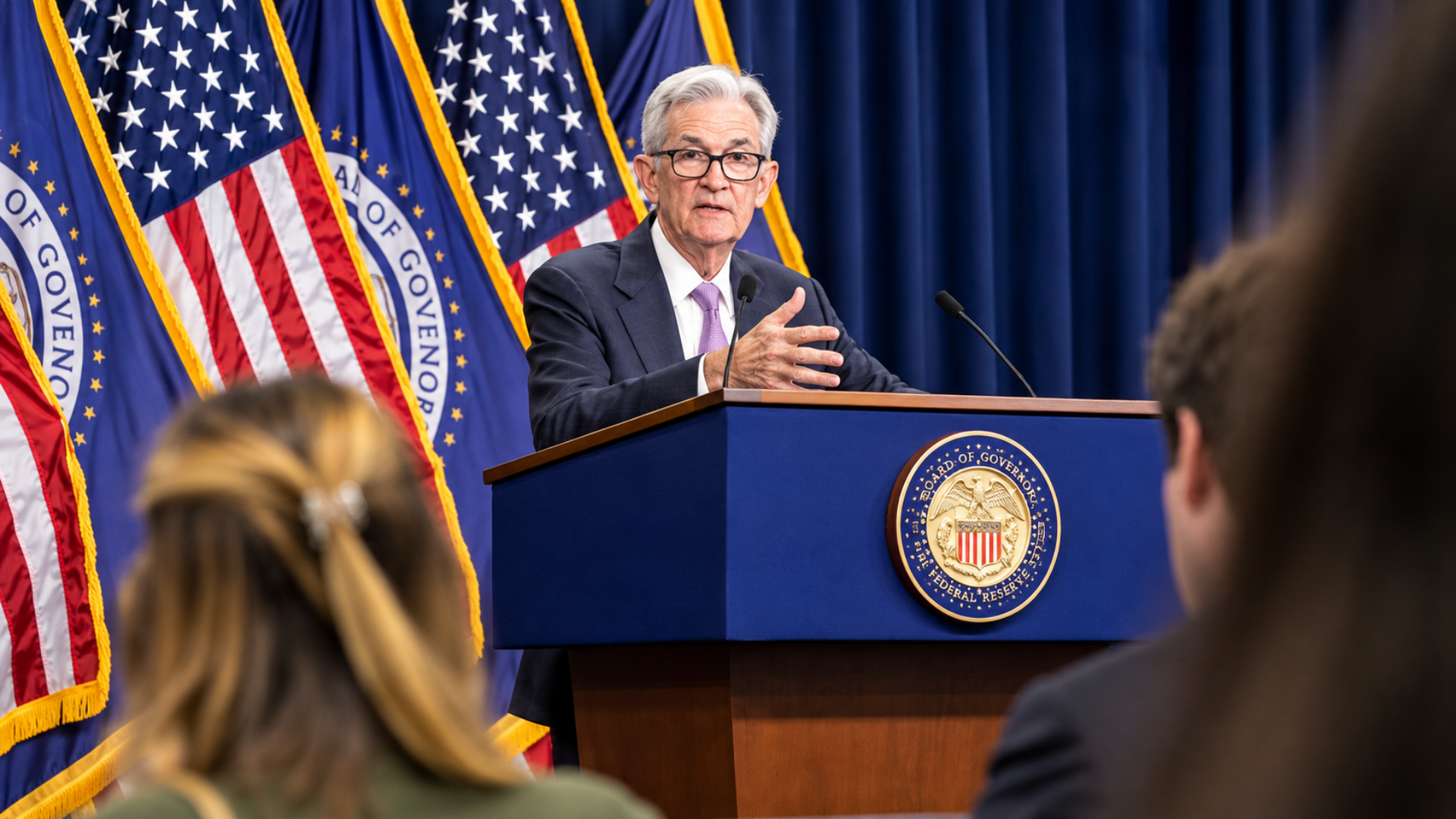
In August 2022, with inflation at multi-decade highs, then-Fed Chair Jerome Powell told a major gathering of central bankers that the Fed had to act “forcefully.” Doing so, he cautioned, would bring some pain for consumers. It was rare bluntness from the head of the world’s most watched central bank. Four years later, Kevin Warsh chairs the Fed, and its officials are reaching for similar language. On September 16, the rate-setting committee voted 12 to 0.
Fed Votes 12-0 to Lift Rates to 3.75%-4.00%, Its First Hike Since 2023
The committee raised its benchmark rate by a quarter of a percentage point, to a range of 3.75% to 4.00%. No member dissented. It was the first increase in more than three years, after the Fed held rates steady earlier this year. Inflation gave the committee its reason: consumer prices in August were 3.4% higher than a year earlier, according to the Labor Department. The trigger for that jump sits far from any Federal Reserve office.
Iran War Has Sent Fuel Prices Soaring Since February, and the Fed Cannot Drill a Single Barrel
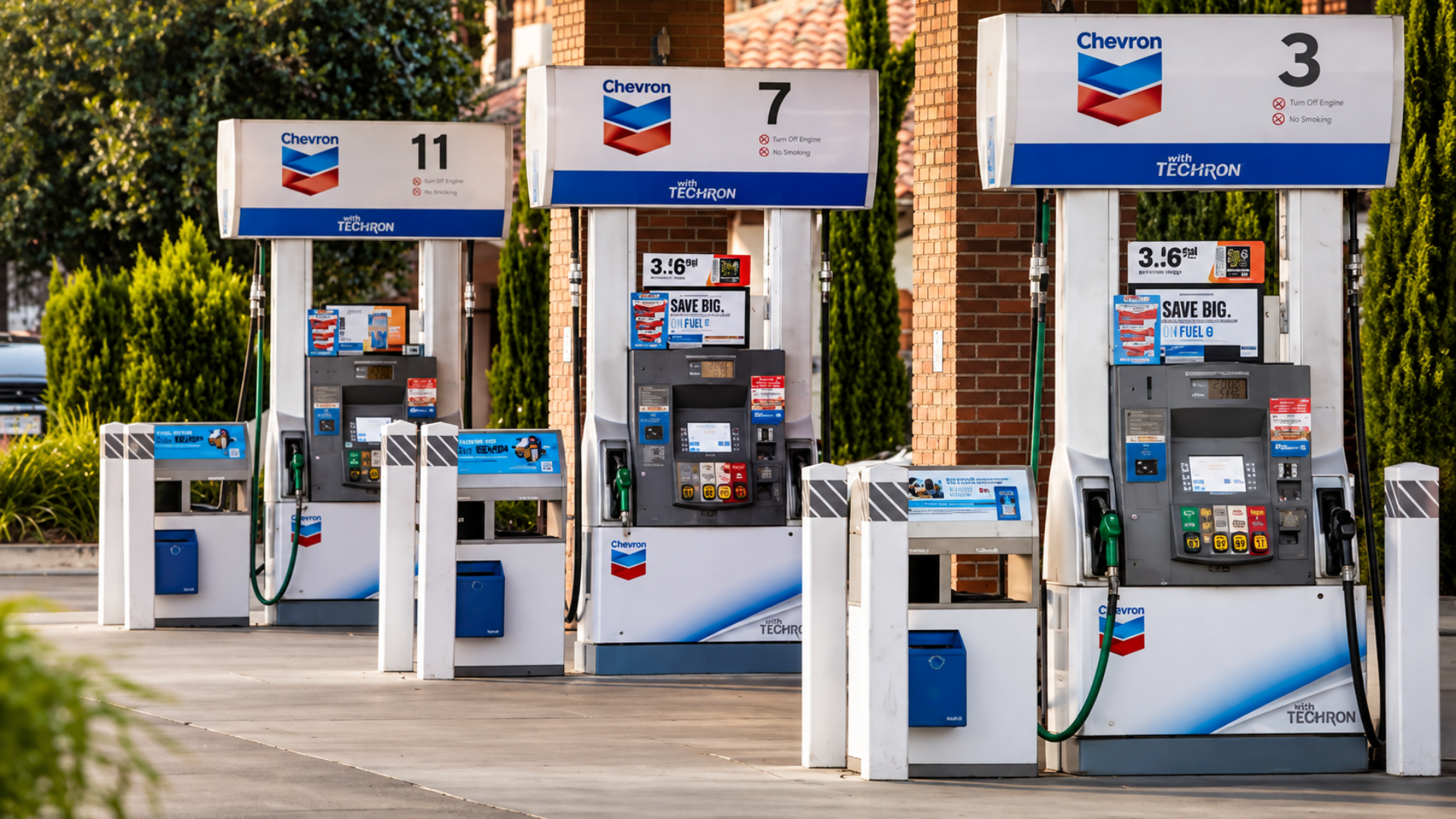
The war with Iran broke out in February, and fuel prices have skyrocketed since. Energy now drives most of the country’s inflation. The Fed has little control over oil production, so it is aiming at something narrower: stopping higher energy costs from spreading into the wider economy and fueling broader inflation. Chicago Fed President Austan Goolsbee says this kind of inflation may be easier to tame than the one that followed the pandemic. He attached a condition.
Goolsbee Says the Fix for Oil-Driven Inflation “Won’t Be Painless Either”
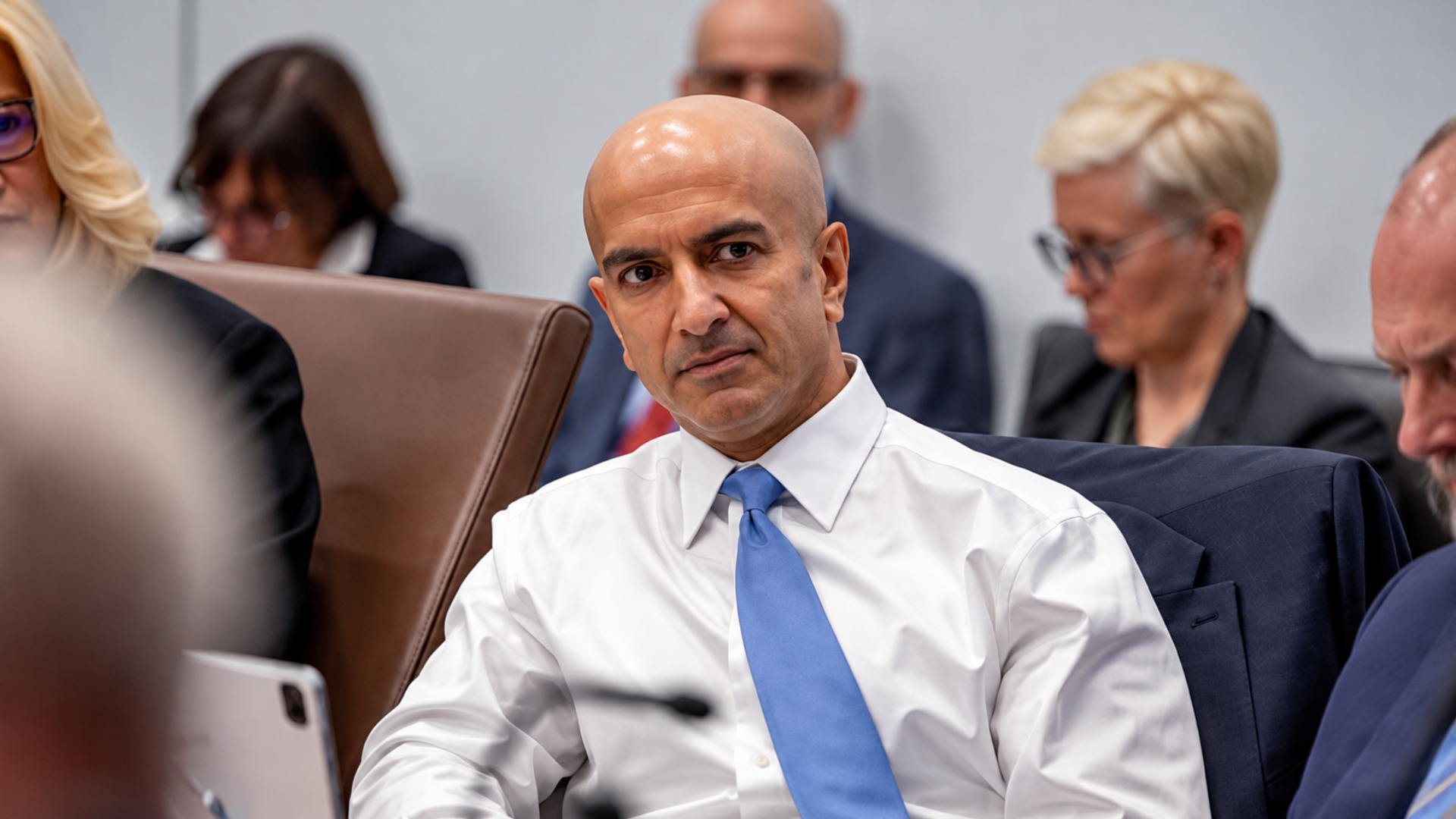
Goolsbee delivered that verdict last month. The Fed’s method is simple on paper. When prices climb too fast, it raises interest rates, which makes borrowing costlier for households and businesses. People borrow less and spend less, demand cools, and pressure on prices eases. The hard part arrives when those same higher borrowing costs reach the companies that employ millions of Americans.
Pricier Loans Can Mean Fewer Job Openings, and US Bank Economist Says Both Sides “Hurt”

Businesses facing higher borrowing costs often hire less. Job openings shrink, and in some cases workers lose their positions. Beth Ann Bovino, chief economist at US Bank, compares inflation to a disease and higher rates to the cure. “I don’t know which is more painful because they both hurt,” she said. Her bigger worry involves the engine of the entire economy, and what happens if households stop feeding it.
Consumers Drive Two-Thirds of the US Economy, and a Pullback Could Tip It Into Recession

Consumer spending makes up roughly two-thirds of US economic activity. If Americans cut back, either because prices swallow more of each paycheck or because costlier loans push them to save for a home purchase, growth slows. In a worst-case scenario, Bovino told CNN, that pullback could help tip the economy into a recession. For now, the strain is landing unevenly across the country. Some households are doing fine.
Stocks Near Record Highs Cushion Investors While Paycheck-Reliant Families Absorb the Blow
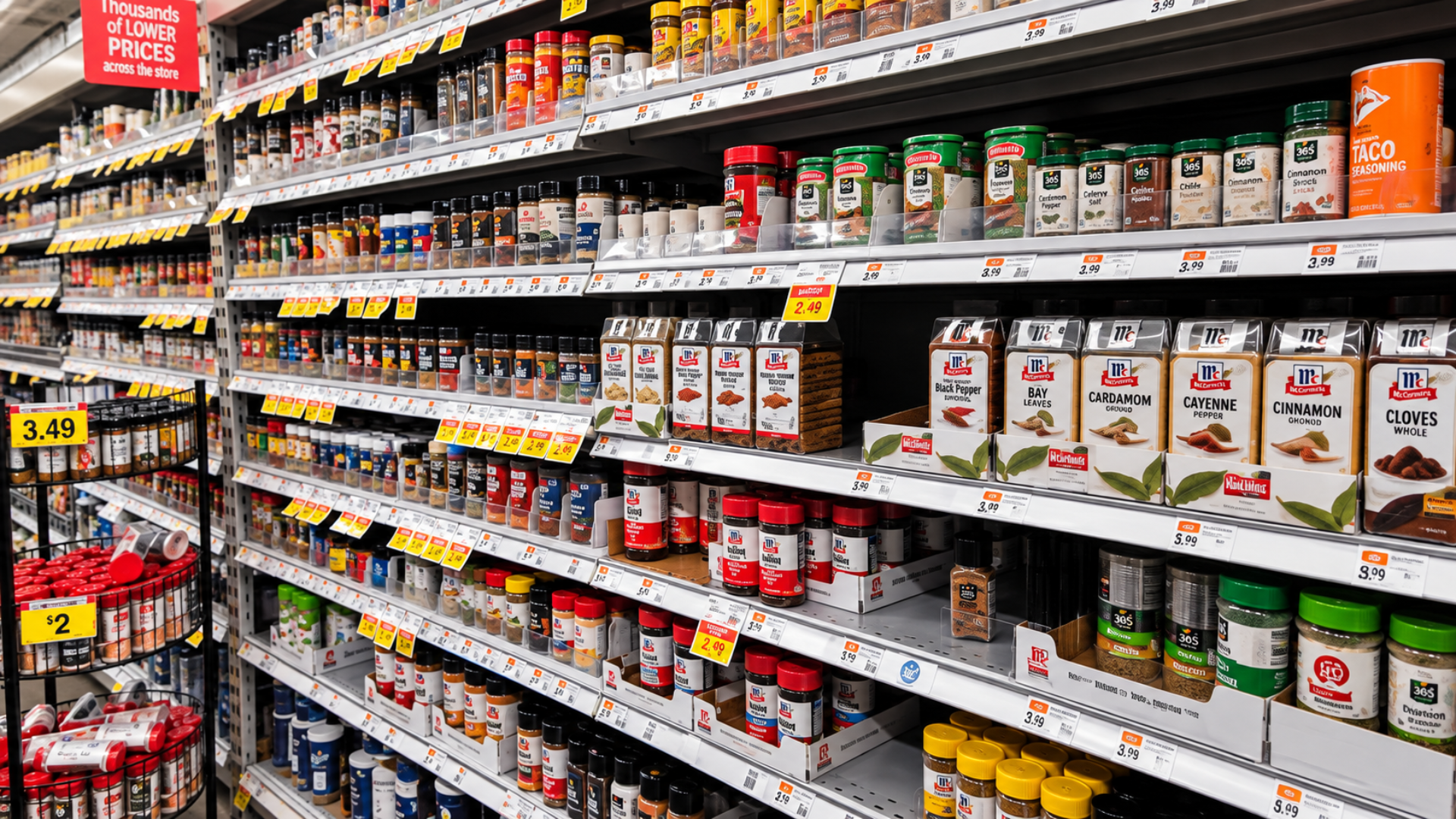
Economic pain isn’t being felt equally. Americans with large stock market investments, with the market hovering near record highs, may be doing just fine. Those who rely mainly on their paychecks for everyday expenses have far less cushion when prices rise. Bovino was direct about who carries the weight: “Those are the people being hurt.” Inside the Fed, meanwhile, officials are split over how fast to move next.
Williams Sees “No Need for Urgency,” While Hammack Warns Delay Brings “More Pain”
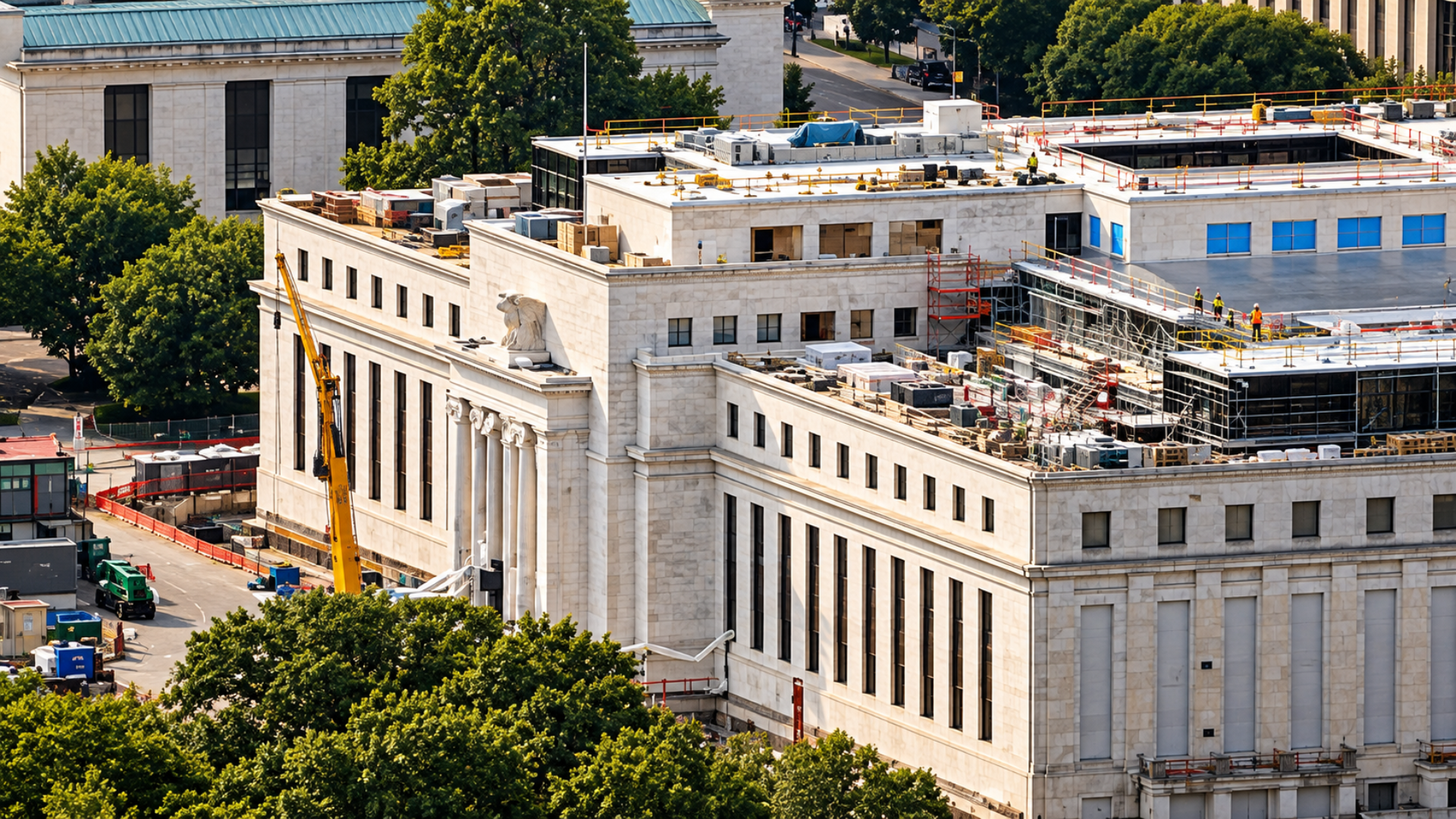
A growing group of officials wants patience. New York Fed President John Williams said last month there is no need for urgency, and Vice Chair Philip Jefferson wants future moves guided by incoming data. Waiting carries its own cost. The Fed’s preferred inflation gauge sits more than a percentage point above its 2% target. In an August CNBC interview, Hammack said the longer inflation lingers, the harder it is to reverse, and the “more pain” people and businesses face. The September inflation report arrives Wednesday, October 14.
Acting Too Soon or Waiting Too Long, Americans Who Live on Paychecks Pay the Price

The Fed faces a choice between moving too early and moving too late, and neither option spares households. Faster hikes make loans costlier and hiring slower. Slower action lets high prices linger. Households that rely on paychecks, with no stock portfolio to lean on, stand closest to both costs. Officials can debate the pace, but the bill already shows up at gas pumps and checkout counters, and it keeps arriving until prices fall.