FDA Approves Emergency Treatment as Flesh-Eating Parasite Sparks Concerns in Two States
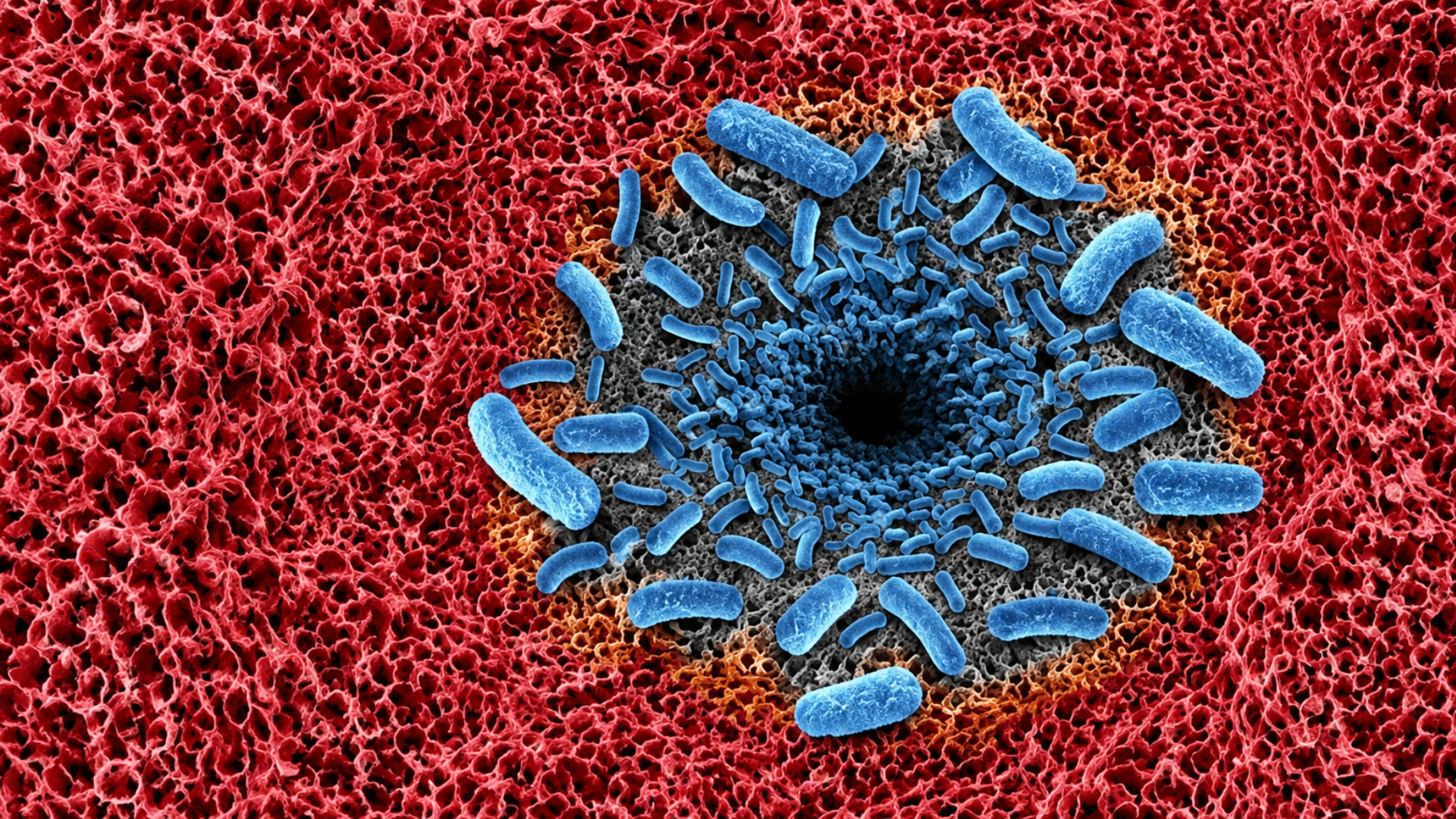

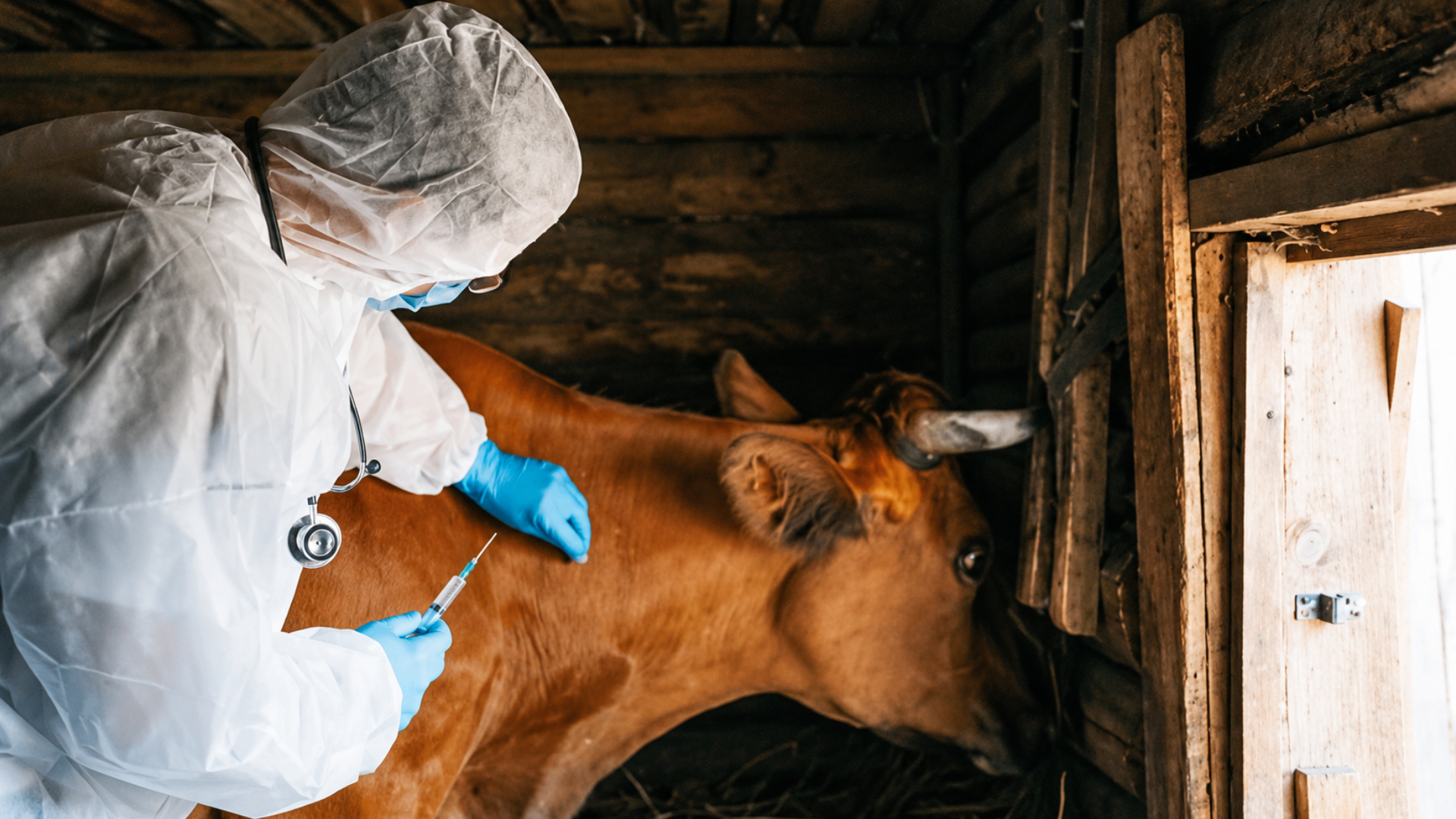
Discovering a tiny tear on your quiet pet usually prompts a quick trip to the medicine cabinet. Livestock owner Arthur Vance experienced this profound vulnerability when a young beef calf began exhibiting extreme distress on his family ranch. The sudden discovery of predatory larvae burrowing into raw tissue shattered domestic security. It proved that aggressive biological vectors can rapidly penetrate heavily monitored border zones, turning a routine chore into a national biosecurity crisis.
Federal field investigators with the Department of Agriculture combined data with veterinary diagnostic teams to verify the threat. Simultaneously, surveillance records from the Centers for Disease Control and emergency declarations from Texas management officials confirm this destructive blowfly is expanding northward. This combined institutional reporting highlights a complete breakdown in historical regional containment. It catches modern livestock producers completely without direct firsthand experience managing active parasitic infestations across the region.
The underlying scale of this emergency spans fifteen confirmed domestic animal cases across expansive rangelands, an area representing millions of dollars in vulnerable agricultural capital. This biological breach represents the first presence of the pest since an outbreak was eradicated nine years ago in 2017. To combat this crisis, federal regulators fast tracked emergency authorizations for generic oral tablets for animals weighing at least two pounds, roughly the size of a small newborn kitten.
When Microscopic Pests Force Strict Regulatory Quarantine on Family Farms
State animal health registries indicate the current infestation encompasses parts of ten distinct Texas counties, a collective territory larger than the state of New Jersey. Data sheets from the Texas Animal Health Commission and interstate transport records confirm all managed animals leaving these zones must secure official health certificates. This mandatory requirement means small independent transport operations face substantial administrative delays, transforming an isolated biological issue into a heavy logistical hurdle for local family farms.
Responding directly to the evolving outbreak, Acting FDA Commissioner Kyle Diamantas confirmed his agency spent nearly a year readying for the parasite by expediting critical drug reviews. Meanwhile, entomologists at the Swine Health Information Center warned that the expansive, rugged terrain of the Southwest makes early visual detection exceptionally difficult. This conflict highlights a severe structural gap where centralized federal drug approvals must scramble to keep pace with an elusive, fast moving ecological threat.
The physical consequence manifests as a painful condition known as myiasis, where hundreds of hatched maggots systematically devour living tissue. Because adult female flies are attracted to minor wounds, ordinary procedures like branding introduce immediate entry points for deadly larval contamination. This threat forces operators to dedicate substantial daily labor to individual animal inspections, escalating the overhead expenses of neighborhood ranches. Ultimately, the parasitic reemergence permanently alters the baseline cost of maintaining domestic herds.
When Flesheating Organisms Migrate From Distant Pastures Into Suburban Neighborhood Backyards
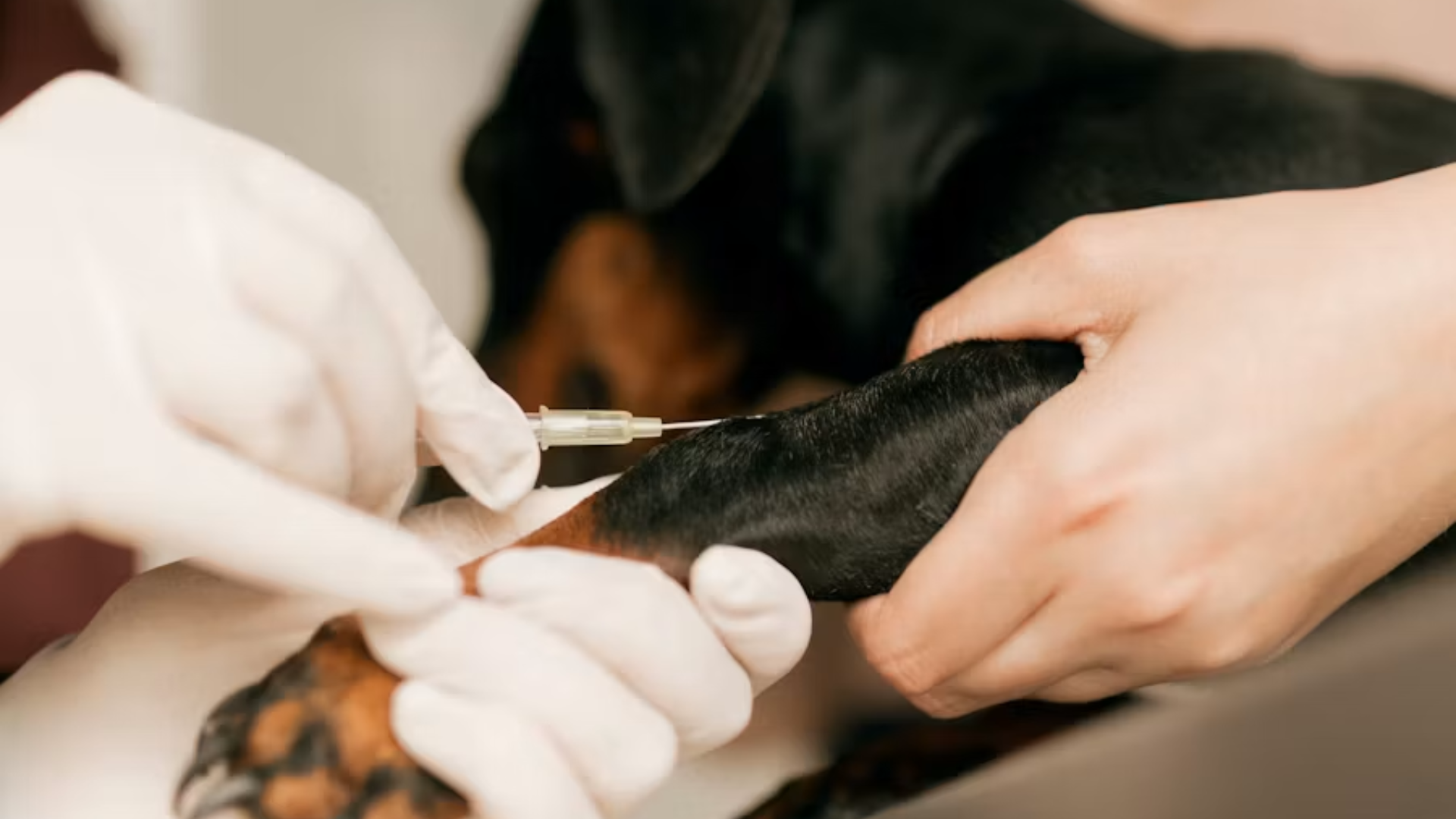
Regional public health tracking networks indicate the threat has rapidly expanded past industrial livestock farms into suburban residential spaces, complicating traditional containment strategies. Diagnostic confirmations from Lea County, New Mexico, verified a domestic pet dog contracted the flesh eating larvae, illustrating that ordinary neighborhood animals face immediate exposure risks. This transmission pattern proves the biological threat is no longer confined to isolated cattle operations, moving the danger directly into local family backyards.
In response to this expanding geographical footprint, local veterinary clinics and municipal animal shelters drastically intensified public communication campaigns. City animal control departments are actively distributing educational materials at community parks, urging residents to inspect animals daily for foul smelling sores. This localized pushback shifts the responsibility of biosecurity away from remote border checkpoints, placing it directly onto ordinary suburban homeowners trying to protect household pets from painful infestations.
“The FDA has spent nearly a year fast-tracking reviews and readying for the arrival of New World screwworm in the U.S. Following treatment with Nitenpyram Tablets, a veterinary professional may need to physically remove any remaining live or dead larvae. This task is best performed by someone with training in veterinary medicine to minimize the risk of infection or further tissue damage.”
How Unchecked Ecological Breaches Threaten the Longterm Survival of American Agricultural Economics

Long term agricultural projections indicate an uncontrolled expansion of the parasite could inflict multi billion dollar losses, an amount greater than the entire annual economic output of some small American states, across the national beef industry. Financial models from the American Farm Bureau Federation show unchecked larval spread would rapidly decimate livestock inventories. This potential economic contraction ensures that a microscopic parasite could easily disrupt the daily grocery budgets of millions of everyday citizens.
Historical data collections from the past sixty years reveal the original eradication required decades of continuous, coordinated international releases of billions of sterile insects. Epidemiological records from recent Central American outbreaks confirm the species caused over two thousand human cases, a number equal to the entire population of a small rural town. This reality demonstrates that once a vector breaches boundaries, reclaiming total eradication requires decades of uninterrupted federal funding.
Consequently, the modern return of this aggressive livestock pest leaves a profound structural challenge that no quick emergency pharmaceutical authorization can fully resolve. While oral medications provide rapid relief for individual domestic animals, they offer no permanent protection against immediate environmental reinfestation. Changing climate patterns ensure that biological borders remain highly permeable, leaving regional communities vulnerable to an invisible threat. The nation is left confronting an ongoing ecological struggle that fundamentally threatens the basic security of our homes.