FBI Wants Nationwide Access to License Plate Cameras With “Near Real-Time” Tracking
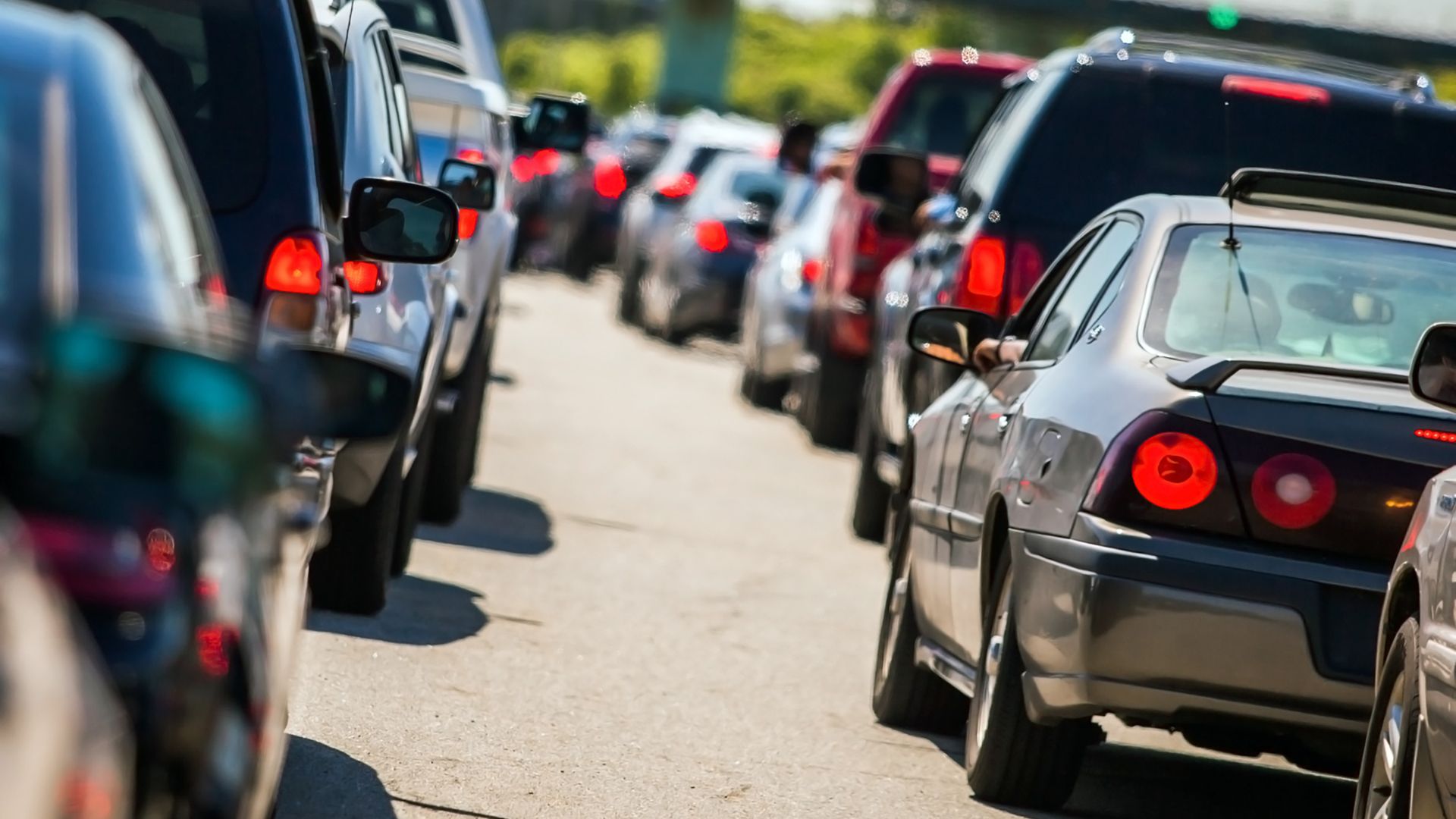

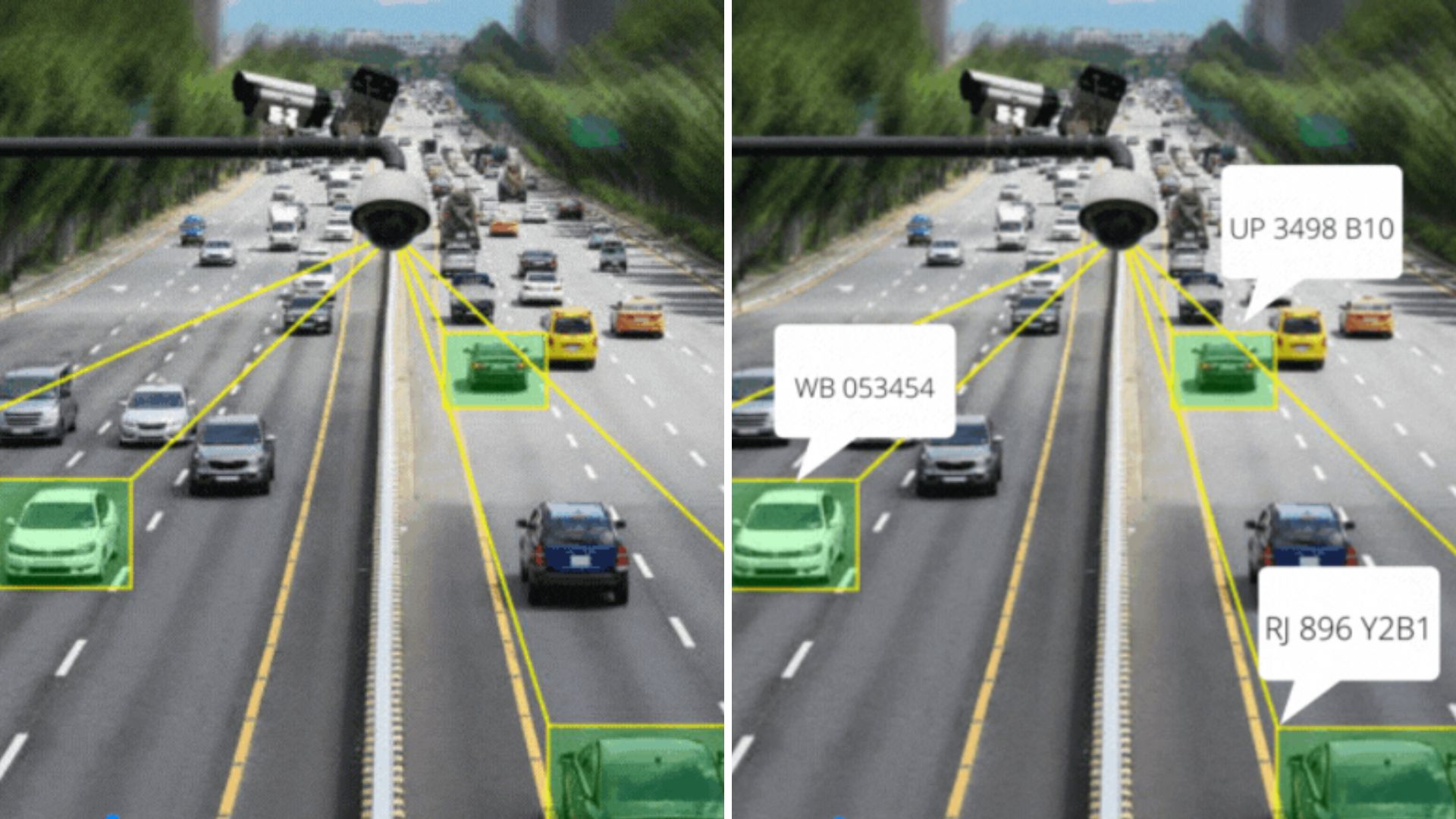
Every time you drive past a stoplight, a police cruiser, or a repossession truck, a camera may be recording your license plate, your location, and the time. Now the FBI wants to tap into all of it. In a procurement document published May 14, 2026, the bureau announced plans to buy nationwide access to a network of automated license plate readers, capable of tracking vehicles across the United States in near real time.
FBI’s $36 Million RFP Targets 75% of U.S. Locations for Vehicle Tracking
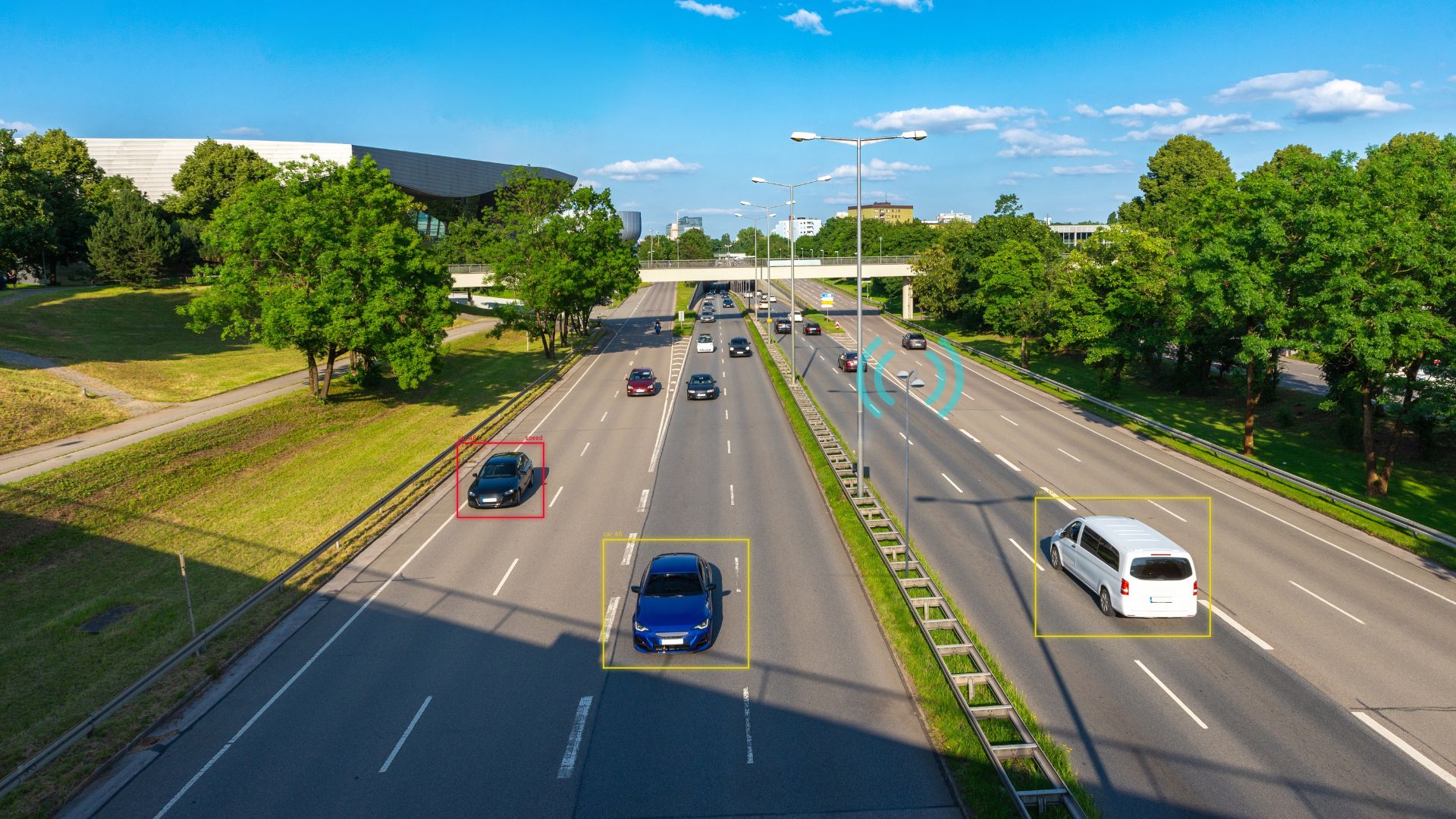
The FBI’s Request for Proposals lays out an ambitious scope. The winning vendor must cover at least 75 percent of locations across the country and deliver a searchable database available to FBI users through a standard web login. The contracts can run up to five years, with the total value reaching $36 million. The bureau said it may split the work among multiple vendors to meet its coverage targets across six geographic regions.
The System Must Search Plates, Locations, Dates, and Vehicle Descriptions
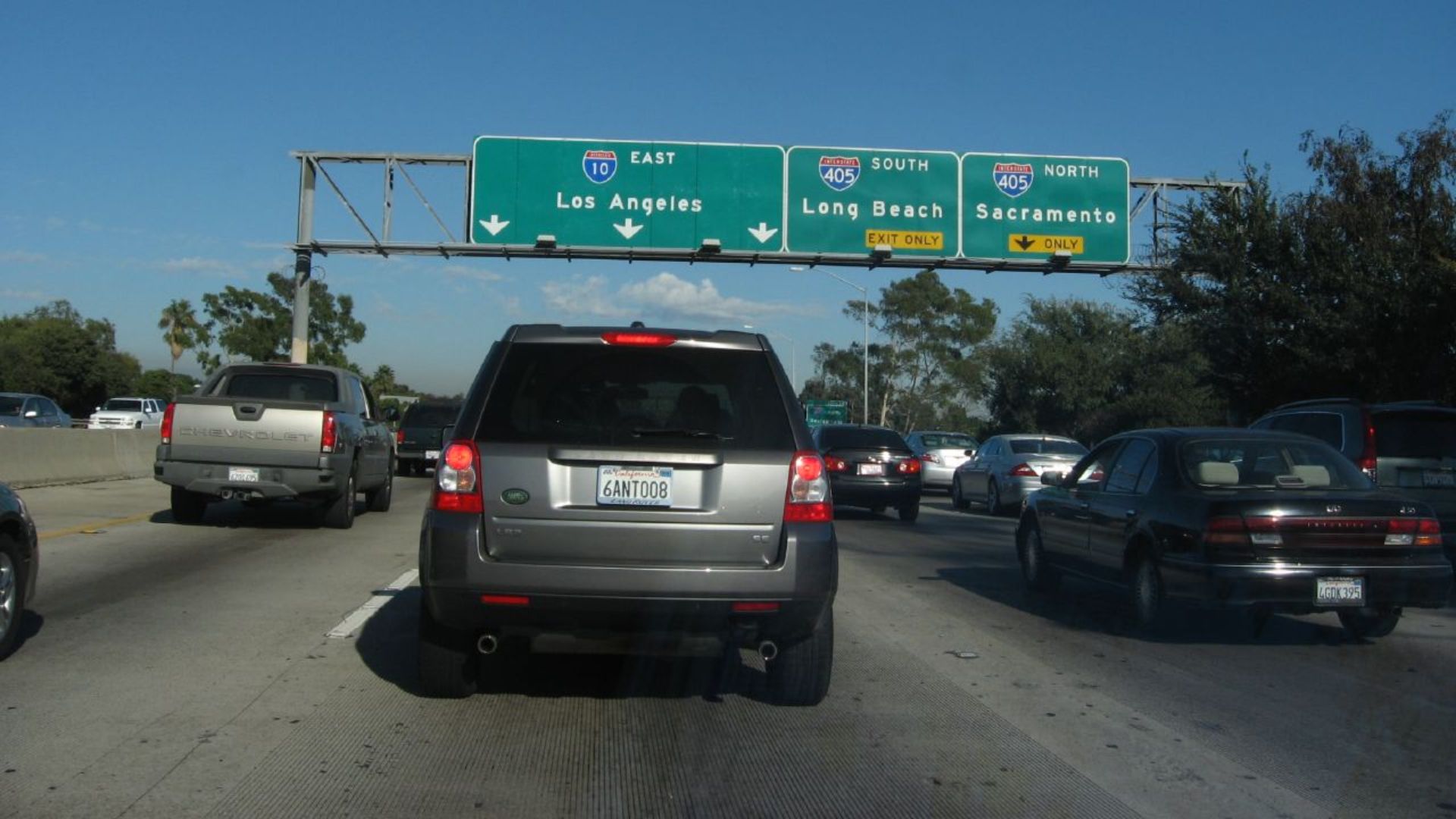
The FBI’s requirements go well beyond simple plate lookups. The system must allow agents to search by partial or full plate number, plate state, address, vehicle make and model, and geographic coordinates. It must also support time and date filters and deliver real-time alerts on search results. Contractors must supply heat maps showing camera coverage and disclose the source of every data point, whether from red-light cameras, speed cameras, or commercial repossession vendors.
Flock Safety and Motorola Solutions Are the Frontrunners for the Contract
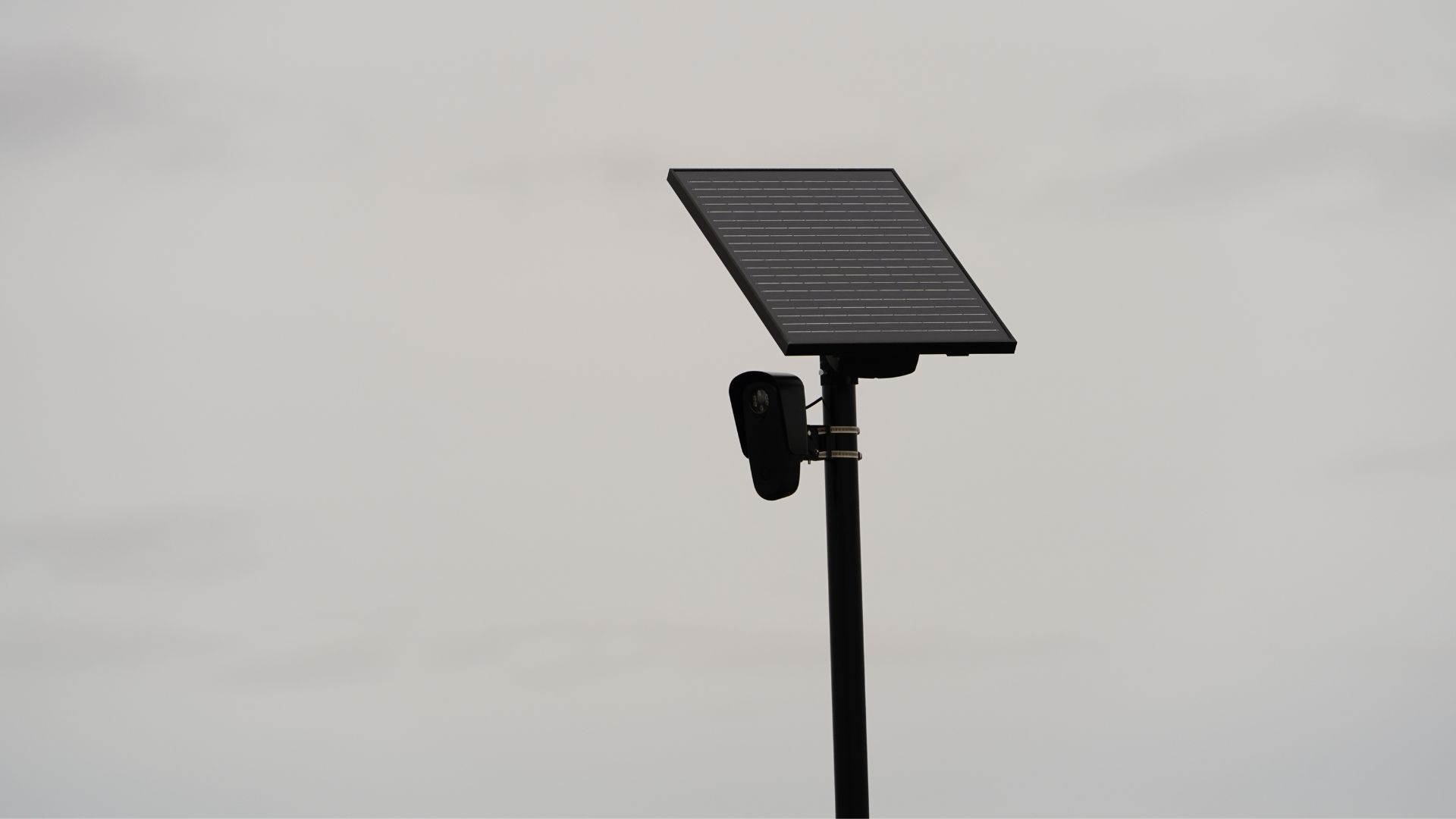
Two companies dominate the field. Flock Safety operates a network of automated plate readers sold to over 12,000 local police departments, cities, and counties. Motorola Solutions offers cameras mounted on highways and police vehicles. Both are well-positioned to bid, and because the FBI may award separate contracts per region, both could win a share of the deal. The bureau divided the country into six zones: eastern and western continental U.S., Hawaii, Alaska, Puerto Rico, and outlying territories including Guam and the U.S. Virgin Islands.
The FBI Already Runs a License Plate Program. This Would Vastly Expand It
The FBI is not starting from scratch. A Congressional Research Service report confirms the bureau already operates a license plate reader program that shares vehicle data with federal, state, local, and tribal law enforcement partners. The agency maintains a “hot list” of flagged vehicles that partner agencies can cross-reference. The new contract would give the FBI’s Directorate of Intelligence direct query access to a far larger commercial network, widening the reach of that existing infrastructure significantly.
Federal Agencies Already Found a Back Door Into Flock’s Network Without a Contract

The federal government’s appetite for plate reader data predates this RFP. According to reporting by 404 Media, local police departments ran searches of Flock’s system on behalf of U.S. Immigration and Customs Enforcement without a formal federal contract in place. Flock also ran a pilot program granting temporary access to Customs and Border Protection, Homeland Security Investigations, the Secret Service, and Naval Criminal Investigative Service. Sen. Ron Wyden’s office confirmed the pilot after Flock disclosed it.
Flock Says Local Agencies Control Their Data. Federal Sharing Is Opt-In Only
Flock pushed back on concerns about federal overreach. The company says data from its cameras belongs to the local agency that purchased the system, not to Flock itself. Sharing with federal agencies is turned off by default, the company said, and any access requires an explicit decision by the local agency. In March 2026, Flock announced a new policy framework aimed at giving communities formal control over those decisions. “There is no backdoor into Flock,” the company stated. “Any access is explicitly permission-based and opt-in.”
California and Virginia Already Restrict Federal Access to Plate Reader Data
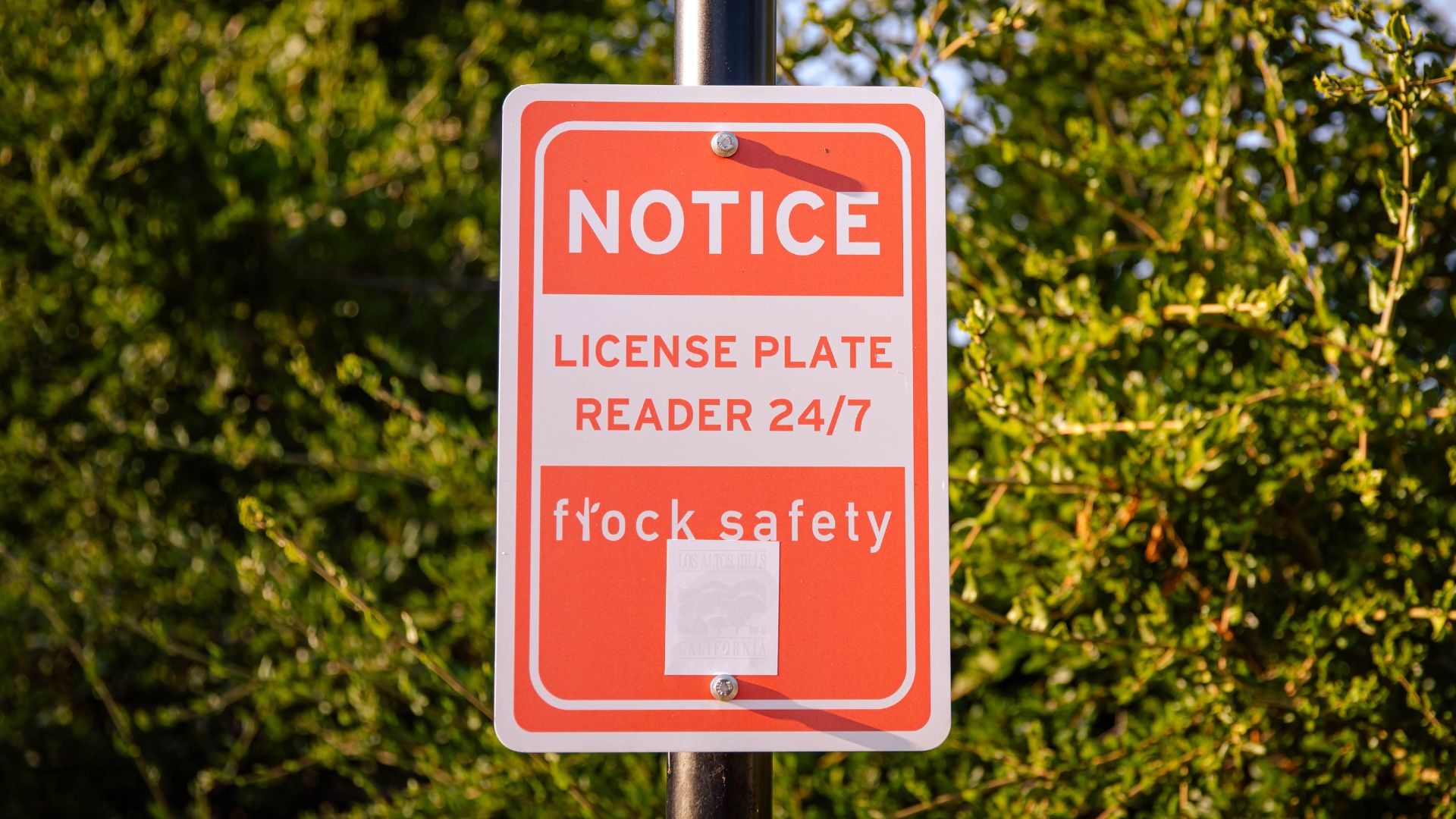
At least two states have passed laws that could limit the FBI’s reach. California prohibits state and local agencies from sharing plate reader data with out-of-state or federal law enforcement, though the Electronic Frontier Foundation found in January 2024 that dozens of California agencies violated that law. Virginia enacted similar restrictions last year. The FBI acknowledged the legal landscape in its RFP, requiring vendors to identify server locations and confirm compliance with state and local laws on plate reader data.
No Warrant Required. Critics Say the Plan Exploits a Constitutional Loophole
The FBI’s plan does not require agents to obtain a warrant before querying the database. Legal experts and civil liberties advocates argue this exploits a gap in Fourth Amendment protections: because license plates are visible in public, courts have generally not treated scanning them as a search. But the scale changes the calculus. Reps. Thomas Massie and Lauren Boebert introduced the Surveillance Accountability Act in April 2026, which would require warrants before federal agencies use plate readers or purchase location data from commercial brokers.
The FBI’s Plate Reader Plan Sets a Precedent for Warrantless Mass Vehicle Surveillance
What the FBI is proposing is not a targeted investigation tool. It is standing access to a commercial surveillance network covering most of the country, queryable at any time, without judicial oversight. The bureau frames it as a threat management necessity. Critics see a federal dragnet built on the infrastructure of local policing and private vendors. With state laws already strained and legislative pushback still emerging, the gap between what the law permits and what the technology enables has never been wider.