Farmers Faced 300% Tax Increases Until A Governor Stepped In
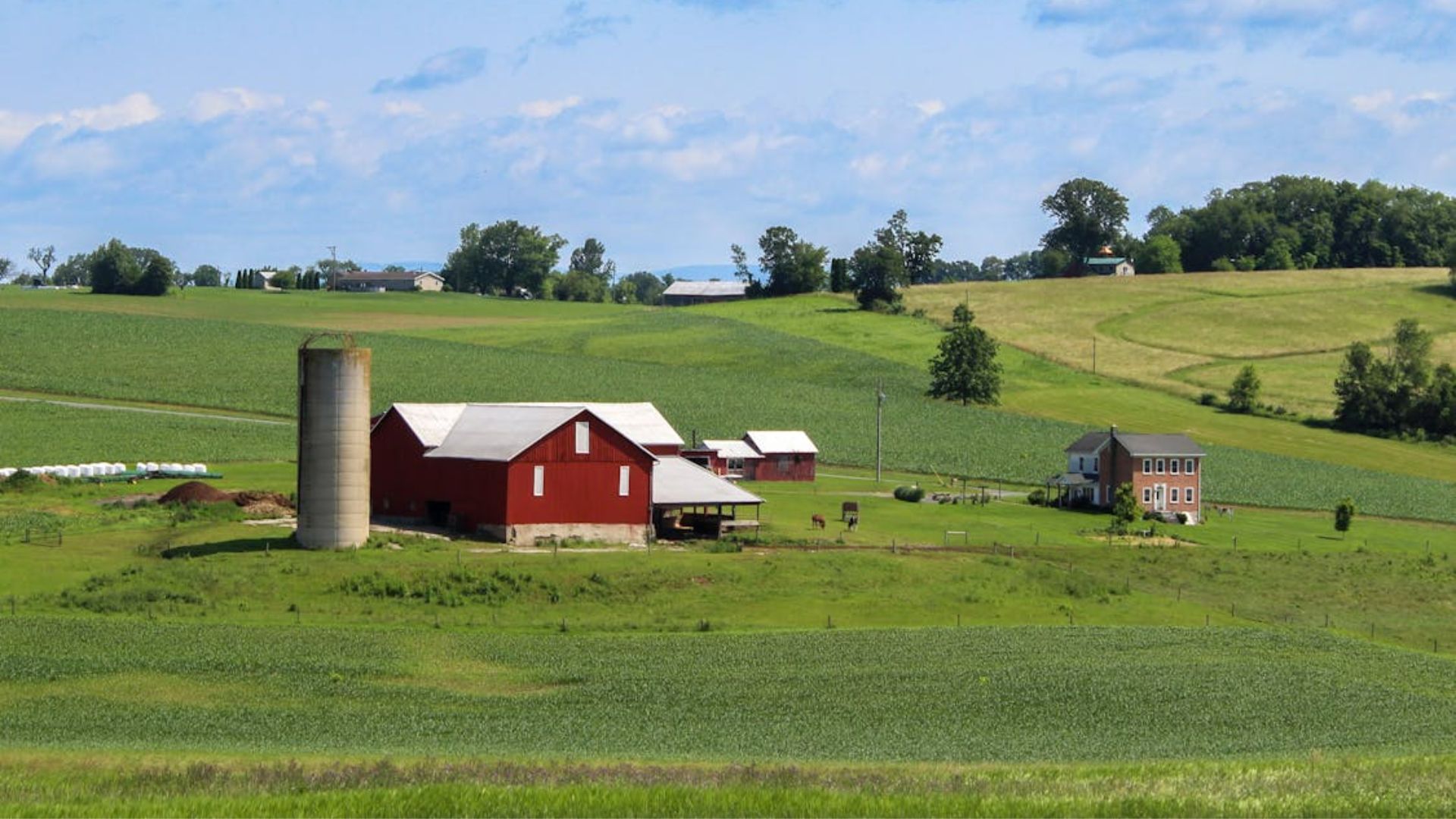

Connecticut farmers facing property tax increases that could have shut down their operations got emergency relief on January 20 when Governor Ned Lamont stepped in to freeze new farmland assessments. The move keeps agricultural property taxes locked at 2020 values under Public Act 490. Lamont acted after producers reported tax bills jumping by hundreds of percentage points following the state Department of Agriculture’s latest reassessment.
Billy Collins of Fair Weather Growers, which manages roughly 450 acres through ownership and leasing, said the intervention happened because agricultural producers mobilized quickly. The Collins operation faced paying thousands of additional dollars annually. Some farmers across Connecticut saw their tax obligations climb 300 percent, while others received reassessments showing increases as high as 2,300 percent, WFSB reported, according to Senate Chief Deputy Leader Heather Somers.
Kim Grijalva, who runs Grijalva Cattle on 100 acres in North Stonington, said the timing couldn’t be worse for operations already struggling financially. The farm operates at a deficit, raising cattle, making sudden tax increases impossible to absorb. Gary Annino, another North Stonington producer, said taxes need to go up over time, but called the scale of these jumps way off base. Dan and Marty Booker’s Aldershot Farm in Stonington also saw taxes rise.
The Reassessment Process Created Severe Financial Pressure

The Department of Agriculture reassesses farmland every five years under Public Act 490, WFSB reported. The process uses farmer survey responses to determine taxation based on land use rather than market value, with different farmland categories assessed at different levels. The 2025 reassessment initially produced values that skyrocketed compared to previous years. After farmers objected, the department revised its figures downward. However, agricultural producers say the adjusted rates still represent unmanageable jumps.
Rebecca Eddy, the department’s communications director, said they heard concerns about the initial recommended values and how contractors handled the process. Different farmland categories get taxed at different rates depending on classification. The reassessment year for Grijalva Cattle’s municipality means the operation expects to pay about triple its previous farmland tax bill. About 30 percent of the Booker family’s Aldershot Farm saw increases on land that can’t even be farmed.
Lamont said addressing concerns around rising land use values shows the state understands the challenges farmers face. “Preserving these lands is about more than economics; it’s about sustaining a way of life that defines Connecticut,” the governor said. The freeze gives immediate relief to farmers who were facing tax bills that could have forced them to sell their land or shut down. Collins warned Connecticut would keep losing farms to developers.
Legislators Push for Farmers to Join Assessment Decisions
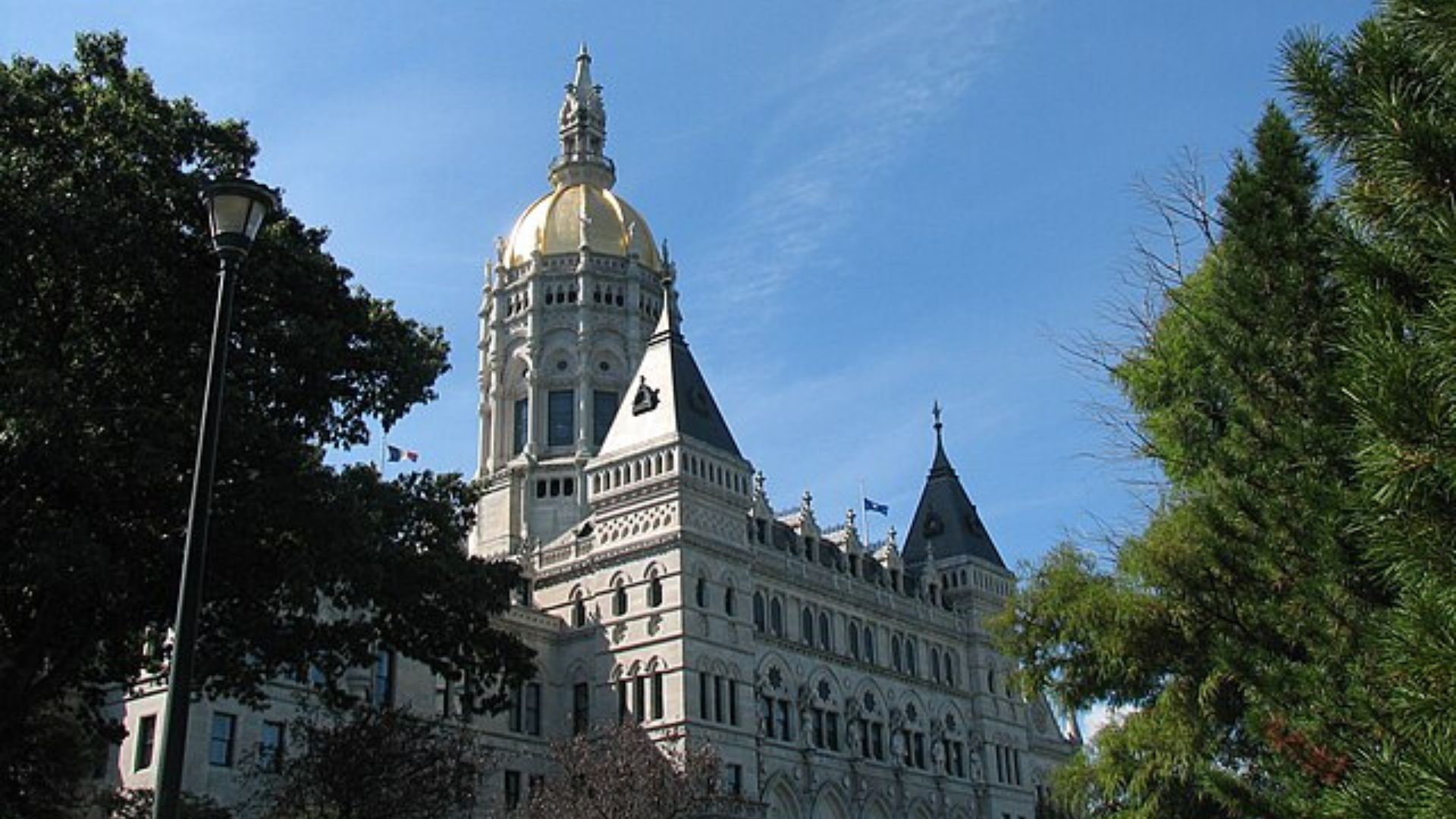
Senator Somers, representing District 18, said the state needs to dig into the methodology that produced dramatic, unjustified assessment increases. She wants farmers directly involved in future rate-setting to prevent this from happening again. “We need to absolutely have farmers at the table,” Somers said. She’s pushing for a committee that would include actual agricultural producers in rate decisions, which could help local farms stay open instead of closing.
Somers stressed how important protecting Connecticut’s agricultural sector is for food security. “We need farmers because we need our food, and we want it to be local,” Marty Booker said, echoing concerns about the state’s agricultural future. The Republican legislator called the initial reassessment way too high and is working to get farmers involved in future rate-setting. Collins said farmers speaking up quickly made the government’s fast response possible.
The Department of Agriculture’s statement acknowledged that “while the updated values better reflect actual land use values,” changes are needed in how future Public Act 490 land values are determined. The agency committed to learning from the experience and promised to use farmer feedback when working with industry partners and the state legislature to improve future processes. Department officials said these changes affect farm operations and need better handling going forward.
The Emergency Action Provides Relief While Reform Questions Remain
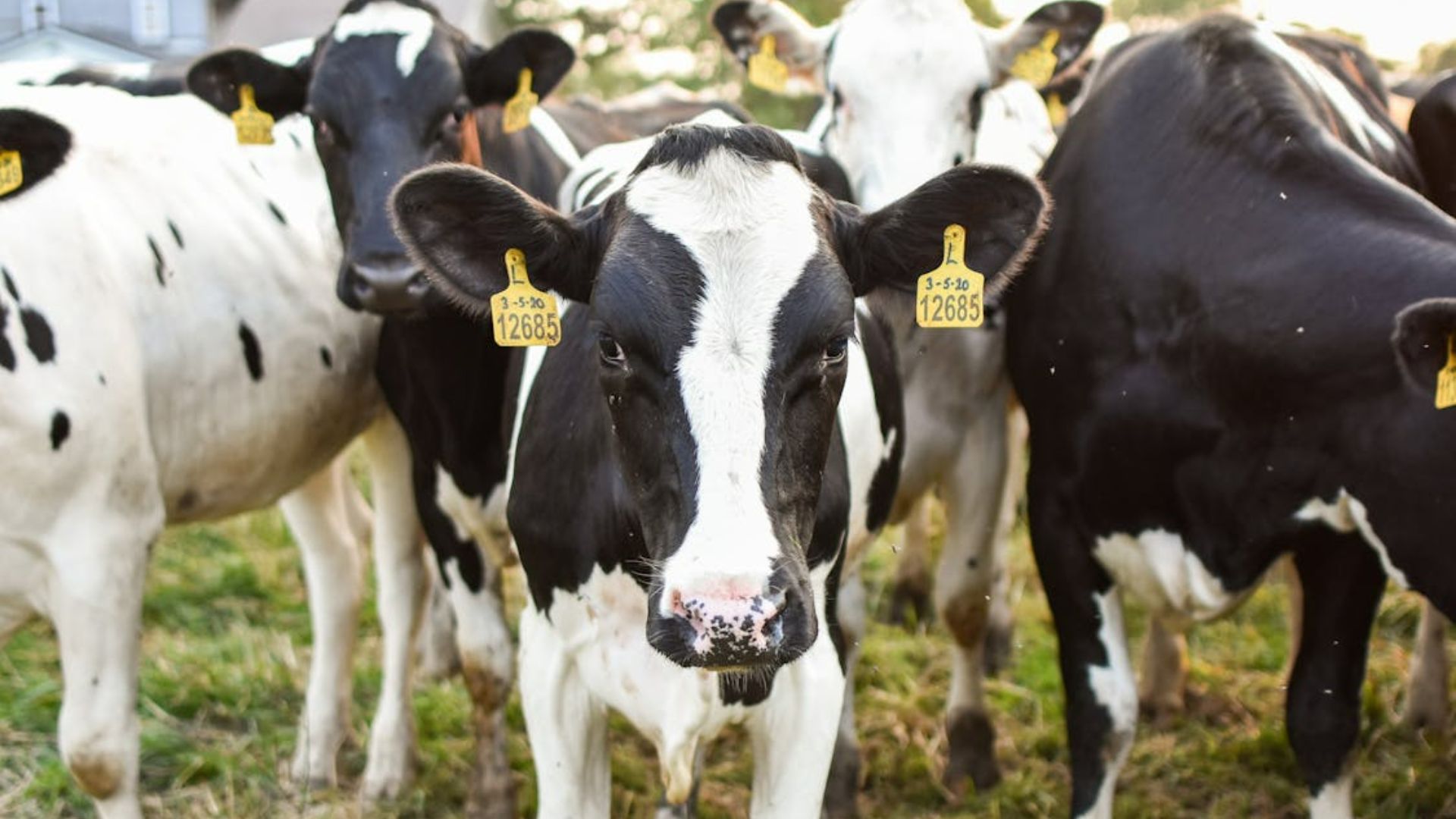
Grijalva said the tax assessment problems go way beyond individual farm finances to affect Connecticut’s entire food supply and agricultural future. “It doesn’t just affect farms. It affects our food supply. It affects our viability,” Grijalva said. Marty Booker said local farming matters because people want locally sourced food. Collins said he’s still not sure what future assessments might look like, even with the current freeze.
Lamont’s emergency action is a short-term fix while legislators and farmers work toward bigger reforms. By keeping 2020 values in place, the state gives farms facing immediate financial crisis some breathing room. But the bigger question remains about how Connecticut balances fair taxation with preserving its agricultural heritage. The five-year reassessment cycle means these conversations will keep going as everyone works to develop new methods that prevent future shocks.
Senator Somers called the issue fundamental to Connecticut’s identity and food security. The state needs to do everything it can to protect farmers, she said. “Once farmland is gone, it’s gone forever, and we are intent on saving it,” Somers said. Whether the proposed reforms will prevent similar crises in 2030’s next scheduled reassessment is still an open question.