Soccer Fans Want FIFA to Restrict the U.S. From Hosting Future World Cup After Overturning Player Suspension
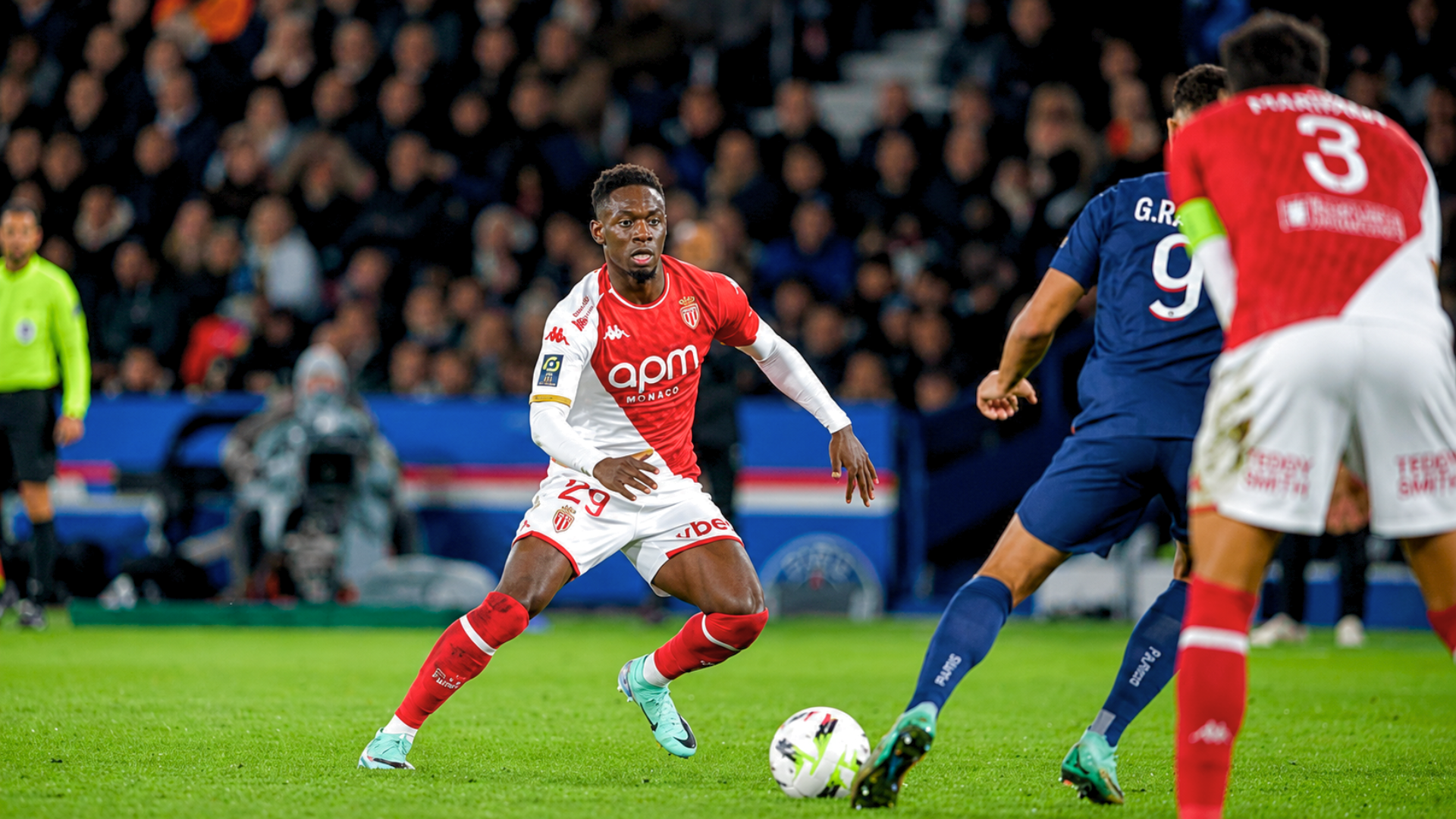

Red card is supposed to mean an automatic suspension. That is the rule every team agreed to before the tournament started. Then FIFA reversed one anyway, and the player walked right back onto the field. USA striker Folarin Balogun was sent off during a group stage win over Bosnia. He should have missed the next match against Belgium. Instead, FIFA cleared him to play, and soccer fans around the world are furious about how that happened.
The reversal came one day before Balogun would have sat out the Round of 16 match. FIFA said in a statement that Balogun “will be available to play in the co-host’s FIFA World Cup 2026 Round of 16 match against Belgium on Monday at Seattle Stadium.” Reports also suggested the decision followed contact between the White House and FIFA before the ruling was announced. That detail turned a soccer dispute into something much bigger.
Belgium was not going to let the decision pass quietly. The Royal Belgian Football Association released a lengthy statement calling FIFA’s move a direct contradiction of the tournament’s own written rules. Fans outside the United States reacted just as strongly, and their anger quickly turned into a demand: keep the World Cup away from American soil in the future. To understand why this reversal struck such a nerve, the actual rule matters.
Belgium Says FIFA Broke Its Own Written Rules to Clear Balogun

FIFA pointed to one rule to justify its decision. The Royal Belgian Football Association says FIFA leaned on Article 27 of its Disciplinary Code, which allows the Disciplinary Committee to suspend a previously imposed penalty. That sounds simple. But another rule in the same rulebook says something completely different, and Belgium argues that second rule should have made Balogun’s suspension automatic with no room for FIFA to intervene.
The RBFA laid out its case in detail. “Article 66.4 of the same FIFA Disciplinary Code clearly provides that a red card (sending-off) automatically results in a suspension for the team’s next match, as has been the case for all previous red cards issued during this FIFA World Cup,” the federation said in its statement. It added that the same rule appeared in Circular No. 16, sent to every team on May 12, 2026.
This was not a rule buried in fine print somewhere. According to Belgium, tournament organizers repeated the automatic suspension rule constantly. The RBFA said the rule was reiterated at every match coordination meeting before each game and included in official workshop presentations for every team. That repetition is exactly why the reversal felt so jarring to Belgium and to fans watching from outside the United States.
A Tweet With 500,000 Views Captures a Simple Demand: Keep the World Cup Out of America

Anger over the ruling did not stay inside soccer federation offices. It spread across social media within hours. One tweet from a European soccer fan captured the mood directly: “Hate to say it but the world cup cannot be anywhere near the USA again. Political influence shouldn’t play a part in this sport.” That single post gathered 31,000 likes and nearly 500,000 views by the time it was published.
That reaction was not an isolated complaint from one frustrated fan. It reflected a wider frustration building among soccer fans outside the United States, many of whom viewed the ruling as proof that the tournament’s fairness had been compromised. For a sport built on the idea that the same rules apply to every team equally, a reversal tied to outside political pressure struck many fans as a breaking point worth speaking out about.
Meanwhile, inside the U.S. camp, the story looked completely different. Team USA was not apologizing for the outcome. U.S. manager Mauricio Pochettino defended the decision publicly, framing it as a correction rather than favoritism. His defense set up a stark contrast between how American soccer officials saw the ruling and how the rest of the soccer world reacted to the exact same decision.
Two Very Different Stories About the Same Red Card Now Threaten Trust in the Tournament

Mauricio Pochettino did not see anything unfair about Balogun walking free. He argued his team had already paid a steep price during the Bosnia match itself. “We were punished enough against Bosnia to play with 10 men for 30 minutes, in a decision that was unfair,” Pochettino said. He added that nearly everyone agreed the original red card was wrong in the first place, framing the reversal as simple justice.
That framing does not erase what happened procedurally. FIFA’s own rulebook, according to Belgium, states that a red card leads to automatic suspension with no exceptions written in for correcting referee mistakes after the fact. Whether or not the original call was unfair, the process used to undo it appears to have skipped the very steps FIFA told every team it would follow, repeated at meeting after meeting throughout the tournament.
What lingers after Balogun’s suspension disappeared is not really about one red card at all. It is about whether a global tournament can apply its own rules evenly when a powerful home nation is involved. Fans calling for the U.S. to be blocked from hosting future World Cups are not really arguing about Article 27 or Article 66.4. They are asking a much simpler question: if the rules bend once for the host country, will anyone believe they were ever fixed at all?