Family Turns Private Tragedy Into Multi-Million Dollar Mission to Crack Deadly Brain Disease
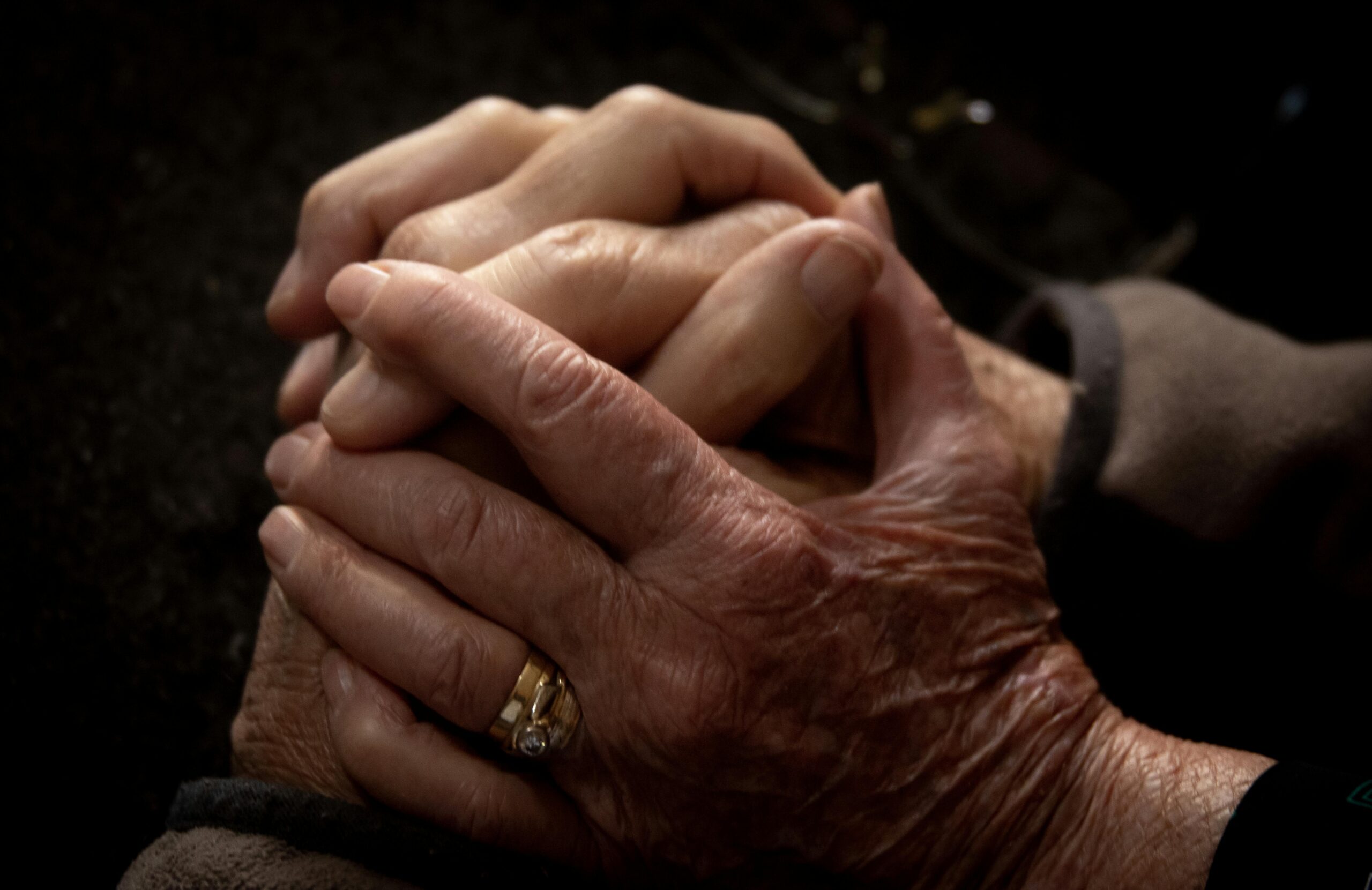

It did not happen all at once.
Robin Richards Donohoe remembers the shift clearly. Her mother, once outgoing and full of life, slowly stopped speaking. Conversations grew shorter. Words disappeared. Then, one day, they were gone. Her mother had frontotemporal dementia, a fast-moving brain disease that changes personality, behavior, and language. It does not just take memories. It takes the person people know.
The diagnosis carried a deeper fear. This was not the first time the disease had appeared in their family. It had already taken relatives before. This was not just a single loss. It was a pattern. When her mother died in 2007, the family faced a decision. They could accept the uncertainty, or they could try to change it. They chose to act.
A Family Decision That Changed Research

The family did something unusual. They turned grief into a plan. Robin Richards Donohoe and her relatives committed part of their own wealth to fund research, calling it a “gift to our family and the world.” With her brother-in-law, scientist Bob Farese Jr., they launched what became the Bluefield Project.
In the early days, the work did not feel like a typical research program. Meetings often took place in homes. Scientists gathered around tables, shared data, and spoke openly. Children and pets moved through the room while discussions about the disease continued.
That setting created something rare in science. A sense of urgency tied to real lives. Researchers did not just study the disease. They felt connected to the people behind it.
A Clear Target, A Difficult Fight

The family’s effort focused on one specific cause of the disease. Scientists discovered that mutations in a gene called GRN reduce levels of a protein known as progranulin. Without enough of it, the brain struggles to control inflammation and clear waste. That insight gave researchers something rare. A clear target.
Many believed the solution might be straightforward. Increase progranulin levels, and the disease might slow or stop. That idea pushed multiple therapies into development, from gene treatments to protein-based approaches.
But the path has not been simple. Some major trials have failed to show clear results. Others continue, with scientists trying to understand when and how treatments might work best. Even in this focused area, the disease remains complex.
Why This Fight Still Matters

Through it all, the original motivation has not changed. This is still about a family that refused to wait. The Bluefield Project has now invested tens of millions of dollars into research. It has helped shape how scientists study this form of dementia and pushed the field toward clinical trials and real-world treatments.
Researchers who joined the effort often speak about responsibility. They are not working in isolation. They are working for families who face the same future.
The outcome remains uncertain. Neurodegenerative diseases rarely offer quick answers. But this story does not end with loss. It continues with action. A family turned a private tragedy into a mission that now reaches far beyond their own lives, pushing science forward with every step.