Facing The Rare Cancer That Took His Father, Marine Opts for Radical Preventive Surgery


Before Todd Leach ever faced a diagnosis himself, cancer had already reshaped his life. He lost his mother at 19. Decades later, he watched his father succumb to a rare and aggressive form of stomach cancer. But before his father passed, he left behind one final, life-altering gift: a genetic test.
That test revealed a mutation in the CDH1 gene — a rare genetic change known to dramatically increase the risk of certain stomach and breast cancers. Doctors warned that if Todd or his brother carried the mutation, their lifetime cancer risk could reach as high as 50%.
The solution sounded almost unthinkable. Preventing the cancer could mean removing the stomach entirely — before any symptoms appeared. “There’s no way you live without a stomach,” Leach remembers thinking. At the time, the idea felt more terrifying than the disease itself.
A Positive Test and an Impossible Decision
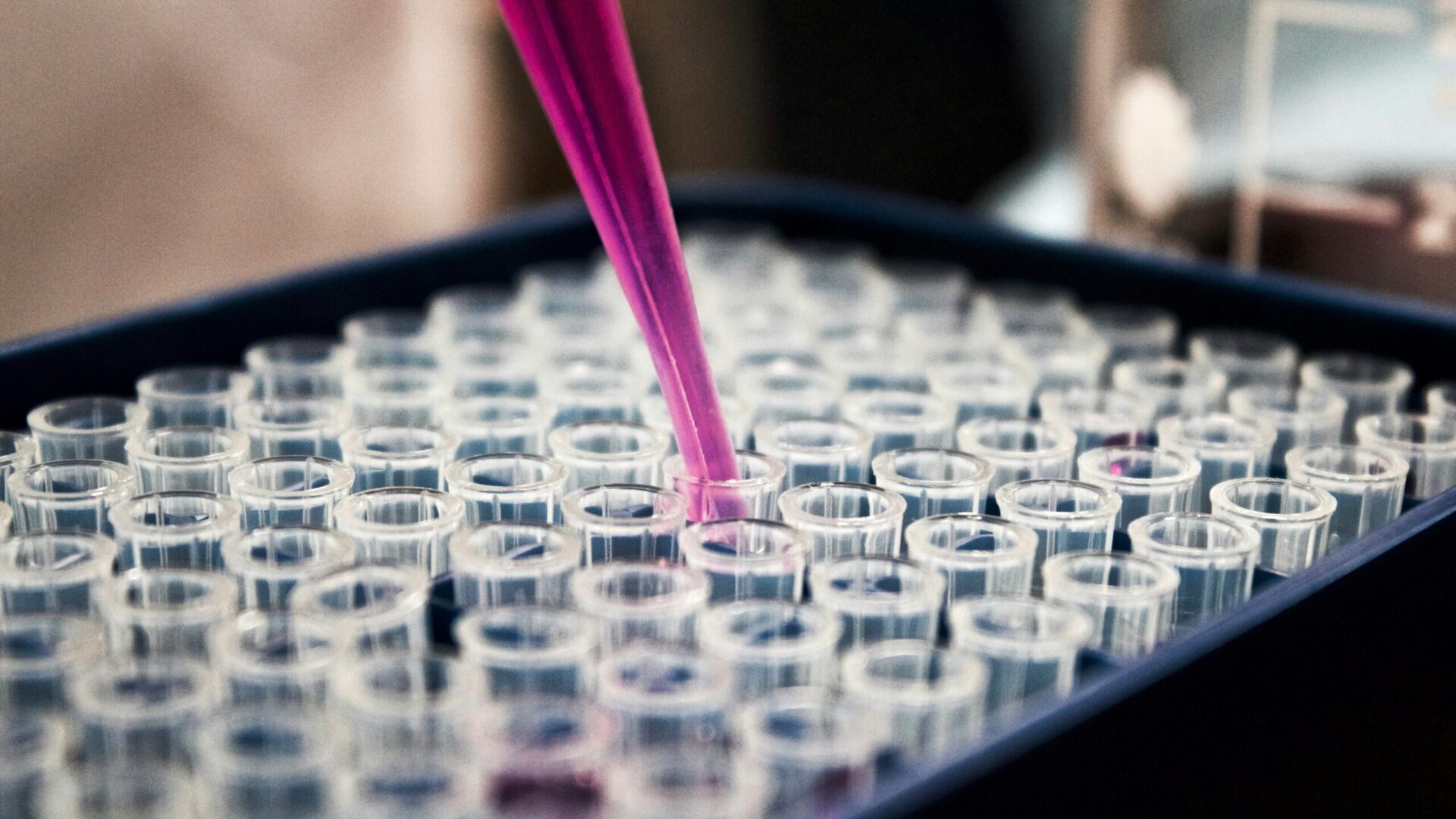
Genetic testing confirmed Todd’s worst fear: both he and his younger brother carried the same CDH1 mutation as their father. Hearing the word “positive” felt overwhelming, even before meeting with a genetic counselor.
At 47, Leach was an active-duty Marine with nearly three decades of service. Any medical decision had to be weighed against his career, his physical readiness, and his family’s future.
Doctors laid out his options. One path involved lifelong surveillance — frequent endoscopies that could still miss early cancers. The other was far more drastic: a prophylactic gastrectomy, removing the stomach entirely to prevent cancer from developing at all. For Leach, who had already lost both parents to cancer, the choice carried deep emotional weight.
Why Doctors Say Prevention Can Be Life-Saving
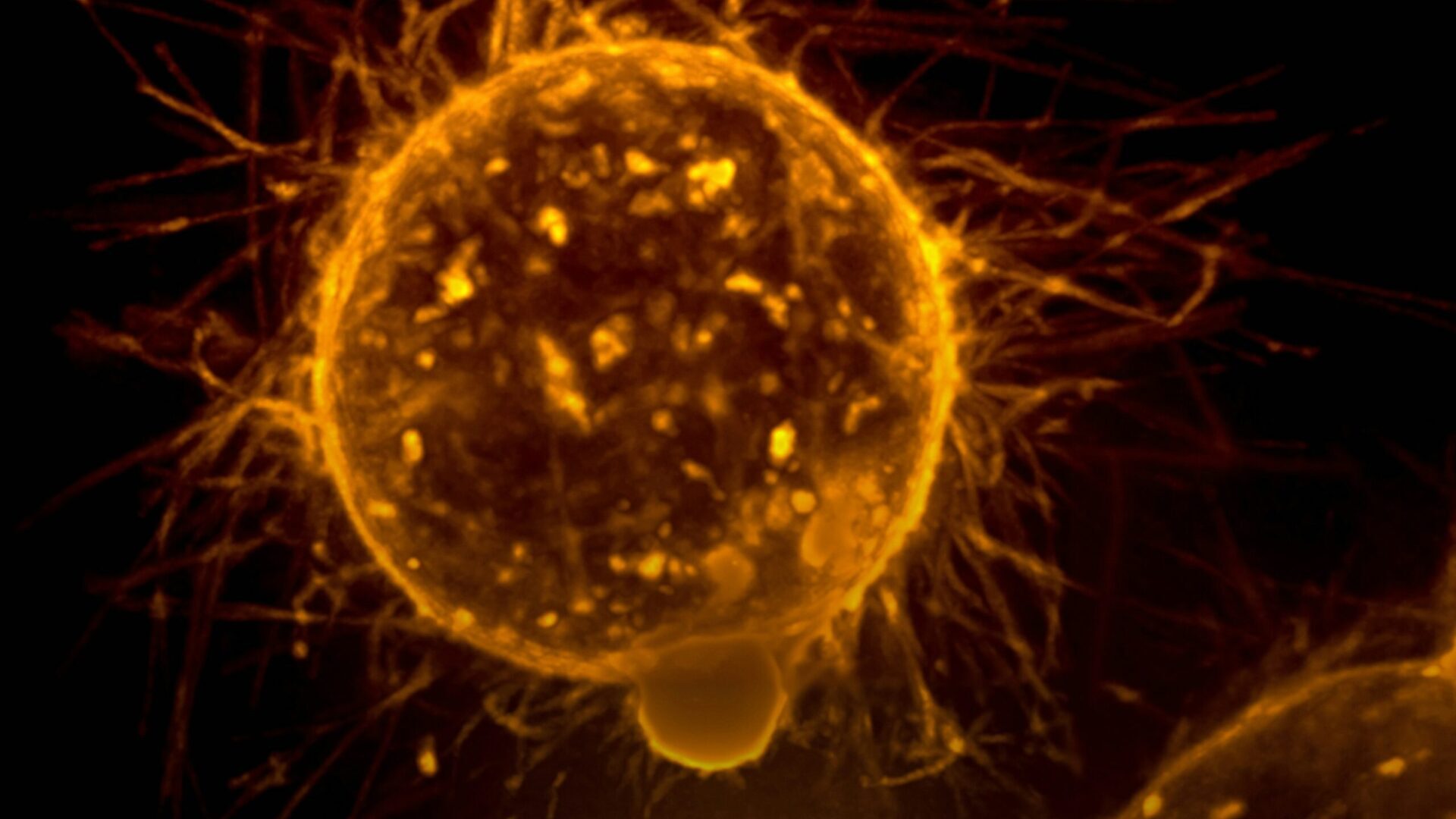
Through a cancer nonprofit, Leach connected with a surgical oncologist specializing in gastric cancers. He learned that CDH1-related cancers often begin silently, forming tiny clusters of abnormal cells that can be difficult to detect — even with regular screening.
These early cancers may not cause symptoms until they’ve progressed, which is why some experts recommend preventive surgery for high-risk patients.
The surgery revealed the truth. After his stomach was removed in 2019, pathology results showed four early-stage cancer spots already present in Leach’s stomach lining. The cancer had been there — invisible, silent, and waiting. For Leach, it confirmed that the decision he feared most had likely saved his life.
Life After a Stomach — and Why He Has No Regrets
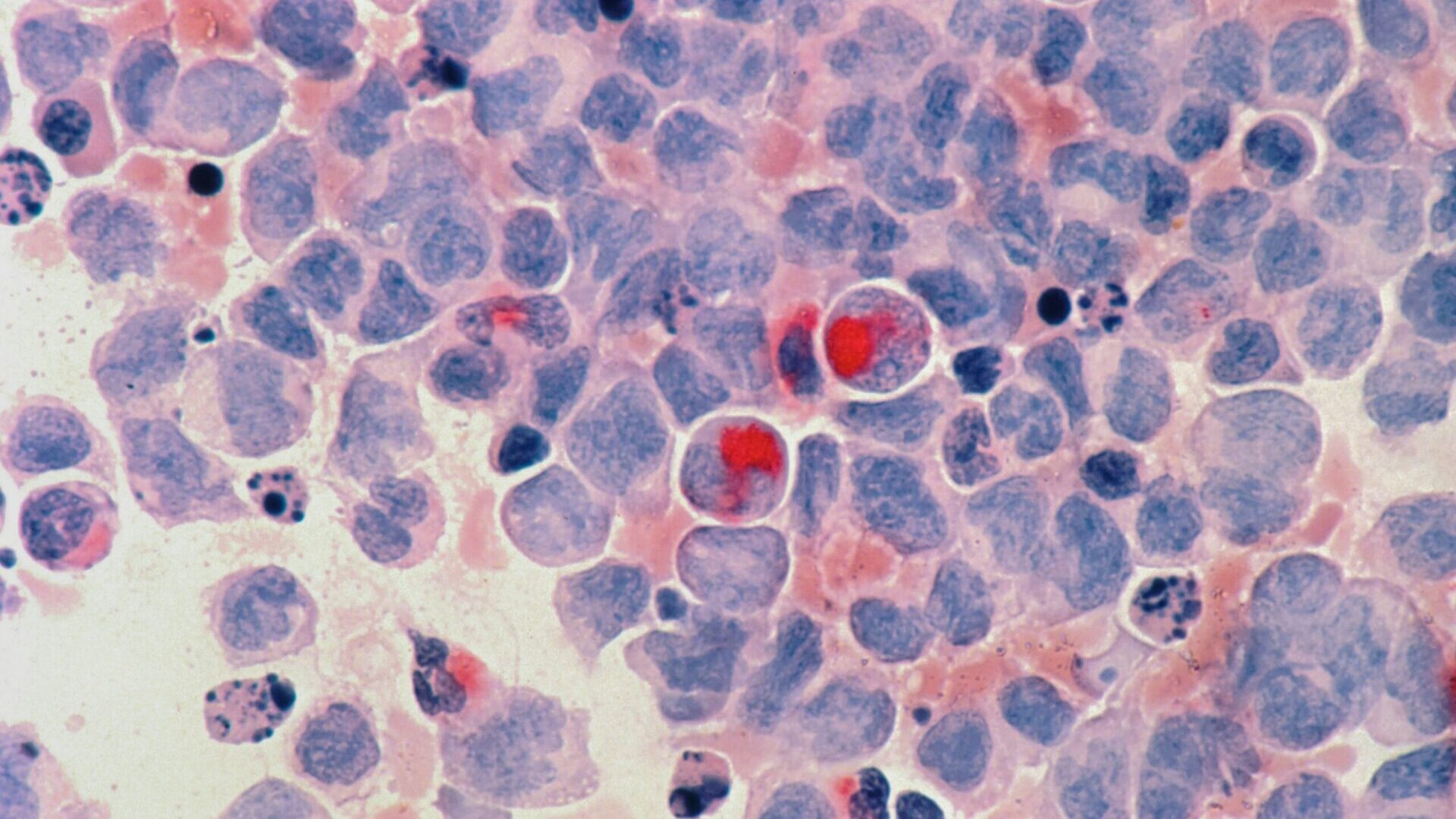
Living without a stomach required a complete reset. Meals became smaller and more frequent. Energy levels fluctuated. Supplements became part of daily life. Eating, once automatic, became intentional. Still, Leach adapted — slowly expanding his diet, rebuilding strength, and learning patience with his body. Today, he’s thriving.
Leach retired from the Marines after 30 years of service, worked his way back into fitness, and now shares his journey to help others facing similar genetic risks. His message is simple but powerful: prevention isn’t giving up — it’s choosing to live. “Everybody struggles,” he says. “But you can’t let fear convince you that you won’t make it through.”