Extreme Weather Alerts Spread Across the US as Dangerous Threats Build, Leaving Many on Edge
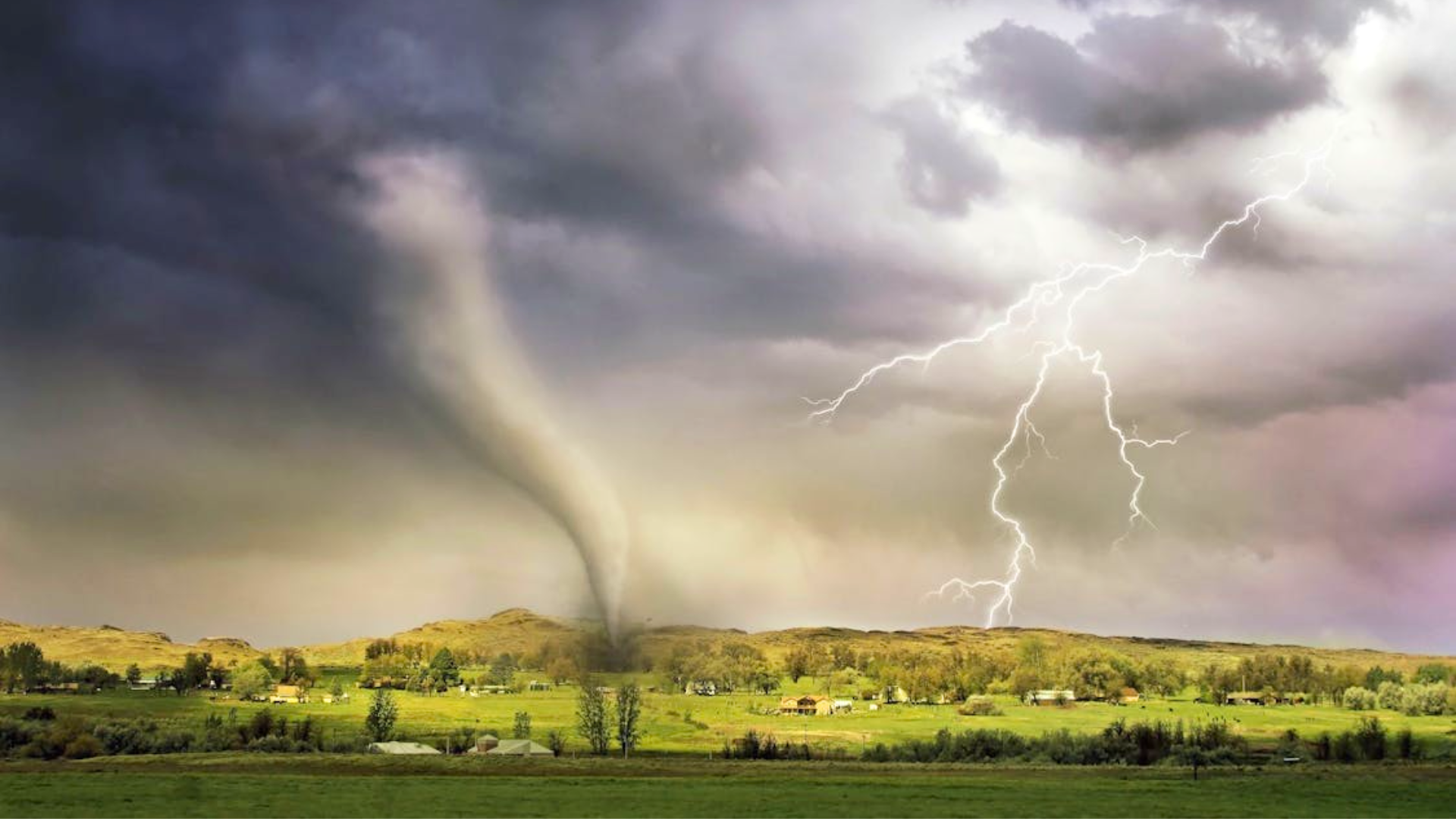

Extreme weather alerts are spreading across large parts of the United States as a volatile mix of tornado threats, severe thunderstorms, flooding risks, and expanding wildfires places millions of residents on high alert. Meteorologists warn that overlapping systems are creating a particularly dangerous pattern, with rapidly changing conditions and multiple hazards occurring within the same regions. In recent days, strong storms have already produced damaging winds, large hail, and tornado outbreaks across the Midwest and South. At the same time, wildfire conditions are intensifying in drought-affected areas, adding another layer of risk for communities.
Severe Tornado Threats Target the Midwest and Mississippi Valley
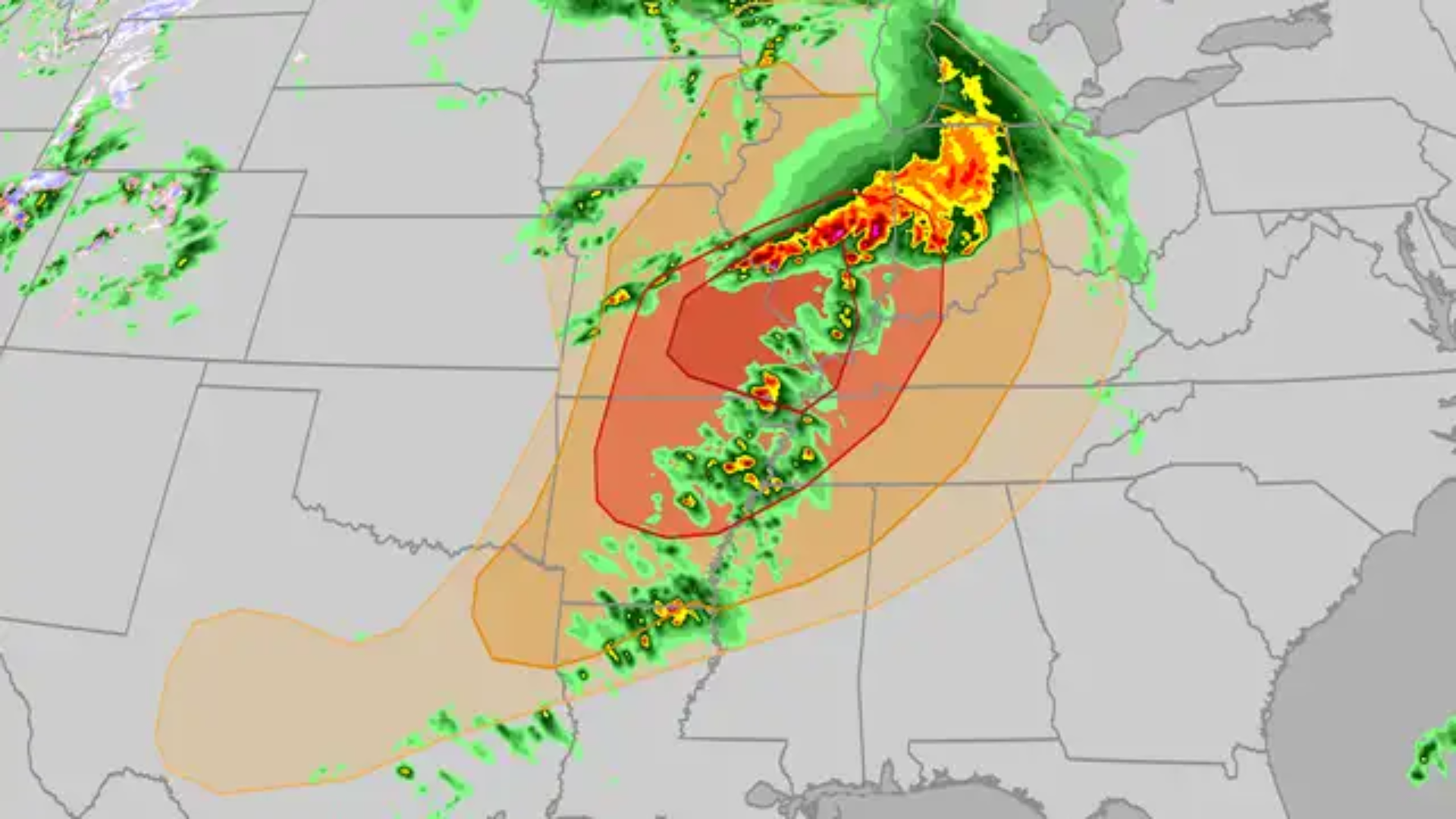
A major severe weather outbreak is forecast across the Midwest and Mississippi Valley, where atmospheric conditions are aligning to support powerful thunderstorms and potential tornado formation. Weather agencies have warned that strong instability and warm, moisture-rich air are fueling dangerous storm development across multiple states. Cities including St. Louis and surrounding areas are facing elevated risk as storms intensify along a powerful frontal boundary. Forecasters caution that some tornadoes could reach strong intensity, especially in isolated supercell structures.
Millions of Residents in High-Risk Storm Zones
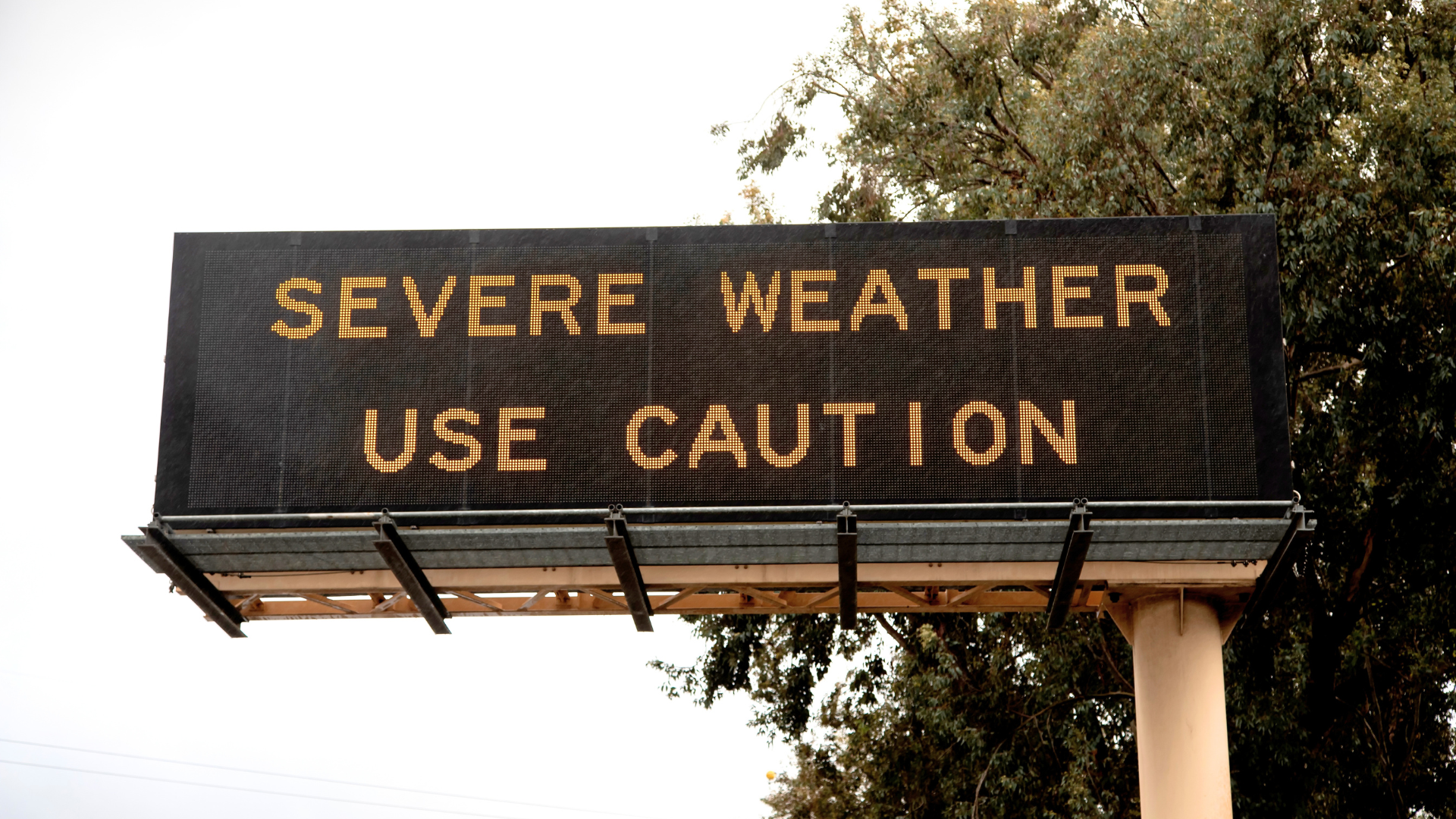
More than 50 million people are currently under some level of severe weather risk as storms stretch across a broad region of the central United States. Emergency officials are urging residents to stay alert as conditions can shift quickly from heavy rain to tornado-producing storms within hours. Power outages, flooding, and travel disruptions have already been reported in several states due to ongoing storm activity. Authorities emphasize the importance of preparedness during peak severe weather season.
Tornado Outbreaks Already Causing Damage and Casualties
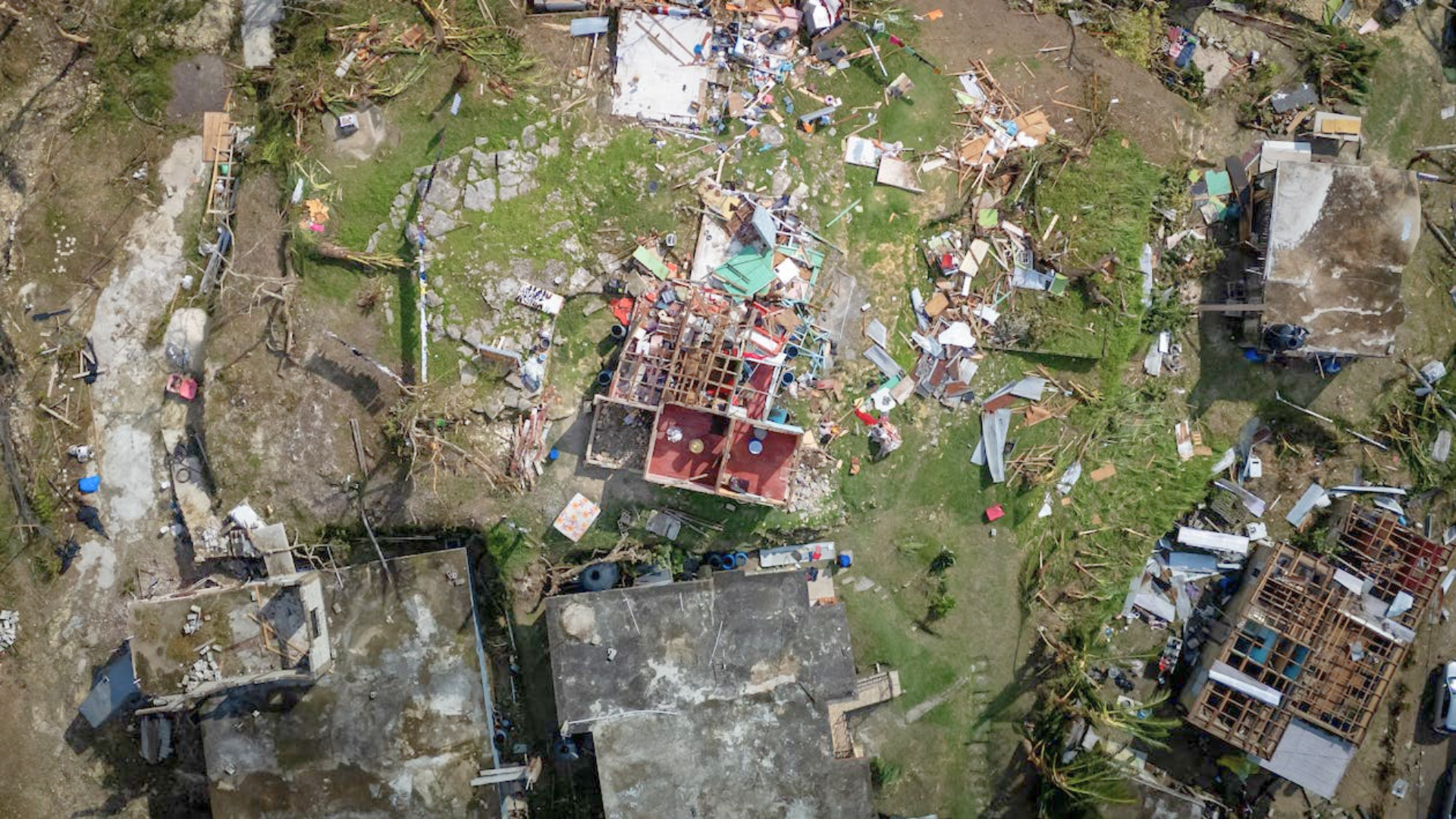
Recent storms have already produced confirmed tornadoes that caused fatalities, injuries, and significant property damage in parts of the central United States. Emergency responders have been deployed to affected areas where downed power lines, blocked roads, and destroyed structures are complicating recovery efforts. Some regions have experienced multiple tornadoes within a short time span, intensifying concerns about repeated impacts. Officials warn that additional outbreaks remain possible as the weather system continues eastward.
Flooding and Severe Storm Damage Spread Across Multiple States
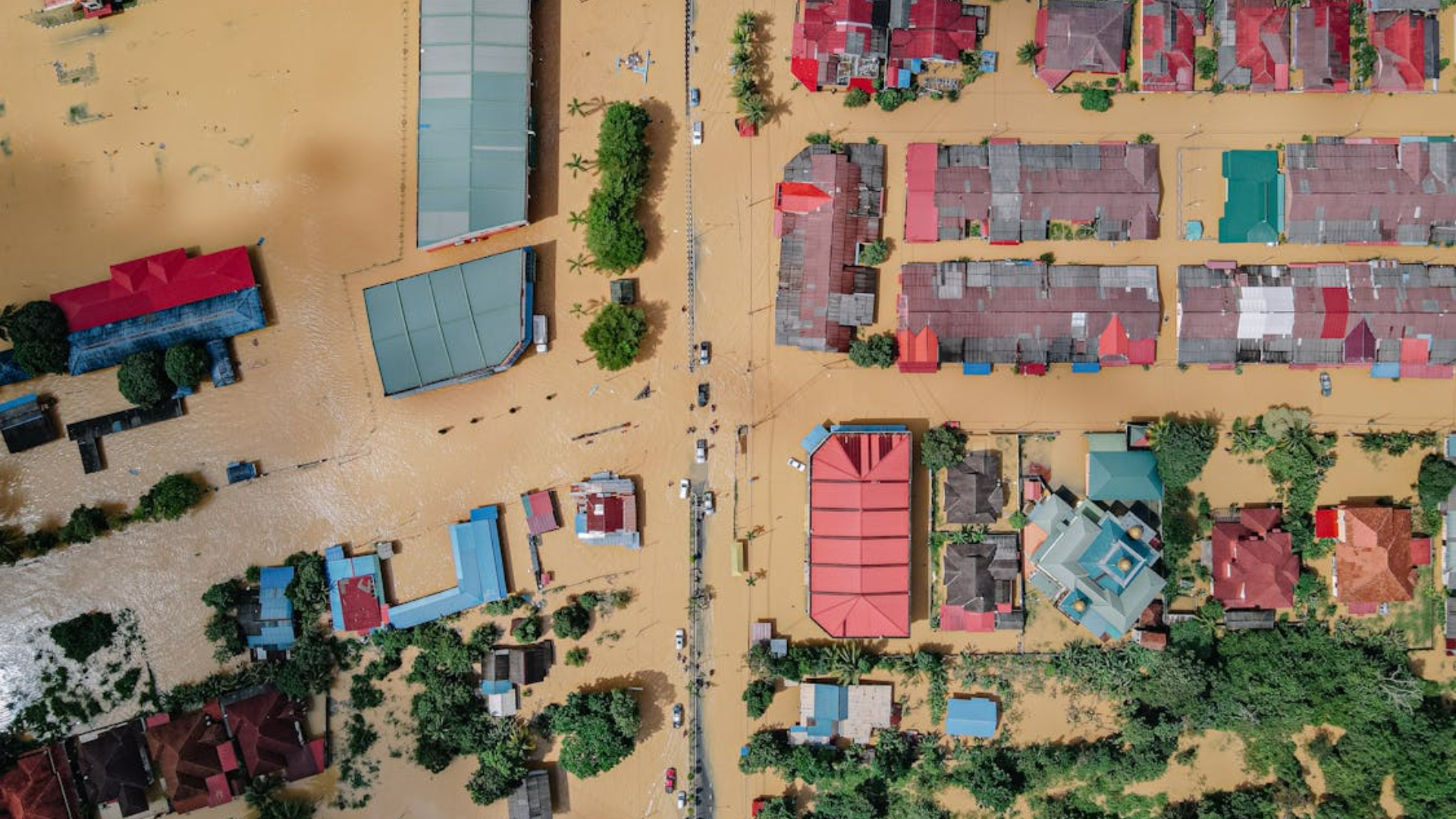
In addition to tornado risks, severe thunderstorms have brought heavy rainfall and flash flooding to several states across the Midwest. Rapid downpours have overwhelmed drainage systems, leading to dangerous road conditions and water rescues in flood-prone areas. Strong winds accompanying these storms have also toppled trees and damaged infrastructure. Emergency agencies continue to monitor areas where additional rainfall could worsen already saturated ground conditions.
Wildfire Conditions Intensify in Drought-Stricken Regions
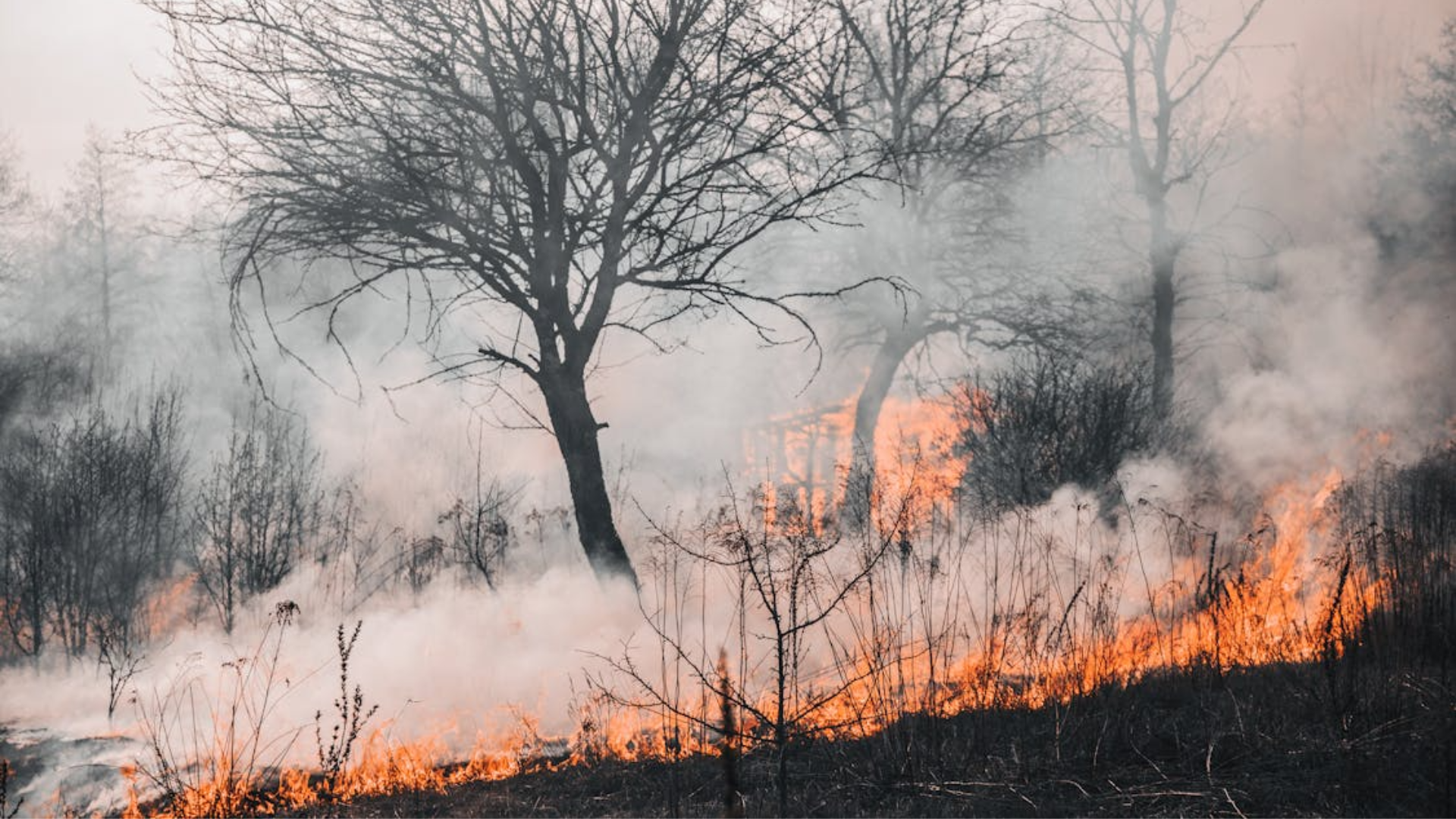
While storms impact the central U.S., wildfire danger is escalating in drought-affected regions, particularly in the Southeast where dry conditions and strong winds are fueling rapid fire growth. Officials report that multiple large wildfires have burned tens of thousands of acres, destroying homes and forcing evacuations in some communities. Limited rainfall and ongoing dry weather patterns are expected to prolong fire risks in the coming weeks. Emergency declarations have been issued in heavily impacted areas to support firefighting efforts.
Why Weather Conditions Are Becoming More Volatile
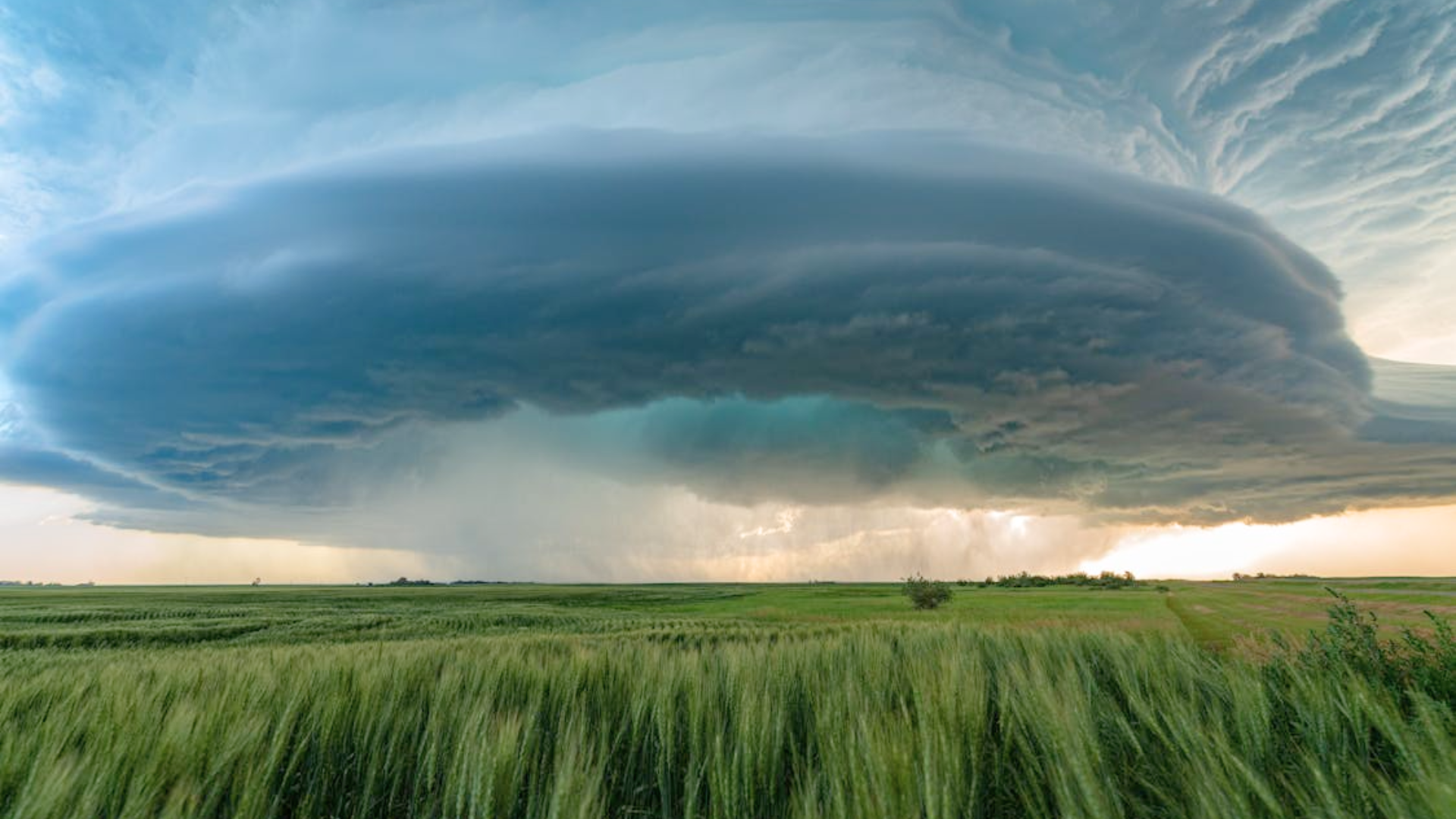
Meteorologists explain that the current extreme weather pattern is being driven by strong atmospheric instability, temperature contrasts, and moisture surges that create ideal conditions for severe storms. These factors allow storm systems to rapidly intensify, sometimes producing tornadoes, hail, and damaging winds in a short timeframe. At the same time, dry air and heat in other regions contribute to elevated wildfire risk. The combination of these extremes is making forecasting and emergency planning more challenging.
Emergency Officials Urge Constant Weather Awareness

Authorities are urging residents in affected regions to remain alert and prepared as multiple weather threats continue to evolve. Safety officials recommend having emergency plans in place, including access to shelters and reliable weather alert systems. With conditions capable of changing rapidly, even areas not currently under warnings may still face sudden impacts. Staying informed is considered critical during this active and unpredictable weather period.
A Multi-Hazard Weather Pattern Across the United States
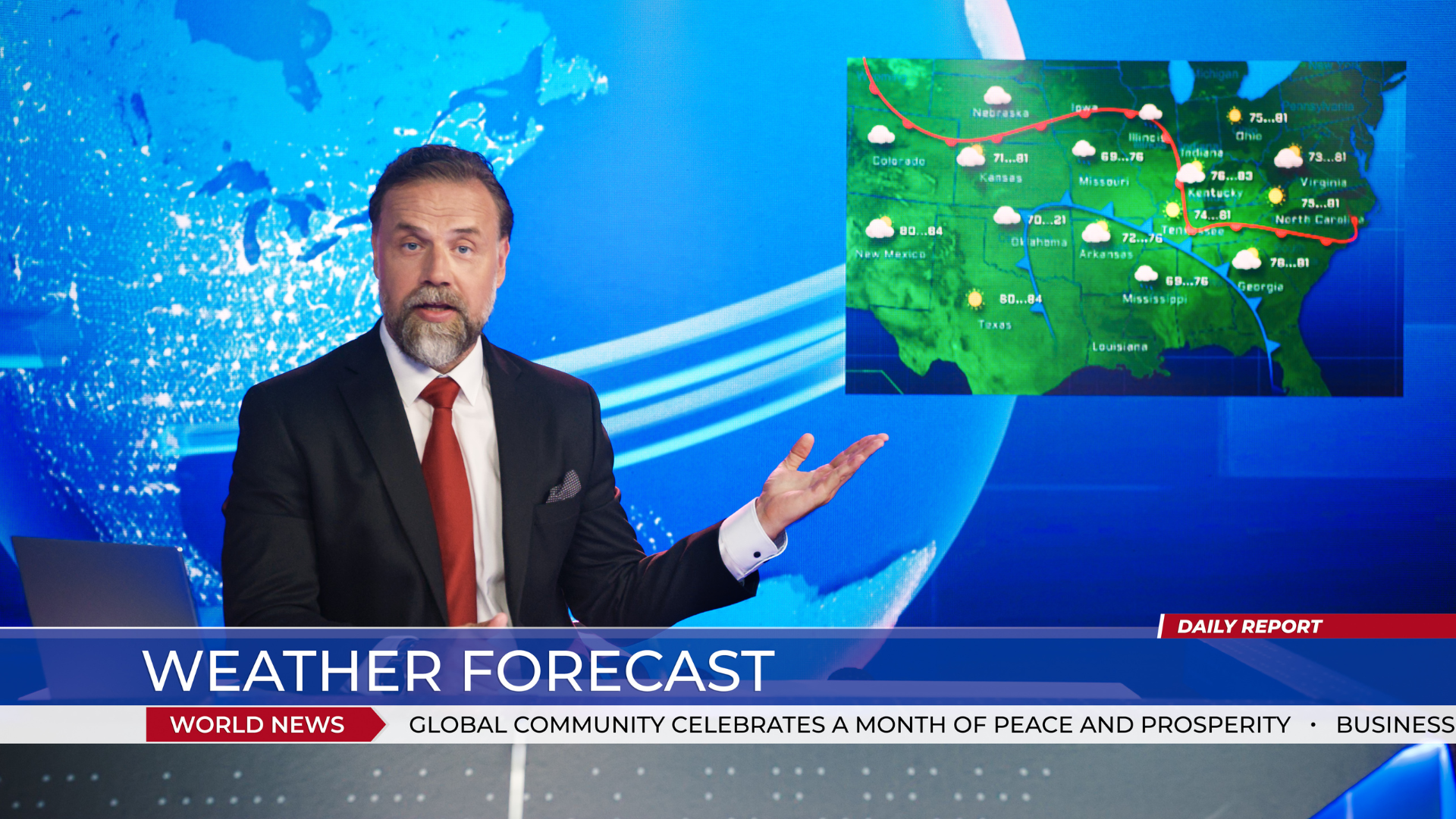
The United States is currently experiencing a rare convergence of severe weather threats, with tornadoes, flooding, and wildfires occurring simultaneously in different regions. This multi-hazard environment is placing significant strain on emergency response systems and increasing risks for millions of residents. Forecasters say continued storm development and fire activity are likely as the pattern persists. The situation underscores how interconnected and rapidly evolving extreme weather events can become.
Heightened Vigilance as Weather Risks Escalate
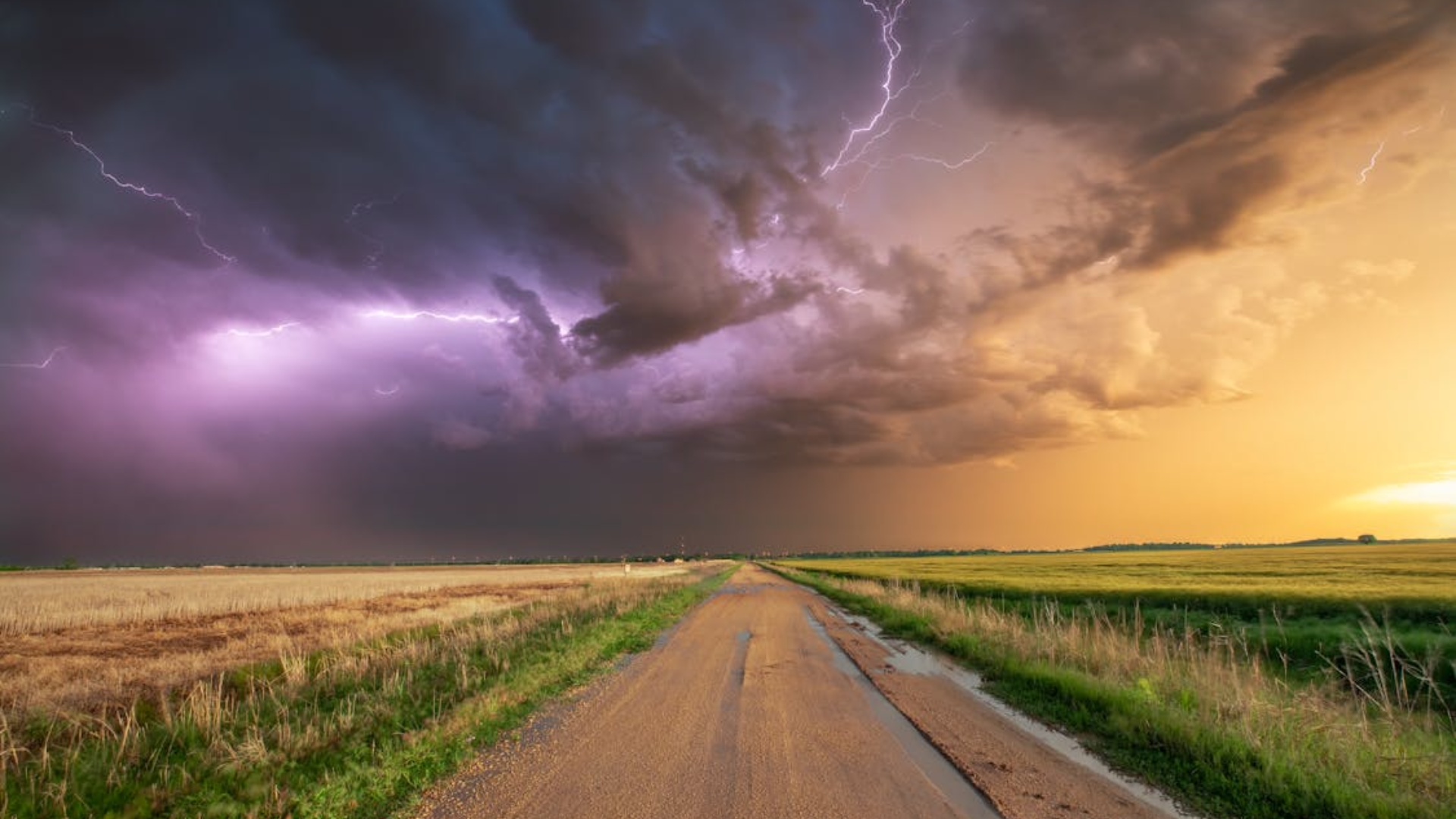
As extreme weather alerts continue to spread across the country, millions of Americans remain on edge amid overlapping threats of tornadoes, floods, and wildfires. The combination of powerful storm systems and dry, fire-prone conditions has created a particularly unstable and dangerous period for many regions. Emergency officials stress that preparedness and timely response are key to reducing risk during rapidly changing conditions. With active weather systems still developing, vigilance remains essential in the days ahead.