Extreme Heat Alerts Issued as Dangerous Heat Wave Expands Across the US

Stepping outside could feel like walking into an oven this week as a powerful heat dome settles over much of the country. Forecasters warn that millions of Americans face dangerous temperatures, with extreme heat alerts stretching across large parts of the Midwest, South, and East just as the busy Fourth of July holiday approaches.
What’s Driving This Heat Wave?
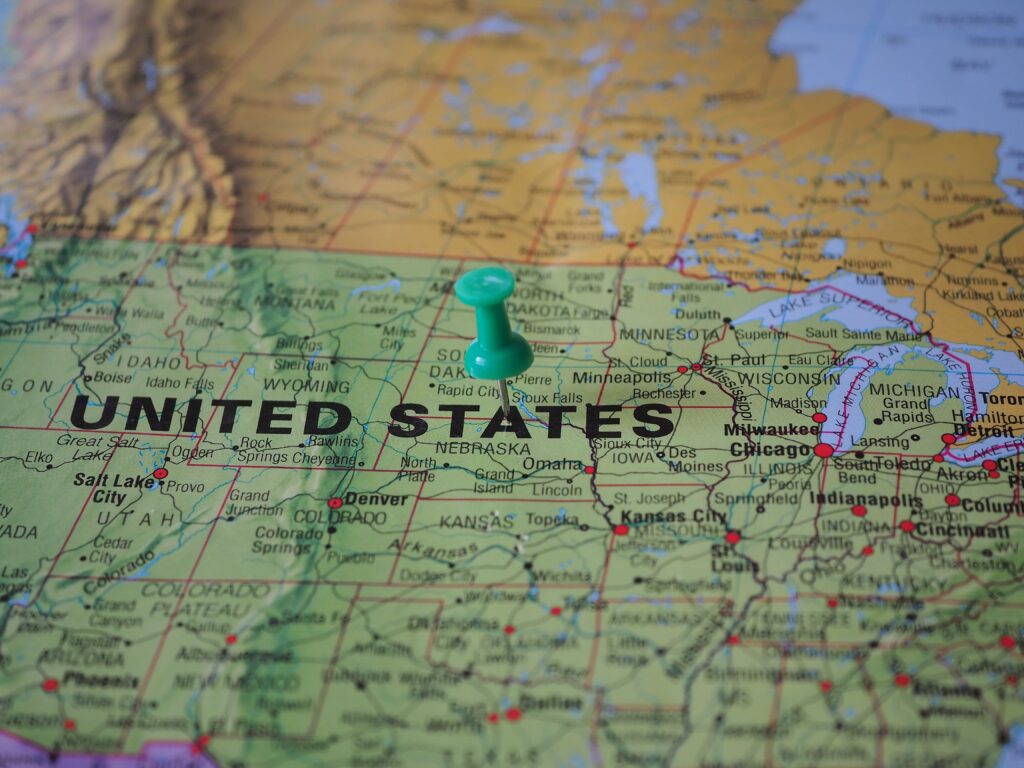
Meteorologists say a strong heat dome is trapping hot air over the central and eastern United States. This weather pattern forms when a large area of high pressure acts like a lid, preventing heat from escaping and allowing temperatures and humidity to build for several consecutive days.
Millions Are Under Heat Alerts
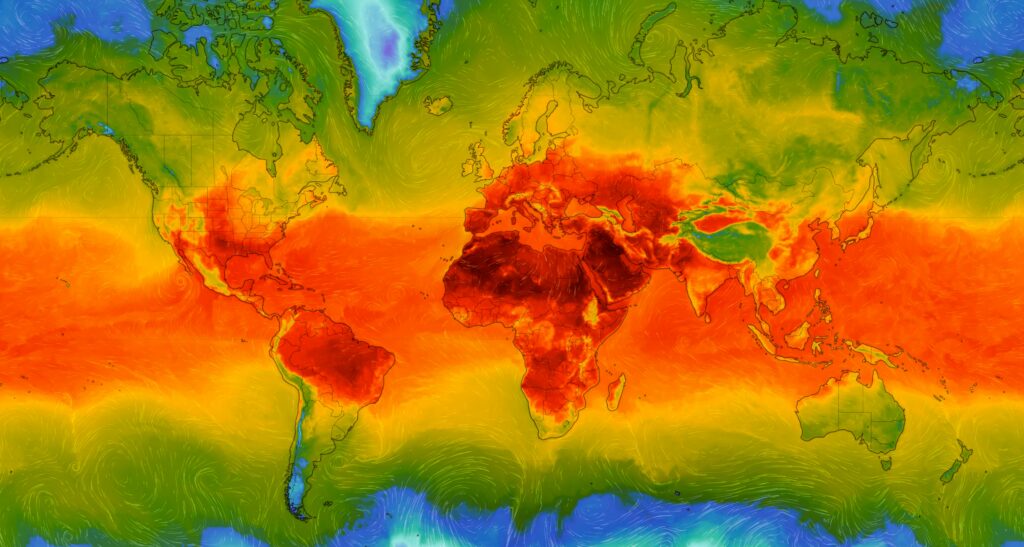
The National Weather Service has issued a combination of Extreme Heat Warnings, Extreme Heat Watches, and Heat Advisories covering large portions of the country. Alerts at times have stretched from Florida to the Upper Midwest and into the Northeast, with more than 180 million people expected to face “major” or “extreme” heat risk during the week.
Where It Will Feel the Hottest

While actual air temperatures will generally reach the 90s and low 100s, humidity will make conditions far more dangerous. Heat index values, or the “feels like” temperature, are forecast to reach 100 to 110 degrees across many areas, with isolated locations potentially feeling as hot as 115 degrees. Cities including Chicago, St. Louis, Memphis, Nashville, Philadelphia, Washington, D.C., and New York are expected to experience some of the worst conditions.
Some Cities Could Challenge Long-Standing Records

Beyond the heat itself, some locations could approach or even break historic temperature records. Philadelphia may challenge records for consecutive 100-degree days, while New York City’s Central Park could see its first triple-digit temperature in nearly 14 years. Detroit could also hit its first 100-degree day since 2012.
The Nights May Offer Little Relief
One of the most dangerous aspects of this heat wave is that temperatures are expected to remain unusually warm overnight. In many areas, lows may stay in the 70s, while dense urban centers could struggle to cool below 80 degrees. Without cooler nights, the human body has fewer opportunities to recover, increasing the risk of heat-related illness over several days.
Why Extreme Heat Is So Dangerous

According to the National Weather Service and the Centers for Disease Control and Prevention, prolonged exposure to extreme heat can lead to heat cramps, heat exhaustion, and life-threatening heat stroke. Heat remains the deadliest weather hazard in the United States, causing more deaths on average than tornadoes, hurricanes, and lightning combined.
Who Faces the Greatest Risk?

Although anyone can become ill during prolonged extreme heat, health officials say older adults, young children, people with chronic medical conditions, outdoor workers, athletes, and households without reliable air conditioning are especially vulnerable. The National Integrated Heat Health Information System also encourages people to check on neighbors and relatives who may need assistance during extended heat events.
How to Stay Safe During the Heat Wave

Officials recommend drinking water regularly, limiting outdoor activity during the hottest part of the day, wearing lightweight clothing, and spending time in air-conditioned buildings or cooling centers whenever possible. People should also never leave children or pets inside parked vehicles, where temperatures can become deadly within minutes.
Relief May Arrive, but Not Immediately

Forecasts suggest some portions of the Midwest and Northeast could begin seeing modest relief later in the holiday weekend as the heat dome gradually shifts westward. However, forecasters caution that hot and humid conditions may continue across parts of the South and Plains into next week, meaning many communities could face an extended stretch of dangerous summer heat before cooler weather finally arrives.