Experts Warn ‘Time Is Running Out’ as Nuclear Waste Dome Leaks Into the Pacific Ocean
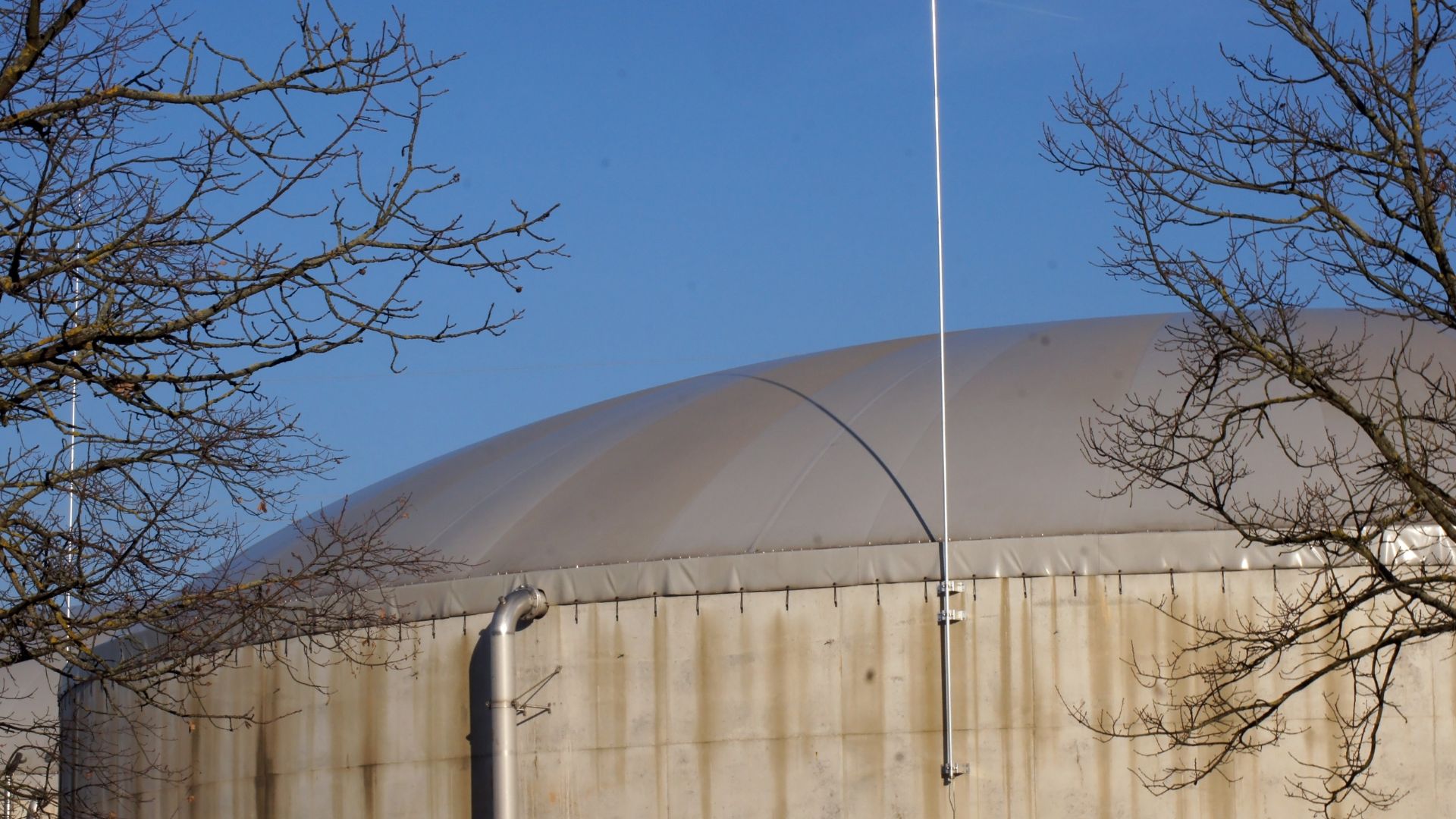

Far from major urban centers, in a remote area of the Pacific Ocean, a massive concrete dome stands as a reminder of Cold War nuclear activity. It was constructed to hold more than 100,000 cubic yards of radioactive debris, collected after years of weapons testing that reshaped both land and ocean ecosystems. At the time, the structure was seen as a practical solution to an urgent problem.
Over the decades, however, the dome has aged under constant exposure to harsh environmental conditions. Scientists and environmental observers have increasingly raised concerns about its durability, especially as visible cracks and structural wear begin to appear across its surface.
What was once considered a containment solution is now being reevaluated, as questions emerge about whether the structure was ever designed for long-term stability in such a dynamic marine environment.
Mounting Evidence Suggests the Barrier is No Longer Fully Secure
Recent observations indicate that seawater is moving in and out of the dome, a process that may carry radioactive materials into the surrounding lagoon. This exchange has intensified concerns among researchers who study ocean health and contamination patterns in vulnerable regions.
Some experts argue that the level of risk remains relatively low, pointing to the dilution effect of ocean waters. Others caution that even small, consistent releases over time could have lasting ecological consequences, particularly for marine life and nearby communities that depend on these waters.
Despite differing interpretations, there is agreement on a key issue, the structure was never completely sealed, which leaves it inherently exposed to environmental changes and ongoing degradation.
Rising Sea Levels Add Urgency to An Already Complex Situation

Climate change introduces a new layer of risk to an already fragile system. As global sea levels continue to rise, the pressure on coastal and low lying structures increases, and the dome is no exception. Flooding, stronger tides, and shifting weather patterns may accelerate its deterioration.
This evolving context has led scientists to reassess earlier assumptions about the dome’s long term resilience. What may have seemed stable decades ago is now subject to forces that were not fully anticipated during its construction.
The interaction between structural decay and environmental change highlights the need for updated monitoring and a clearer understanding of potential impacts across the region.
A Problem Without Easy Solutions Continues to Unfold

Addressing the situation presents significant logistical and political challenges. The site’s remote location, combined with the technical complexity of handling radioactive material, makes any intervention difficult and resource intensive.
Some proposals suggest reinforcing the dome or developing new containment strategies, while others emphasize the importance of continuous monitoring to better assess real risks over time. Each approach carries its own limitations, and no consensus has yet emerged.
As discussions continue, the issue remains unresolved, with scientists, policymakers, and local stakeholders navigating a problem that reflects both past decisions and present environmental realities.