Experts Say You Don’t Actually Need Gloves to Protect Against Germs When Cleaning, Except in This One Case

Watch someone scrub a bathroom sink or wipe down a toilet without gloves, and chances are somebody will recoil. The assumption seems obvious: dirty surfaces contain microbes, so putting a barrier between them and your hands must be safer. But gloves are not an invisible shield, and experts say ordinary household cleaning does not automatically require them purely because germs are present. The more useful question is what your hands are being exposed to and, importantly, what condition your skin is in.
Your Skin Is Already a Protective Barrier
Human skin is not simply an exposed surface waiting for bacteria and viruses to get through. Rietie Venter, an associate professor at Adelaide University’s School of Pharmacy and Biomedical Science, explains that intact skin itself provides protection against microbes. For routine cleaning, germs that land on healthy hands can generally be removed afterward with ordinary soap and water. That distinction matters because germs are everywhere, including on objects we touch every day, and preventing infection is less about avoiding every encounter than interrupting the routes by which harmful microbes reach the body.
Gloves Can Carry Germs Too
Putting on gloves does not make contamination disappear. Once a gloved hand touches a dirty surface, the outside of that glove can become contaminated just as a bare hand can. Touch your phone, face, faucet or another object without changing gloves and microbes can travel with you. The World Health Organization warns that gloves can become contaminated and that improper use can undermine infection-control practices. WebMD makes a similar point: gloves provide a barrier only when used correctly, and tiny tears plus contamination of other objects can weaken the protection people assume they are getting.
Even the Toilet Doesn’t Automatically Change the Advice
The bathroom seems like the obvious place where germ concerns would make gloves essential, yet Venter says intact skin changes the calculation even there. When cleaning a toilet, people typically use a brush rather than placing their hands directly into the bowl. She says that even accidental contact with fecal matter can generally be addressed by thorough washing with soap and water when the skin is intact. That does not mean feces are harmless. The CDC identifies fecal matter as an important source of pathogens including Salmonella, E. coli O157 and norovirus, making proper handwashing especially important after possible exposure.
Here’s the Exception: Cuts, Grazes or Wounds
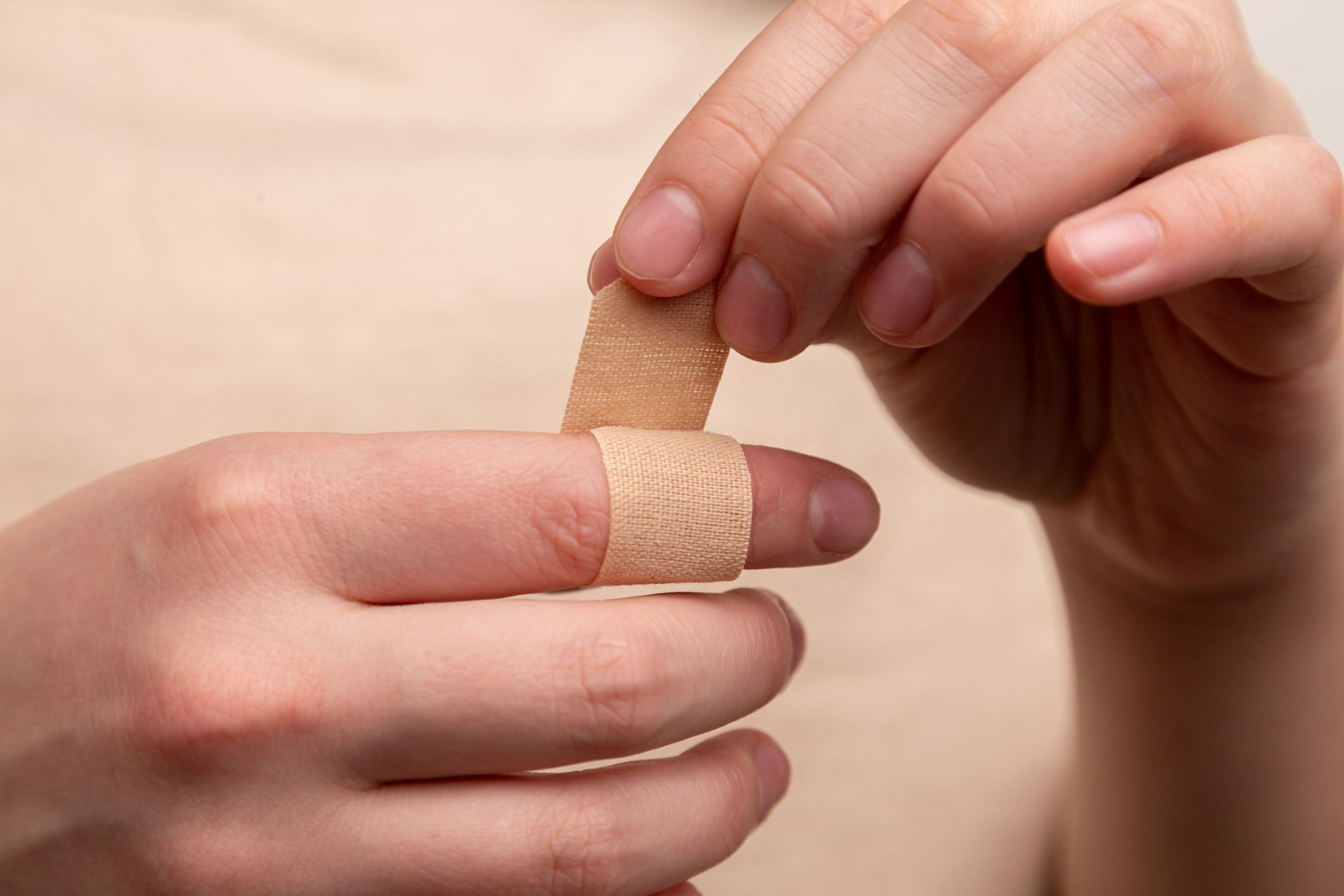
The advice changes when the skin barrier is broken. Venter recommends gloves if you have cuts, grazes or other wounds on your hands, because damaged skin removes part of the body’s natural protection. She advises covering the wound with a plaster, wearing gloves and regularly disinfecting the affected area. This is the key exception when the concern is specifically protecting yourself from germs during ordinary household cleaning. The same logic helps explain why gloves have an important role in higher-risk medical situations involving possible contact with blood or body fluids.
Germs Aren’t the Only Reason to Reach for Gloves
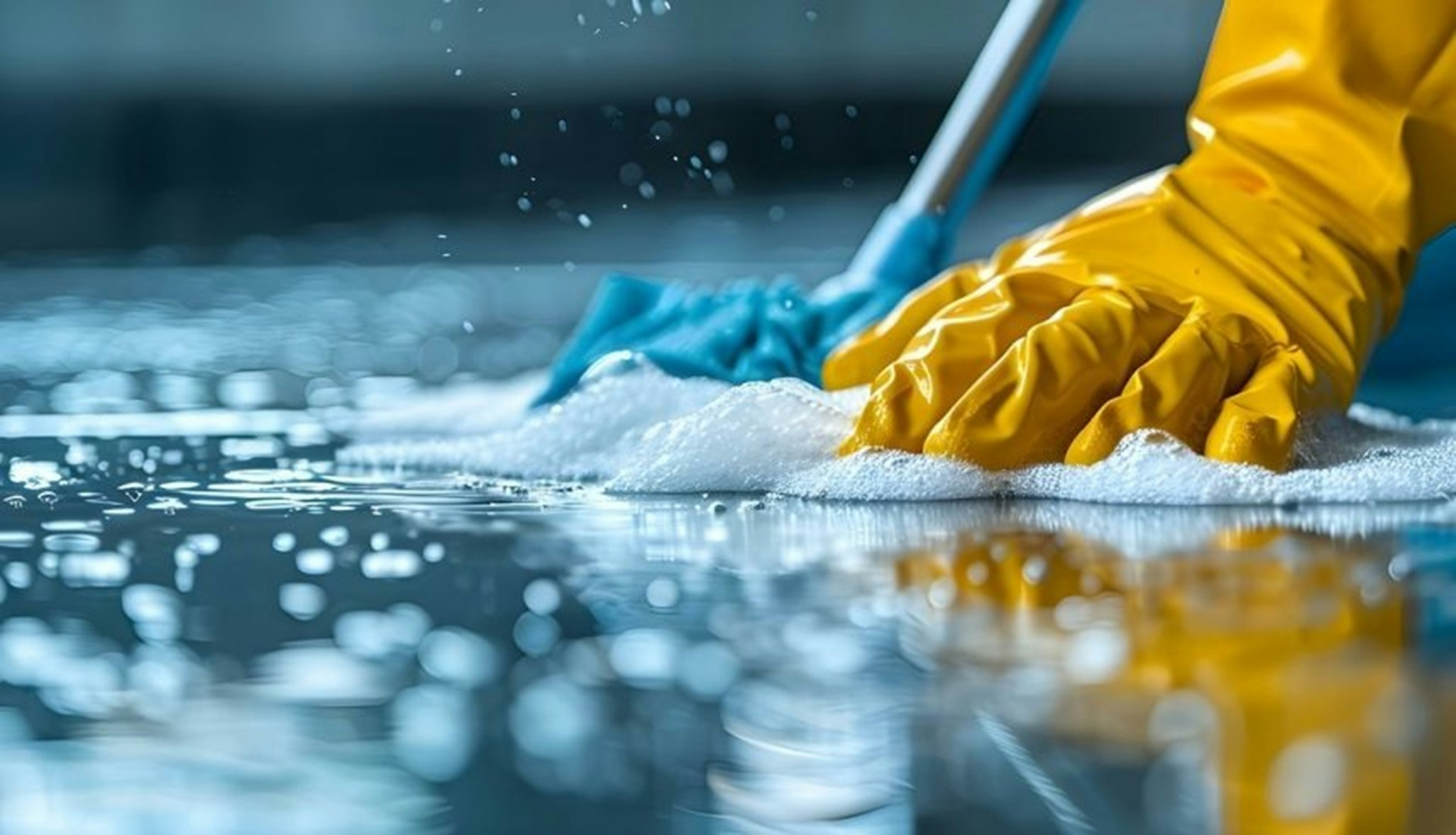
There is an important wrinkle: gloves may still be a smart choice even when germs are not the reason. Professional cleaner Cherie Polwarth wears them extensively because repeated exposure to cleaning chemicals can leave skin dry and irritated. Dermatologist Dr. Victoria Harris also recommends gloves around cleaning products and points to an unexpectedly ordinary irritant: water. Frequent washing and prolonged water exposure can damage the skin barrier, while soaps containing harsh surfactants can compound the problem and contribute to hand dermatitis. So gloves can be worthwhile protection against chemicals, detergents and “wet work” even when microbial exposure alone would not require them.
Caring for Someone Who Is Sick Is Different
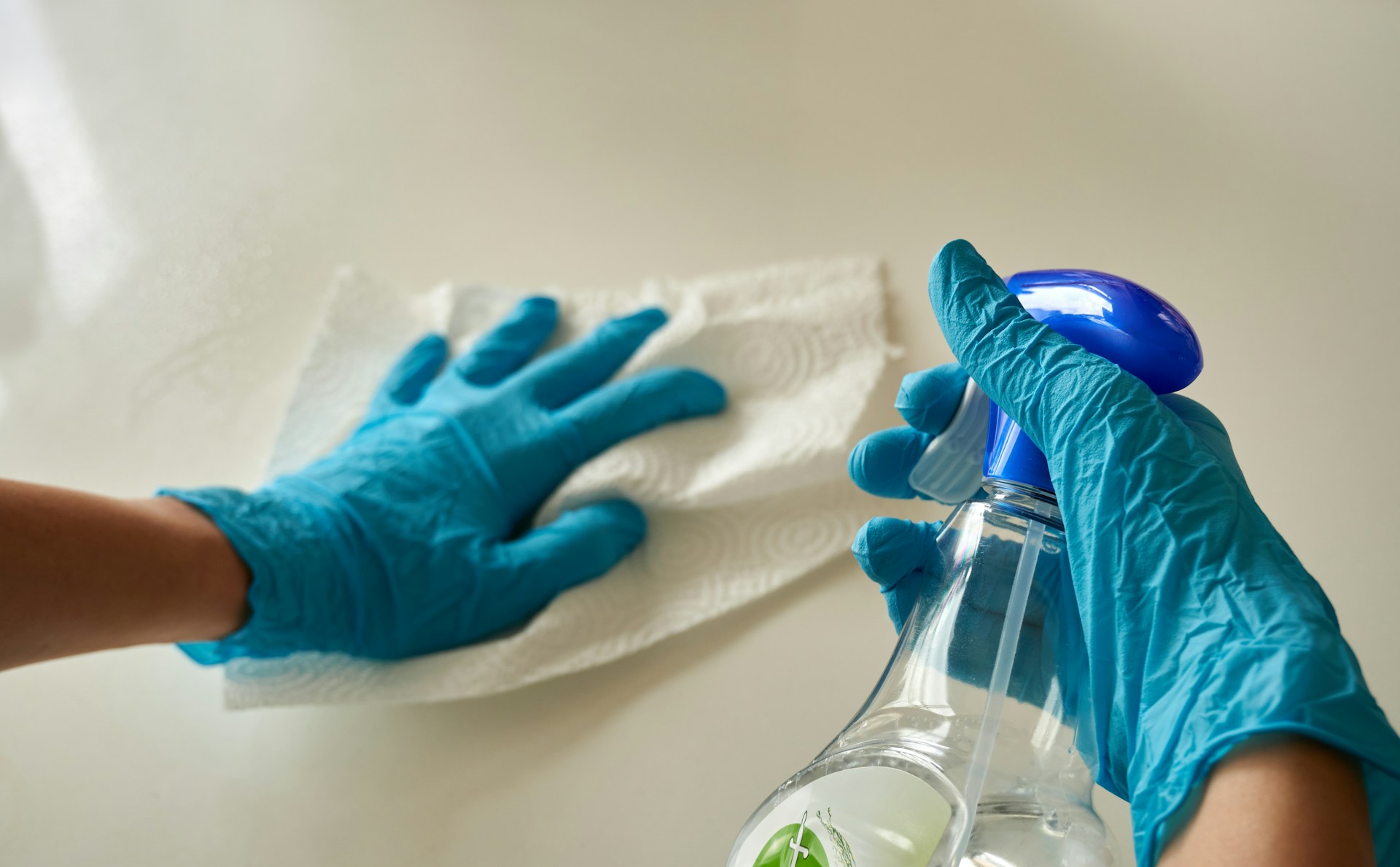
Routine housework should also be distinguished from cleaning up after an ill person. Orlando Health infection-prevention specialist Eve Early recommends disposable gloves when cleaning or disinfecting areas used by a sick family member and when contact with blood, stool, saliva, mucus, vomit or urine is possible. Afterward, the gloves should go into a lined trash can and the hands should be thoroughly washed. This is a higher-risk exposure than simply dusting a shelf or wiping a kitchen counter, so the protective barrier has a clearer purpose.
Wearing Gloves Doesn’t Let You Skip the Sink
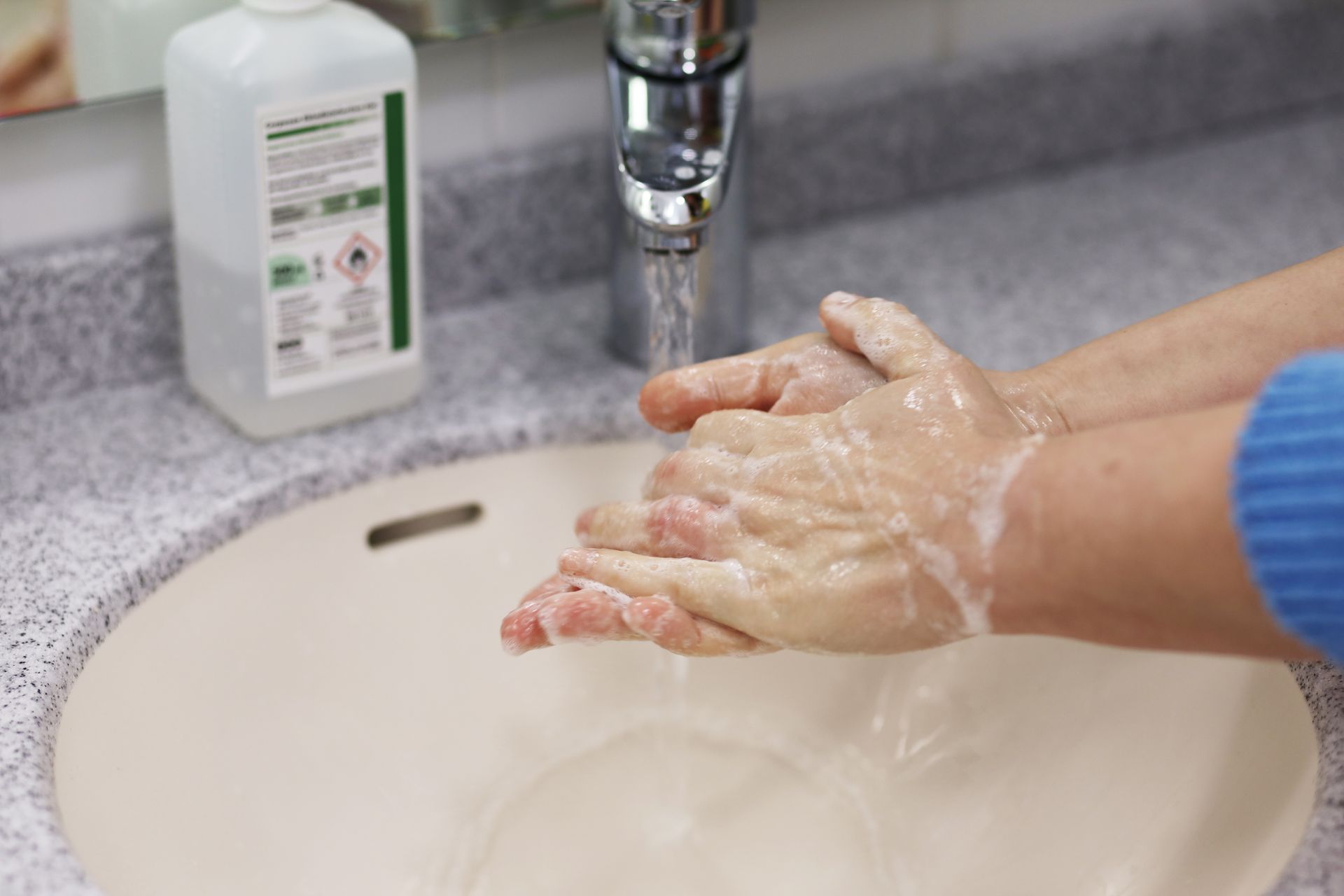
Perhaps the biggest mistake is treating gloves as a replacement for hand hygiene. WHO’s message is explicit: medical gloves can reduce infection risk in appropriate circumstances, but they do not replace cleaning the hands. Gloves may have defects, can tear during use and can contaminate hands during removal. The CDC, meanwhile, says washing with soap physically lifts soil and microbes from the skin and recommends scrubbing for at least 20 seconds. That remains useful whether you cleaned bare-handed or spent the entire job wearing gloves.
If You Wear Them, How You Use Them Matters
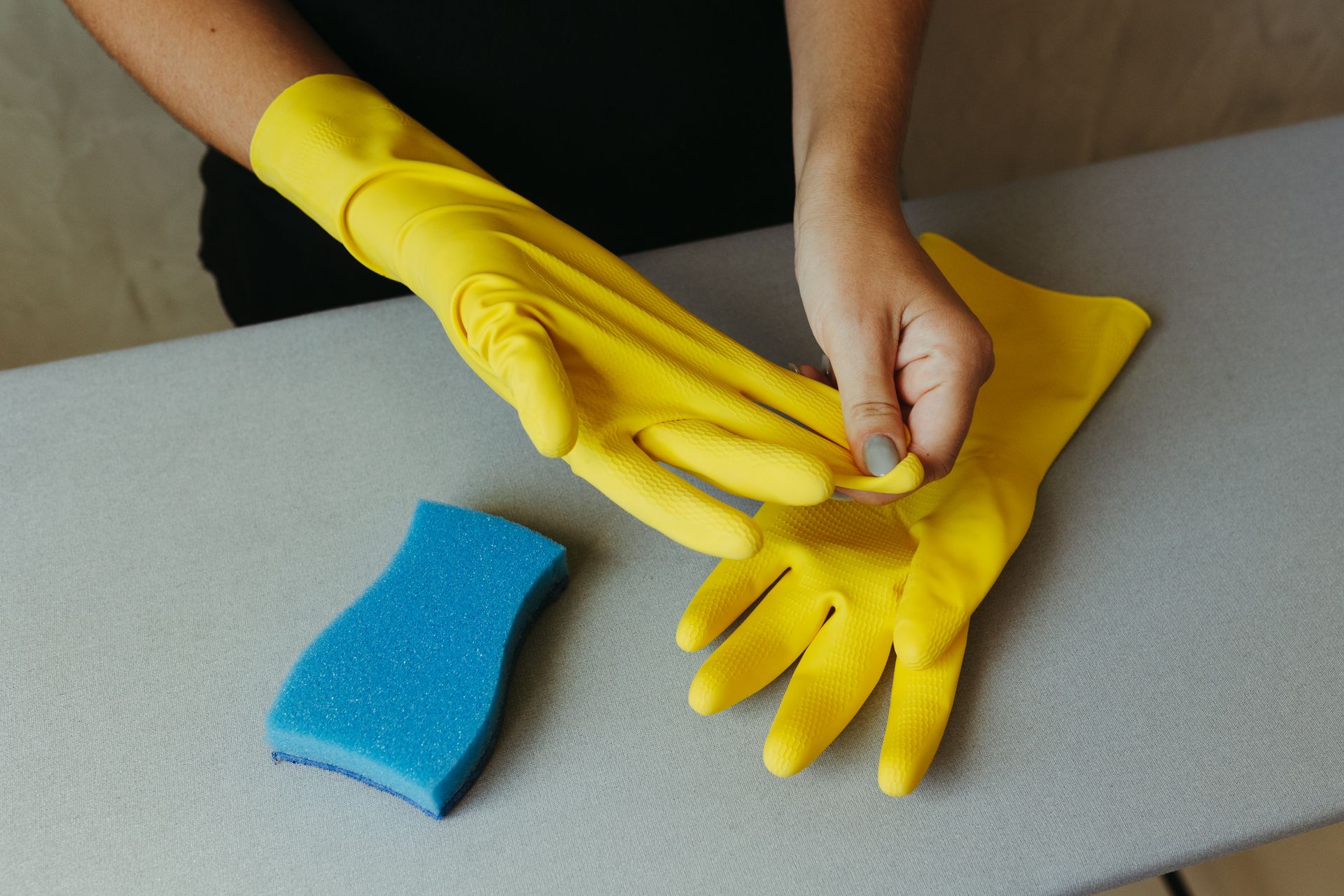
There is nothing wrong with preferring gloves for the “ick” factor, protecting a manicure or simply keeping cleaning products off your skin. But they need to be treated like cleaning equipment, not magic armor. Polwarth recommends choosing gloves that fit properly, while Venter suggests watertight, non-allergenic options. Reusable gloves should be washed, rinsed and allowed to dry completely between uses. Disposable gloves should not be washed and reused, and moving from a dirty task to a clean one without changing them can carry contamination along for the ride.
The Better Habit Happens After the Cleaning Is Done
For most people with intact skin, the decision to wear gloves for routine cleaning can ultimately come down to the product being used, skin sensitivity and personal preference rather than fear of every germ on the countertop. Cuts and wounds warrant extra protection, while chemicals, prolonged water exposure and caring for someone who is ill create additional reasons to glove up. But whichever route you choose, the final step stays remarkably ordinary: wash your hands properly when the cleaning is finished. Gloves can add a barrier when circumstances call for one. Clean hands are what complete the job.