Experts Say a Rare Solar Superstorm Could Cause Widespread Power and Communication Disruptions
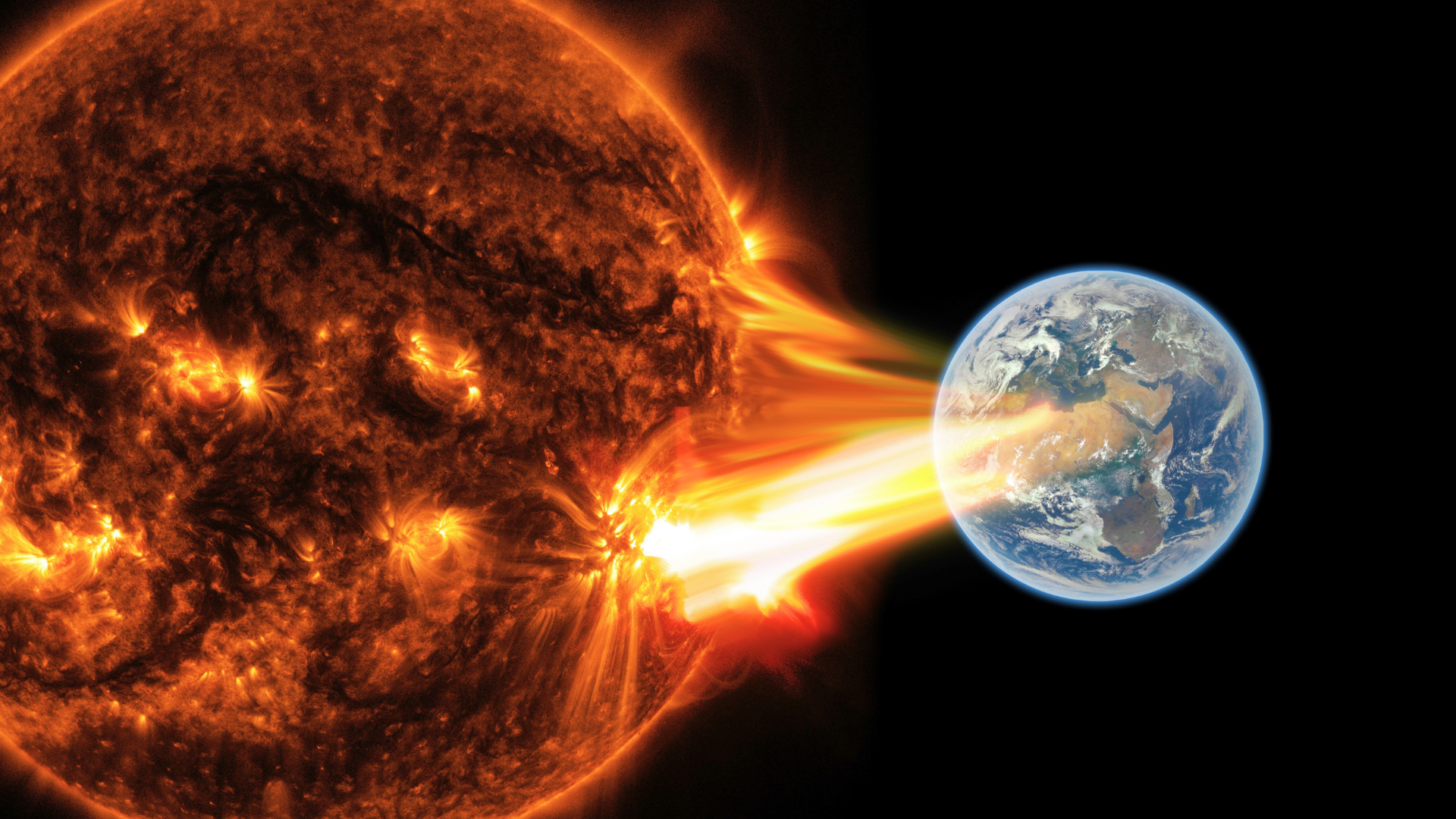

Experts are warning that a rare but powerful solar superstorm could severely disrupt modern life by damaging power grids, satellites, and communication systems. These events, caused by massive bursts of energy from the Sun, can trigger geomagnetic storms that interfere with Earth’s magnetic field and technological infrastructure. Scientists say the most extreme versions of these storms occur roughly once every 100 to 200 years, making them low probability but high impact events.
A solar superstorm happens when the Sun releases a coronal mass ejection that sends charged particles toward Earth at high speed. When these particles interact with Earth’s magnetic field, they can induce electrical currents in power lines and disrupt satellites and navigation systems. Even moderate storms have been shown to cause widespread GPS errors and satellite communication problems.
Recent scientific reports suggest that modern society is more vulnerable than ever because nearly all critical infrastructure depends on electricity and satellite-based systems. Experts warn that a severe event could temporarily disrupt transportation, banking, and global communications networks. Some studies even estimate that extreme storms could cause economic losses in the hundreds of billions of dollars.
How a Solar Superstorm Affects Modern Infrastructure
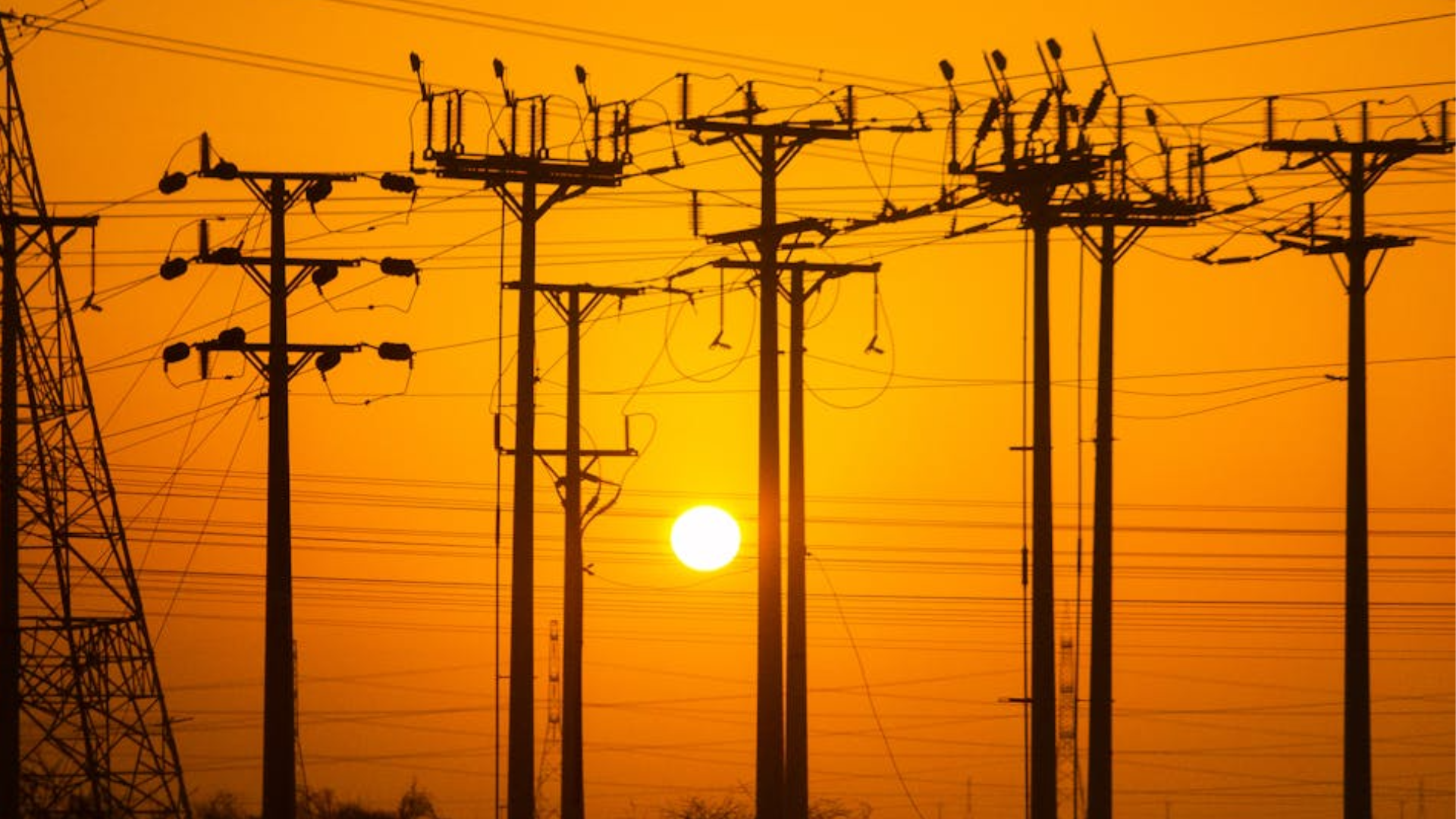
One of the biggest risks from a solar superstorm is damage to electrical grids caused by induced currents in long transmission lines. These currents can overload transformers, potentially leading to regional or widespread blackouts if systems are not protected. In extreme cases, recovery could take weeks or even longer depending on infrastructure damage.
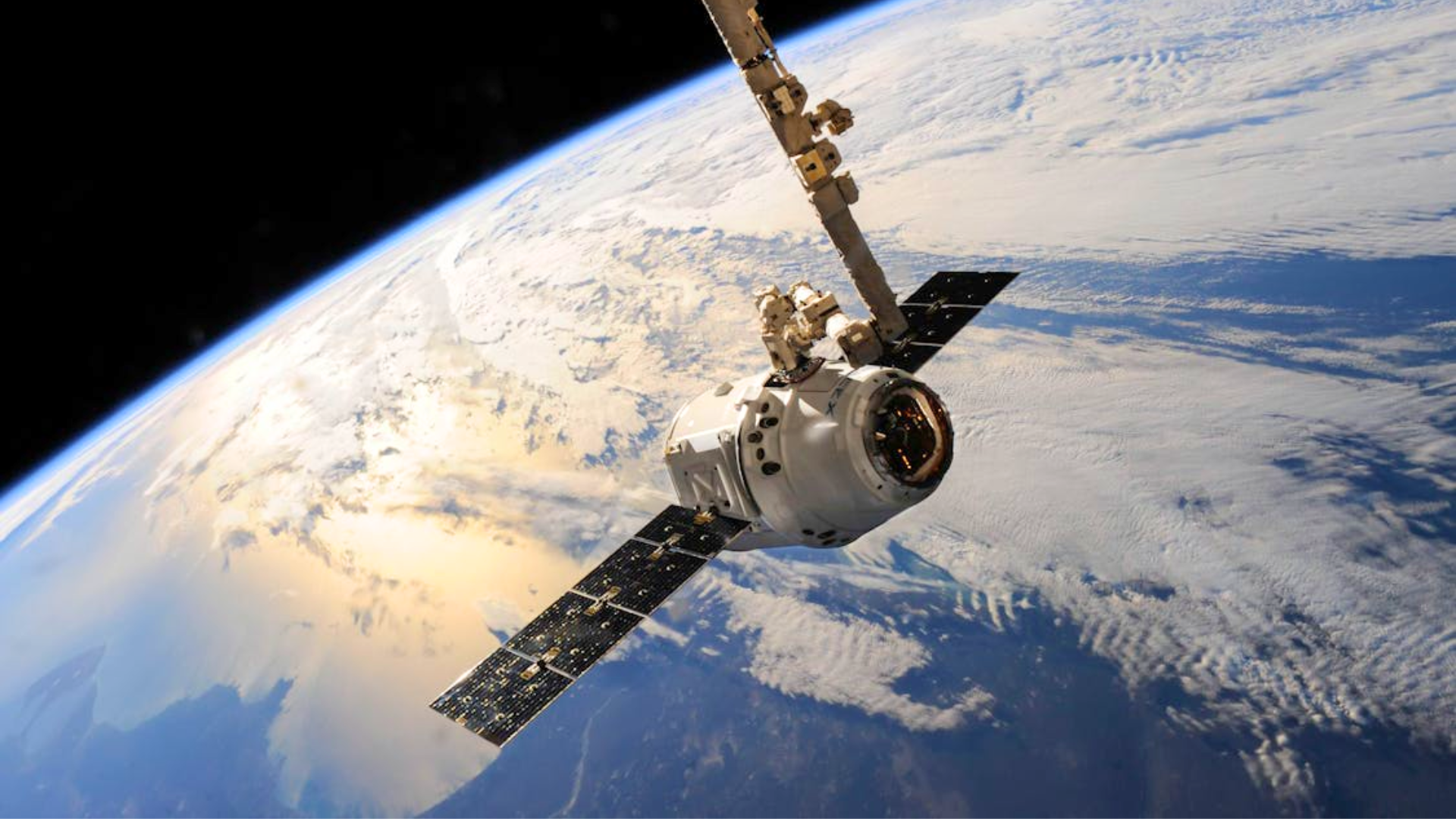
Satellites are also highly vulnerable because energetic particles from solar storms can damage onboard electronics and reduce operational lifespan. GPS systems, weather forecasting satellites, and communication networks could all experience disruptions during a major event. This could also affect aviation, shipping, and military operations that rely on precise navigation signals.
Communication systems that depend on high-frequency radio waves may also fail because solar storms disturb the ionosphere, which reflects and carries radio signals. This can lead to unstable or completely lost communication between ground stations, aircraft, and ships. Experts warn that combined failures across multiple systems could create cascading disruptions in critical services.
Why Scientists Take Solar Storm Threats Seriously
Scientists stress that solar storms are not theoretical risks but real events that have already caused disruptions in modern times. Historical storms have knocked out power systems, damaged satellites, and caused large-scale auroras visible far from the poles. Even relatively recent storms have shown how dependent society is on space-based technology.
Researchers are especially concerned because a major event similar to the 1859 Carrington Event today could have far more severe consequences. Estimates suggest it could impact electricity, water systems, transportation, and global communications simultaneously. Some studies warn that recovery could take months in the most affected regions.
Despite the risks, scientists say improved solar monitoring systems now provide earlier warnings that can help protect infrastructure. Space agencies continuously track solar activity to forecast potential storms and reduce their impact. However, predicting the exact strength and direction of these storms remains a major scientific challenge.
A Low-Frequency but High-Impact Global Threat

A rare solar superstorm could disrupt essential systems that modern society depends on, including electricity, communication, and satellite networks. While these events do not occur often, their potential impact is severe enough to concern scientists and governments worldwide. Preparation and monitoring remain the primary defenses against such natural space hazards.
Experts emphasize that even a short-lived storm could trigger cascading failures across multiple systems at once. This makes resilience planning for power grids and satellites increasingly important as technology becomes more interconnected. The biggest challenge is not preventing solar storms, but reducing their impact when they inevitably occur.
As solar activity continues, researchers stress that better forecasting and infrastructure protection will be essential in minimizing future damage. While the risk remains low on any given day, the consequences of a major event would be globally significant.