‘Hope Is No Way to Run a Water System’, Expert Warns as Reservoirs Crash
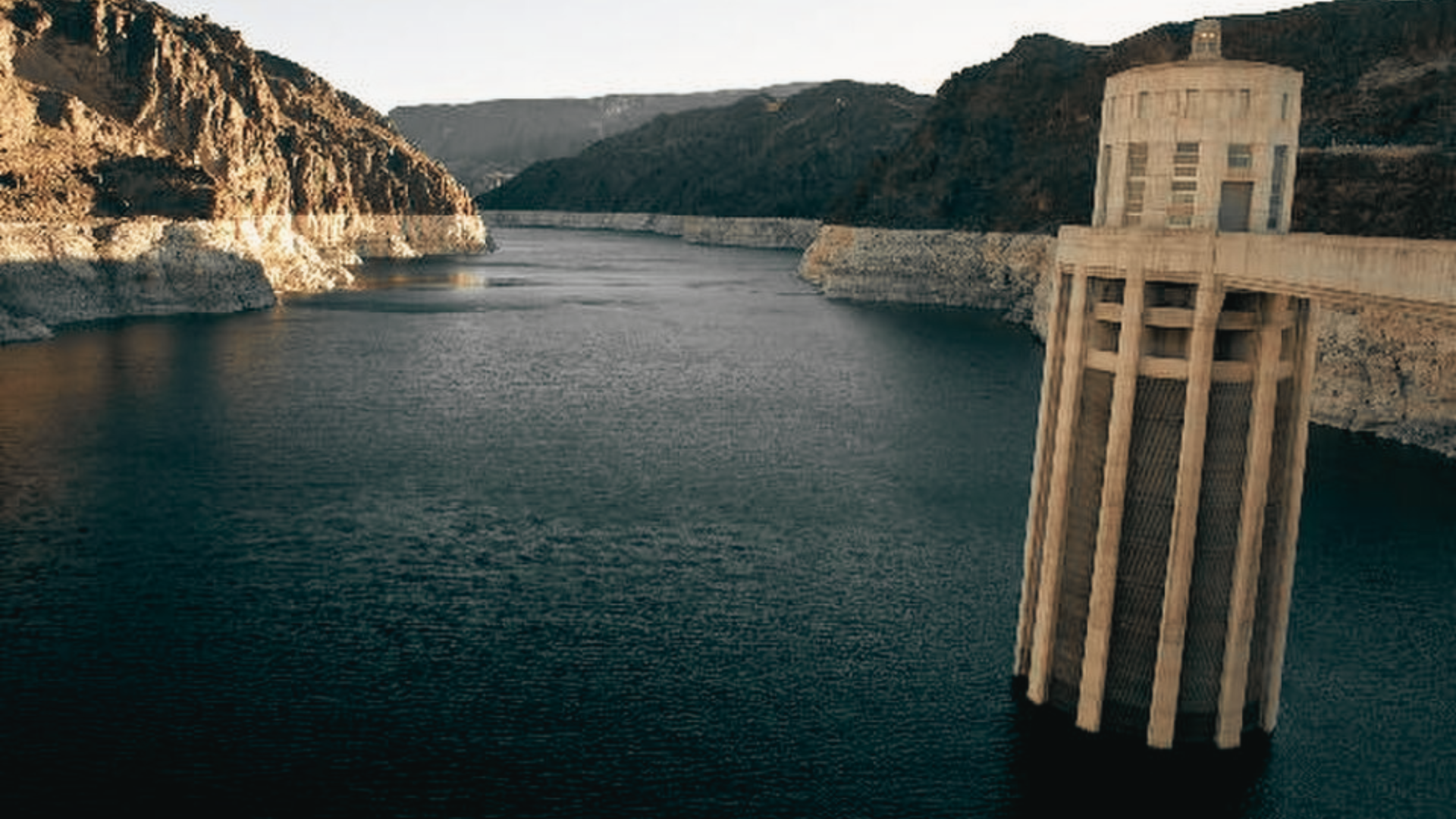

A water system built to serve 40 million people is supposed to have some cushion built in. Right now, it barely has any left. Lake Powell and Lake Mead, the two biggest reservoirs on the Colorado River, just hit their lowest combined level since 1957, before Lake Powell even existed. Jack Schmidt, an author on the analysis, put the danger bluntly: “Hope and prayer is no way to run a national water system.”
The Colorado River stretches 1,400 miles from the Rocky Mountains to the Gulf of California, crossing seven states along the way. It irrigates more than 5 million acres of farmland, generates power for roughly 700,000 homes, and supplies drinking water to 40 million people. That single river now carries far more demand than its shrinking supply of snowmelt and rainfall can reliably support.
Twenty-five years of change pushed the river to this point. Demand kept climbing while climate change brought hotter, drier weather and less mountain snow, the exact fuel this system depends on. Snowpack works like a natural water tower, slowly releasing water as it melts through spring and summer. Without enough snow falling each winter, that tower simply has less water left to release downstream.
A Snow Drought Made an Already Fragile System Worse
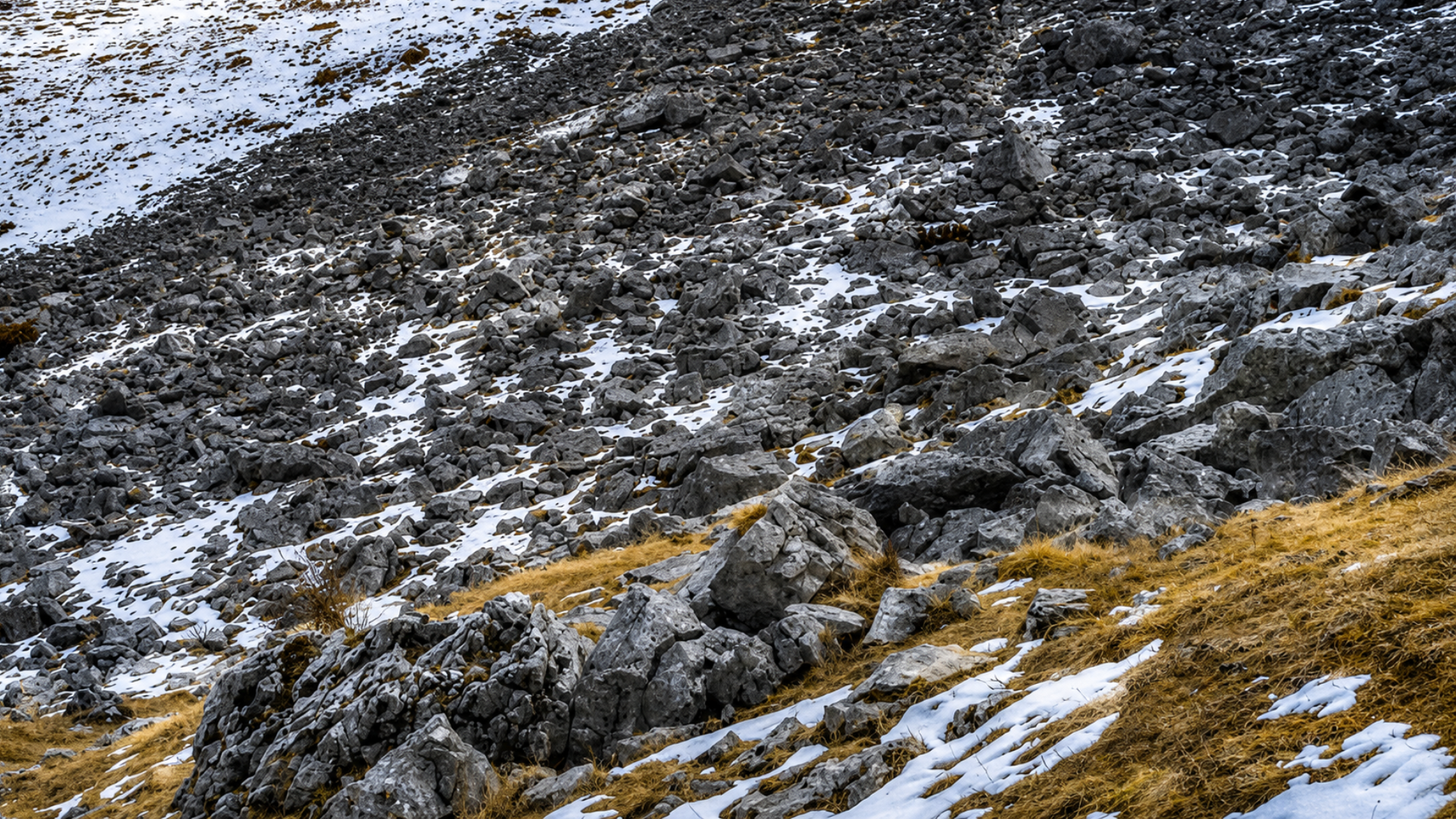
Last winter made an already fragile system worse. The western United States experienced one of its driest, warmest winters on record, deepening what experts describe as a full-blown snow drought across the region. Today, 95% of the entire Colorado River Basin sits in some level of drought. Every dry winter compounds the last one, leaving less water in reserve before the next dry season even begins.
On July 12, Lake Powell measured 3,524 feet, and Lake Mead sat just under 1,043 feet, together breaking a record previously set in March 2023. Lake Powell is now just 23% full, its lowest level ever recorded for the month of July. Lake Mead is 27% full, sitting less than a foot above the all-time record low it previously set back in July 2022.
Researchers expect this record to keep breaking itself daily until spring finally arrives. Both reservoirs are projected to set a new combined low every single day between now and next year’s snowmelt season, according to the analysis. That daily decline isn’t a temporary dip correcting itself. It reflects a basin steadily draining faster than winter snowpack has been able to refill it in recent years.
Lake Powell Is Approaching a Threshold That Would Cut Power, Not Just Water
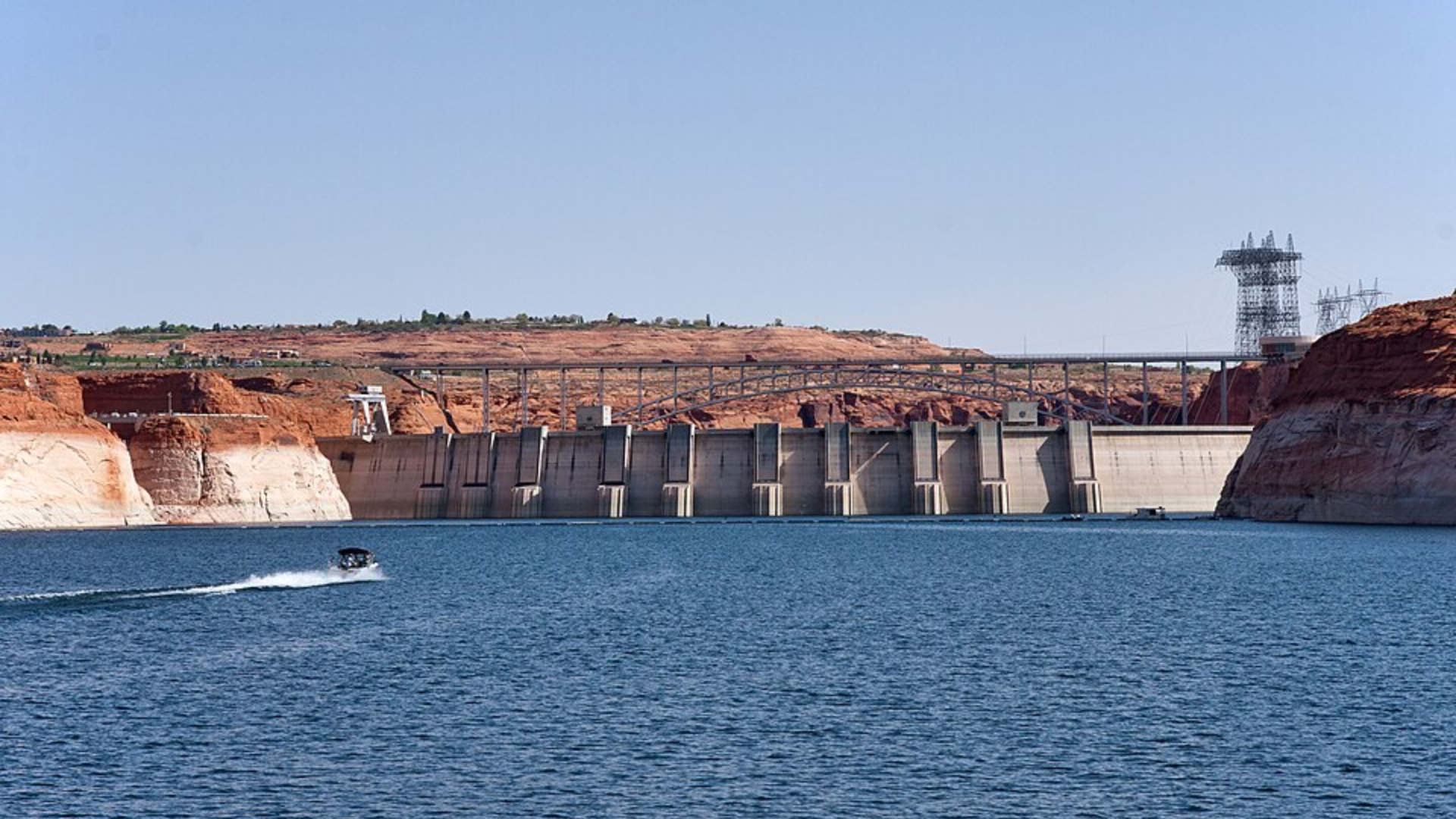
A specific technical threshold looms even closer for Lake Powell. According to a July Bureau of Reclamation report, the reservoir could fall so low by spring 2027 that it hits what’s called “minimum power pool,” the point where its dam physically can no longer generate hydropower at all. Reaching that threshold would remove electricity, not just water, from the list of resources at risk statewide.
Sarah Porter, director of the Kyl Center for Water Policy at Arizona State University, described the stakes in stark terms. She said the current low levels signal that “the system is at risk of crashing,” a scenario where reservoirs drop so low that water simply cannot be physically delivered from them anymore, regardless of how badly downstream states and cities need it.
Behind these numbers sits an old agreement now under real strain. Under the 1922 Colorado River Compact, the four Upper Basin states split 7.5 million acre-feet of water annually, with another 7.5 million going to the three Lower Basin states. That formula was built for a river far larger than the one currently flowing, and a federally imposed February deadline for a new agreement already came and went without one.
A Little Relief Is Coming. Experts Say It Won’t Be Enough.
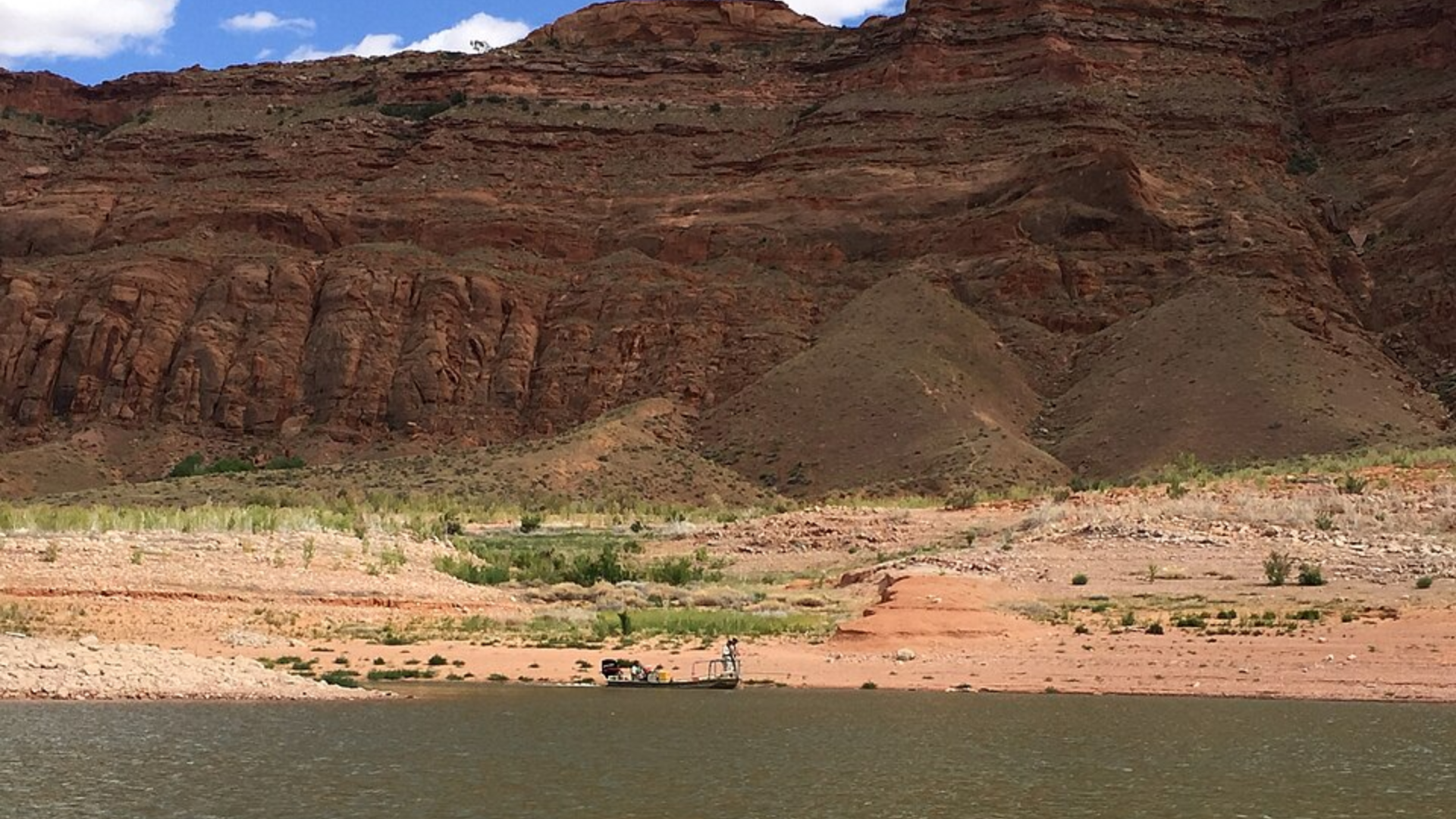
Federal officials say a new framework is coming, even if the timeline remains unsettled. Interior Secretary Doug Burgum met virtually with governors from all seven basin states this week, later saying “Interior remains focused on establishing a new operating framework” for managing the river going forward. A Bureau of Reclamation spokesperson added that updated guidelines are expected within the coming weeks.
There is a genuine chance of short-term relief on the way. An incoming El Niño pattern tends to bring more rain and snow to the Southwest, and forecasters expect drought conditions to ease somewhat this fall and winter as that pattern develops. Experts are careful to frame that relief as temporary, though, not as any kind of fix for the deeper imbalance driving the crisis.
Even a record snowfall this winter would not solve the underlying problem experts are describing. Porter has warned that heavy snowpack alone would not be nearly enough to pull the basin out of its current danger zone. The real fix, Schmidt argues, requires immediate investment in efficient farm irrigation and smarter crop choices, not another season spent hoping the snow shows up on its own.