Ever Wondered Why Some Traffic Lights Have These White Squares on Top?
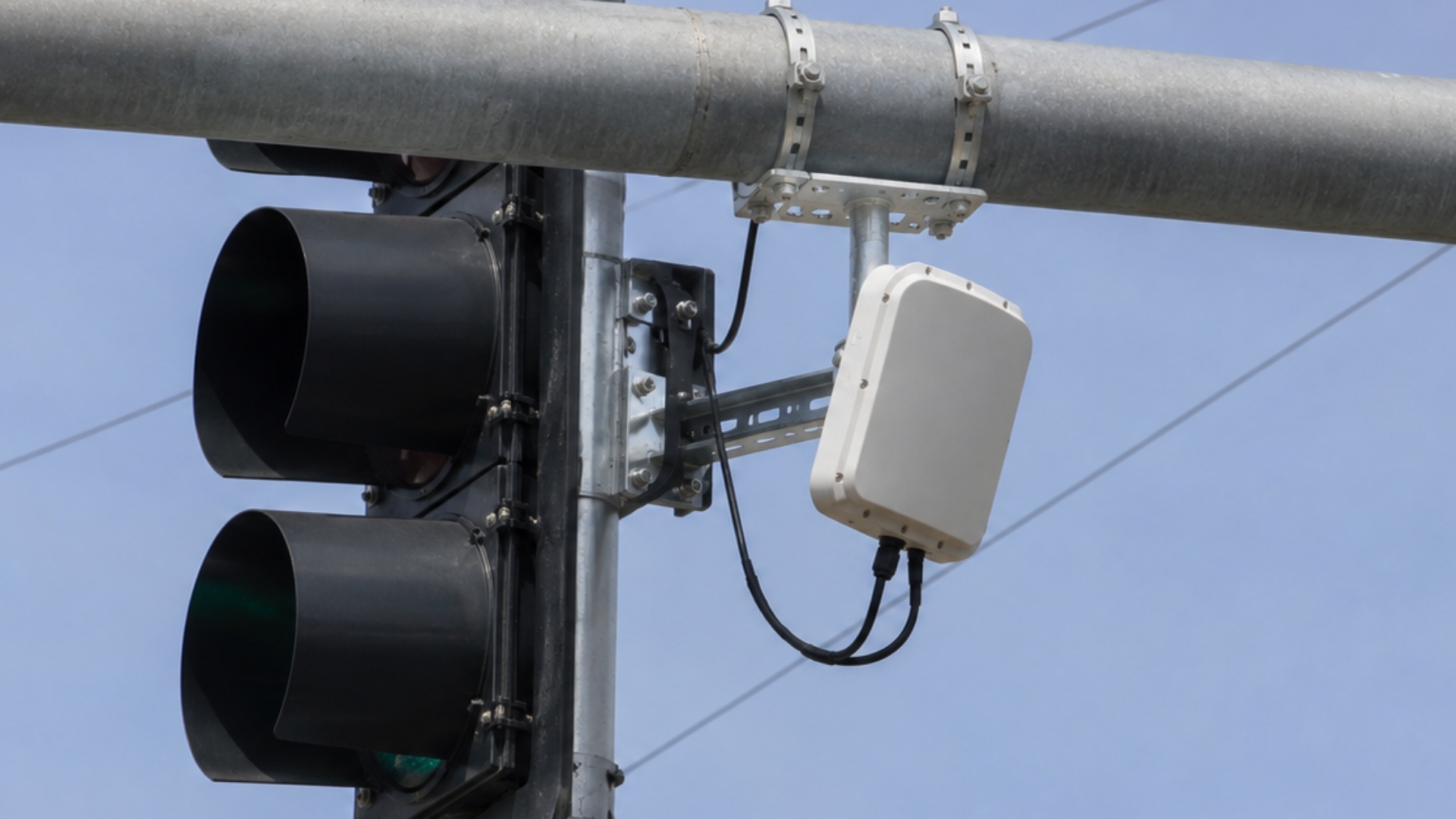

That small white box mounted near a traffic light is not a camera pointed at your license plate. It is not a government surveillance device. And it is definitely not a radar gun waiting to catch you rolling through a yellow light. Yet when these devices began appearing at intersections in cities like Springfield, Missouri, and several New Jersey towns, drivers panicked. Some called local officials. Some posted warnings online. But the answer is far simpler than the theories.
The white squares are traffic sensors that monitor vehicle counts and flow, helping traffic signals adjust their timing to reduce congestion. That is the official explanation, confirmed by municipal authorities in multiple states. No surveillance. No ticketing. No personal data harvested from your morning commute. However, the confusion is still understandable, because most drivers have never been told what these devices actually do, or why cities are installing more of them every year. Understanding that requires a quick look at how intersections used to work, and what those old systems could not do.
Before these boxes existed, traffic lights operated on fixed timers or relied on induction loops, sensors embedded into the road itself, to detect waiting vehicles. Those buried loops wore out, required costly roadwork to replace, and could not detect approaching cars at any distance. As cities grew and roads got busier, those limitations created real bottlenecks. Engineers needed something smarter, something mounted above the street where it could see more. The white boxes are that upgrade, and what they can do goes well beyond simply counting cars.
The Radar Behind the Box You Never Noticed
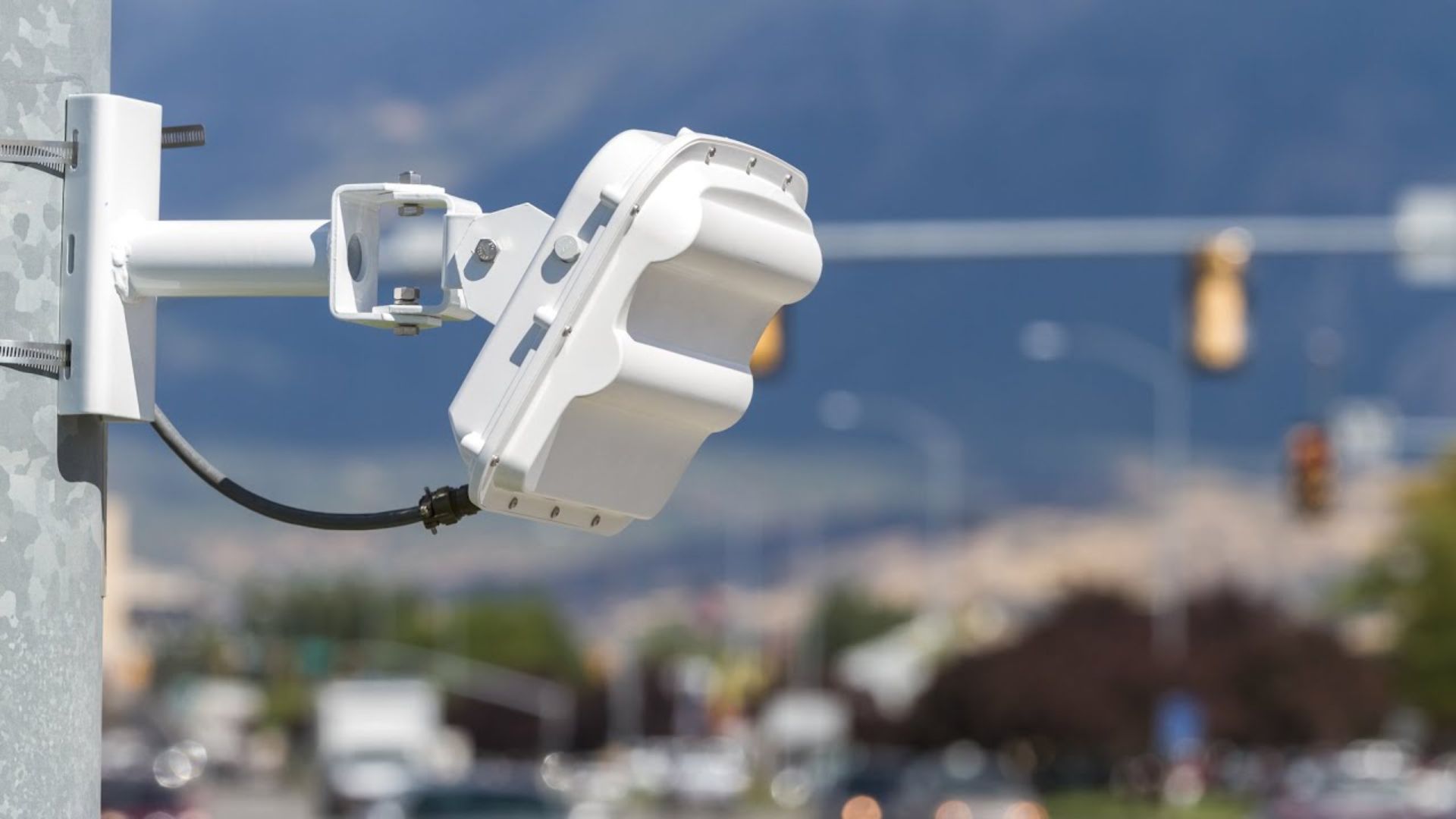
There are actually two kinds of white sensor boxes found at traffic signals. The flat variety, sometimes called “stop boxes,” function like the old induction loops buried in concrete, detecting when a vehicle is sitting and waiting at a red light. The second type uses a wavy design and works very differently: it can detect a moving vehicle approaching the intersection from as far back as 500 feet, and when it does, it can hold the green light for a few extra seconds to let that car safely clear the intersection.
According to Springfield, Missouri’s traffic engineers, the devices are not used for law enforcement purposes. They are radar units picking up the presence of a moving vehicle approaching the intersection, and the data they collect is limited to traffic counts, not individual plate numbers, photos, or personal information. A New Jersey Department of Transportation representative confirmed a similar setup, noting that the boxes communicate via radio waves to report traffic volumes and other parameters at their locations. The data flows up, not toward you.
That radio communication is the key to what makes these sensors genuinely useful. Rather than simply logging that a car passed, the boxes feed real-time information back to a city’s Traffic Management Center, where engineers can monitor flow across an entire network of intersections. Many cities are now moving toward artificial intelligence and cloud-based traffic management systems, and most of the gadgets visible on traffic light poles today are being used to support that shift. The white boxes are one piece of a much larger, smarter infrastructure, and some of them do something even more urgent.
When a Green Light Becomes a Matter of Life and Death
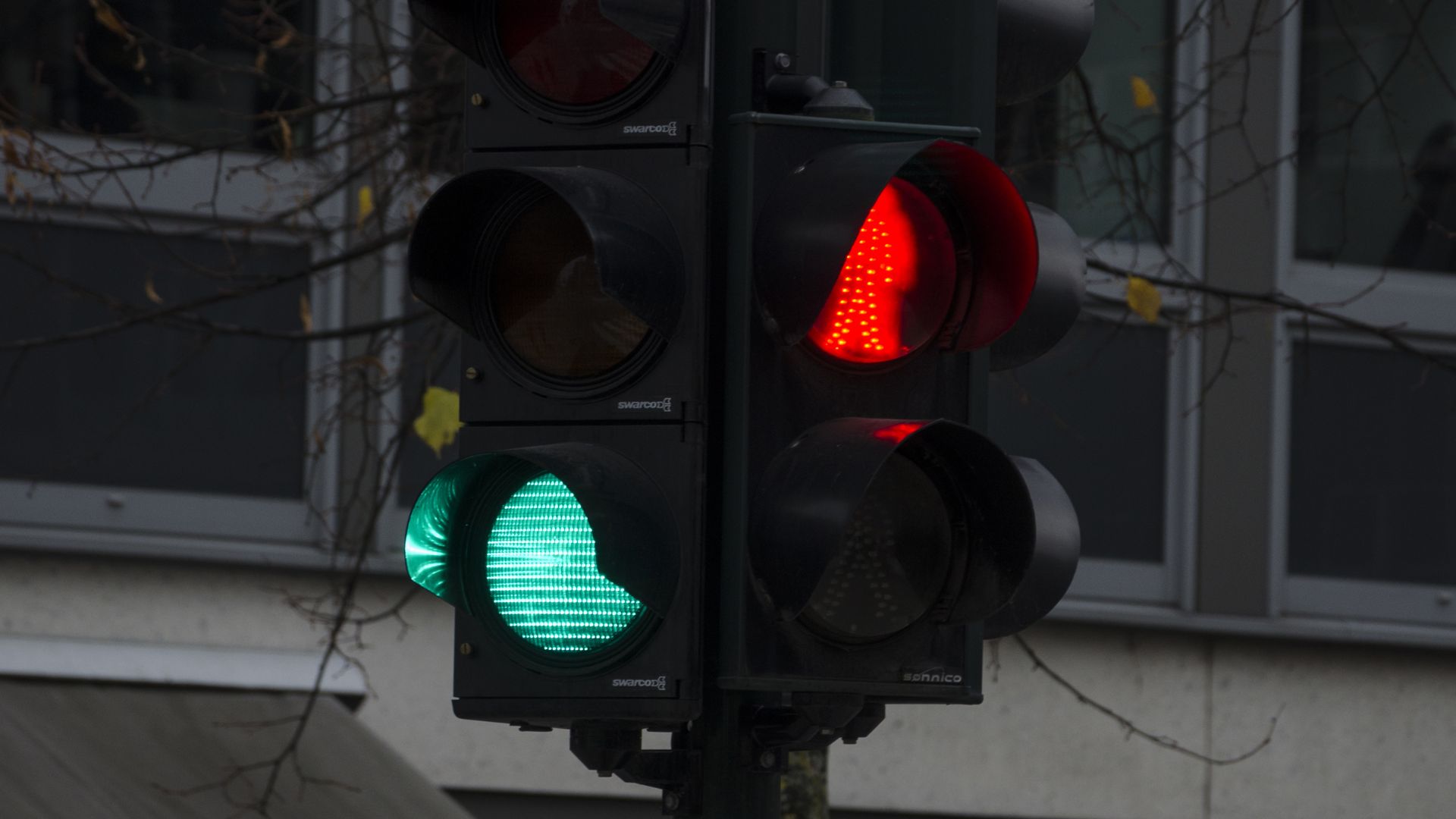
In cities like Los Angeles and San Francisco, fire departments have begun implementing Traffic Signal Preemption Systems, which use radio transponders mounted on emergency vehicles to interact with sensors on traffic lights, changing signals from red to green to clear the path ahead. The same technology is spreading to smaller cities nationwide. Vienna Fire Chief Steve Scholl described the sensor as a “sensing ray that sends out a signal,” distinguishing it clearly from any camera or recording device. For first responders racing to an emergency, those extra seconds mean everything.
The tiny black device with a light on the end, commonly seen on or near a traffic light, is usually an infrared preemption device used to turn lights green for emergency vehicles. These infrared gadgets have a partner device located on the emergency vehicle itself, and together they form a two-way communication system. The white sensors serve the broader traffic network, while the black ones serve a more targeted, life-saving function. Together, they represent a kind of quiet revolution in how cities manage movement, one that most commuters drive through every day without ever noticing it.
Some cities are now introducing pedestrian detection sensors that can extend a green walk signal if a slower-moving pedestrian is still crossing the intersection. That means the same networked logic now serves drivers, cyclists, emergency crews, and pedestrians. The intersection has become a sensor-rich environment designed to adapt in real time to whoever needs it most. And the more that technology advances, the more the humble traffic light is becoming something closer to a thinking system. What that means for urban roads over the next decade is only beginning to take shape.
Smarter Streets, But the Same Old Questions
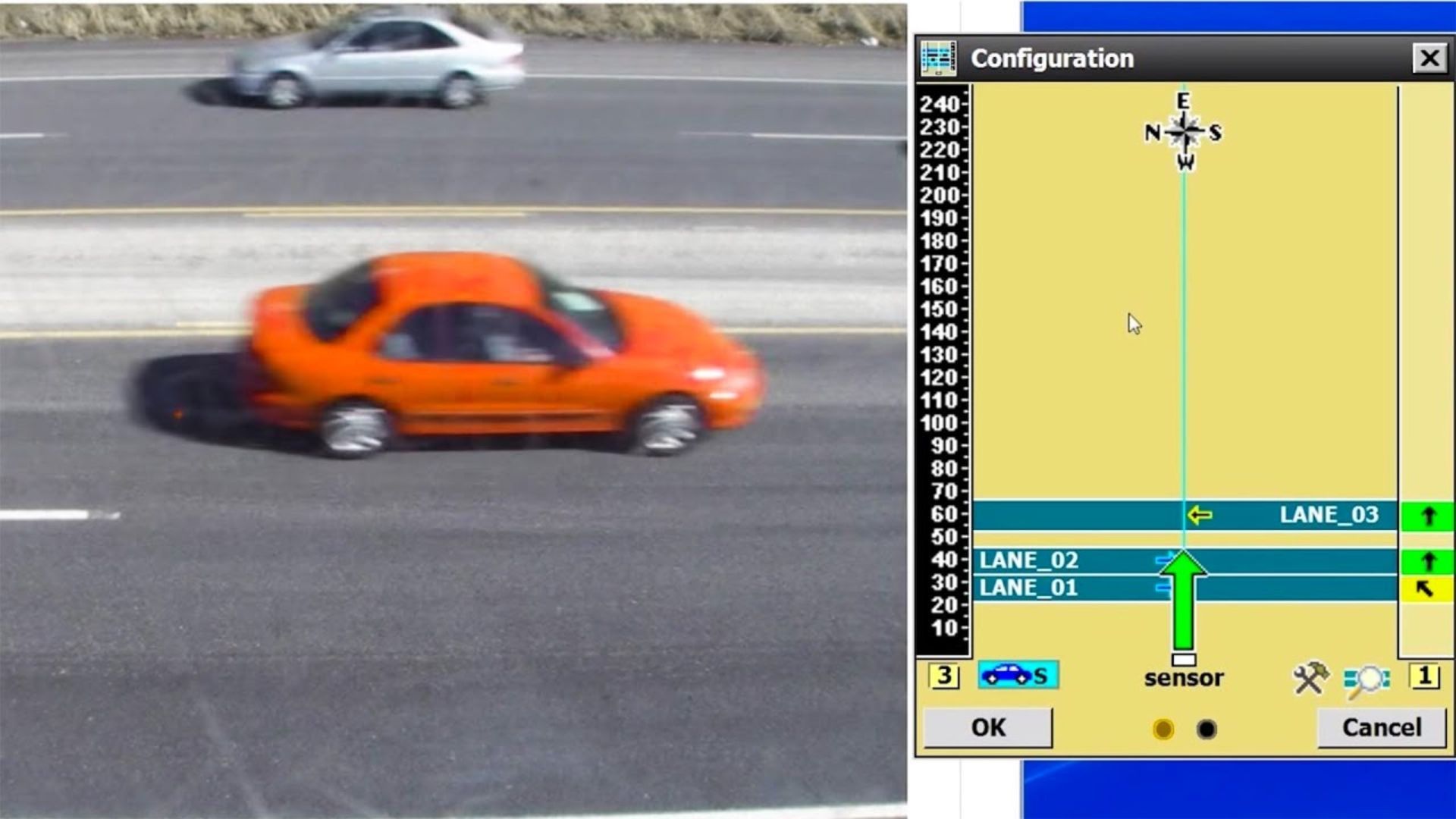
The sensors are doing exactly what officials claim, managing flow, improving safety, and helping clear the way for emergency vehicles. Springfield, Missouri alone had approximately 60 of these sensors installed at various intersections, with 33 more planned, all aimed at cutting down wait times, reducing accidents, and saving fuel by reducing unnecessary idling. That is a measurable, practical return. Yet for many drivers, the visual of a small white device perched above them at a red light still triggers something instinctive, a suspicion that quietly watching technology is rarely entirely neutral.
That instinct is not entirely irrational. The same infrastructure capable of counting cars is also capable of feeding data into systems that do far more. Pan-and-tilt cameras mounted near traffic lights allow engineers to monitor entire intersection corridors, and while these are used for traffic management today, the line between traffic intelligence and surveillance infrastructure is one that urban planners, privacy advocates, and lawmakers are still actively debating. The white box itself may be harmless. What connects to it is a more complicated story, and one worth following as smart city systems expand.
For now, the answer to the mystery above your next red light is genuinely reassuring. The white box is not watching you specifically. It is watching the road, counting what moves, and nudging a signal to keep things flowing. But as cities add more sensors, more cameras, and more AI to the mix, the question worth asking is: what else will they be allowed to do in the future?