Ever Wonder Why Electrical Plugs Have Those Tiny Holes?
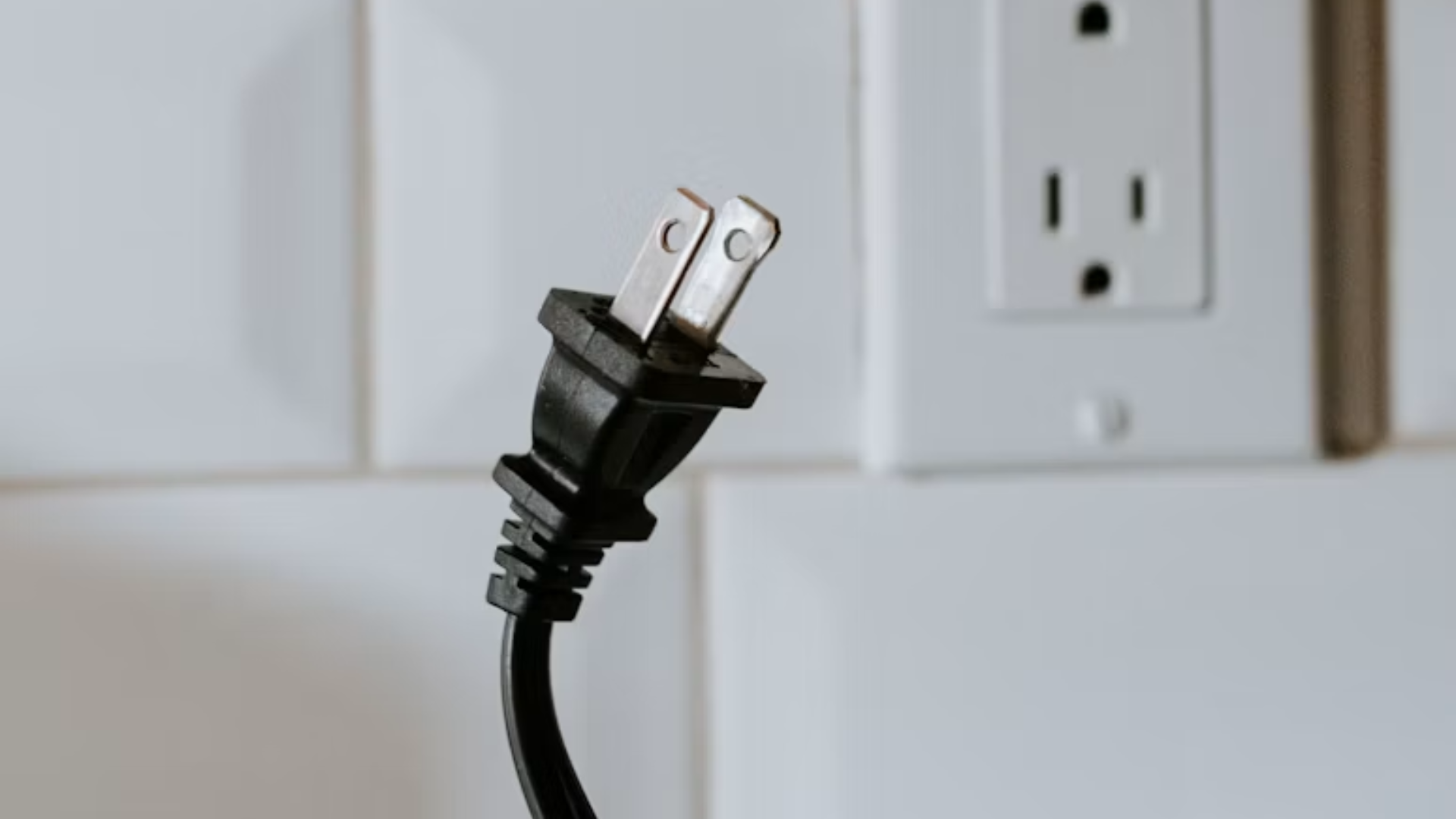

Those tiny holes in the metal prongs of an electrical plug are easy to overlook, but they were not placed there randomly. The holes are found on many common North American Type A and Type B plugs, and their history goes back more than a century to the early development of detachable electrical plugs.
According to HowStuffWorks, the Type A plug has two flat parallel prongs and no grounding pin, while the Type B version adds a third grounding pin. The two flat blades on both designs commonly have small holes near their ends. Harvey Hubbell II is credited with inventing the detachable electrical plug in the early 1900s, helping establish a design that eventually became familiar in homes across North America.
The original purpose of the holes was connected to keeping the plug securely in the outlet. Older receptacles could have small bumps or other retention features that lined up with the holes in the blades, creating additional resistance when someone tried to pull the plug out. That design helped keep a plug from being loosened by the weight of the cord or appliance.
The Holes Once Helped the Outlet Grip the Plug
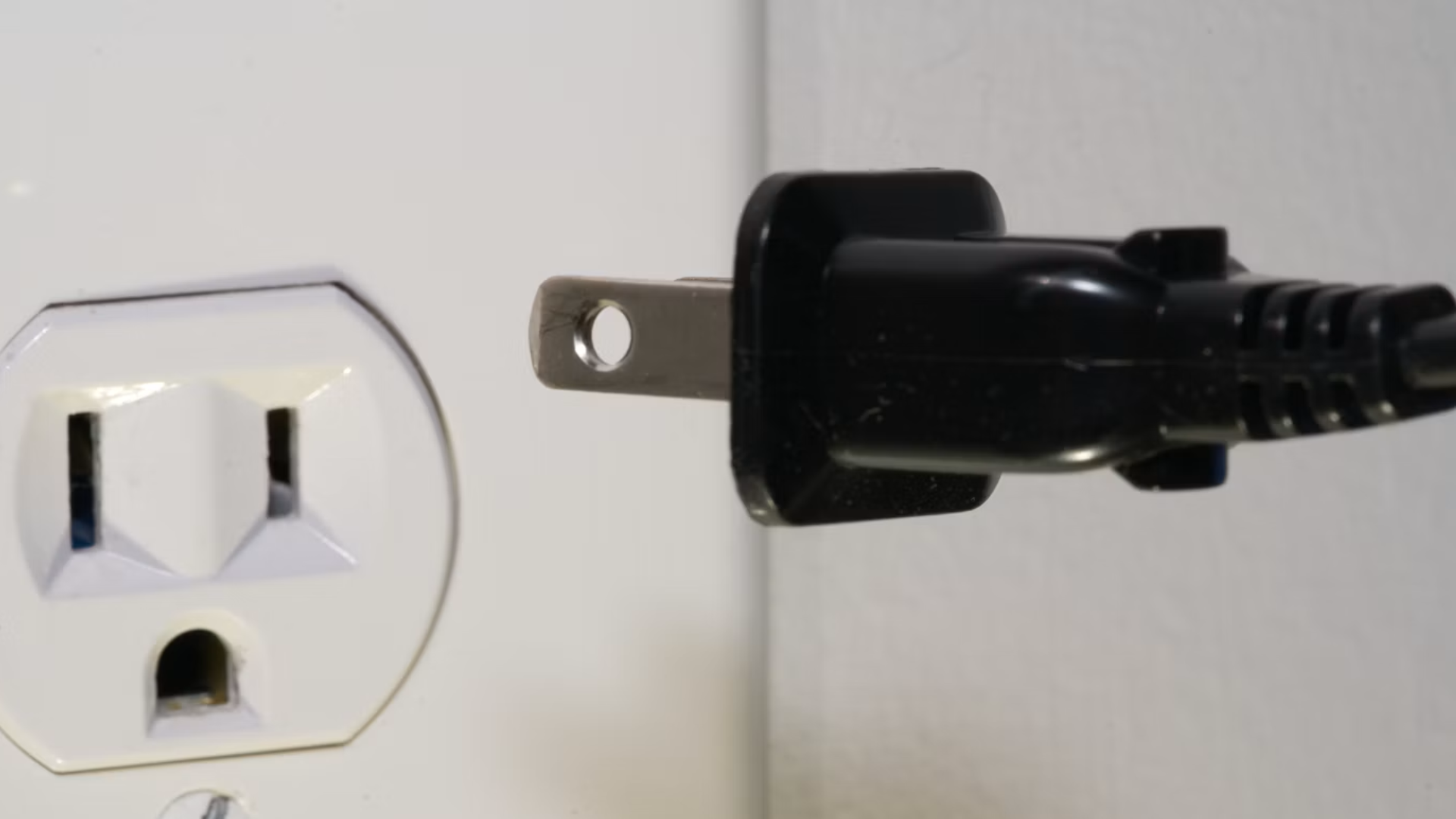
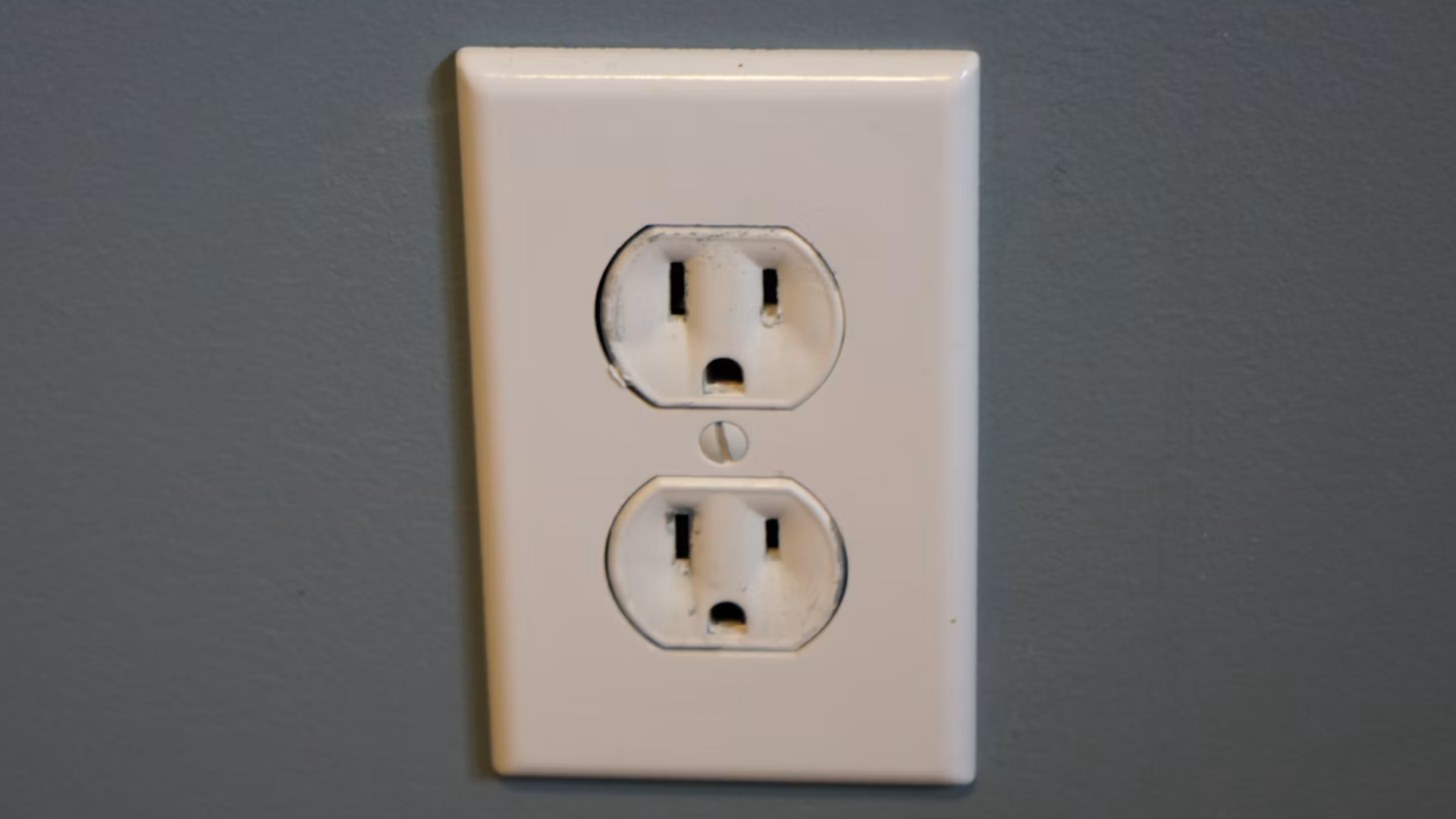
The original retention system was fairly simple. Raised features inside the receptacle could fit into the holes in the plug blades, helping hold the plug in position after it was inserted. This provided extra mechanical resistance and could also help maintain good contact between the plug’s metal blades and the electrical contacts inside the outlet.
That feature is not generally how modern standard outlets hold plugs today. The National Electrical Manufacturers Association explains that the holes were originally intended as a detent, meaning a feature designed to help retain the plug, but modern straight-blade receptacles were revised to meet retention requirements without relying on those detents.
The distinction is important because the familiar hole has remained even as outlet designs have changed. In other words, the shape of the plug can preserve a piece of electrical history long after the original mechanical reason for that feature has become less important in everyday household outlets.
They Can Also Be Useful for Manufacturing and Safety
The holes can have practical uses beyond the original outlet-retention design. HowStuffWorks notes that manufacturers can use the openings when producing plugs, including ways of holding or positioning the metal prongs during assembly. Removing a small amount of metal from each blade may also provide a modest material saving when plugs are produced in very large quantities.
The holes can also play a role in electrical safety procedures. A manufacturer can place a plastic tie, tag, or similar device through a prong hole to prevent an appliance or piece of equipment from being plugged in before required instructions or safety steps have been completed. This can be particularly useful in industrial settings where equipment may need to remain disconnected during maintenance or installation.
This safety use gives the little holes a second life beyond their original purpose. A tag attached through a plug can force a person to notice an instruction before the device can be connected to an outlet, while specialized lockout devices can be used to prevent equipment from being energized during certain safety procedures.
A Tiny Detail That Reveals How Electrical Design Has Evolved
The tiny holes in electrical plug blades are a good example of how everyday designs can outlive the original problem they were created to solve. What began as part of a system intended to help hold plugs in receptacles became a feature that can still assist with manufacturing and safety applications.
It is also a reminder that the familiar two- and three-prong plugs used throughout North America are the result of decades of engineering changes. Type A plugs use two flat blades, while Type B plugs add a grounding pin, and the blade holes are a feature associated with both common designs.
So the next time you unplug a lamp, charger, or small appliance and notice those little holes, there is more to them than meets the eye. They are a leftover from an earlier approach to keeping plugs secure, while also providing useful possibilities for manufacturing and safety, turning a seemingly insignificant detail into a small piece of electrical history.