Even the Housing Market Has Shrinkflation. Buyers Now Pay More per Square Foot for Less Space
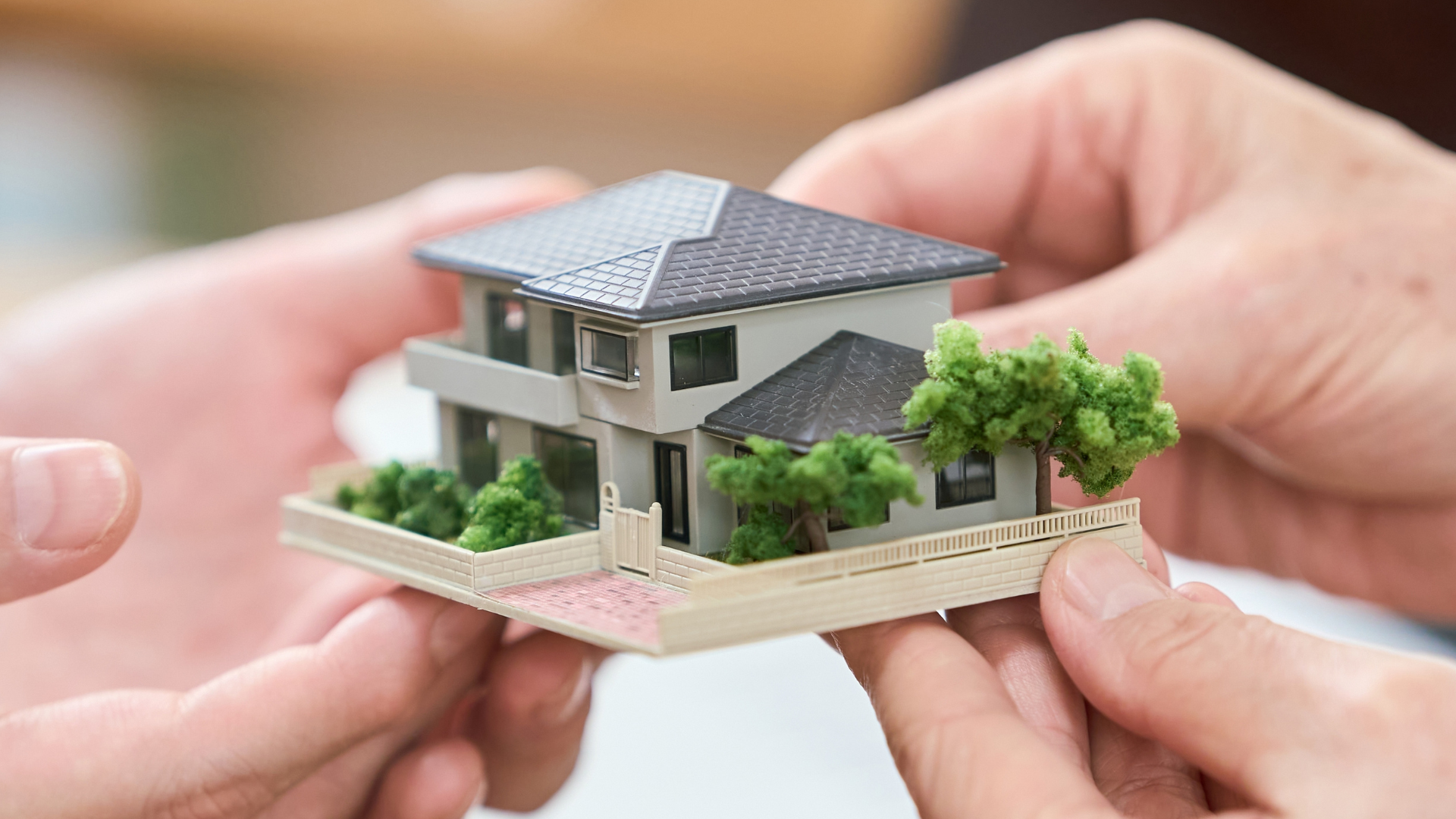

Americans are facing a version of shrinkflation that has nothing to do with grocery packages getting smaller. New single-family homes have generally become smaller over the past decade, yet buyers are paying substantially more for each square foot of living space, creating a housing market where a lower total size does not necessarily translate into a proportionally lower price. Research from LendingTree found that the average size of new single-family homes sold nationwide declined 11.6%, from 2,724 square feet in 2015 to 2,409 square feet in 2025, while the average price per square foot jumped 71.9%.
New Homes Are Getting Smaller
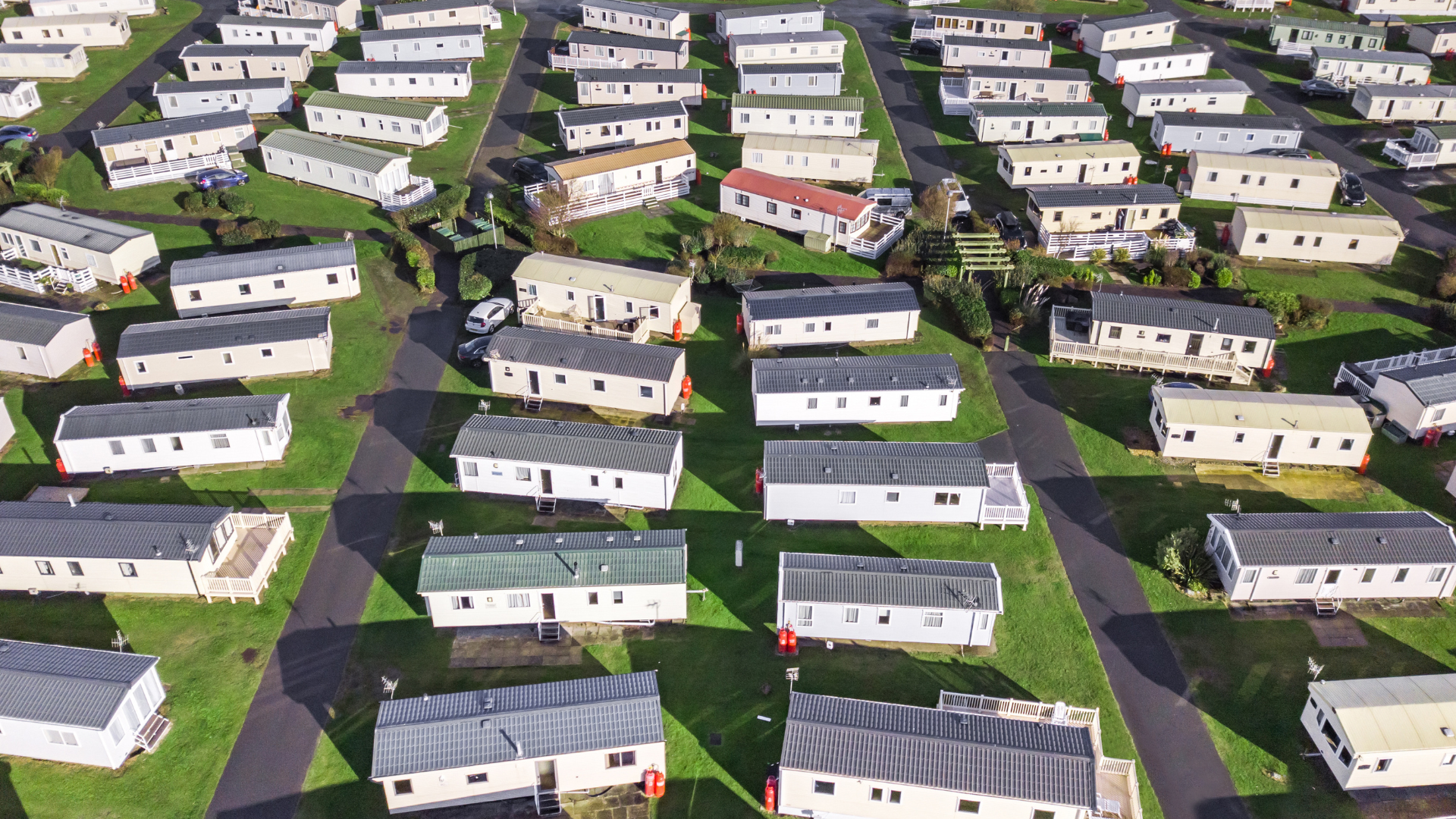
The shift toward smaller new homes has been developing for years, with the median size of new single-family homes generally declining since 2017. Builders are responding to buyers who increasingly struggle with high home prices and mortgage costs, but constructing a smaller property does not necessarily reduce every expense involved in building it. Land, permitting, utility connections, site work and other fixed costs can remain significant even when the amount of finished living space decreases.
The Price per Square Foot Has Climbed Sharply

The most striking part of the trend is the gap between shrinking size and rising cost per square foot. LendingTree’s analysis found that while the average new home became 11.6% smaller between 2015 and 2025, the average price paid for each square foot increased 71.9% over the same period. That means buyers are not simply paying for less house at the same rate, because the amount they pay for each unit of living space has risen substantially.
Why Smaller Homes Can Cost More per Square Foot
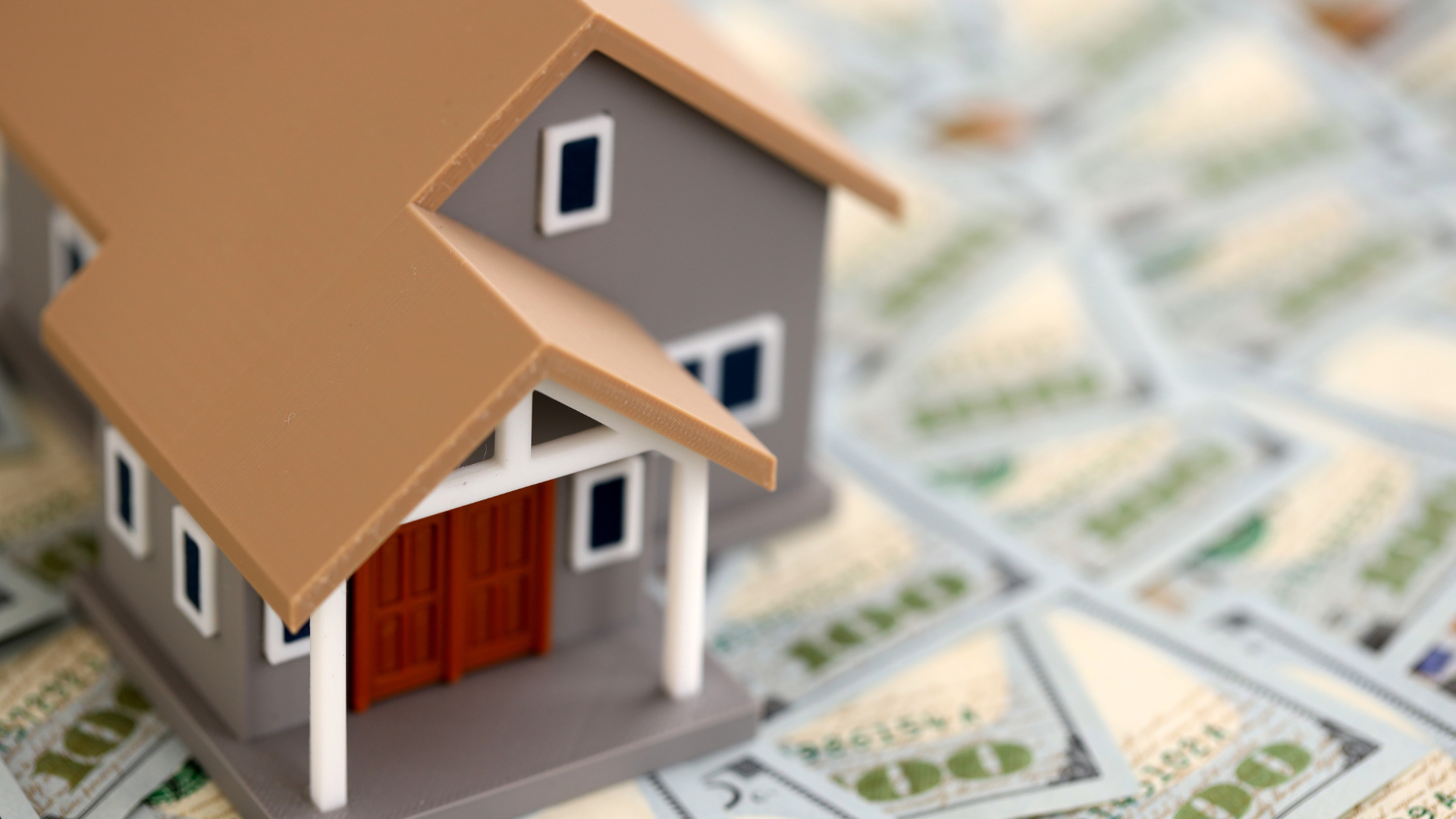
There is an important reason smaller homes can have a higher price per square foot that goes beyond simple supply and demand. Every house still needs costly components such as a kitchen, bathrooms, roof, heating and cooling systems, electrical work, plumbing, a foundation and a lot, so those expenses do not necessarily fall in proportion to the home’s size. When those costs are spread over fewer square feet, the resulting price per square foot can rise.
Building Smaller Does Not Eliminate Expensive Land
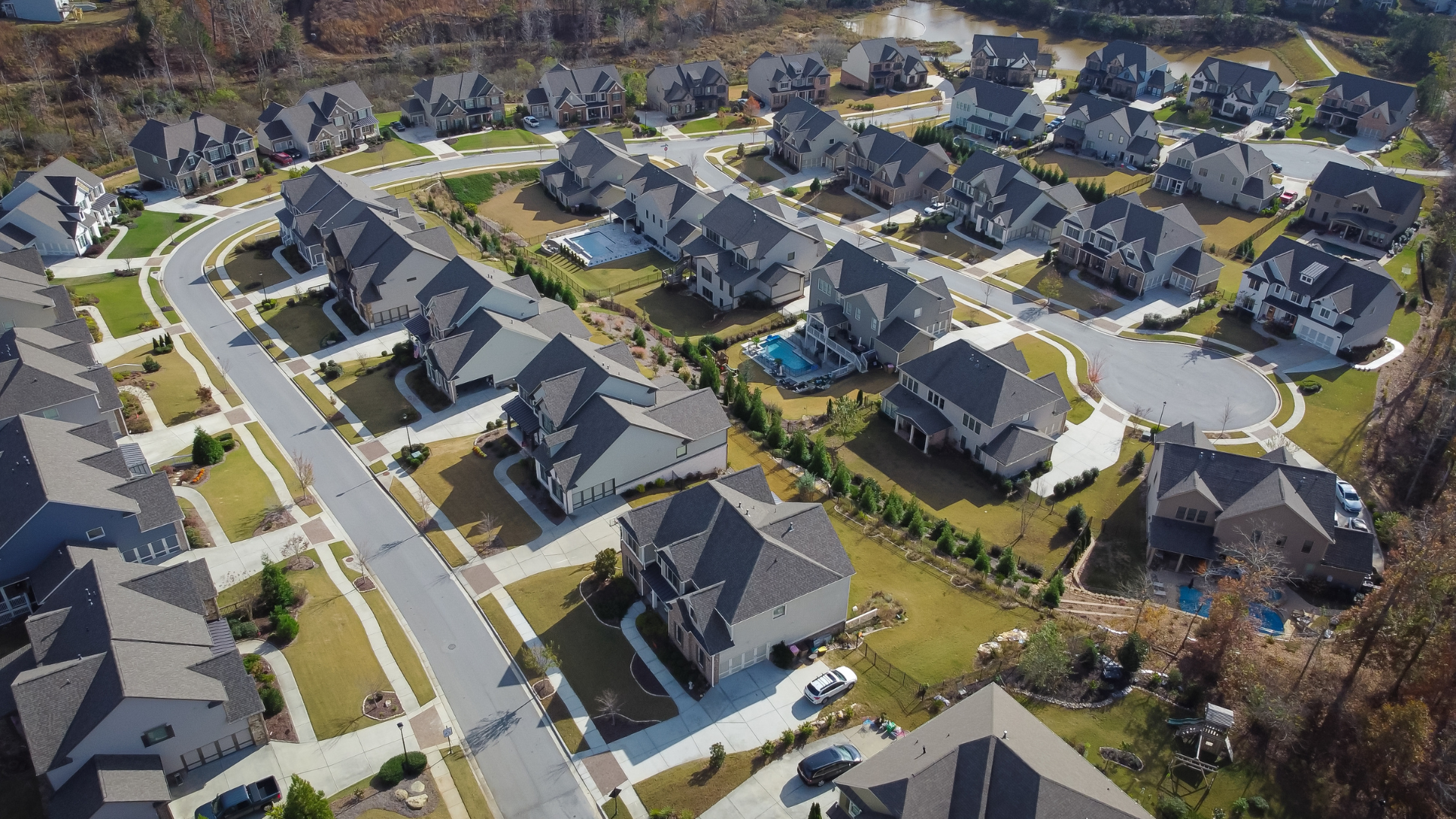
Land is one of the biggest reasons builders cannot simply shrink a house and expect the final price to fall by the same percentage. A smaller home can use less lumber, flooring and other materials, but the builder may still face substantial costs for the lot, permits, infrastructure, labor, utility connections and other expenses that have little relationship to the home’s square footage. Rising land and construction costs can therefore make it difficult to deliver significantly cheaper homes simply by reducing their size.
Mortgage Rates Make the Smaller House Feel Even More Expensive
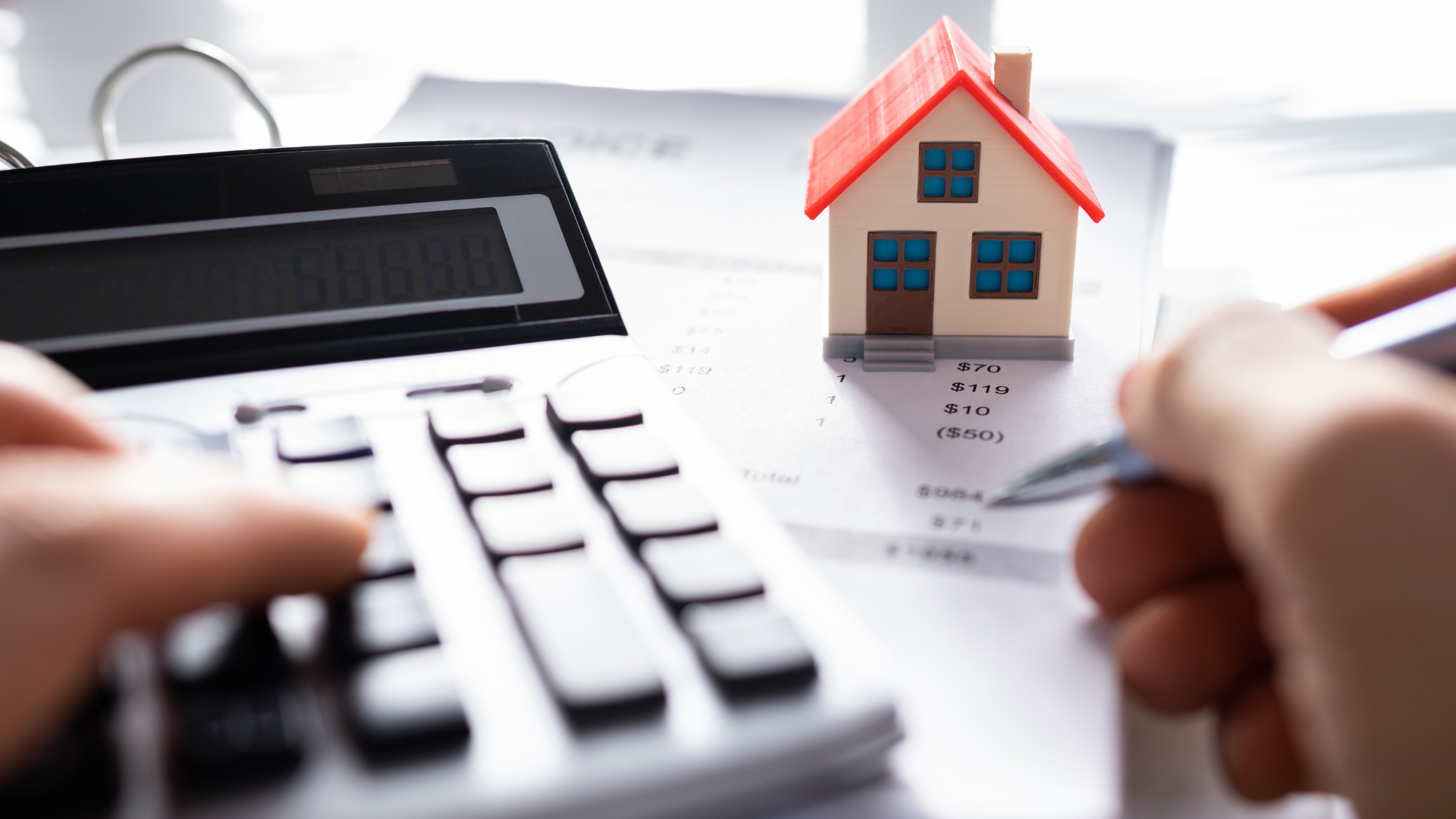
Square footage is only one part of the affordability problem because buyers also have to consider financing costs. Higher mortgage rates can substantially increase monthly payments, meaning a household may have to accept a smaller home simply to remain within its budget even when that smaller property still carries a high price relative to the amount of space it provides. Recent housing analysis has found that higher home prices and mortgage rates have made affordability substantially more difficult than it was before the pandemic.
The Starter Home Has Become a Bigger Financial Challenge

The shrinking size of new homes also matters because smaller properties are traditionally supposed to provide an entry point into homeownership. Yet the cost of starter homes has risen sharply, with Cotality data cited by The Wall Street Journal showing the median starter-home price reached $287,000 in 2024, about 44% higher than in 2020. The income needed to afford a starter home also more than doubled over that period, rising from $49,008 in 2020 to $101,376 in 2024, according to a National Association of Realtors analysis cited by the Journal.
A Smaller Home Is Not Always a Worse Deal
The numbers do not mean every smaller home is overpriced or that buyers should automatically choose a larger property. Smaller houses can be less expensive to heat, cool and maintain, while thoughtful floor plans can make limited space highly functional, and a lower total purchase price can still be valuable to buyers who prioritize affordability. The important point is that buyers should look beyond the square-foot number and consider the home’s total price, location, condition, layout, lot and ongoing costs.
Price per Square Foot Can Be Useful but Misleading

Price per square foot is a useful way to compare similar properties, but it should not be treated as a complete measure of value. Smaller homes often have higher per-square-foot prices because fixed costs are distributed across less space, while features such as a desirable lot, upgraded kitchen, additional bathrooms, garage, privacy or premium location can influence a property’s total value without adding much square footage.
What Housing Shrinkflation Means for Buyers

Housing shrinkflation captures a difficult reality for today’s buyers: new homes have become smaller while the cost of each square foot has risen dramatically. For buyers, the lesson is to compare more than square footage and asking price. Mortgage rates, property taxes, insurance, maintenance, location, lot size, layout and the condition of the home can all change the true cost of ownership, while the long-term shortage of affordable housing means a smaller home is not necessarily a sign that the market has become more affordable.