Even Princess Kate Has to Stay on Top of Her 3 Children About This One Simple Car Rule
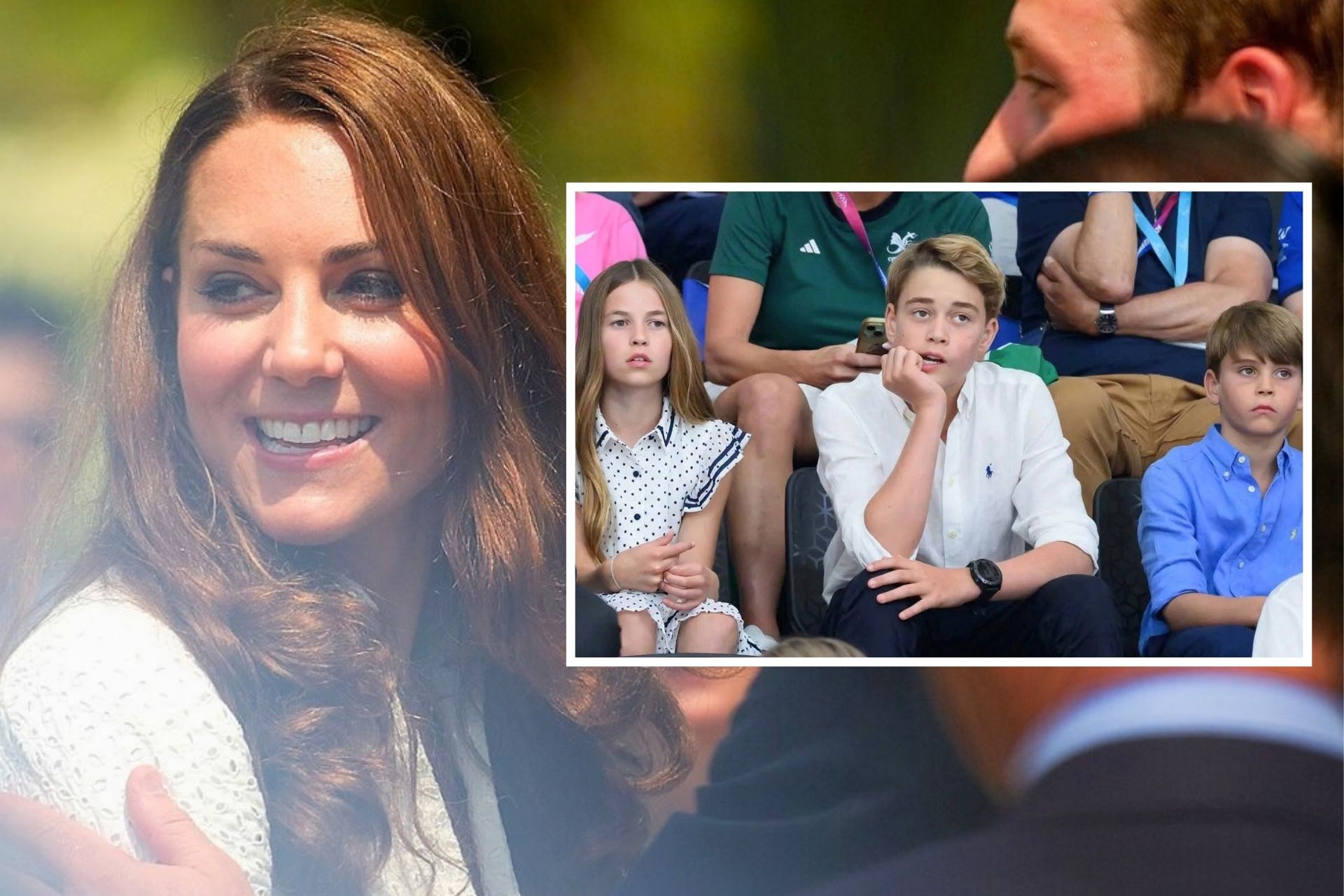

You might imagine that getting three royal children into a car is a fairly organized affair. There are carefully planned schedules, security arrangements and, presumably, plenty of help keeping everything running smoothly. But according to Princess Kate, some parts of parenting are surprisingly universal — including having to remind your children about something they should already know.
The Princess of Wales and Prince William have often offered glimpses into their lives as parents to Prince George, 13, Princess Charlotte, 11, and Prince Louis, eight. Despite their extraordinary circumstances, the couple has made it clear that everyday family responsibilities remain part of their routine. School runs, household chores and the occasional chaotic morning aren’t entirely unfamiliar territory.
Kate’s latest admission came during a community outing in West Sussex, where a simple interaction with an older resident prompted her to share a detail about life with her own children. It was the kind of offhand remark that many parents would recognize immediately, but it also touched on a safety issue that researchers say deserves considerably more attention.
The Wales Family’s School Runs Aren’t Always Picture-Perfect

Prince William has already admitted that transporting three children can be a challenge, even when you’re a future king. Speaking on Heart Radio in May, he described the family school run as “chaotic,” particularly when everyone is trying to squeeze musical instruments and other belongings into the vehicle.
Food can complicate matters, too. “There’s a lot of jam sandwiches taken in the car usually,” William joked, adding that Louis tends to leave jam fingerprints throughout the interior. It’s a wonderfully ordinary image of family life, particularly for parents who have spent countless mornings cleaning up after children on their way to school.
Both William and Kate have remained involved in their children’s routines. During Kate’s cancer treatment in 2024, William reportedly arranged his schedule around school drop-offs and pickups. The family’s arrangements have since changed, with George attending Eton College while Charlotte and Louis remain at Lambrook. But whether the journey involves school, an appointment or another family outing, Kate recently revealed that there’s one instruction she still finds herself repeating.
Kate Reveals the One Car Rule She Has to Reinforce
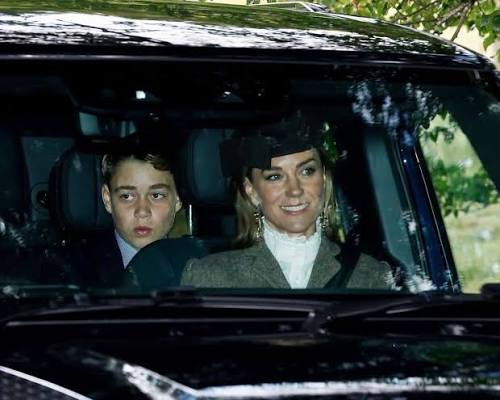
The moment unfolded when Kate joined residents traveling on the West Sussex Village Minibus to a weekly lunch club at Pulborough Village Hall. As passengers prepared for the journey, the princess encouraged 94-year-old Stella Drewett to fasten her seatbelt.
Then came her relatable confession: “I have to remind my children to put their seatbelts on too.”
It was a small comment, but one that immediately brought the royal family down to earth. George, Charlotte and Louis may be accustomed to official engagements and public attention, yet they apparently still need the occasional reminder to buckle up. Kate didn’t suggest that her children regularly refuse or deliberately ignore the rule — only that, like many parents, she sometimes has to repeat an important instruction.
The remark also came during an outing that revealed another ordinary side of the Wales household. While chatting with residents at the lunch club, Kate joked that she and William make a good “double act” when washing dishes because he helps with the drying. She added that they get the children involved in household chores, too.
Why That Simple Reminder Matters More Than Parents Might Think
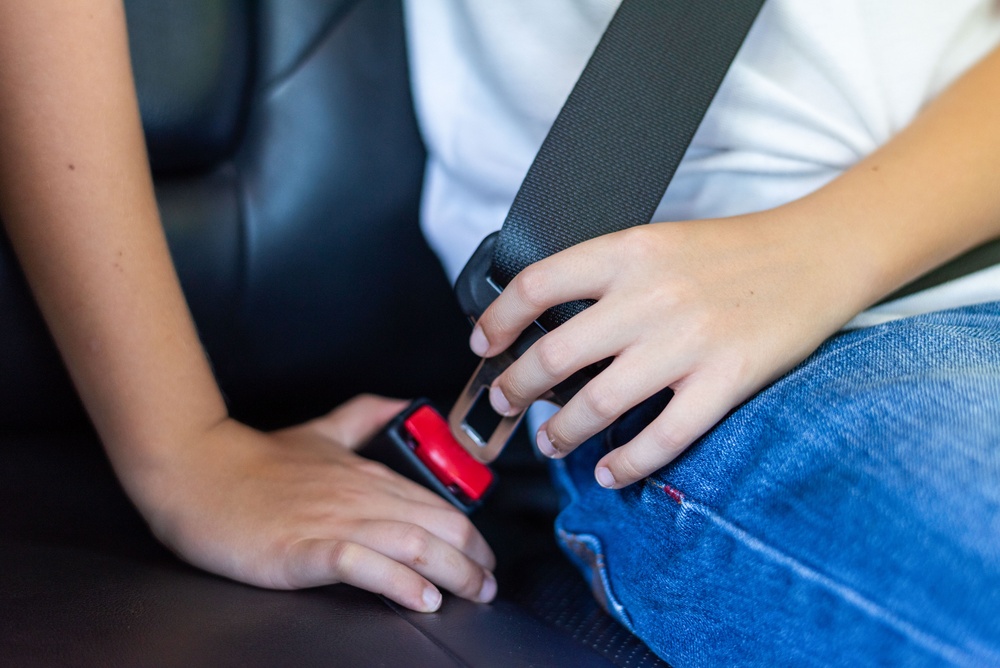
Kate’s seatbelt reminder might sound like a familiar parenting moment, but research suggests that getting children properly secured in vehicles remains a serious challenge. A 2025 study reported by Ann & Robert H. Lurie Children’s Hospital of Chicago examined approximately 50,000 children involved in U.S. crashes with at least one fatality between 2011 and 2021. Researchers found that nearly 70% of children under 13 in that group experienced some form of improper passenger safety practice.
The problems went beyond simply forgetting to buckle up. Researchers found that 36% of the children had been moved prematurely into a less protective restraint, 20% were traveling without restraints, and 15% were riding in the front seat. A separate 2026 study discussed by Ohio State researcher Dr. Gretchen Baker found that 39% of children in its hospital-based sample had used no restraint, while 19% had used an inappropriate one for their age, height or weight.
Baker explained that one of the most common problems involved children moving from car seats or booster seats to regular seatbelts too early, particularly between ages four and 10. She encouraged parents to follow manufacturers’ height and weight guidelines rather than assuming a child is ready for the next type of restraint simply because they’re getting older. It’s an important distinction: buckling up matters, but so does making sure children are using the right protection for their size.
Even Royal Exceptions Don’t Change the Everyday Safety Rule
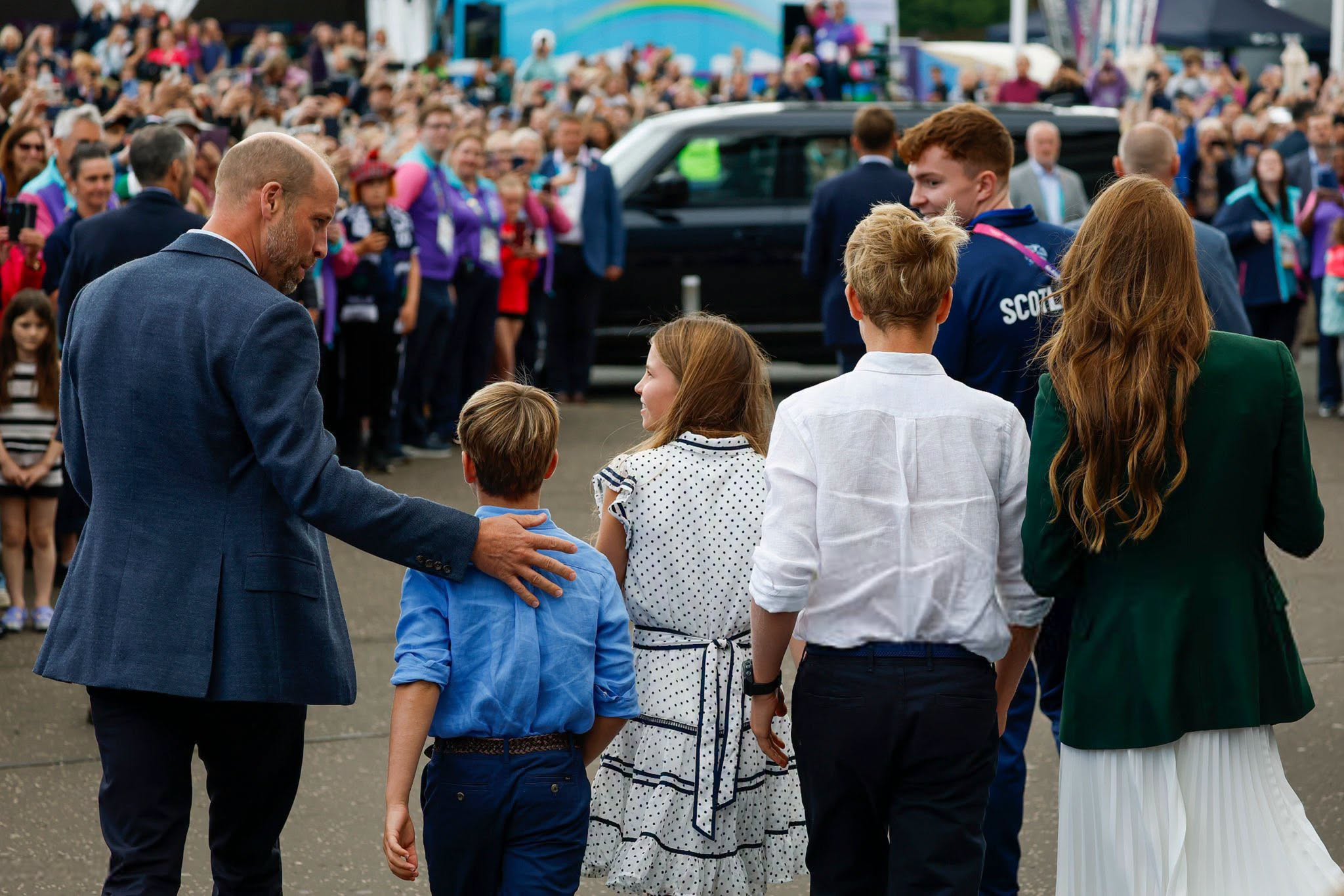
The importance of seatbelts doesn’t disappear as children become teenagers. In January 2025, the AA Charitable Trust reported that 43% of passengers aged 17 to 29 who died in crashes in its analysis of British data were not wearing seatbelts. The organization estimated that wearing one reduces the risk of death by around half, making a simple click potentially lifesaving.
Interestingly, Kate and William have occasionally been photographed without seatbelts during official royal arrivals. HELLO! notes that British law includes exemptions for certain processions organized by or on behalf of the Crown. Former royal protection officer Simon Morgan has also explained that security considerations can influence decisions about rapid entry to or exit from vehicles. Those circumstances, however, are different from an ordinary family journey, where the usual seatbelt requirements apply.
For parents, the takeaway from Kate’s confession is reassuringly familiar. Children don’t necessarily remember every instruction just because they’ve heard it countless times, and even the most routine journeys deserve attention. Whether it’s a royal school run or a quick drive to the supermarket, checking that everyone is properly buckled in remains one of the simplest ways to protect the people in the car.