EPA: Pesticide Banned in 74 Countries Drifts Into Texas Residential Areas
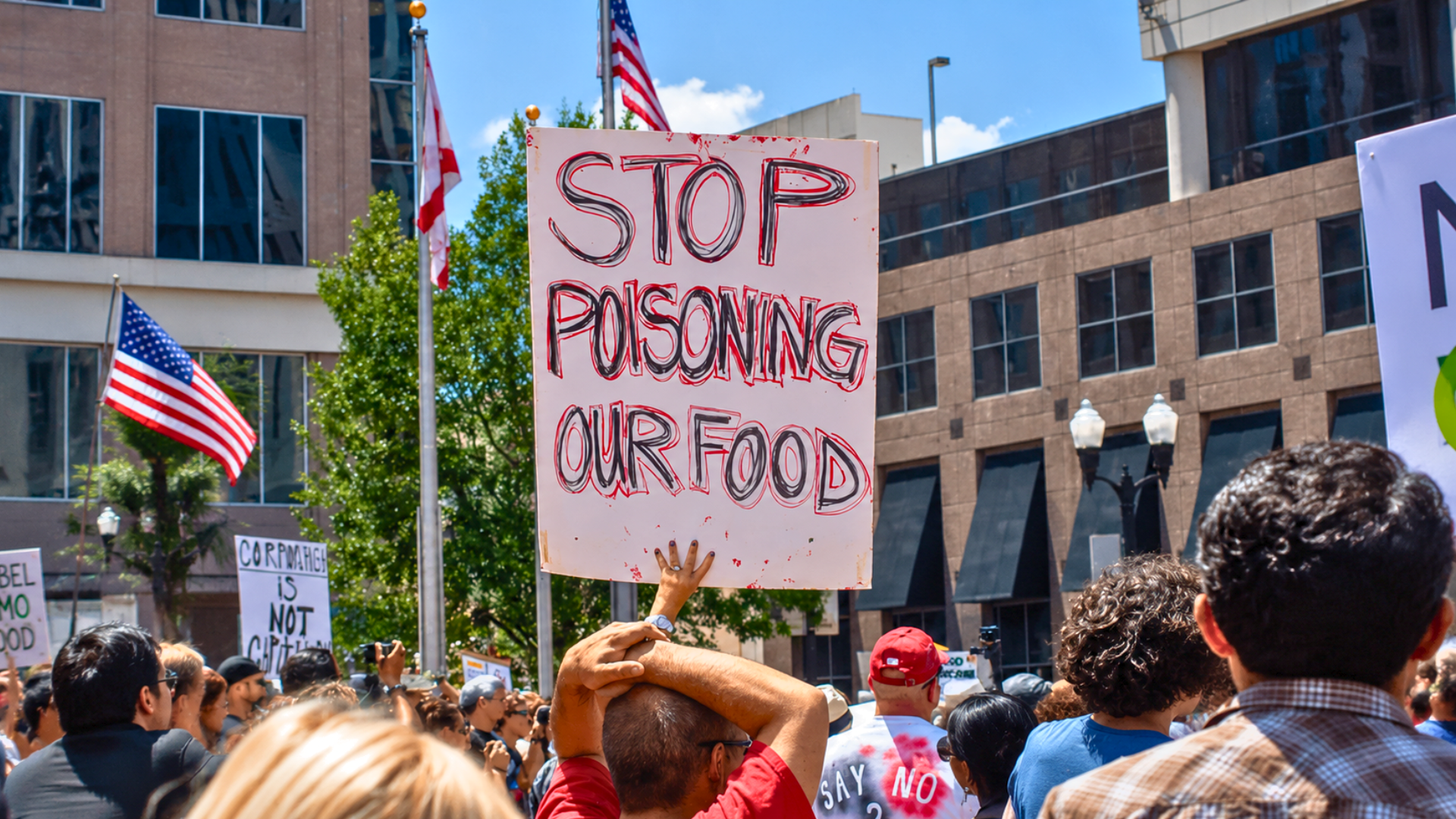

Most people know the sudden sensation of walking outside to enjoy a quiet morning, only to notice a sharp, chemical odor drifting across their backyard lawn. For neuroscientist Kelsey Baker, hearing the low buzz of a crop-dusting aircraft over her home in the Rio Grande Valley triggers a deep, professional dread that goes far beyond simple physical discomfort. Her immediate personal choice to rush indoors highlights a toxic, invisible intersection connecting modern industrial farming practices directly with severe, incurable human neurological degeneration.
The alarming public health crisis centers on a highly potent chemical weed killer known as paraquat, which remains widely utilized throughout the United States. According to an extensive joint investigation published by Public Health Watch and MyRGV.com, corporate agricultural operations continue to spray this herbicide across thousands of contiguous acres despite catastrophic long-term biological consequences. The deep tension escalated further when independent research teams proved that the compound systematically targets critical human brain tissue long before patients exhibit visible movement disorders.
The actual geographic footprint of this chemical exposure is staggering, directly threatening millions of suburban families who reside anywhere near commercial agricultural zones. Recent data logs released by the Environmental Protection Agency indicate that airborne particles can drift up to 20 miles from an initial application site, a physical distance representing nearly the entire width of the state of Rhode Island. For everyday working-class citizens, this immense drift zone means an ordinary residential home purchased near a local farming community has inadvertently become a hazardous toxic exposure site.
When Corporate Crop Spraying Outpaces Public Safety Buffers
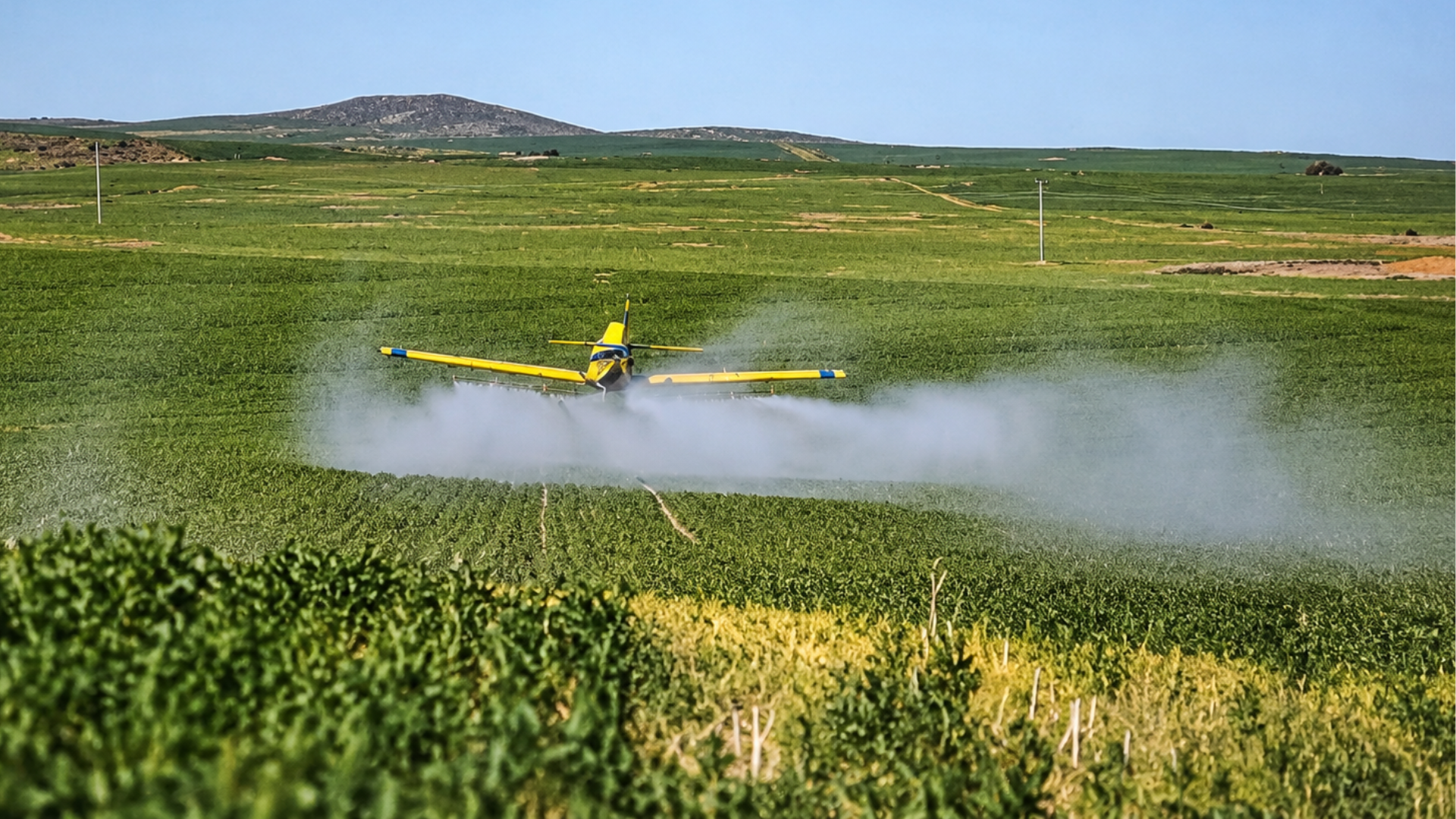
The primary underlying mechanics driving this public safety crisis rely on complex atmospheric tracking models that evaluate how ultra fine chemical droplets behave in open wind currents. Federal investigators recently updated their formal dispersal formulas, admitting that older containment protocols completely underestimated the volatility of high-pressure aerial spraying. This regulatory calculation error confirms that current chemical application rules are entirely insufficient to shield neighboring planned communities, turning basic agricultural tasks into a severe regional biological threat.
The Environmental Protection Agency has historically maintained that existing human data was too conflicting to justify an absolute domestic ban on the product. However, internal tracking archives show the agency has now reversed its earlier positions, officially acknowledging that real-world field testing is required to map the true trajectory of the drift. Government administrators estimate that finalizing these advanced environmental diagnostic reviews will require up to two full years, leaving local populations entirely unprotected throughout the extended regulatory delay.
The immediate physical consequence of this federal stall tactic is the continuous, unchecked accumulation of the highly toxic compound inside suburban neighborhoods. Because alternative weed killers have lost effectiveness due to shifting ecological resistance patterns, massive corporate farms are actually increasing their reliance on this specific dangerous chemical. This escalating commercial application ensures that thousands of families inhale low doses of neurotoxins daily, permanently altering the public health baseline of local communities and forcing residents to absorb the long-term medical liabilities.
When Chemical Drift Targets the Human Nervous System

The secondary complications of this prolonged chemical exposure have generated intense anger among regional medical professionals and independent epidemiological research teams. Public health databases confirm that the specific compound destroys essential dopamine-producing brain cells, triggering a progressive deterioration of motor functions that leaves victims entirely unable to speak or move independently. Because the onset of these neurological symptoms is completely invisible during the early stages of exposure, families remain completely unaware of their personal risk for decades.
Coordinated community protection groups and environmental defense attorneys are escalating pressure on federal offices to implement an emergency freeze on all domestic distribution networks. Specialized population studies led by UCLA epidemiologist Dr. Beate Ritz revealed that citizens who live or work near fields treated with the herbicide suffer an estimated 90 percent higher risk of developing permanent brain abnormalities. This undeniable statistical surge has forced local civic leaders to demand immediate regional interventions to protect vulnerable public school districts.
“In hindsight, would I have chosen where I live if I knew as much as I know now? Probably not,” neuroscientist Kelsey Baker shared during a comprehensive public health briefing tracking the hidden spread of neurological disease across agricultural zones. “People are being robbed of being able to spend time with their grandchildren and their children because of exposures to certain chemicals in our food, water, and air.”
The Permanent Legal Reckoning Over Agricultural Toxins
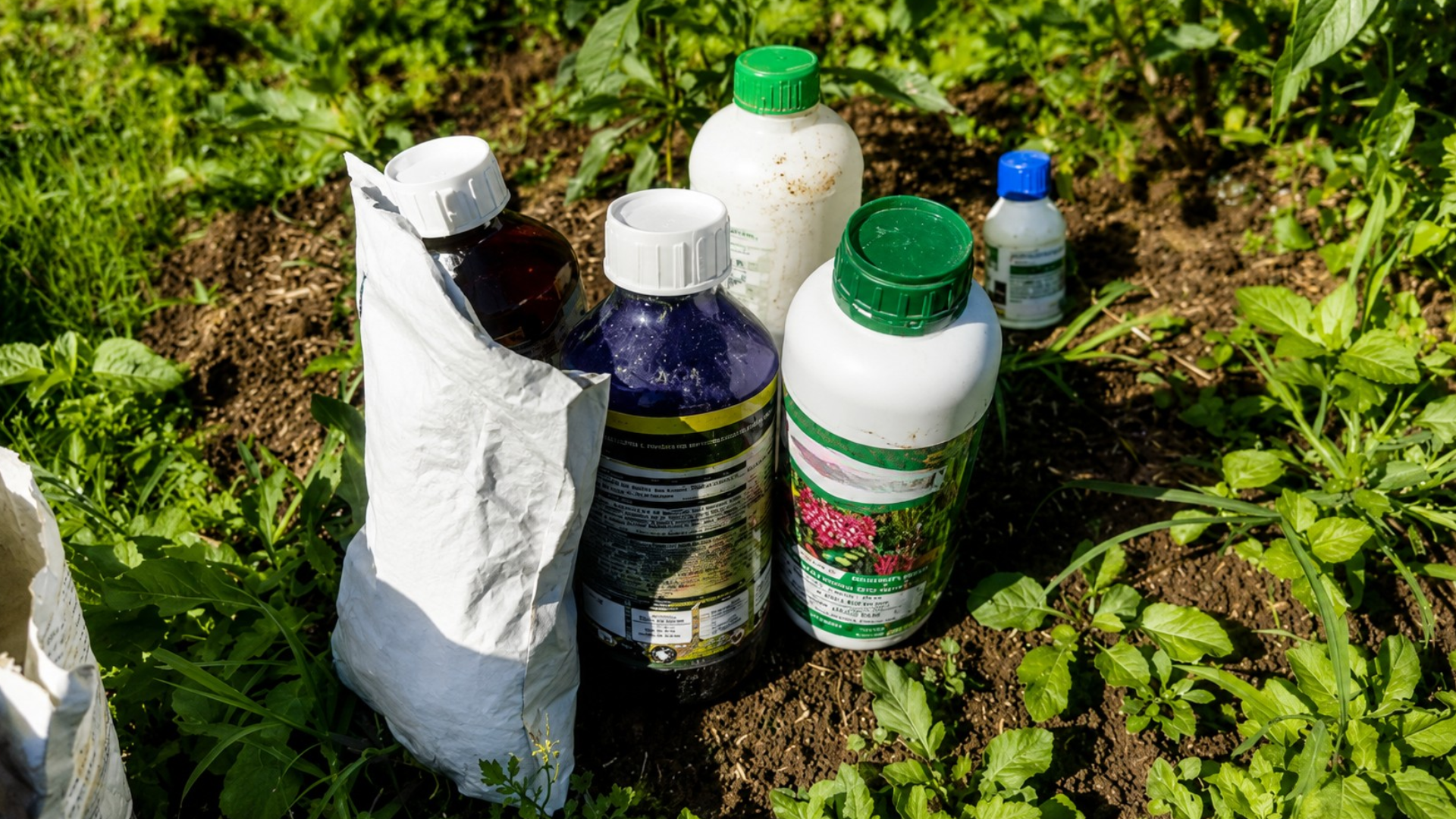
The structural fallout from the ongoing chemical drift crisis has ignited a massive, multi-billion-dollar legal battle across the American judicial system. Specialized law firms have united to file thousands of parallel product liability lawsuits on behalf of injured agricultural laborers and contaminated homeowners, seeking historic financial damages from multinational chemical manufacturers. The scale of these consolidated legal actions represents a total potential liability exceeding the combined annual net profits of the entire domestic pesticide distribution industry.
This intense regulatory struggle sits within a historical pattern of systemic oversight failures, as at least 74 separate nations have already entirely banned or phased out the dangerous compound due to verified health risks. Major global economic powers, including Brazil, China, and the member states of the European Union, enacted total prohibitions years ago to shield their populations from permanent nervous system degradation. This global divergence leaves the United States increasingly isolated, maintaining a lax regulatory framework that prioritizes commercial crop yields over public biological safety.
The unresolved battle over airborne pesticide drift leaves a heavy, toxic cloud hanging directly over the future of American suburban development. As federal administrators continue their slow two-year timeline for real-world field testing, the daily application of the banned substance continues without a single legal interruption. This persistent corporate freedom ensures that families will continue to watch crop dusting planes pass over their roofs with profound personal anxiety, completely abandoned by national safety guardrails. The toxic exposure remains entirely open.