Elon Musk Suggests New Fix for Unemployment, But Critics Call It Unrealistic
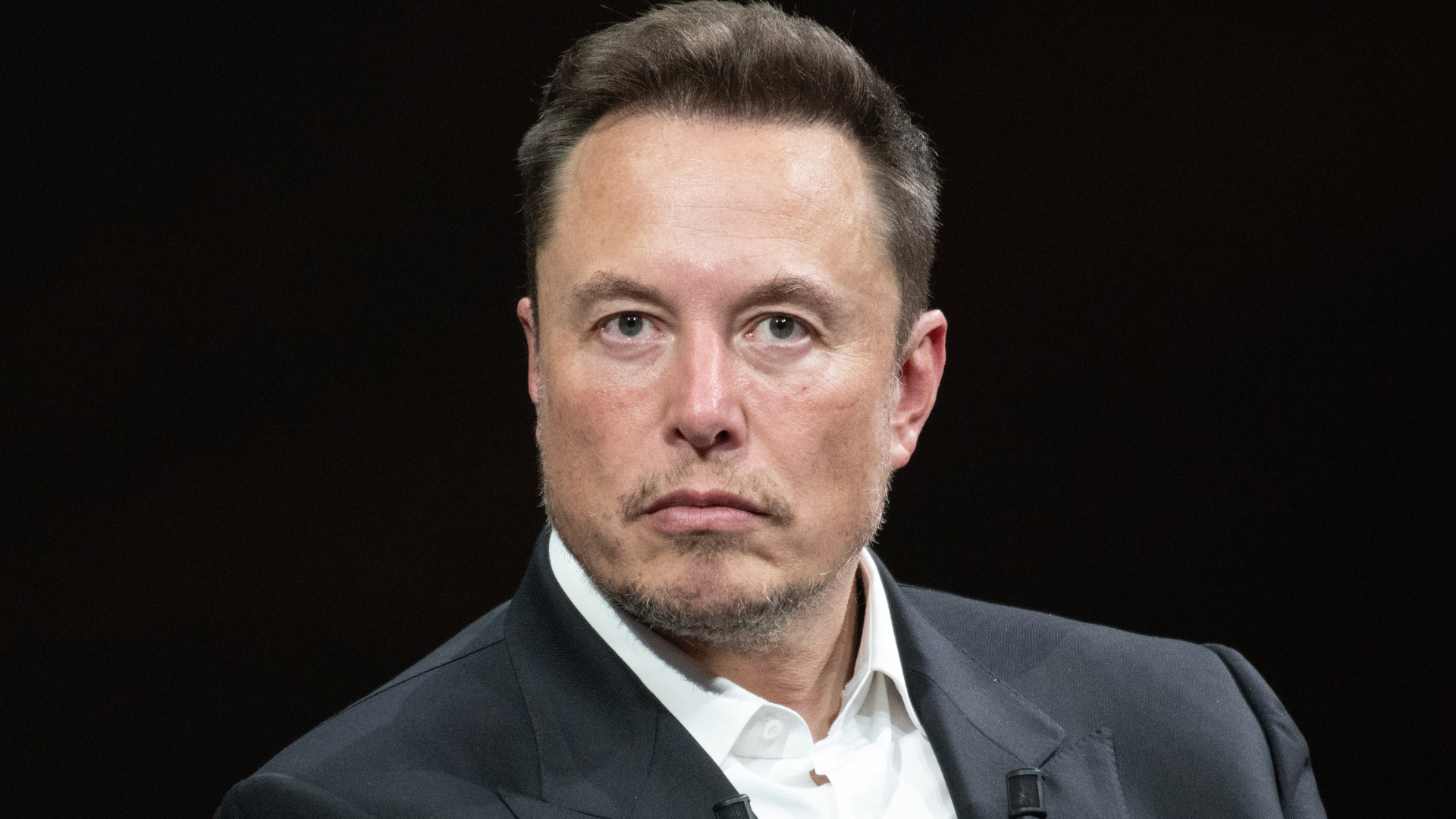

Elon Musk has proposed a controversial solution to rising unemployment, suggesting that government-issued payments could offset job losses caused by artificial intelligence. His idea, called “universal high income,” involves providing citizens with substantial financial support as automation replaces traditional work. The proposal has quickly sparked debate among economists and policymakers.
Musk argues that rapid advancements in AI and robotics will dramatically increase productivity, allowing goods and services to become abundant and inexpensive. In this scenario, he believes government checks would not trigger inflation because supply would outpace demand.
The discussion comes as concerns grow over the impact of AI on jobs, with thousands of layoffs already linked to automation in recent years. Musk’s proposal has gained attention for its bold vision but also raised questions about feasibility and long-term economic effects.
Musk’s Proposal and Vision for an AI-Driven Economy
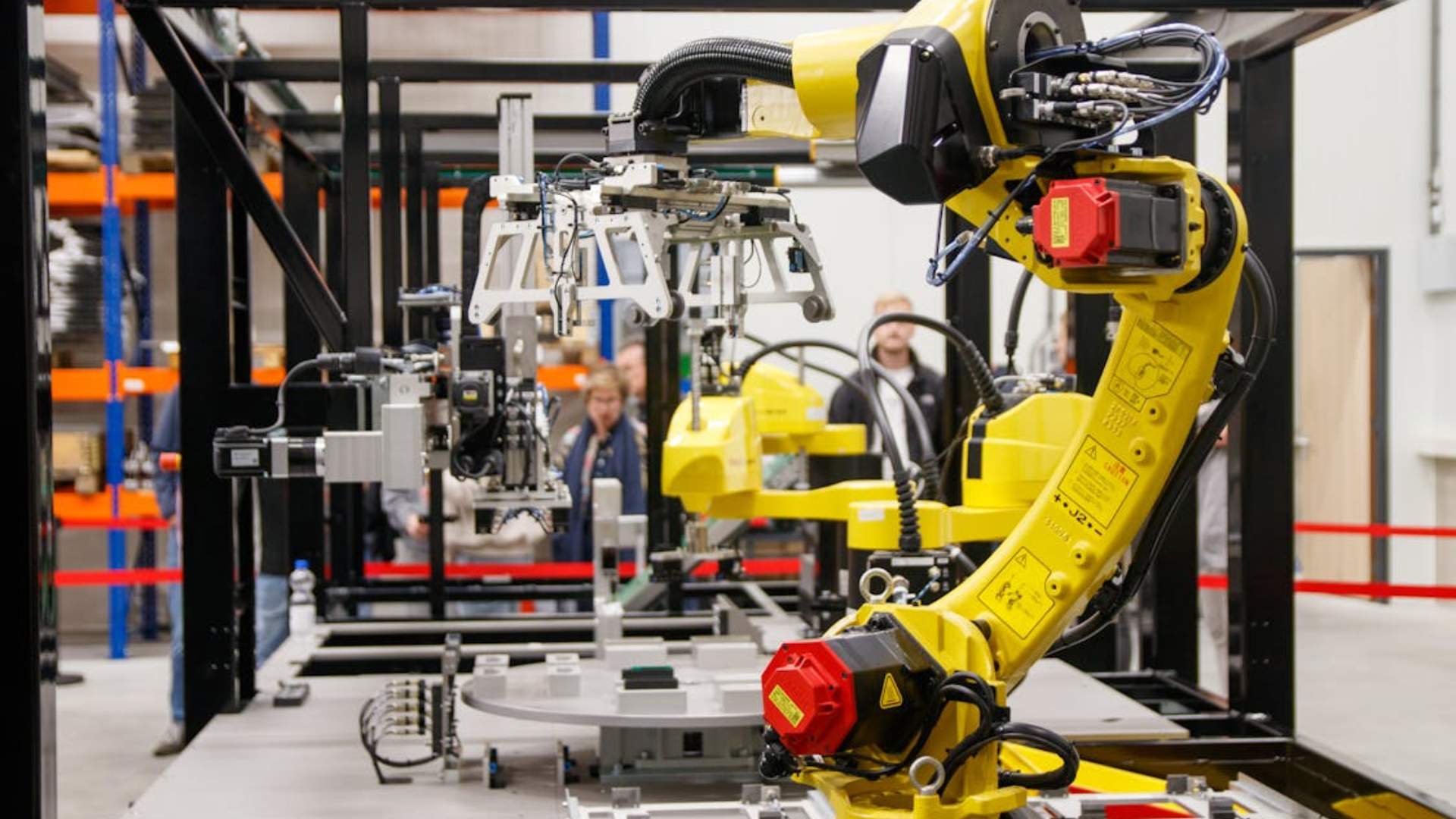
Musk’s concept of “universal high income” goes beyond traditional universal basic income programs by suggesting higher payouts that could support a comfortable lifestyle. He believes AI-driven productivity will generate enough wealth to sustain such payments without destabilizing the economy.
According to his statements, automation could eliminate a significant portion of jobs, especially in entry-level and white-collar roles. Musk has warned that governments will need to adapt quickly to prevent widespread economic disruption.
Supporters of the idea argue that technological progress could make goods cheaper and improve overall living standards. Some tech leaders have echoed similar views, suggesting that future economies may rely less on traditional employment structures.
Criticism and Concerns Over Feasibility

Despite its ambitious outlook, Musk’s proposal has faced significant criticism from economists and policy experts. Critics argue that simply issuing government payments does not address deeper issues like inequality, workforce displacement, and access to resources.
Some experts warn that the plan could lead to inflation or fiscal instability if not carefully managed. Others point out that AI may create new jobs even as it eliminates existing ones, suggesting that retraining workers could be a more practical solution.
There are also concerns about the social impact of reducing reliance on work, including potential declines in productivity and skill development. Critics say Musk’s vision may underestimate the complexity of economic systems and human behavior.
Bold Vision for AI Economy Faces Real-World Challenges
Musk’s proposal highlights growing concerns about the future of work in an AI-driven world. His idea of universal high income presents a bold approach to addressing unemployment caused by automation. However, it also raises significant questions about practicality and economic sustainability.
The debate reflects a broader uncertainty about how societies should adapt to rapid technological change. While some see opportunity in increased productivity and abundance, others emphasize the risks of inequality and disruption. Policymakers will likely need to balance innovation with stability as these challenges unfold.
Ultimately, Musk’s proposal serves as a starting point for discussions about the future of employment and economic systems. Whether or not such ideas are implemented, the conversation around AI and jobs is expected to intensify in the coming years.