Ebola Outbreak in DRC and Uganda Declared Global Health Emergency by the World Health Organization
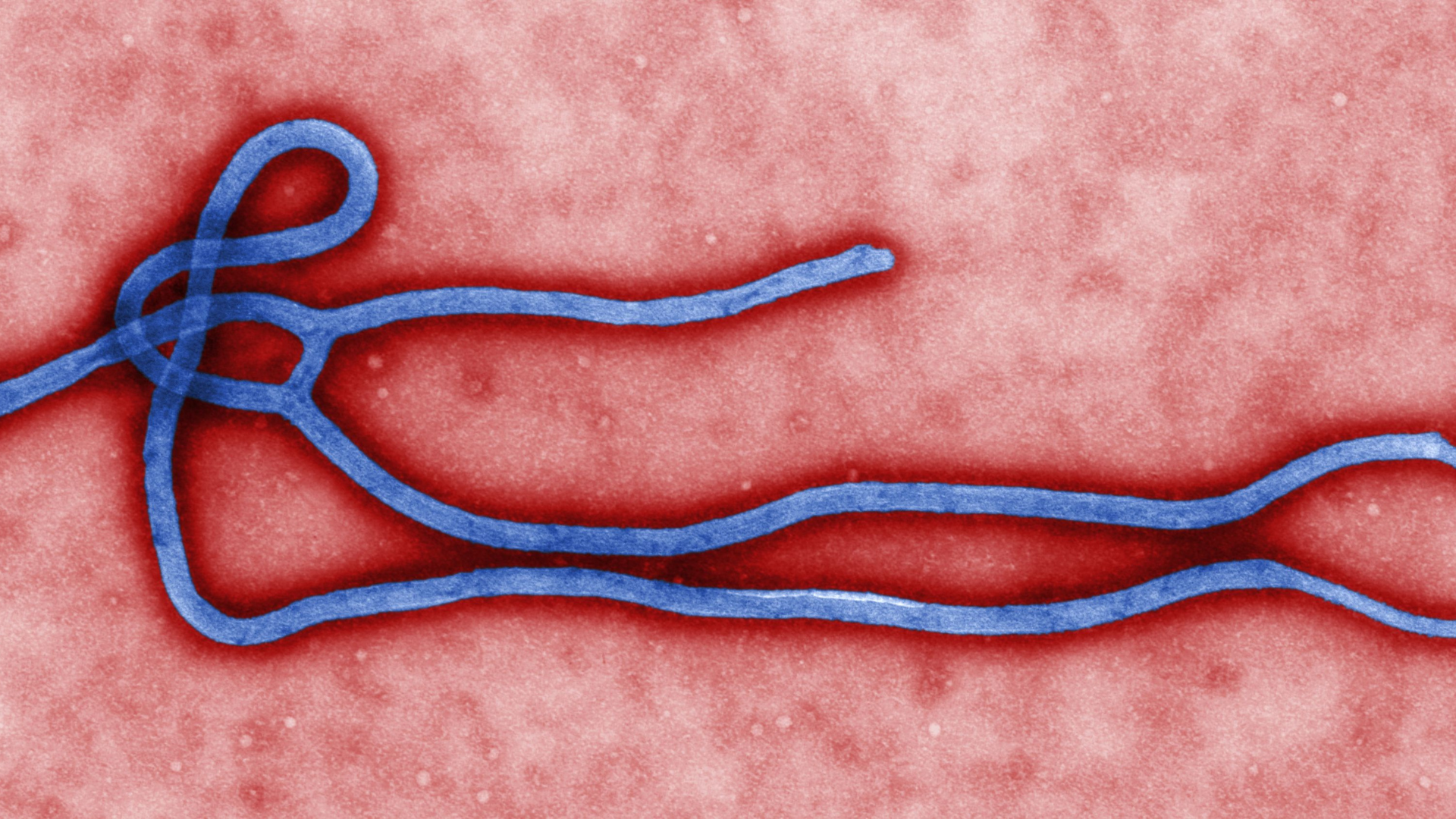

The World Health Organization (WHO) has officially declared the Ebola outbreaks in the Democratic Republic of the Congo (DRC) and Uganda a Public Health Emergency of International Concern (PHEIC), its highest level of global health alert. The declaration comes after rising cross-border transmission concerns, growing case numbers, and fears that strained healthcare systems could allow the virus to spread more widely across East and Central Africa. Health officials warn that rapid international cooperation will now be critical to preventing a larger regional crisis.
What a Global Health Emergency Means
A Public Health Emergency of International Concern, or PHEIC, is the WHO’s most serious international alert under global health regulations. The designation is used for extraordinary events that pose a public health risk to multiple countries and may require a coordinated international response. Previous PHEIC declarations have included COVID-19, mpox, and earlier Ebola outbreaks.
The Outbreaks Are Affecting Two Countries at Once
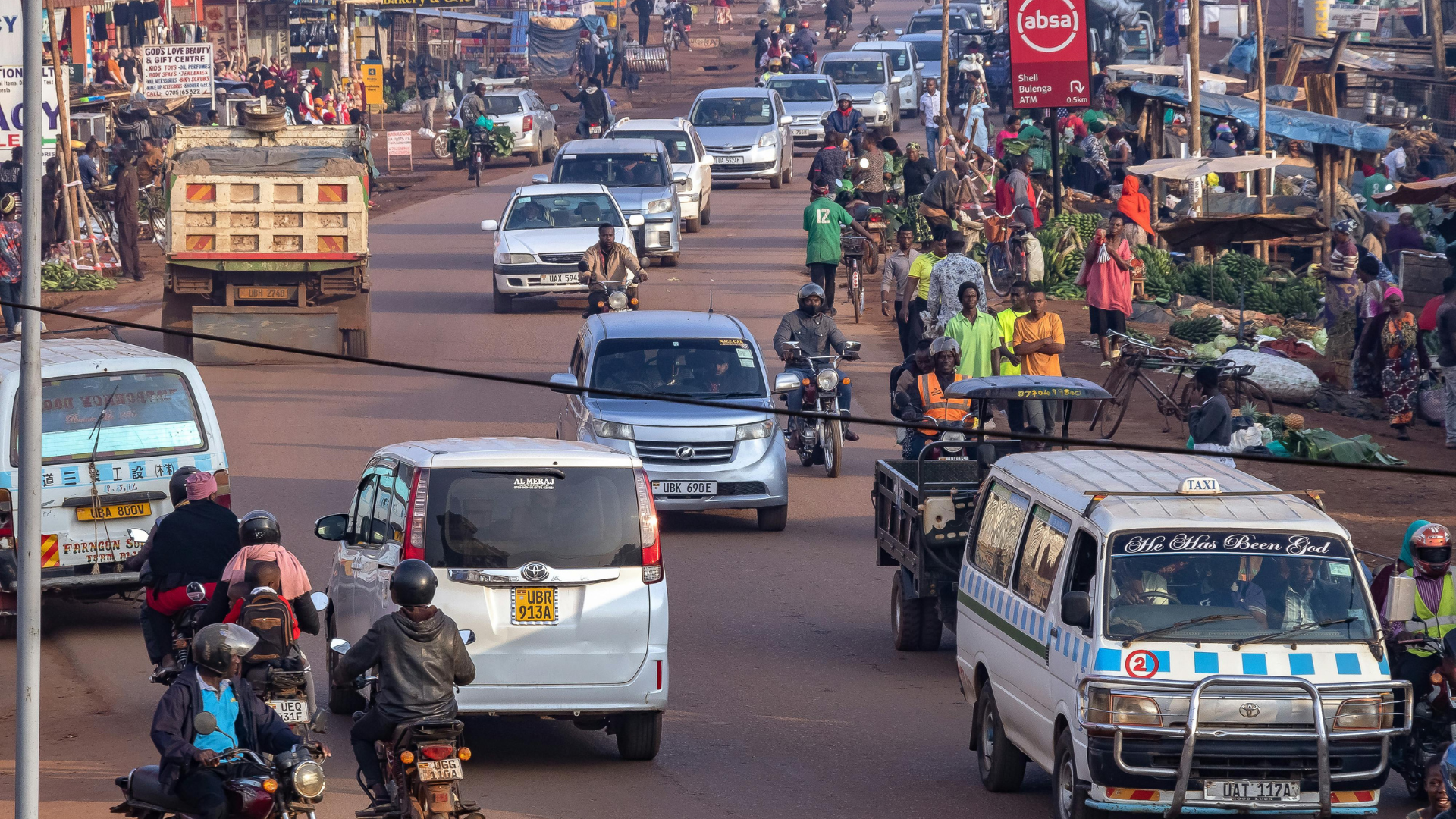
The current emergency involves simultaneous Ebola outbreaks in both Uganda and the DRC, raising fears of cross-border spread in regions where people frequently travel between communities and neighboring countries. WHO officials said the overlapping outbreaks create a far more complicated situation than isolated Ebola events seen in previous years.
Uganda’s Outbreak Involves the Sudan Virus
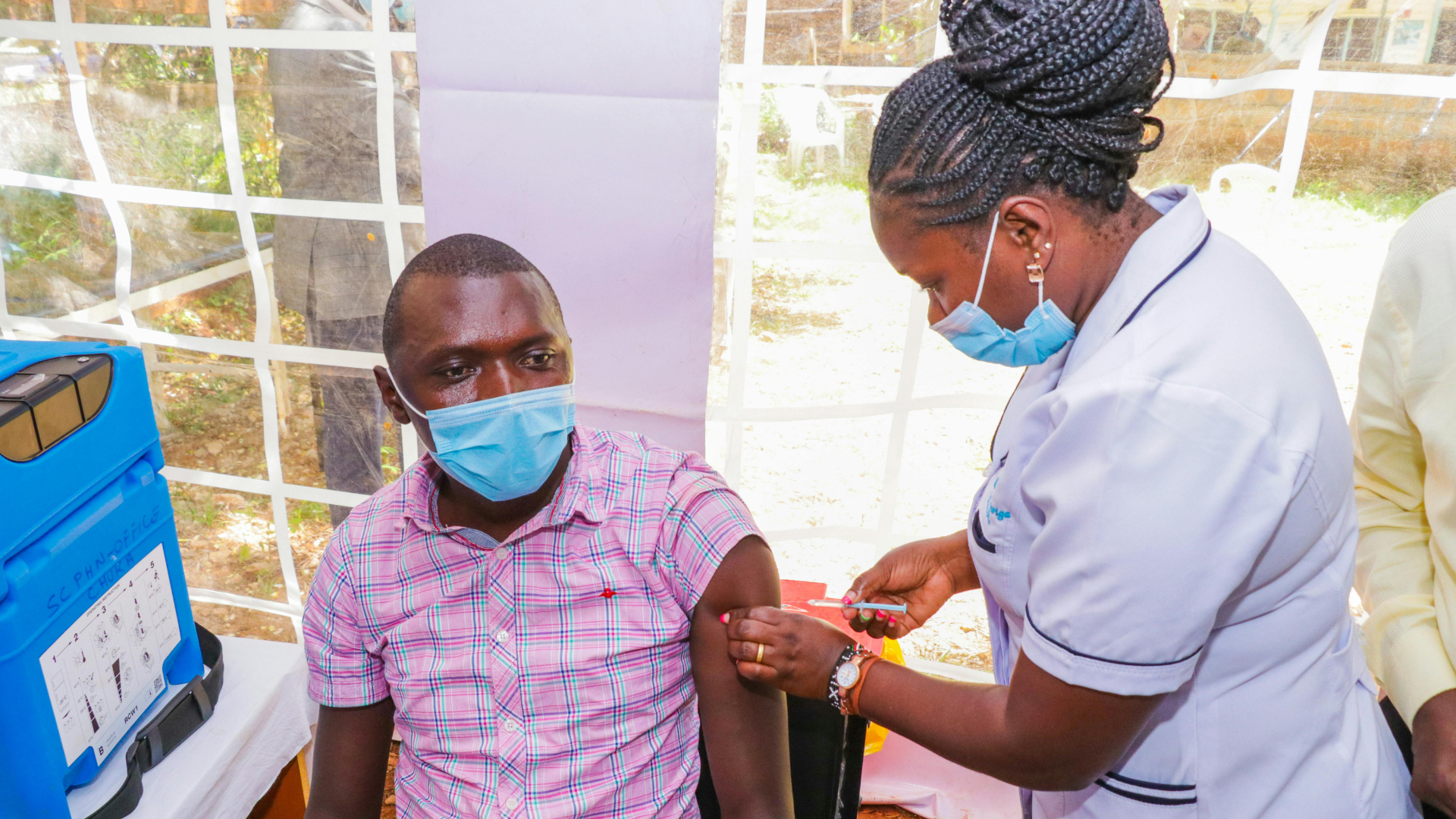
Health authorities confirmed that Uganda’s outbreak involves the Sudan strain of Ebola virus disease, which is particularly concerning because there is currently no fully approved vaccine specifically targeting that strain. Uganda has experienced Sudan virus outbreaks before, but officials say this new outbreak is spreading in densely populated areas that could complicate containment efforts.
DRC Continues Facing Repeated Ebola Crises
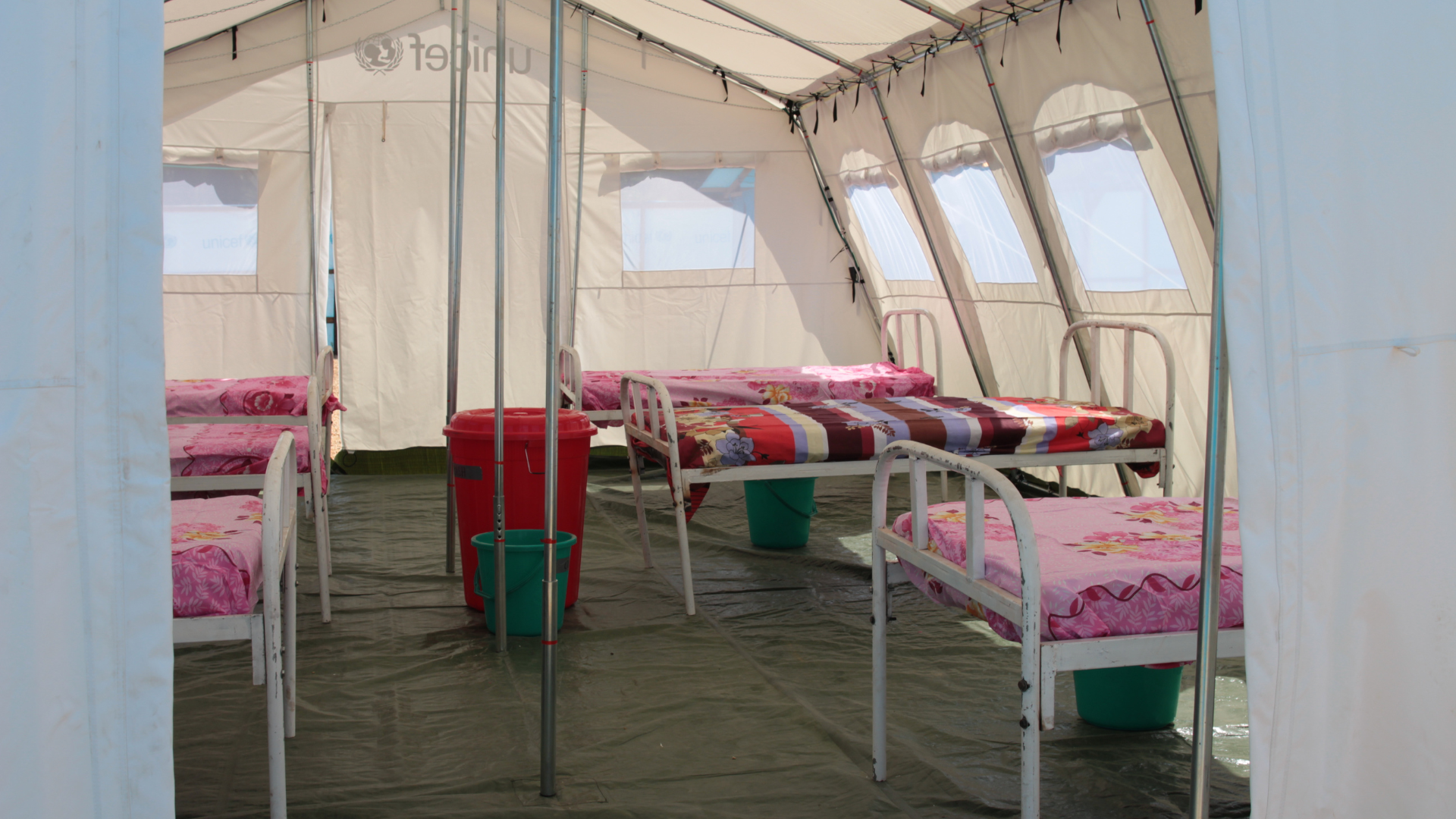
The Democratic Republic of the Congo has battled multiple Ebola outbreaks over the past decade, making it one of the countries most heavily affected by the disease worldwide. Ongoing political instability, conflict, and limited healthcare infrastructure have repeatedly made outbreak response more difficult. WHO officials warned that the current outbreak risks overwhelming already strained public health systems.
How Ebola Spreads Between People

Ebola spreads through direct contact with bodily fluids from infected individuals, including blood, saliva, sweat, vomit, or contaminated materials. Unlike airborne respiratory viruses, Ebola requires close physical exposure, but outbreaks can still spread rapidly in households, hospitals, and caregiving settings when proper protective measures are not in place.
Symptoms Can Become Severe Very Quickly

Ebola symptoms often begin suddenly with fever, fatigue, muscle pain, headaches, and sore throat before progressing into vomiting, diarrhea, internal bleeding, and organ failure in severe cases. Fatality rates vary depending on the strain and access to treatment, but some outbreaks have historically killed up to half of infected patients.
WHO Warns Regional Spread Is Possible
The WHO said one major reason for the emergency declaration is concern about international spread across borders in East and Central Africa. Large population movements, trade routes, refugee migration, and busy transportation corridors increase the risk that infected individuals could unknowingly carry the virus into neighboring countries.
Global Health Agencies Are Mobilizing Resources

Following the WHO declaration, international health organizations and aid groups are mobilizing funding, vaccines, medical teams, and laboratory support to strengthen outbreak response efforts. Officials say rapid testing, contact tracing, isolation procedures, and public education campaigns will be critical to slowing transmission before the outbreaks expand further.
Officials Say Early Action Could Prevent a Larger Crisis

Health experts stress that the emergency declaration is intended to accelerate global coordination before the outbreaks grow into a broader international crisis. While officials say the current risk outside the affected regions remains relatively low, they warn that delayed response efforts in previous Ebola outbreaks often allowed the virus to spread further. For now, public health leaders say rapid containment and international support will determine whether the outbreaks can be brought under control quickly.