Eaton Fire Survivors Lost Everything, Yet Their HOA Is Now Suing Them Over a $23,000 Bill
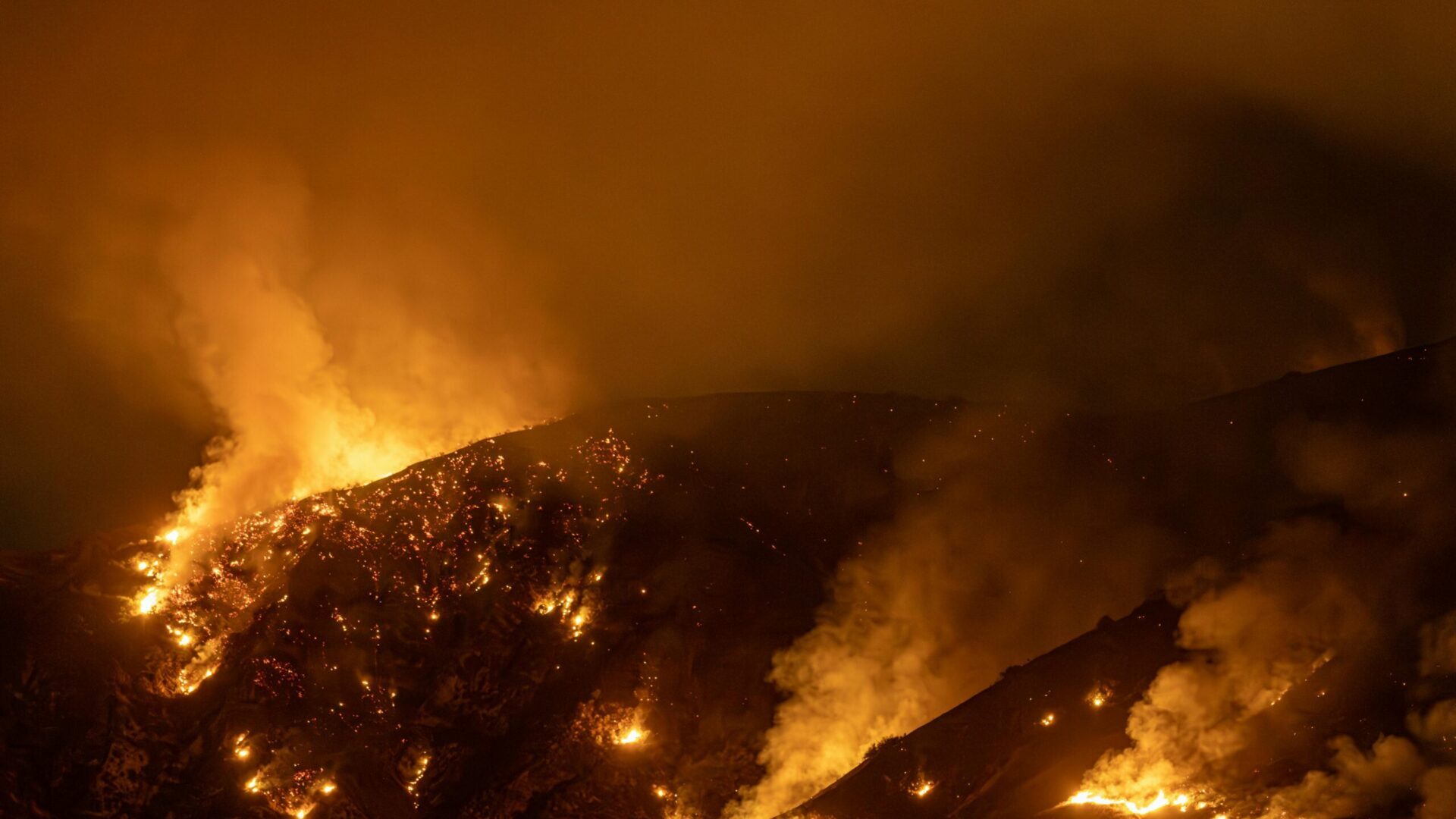

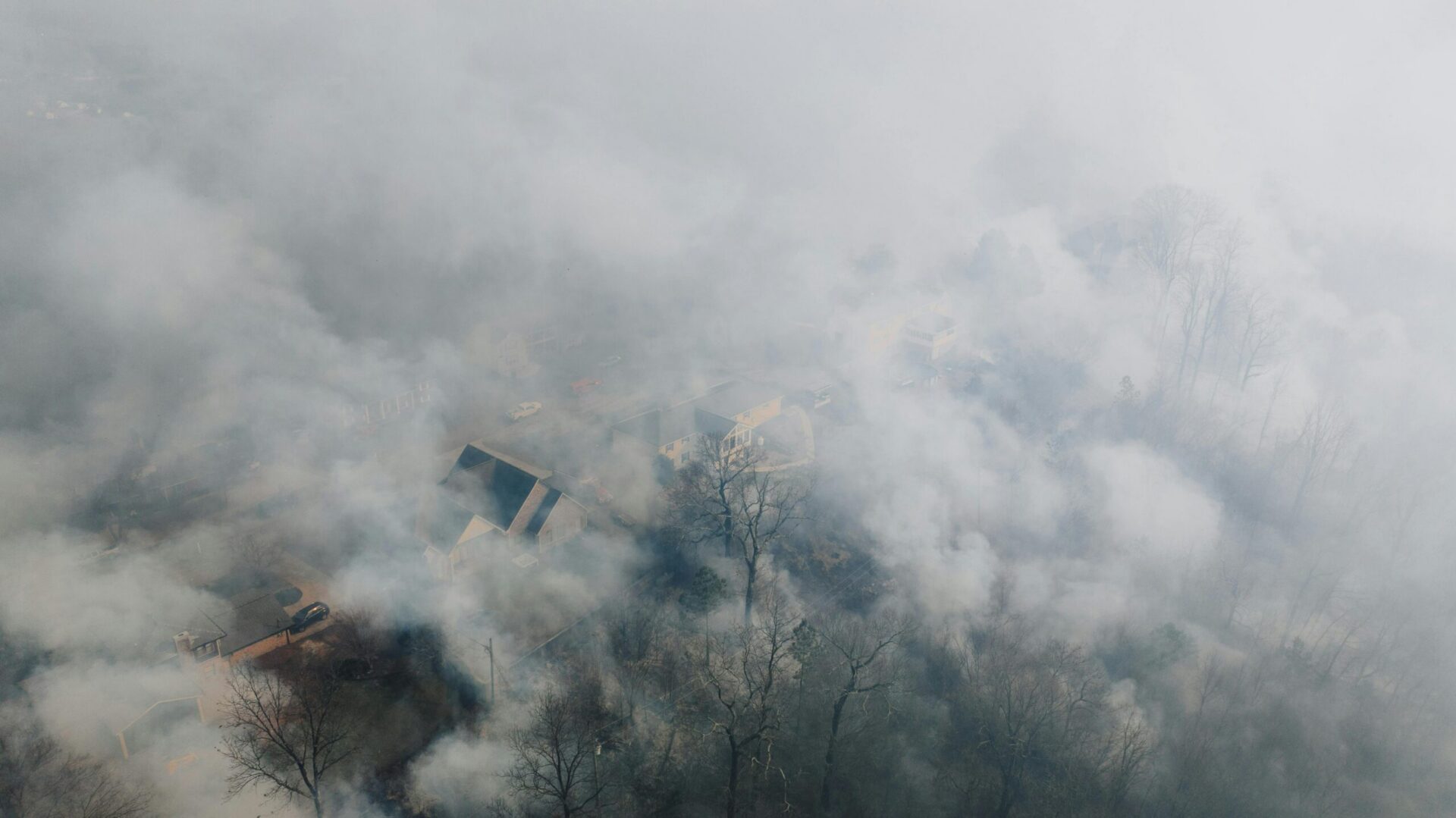
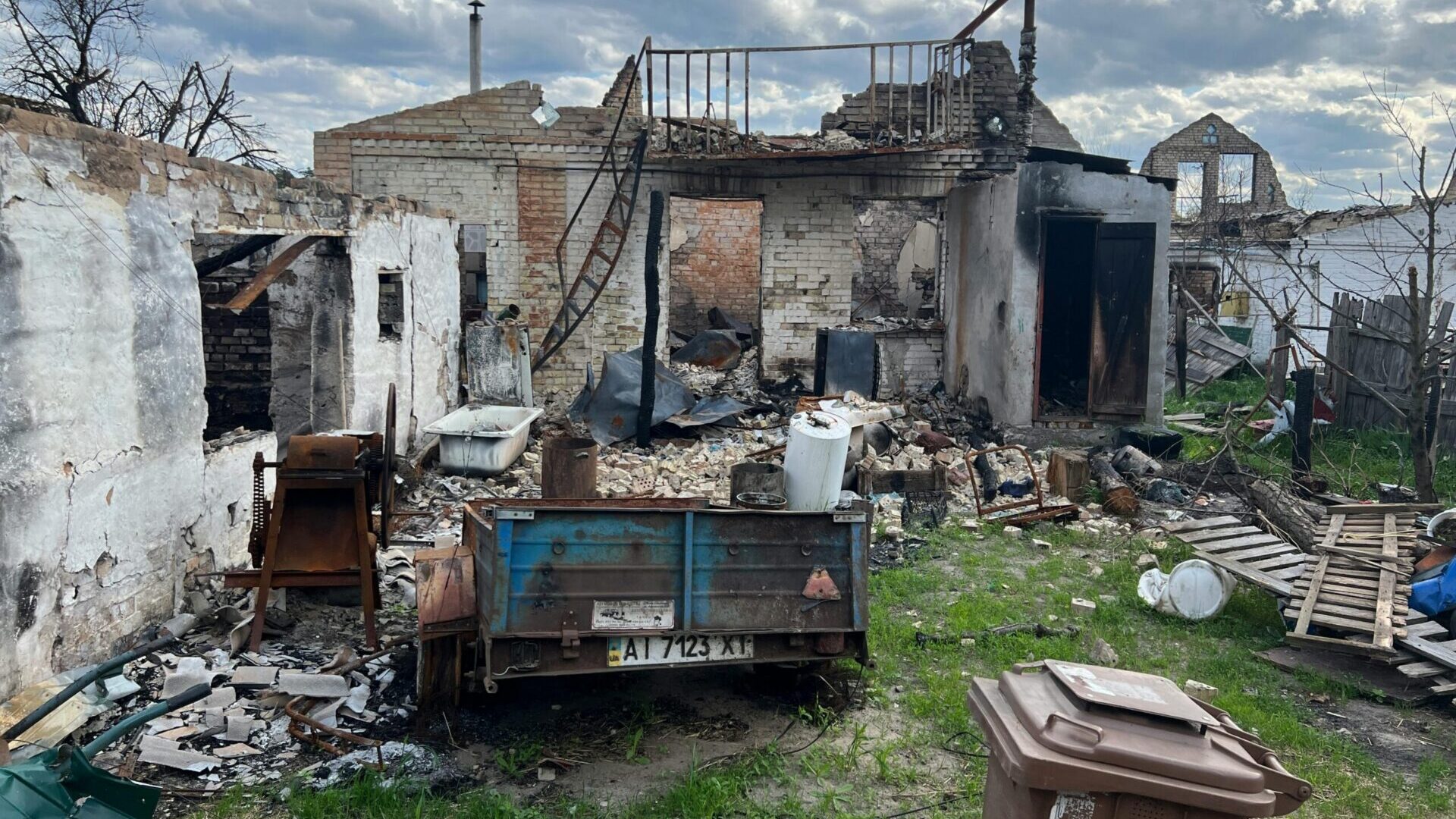
The Eaton fire tore through Los Angeles County with staggering force, leaving destruction that reshaped entire neighborhoods. At least 31 lives were lost, and nearly 17,000 structures were reduced to ashes in a matter of days. In the foothills near Altadena, once serene residential areas became landscapes of charred debris and fractured memories. For many residents, survival came at the cost of everything they owned. The emotional and financial toll continues to linger long after the flames were extinguished.
Luxury Neighborhood Faces Unthinkable Losses
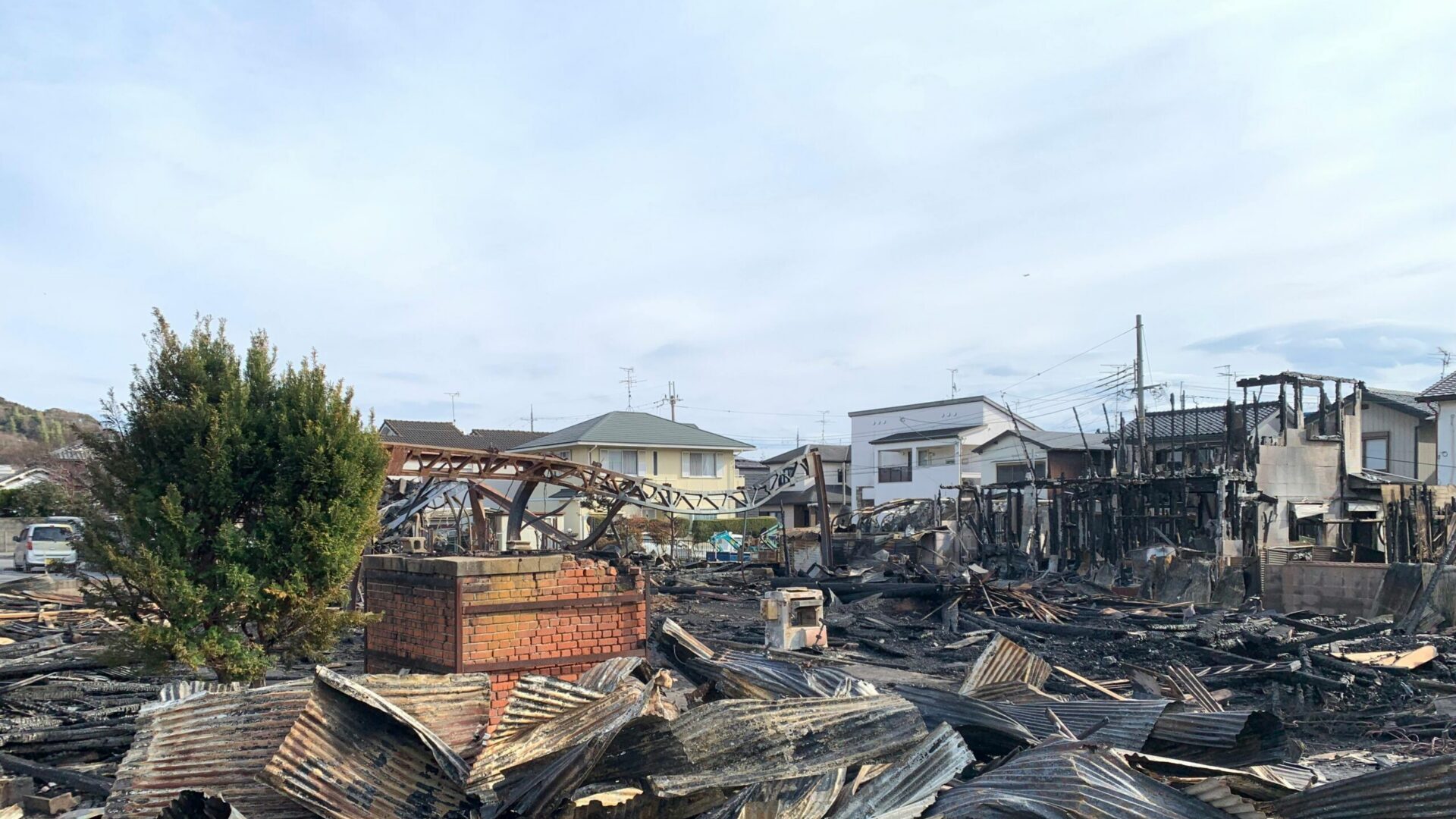
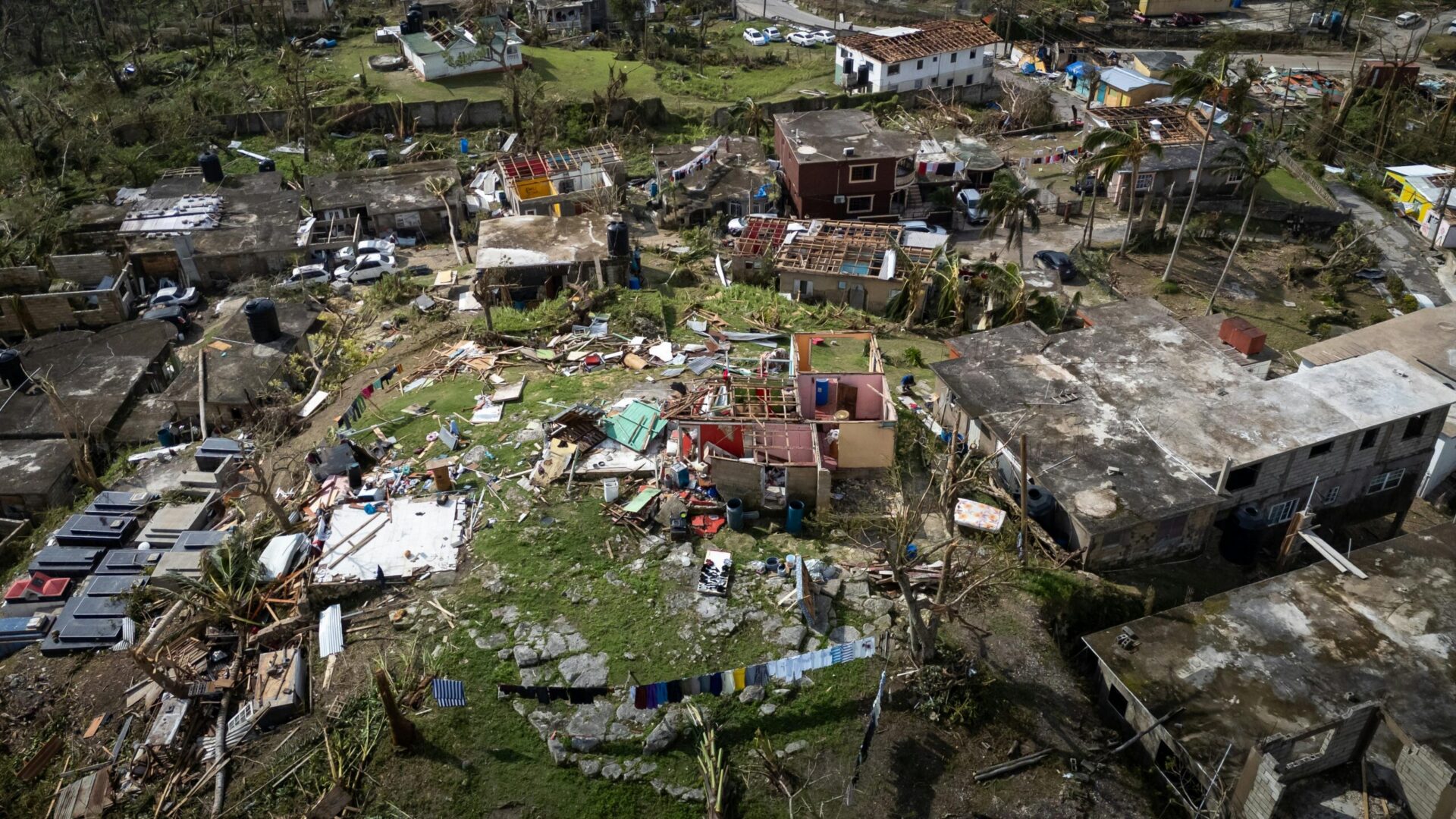
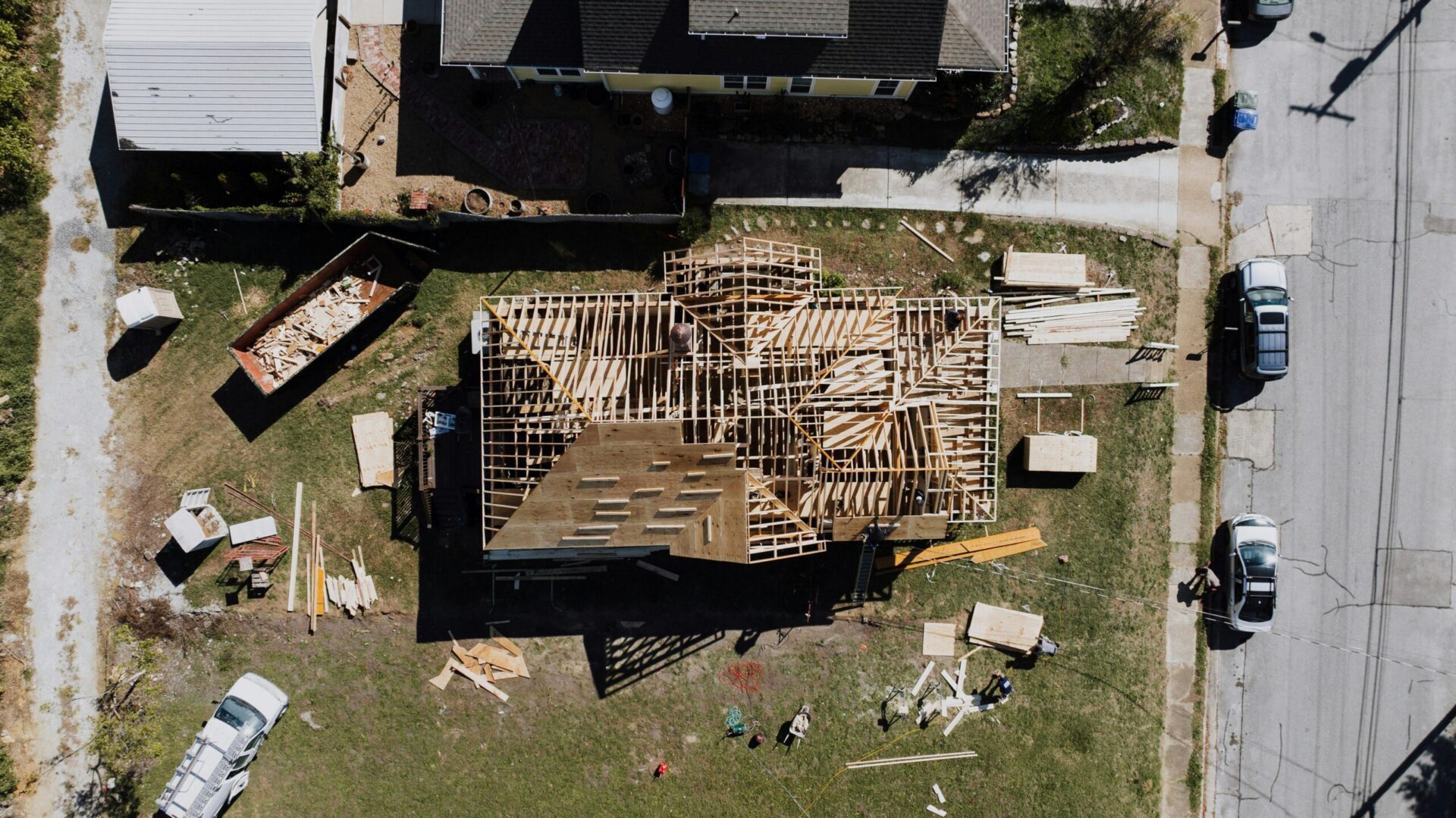
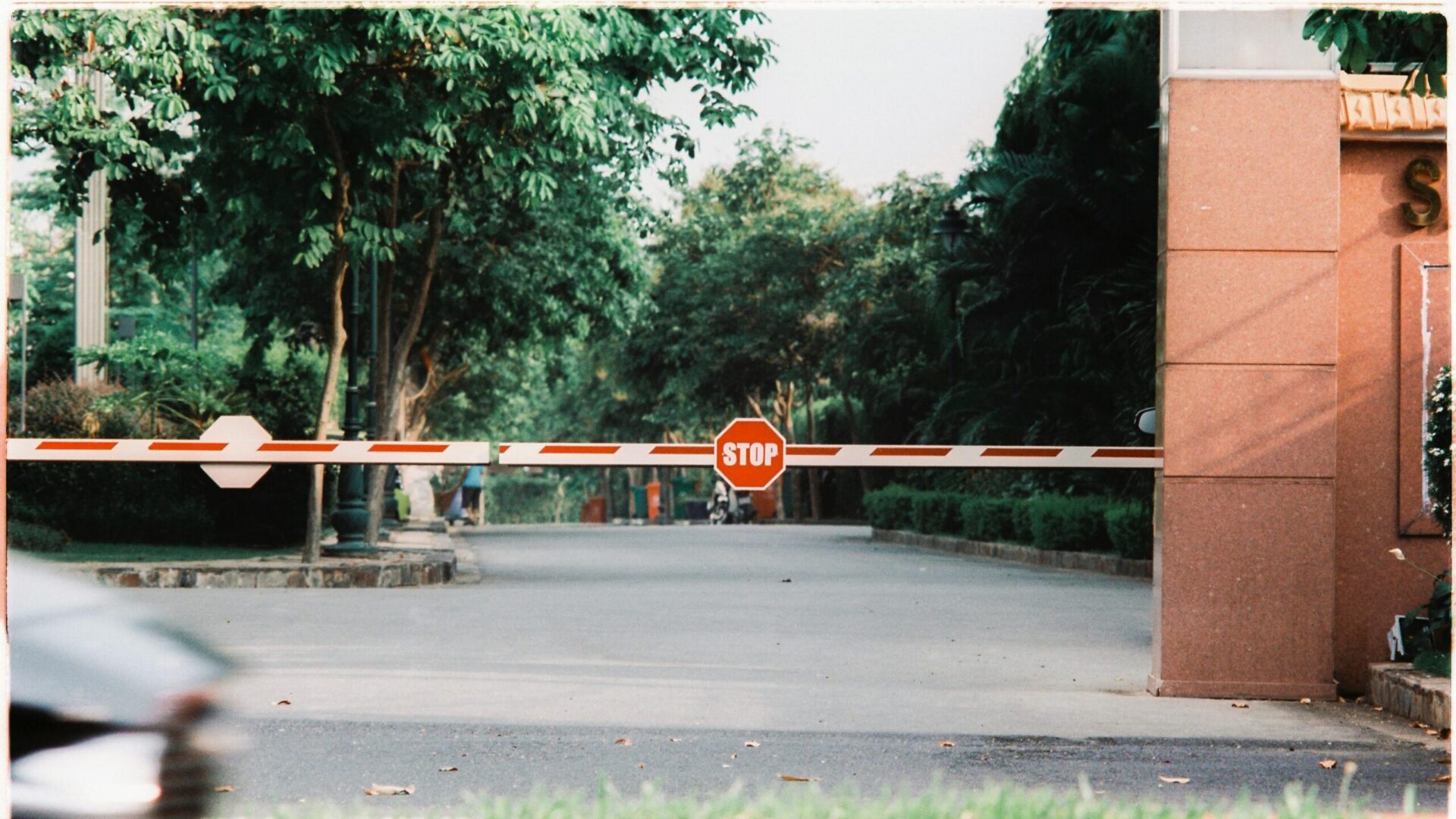
Within the gated La Vina community, the scale of devastation was particularly striking. Out of 272 homes, 52 were completely destroyed, leaving families displaced and uncertain about their future. Reconstruction efforts have begun, with over 70 percent of homes in various stages of rebuilding. Shared spaces, once symbols of communal living, now require extensive repair. Despite visible progress, the scars of the disaster remain deeply embedded in the community’s identity.
HOA Fee Sparks Controversy Among Residents
More than a year after the fire, residents were confronted with an unexpected financial demand. The homeowners association issued a special assessment totaling over $23,000 per household. The announcement came with a strict 34 day deadline, intensifying pressure on already strained homeowners. For many, the timing felt abrupt and insensitive given their ongoing recovery. What was intended as a solution quickly became a source of division.
Payment Deadline Adds Pressure to Recovery
The HOA set a firm deadline of September 1, leaving little room for flexibility or negotiation. Residents who failed to meet the deadline faced penalties, including late fees and steep annual interest rates. The possibility of liens added another layer of urgency, even for those whose homes no longer stood. Survivors found themselves navigating financial obligations while still rebuilding their lives. The situation turned recovery into a race against time.
Lawsuits Escalate Tensions in Community

As tensions mounted, the HOA reportedly pursued legal action against homeowners who had not paid the assessment. In one case, foreclosure proceedings targeted an empty lot where a home once stood. This move shocked many residents, who viewed it as an extreme response to an already tragic situation. Legal threats deepened divisions, turning neighbors into adversaries. The sense of unity forged during the disaster began to unravel.
Questions Arise Over Allocation of Funds

The HOA justified the assessment by citing $6.4 million in damages not covered by insurance. Funds were allocated to irrigation systems, fencing, landscaping, and cleanup efforts. While some residents accepted the explanation, others questioned the scale and transparency of the expenses. Critics argued that the breakdown lacked sufficient detail to justify such high costs. The absence of clear communication fueled skepticism and frustration.
Residents Divided Over HOA Decision

Opinions within the community remain sharply divided. Some homeowners believe the assessment is necessary to restore shared infrastructure and maintain property values. Others feel blindsided and burdened by a cost they were unprepared to bear. Even those who could afford the fee expressed concern for neighbors who could not. The debate has revealed underlying tensions about fairness, responsibility, and collective recovery.
Insurance Coverage Creates Uneven Impact
Insurance policies have played a crucial role in shaping individual responses to the assessment. Some homeowners were able to cover the fee through their insurance, easing the financial strain. Others found that their policies did not include such provisions, leaving them to shoulder the cost alone. This disparity has created a sense of inequality within the community. Recovery, it seems, has not been experienced equally.
Legal Experts Criticize Aggressive Approach
Legal analysts have expressed concern over the HOA’s handling of the situation. The decision to pursue litigation against disaster victims has been described as excessive and counterproductive. Experts argue that alternative solutions, such as payment plans, could have alleviated tensions. Instead, the aggressive approach risks prolonging conflict and undermining trust. The legal dimension has added complexity to an already fraught scenario.
Community Struggles to Heal After Crisis
In the aftermath of both fire and financial dispute, the path to healing remains uncertain. Residents continue to rebuild homes while navigating strained relationships and ongoing legal battles. What was once a cohesive neighborhood now grapples with division and resentment. The situation raises broader questions about how communities recover from shared trauma. Ultimately, the story of La Vina is not just about loss, but about the fragile balance between rebuilding and belonging.