Earth’s Oceans Are Heating Fast, but a Growing Atlantic “Cold Blob” Could Signal a Much Bigger Problem
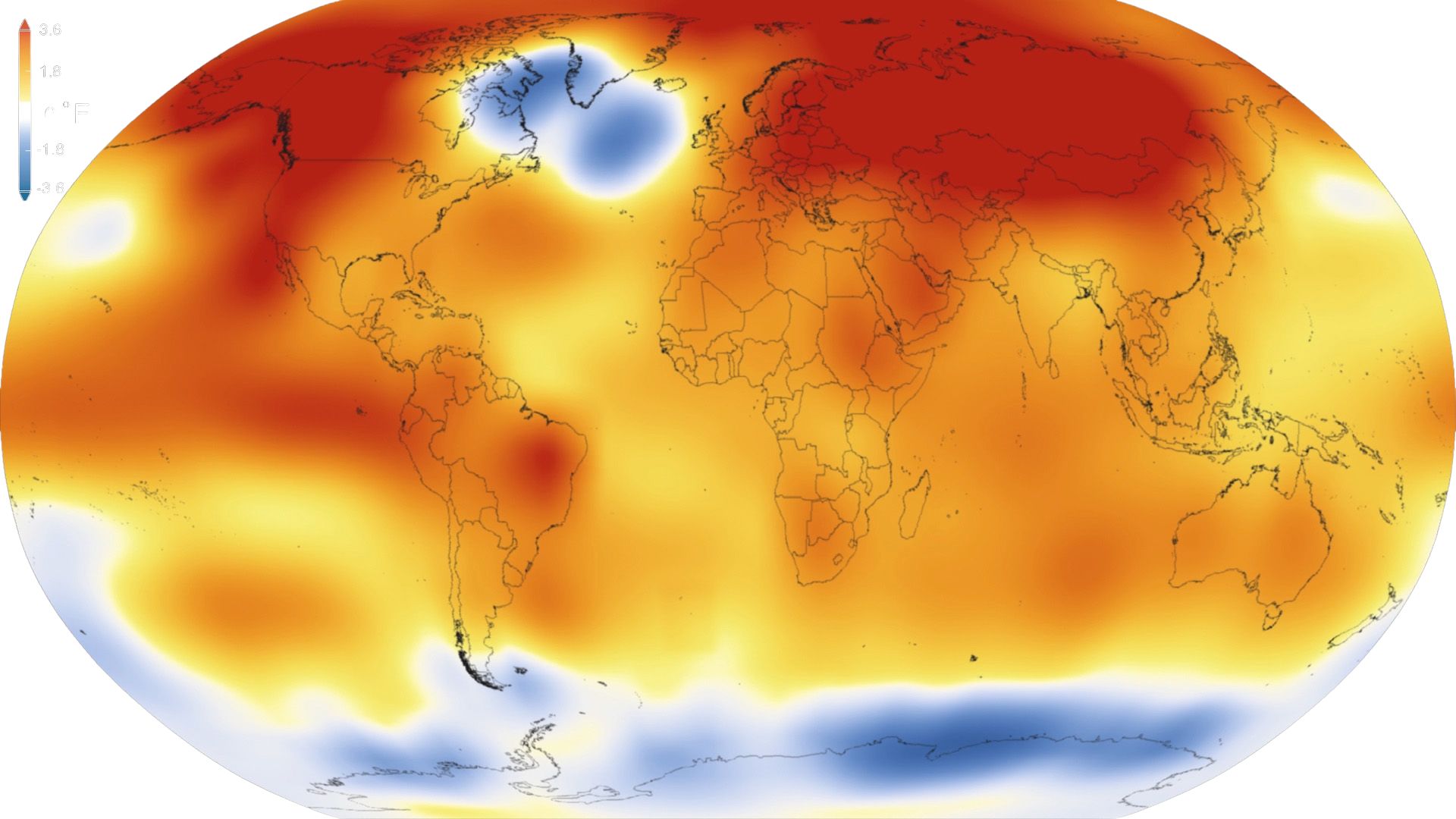

Global sea surfaces have warmed by 1.8 degrees Fahrenheit since 1900. One patch south of Greenland and Iceland has done the opposite, cooling by nearly the same amount. Scientists call it the “cold blob,” and for years its cause remained a mystery. A study published May 28 in Geophysical Research Letters now links it to a massive current system that regulates weather across three continents, and the implications go far beyond one stretch of cold water.
The Numbers Behind the Cold Blob
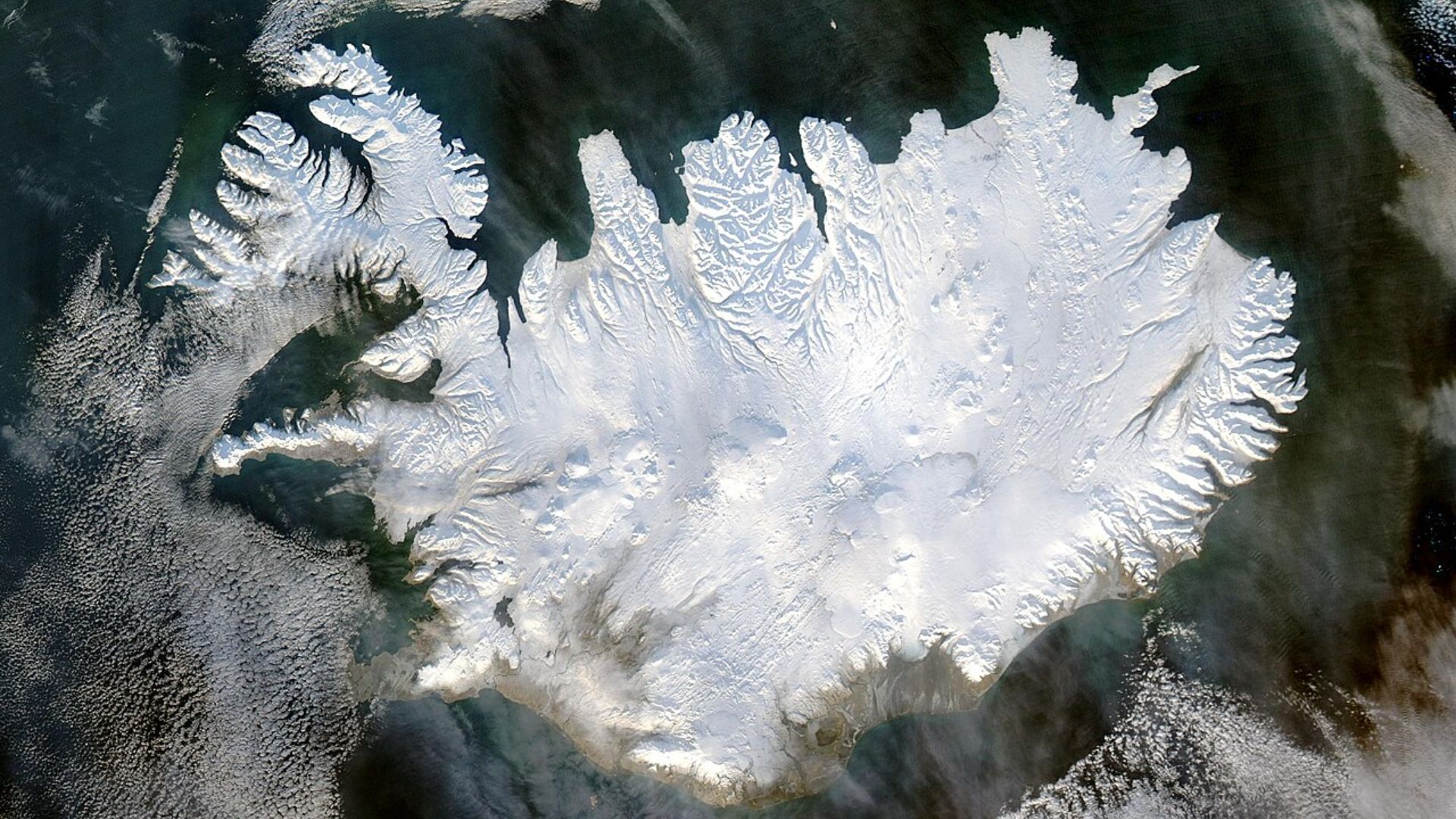
The region sits just south of Greenland and Iceland, an area where warm water normally flows north. While the rest of the planet’s oceans have steadily heated up, this patch has trended in reverse for more than a century. Researchers wanted to know whether this was a local quirk of wind and weather, or a symptom of something larger happening deep beneath the surface across the entire Atlantic basin.
Scientists Went Back to 1870 for Answers

To understand the pattern, researchers analyzed observations stretching back to 1870, pulling data from satellites, buoys, and ships. The study, published in Geophysical Research Letters, aimed to settle a debate that has divided oceanographers for years. Their conclusion pointed to changes within a critical system of ocean currents, one that carries warm water north and cold water south across the entire Atlantic Ocean.
A “Global Conveyor Belt” Keeps Europe’s Climate Stable

That system is called the Atlantic Meridional Overturning Circulation, or AMOC. Scientists describe it as a global conveyor belt, moving warm surface water to the North Atlantic while sending cold water back south at depth. Past research has already suggested the AMOC is slowing due to climate change. If that slowdown continues, the consequences could reach the U.S. East Coast, Europe, and parts of South America, Africa, and India.
One Theory Blamed the Wind, Not the Ocean
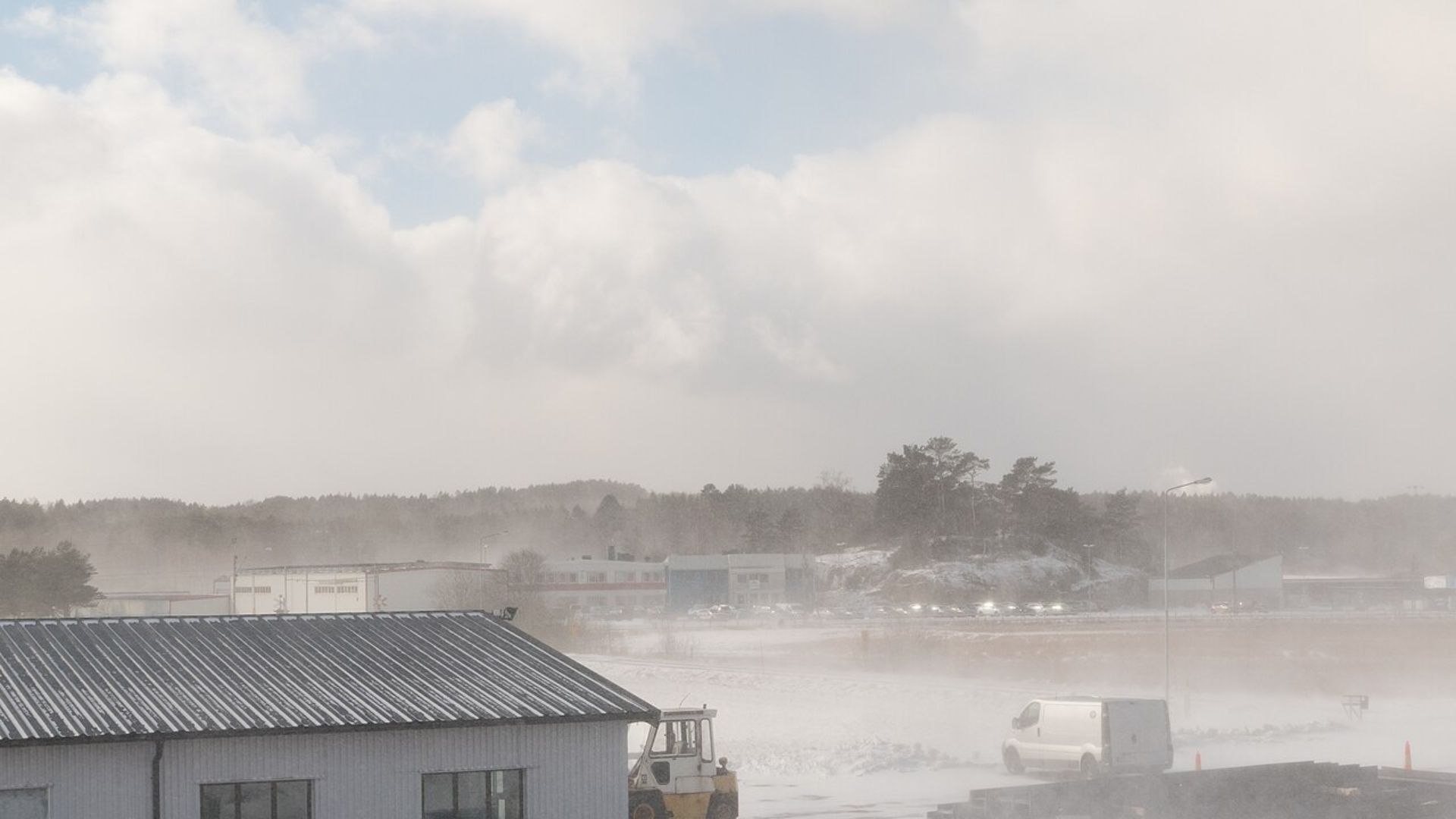
Not every scientist agrees on what’s driving the cold blob. In 2022, one research team reported that stronger westerly winds were pulling heat away from the ocean surface in that exact region, treating the cooling as a local atmospheric event rather than evidence of a weakening current system. That explanation offered a simpler, less alarming story, but the new study’s authors say it doesn’t hold up to closer scrutiny.
The Cooling Runs Deeper Than the Surface

Using decades of satellite, buoy, and ship data, the research team found that the cold blob’s chill extends well below the surface. Surface cooling could be explained by wind stripping away heat, but cooling at depth points to something else entirely: the AMOC may simply not be delivering warm water to the region in the first place, rather than losing heat once it arrives.
“The Data Show It Is Caused by the Ocean”

Study co-author Stefan Rahmstorf, a physical oceanographer at the Potsdam Institute for Climate Impact Research, told New Scientist that wind and local atmospheric effects only account for a “modest fraction” of the cold blob. Even where some models suggest the atmosphere could be responsible, he said, the observational data tells a different story: the ocean itself, not the sky above it, is driving the pattern.
A Region “Highly Sensitive” to Current Change
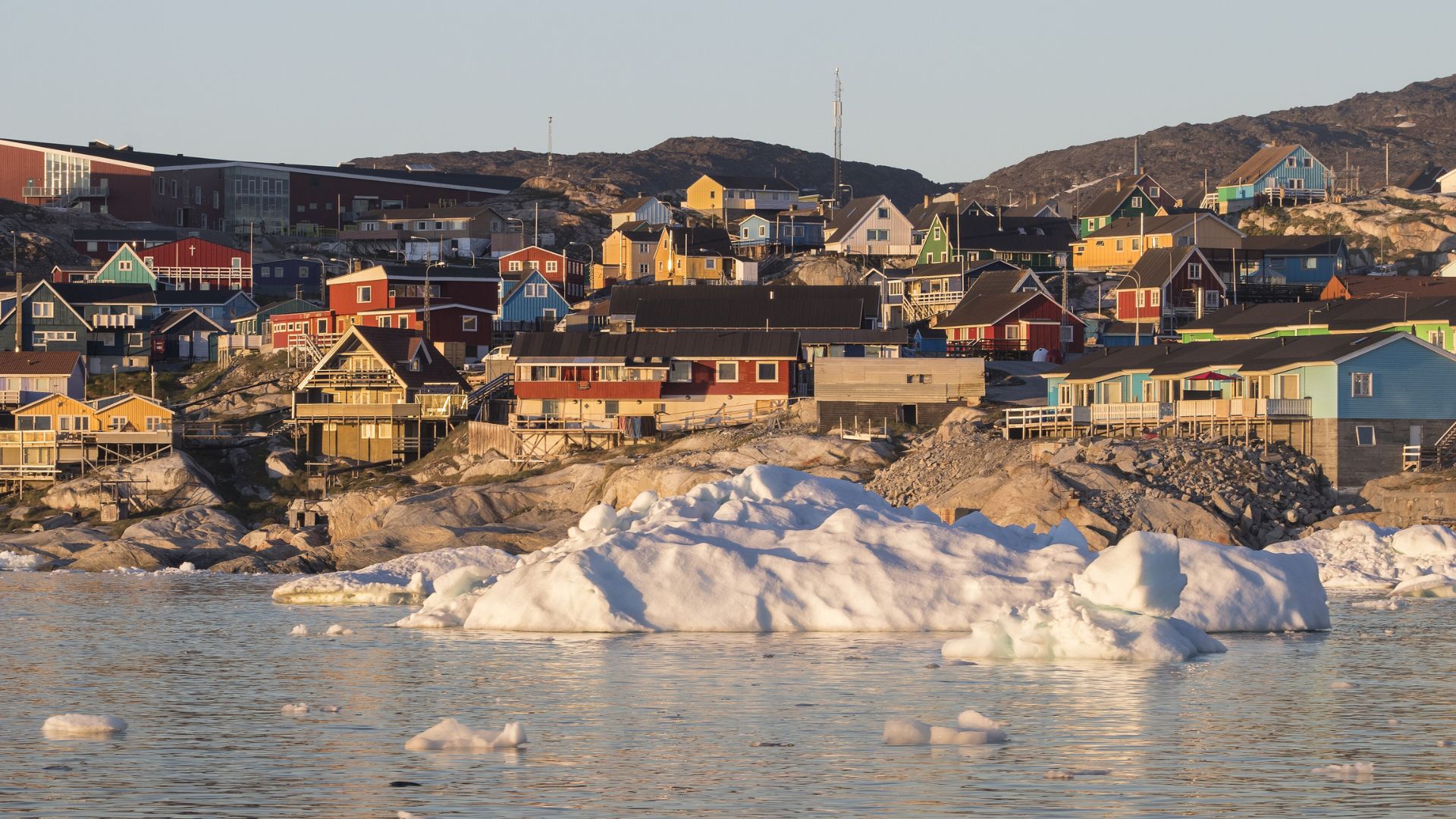
Wei Liu, a climate scientist at the University of California, Riverside who was not involved in the study, told USA Today that the area south of Greenland is highly sensitive to shifts in the AMOC. That sensitivity is exactly why some scientists see the cold blob as more than a curiosity. It raises the possibility that the current system is already showing early signs of serious, long-term change.
Iceland Could Face -50 Degree Winters

A full AMOC collapse would bring catastrophic consequences to Northern Europe, according to reporting by Ben Noll for the Washington Post, potentially plunging Iceland into winters as cold as -50 degrees Fahrenheit. The scenario remains controversial. Many experts argue that fears of a total collapse happening anytime soon are overblown. Even without a full breakdown, though, scientists say the cold blob still isn’t something to dismiss.
Even a Weakened Current Threatens Marine Life

“Even without a collapse, a weakening of the AMOC could have serious climate impacts,” ocean scientist Jonathan Baker of the UK’s Met Office told Yale Environment 360. The current also carries nutrients and regulates ocean salinity, meaning any disruption could threaten marine ecosystems that depend on it. The cold blob may not signal collapse, but it confirms the Atlantic’s conveyor belt is already changing.