Drivers May Now Have to Pay Monthly Subscription Just to Open Their Garage Doors


A growing trend in the auto industry is raising eyebrows among drivers, as some vehicles now require a subscription just to perform tasks that were once as simple as pressing a button. In a recent example drawing widespread attention, certain Honda models have shifted garage door functionality away from traditional built-in controls and into a paid digital service, sparking debate about how far subscription-based features should go.
What used to be a standard feature, like a built-in garage door opener button on a rearview mirror, is now being replaced by app-based systems that require ongoing access through connected services. This change reflects a broader transformation in how modern vehicles are designed, with more features tied to software rather than physical hardware.
For many drivers, the shift feels like a fundamental change in ownership, where buying a car no longer guarantees access to all of its functions without additional costs. As more features move behind paywalls, questions are growing about convenience, value, and what consumers should reasonably expect from a vehicle purchase.
How The Subscription-Based Garage System Works

The system at the center of this change is known as myQ Connected Garage, which integrates with a vehicle’s infotainment system through apps like HondaLink, allowing drivers to open, close, and monitor their garage doors directly from their car’s display. However, access to this feature requires a paid subscription after a limited free trial period.
Drivers can choose between multi-year subscription plans, typically costing around $129 for three years or $179 for five years, which works out to a few dollars per month but still represents an added expense for a feature that used to be included at no extra cost.
While the subscription does offer additional capabilities, such as remote access, notifications, and the ability to control the garage door from anywhere, critics argue that these enhancements do not justify placing a basic function behind a paywall, especially when simpler systems previously worked without ongoing fees.
Why Automakers Are Moving Toward Subscriptions
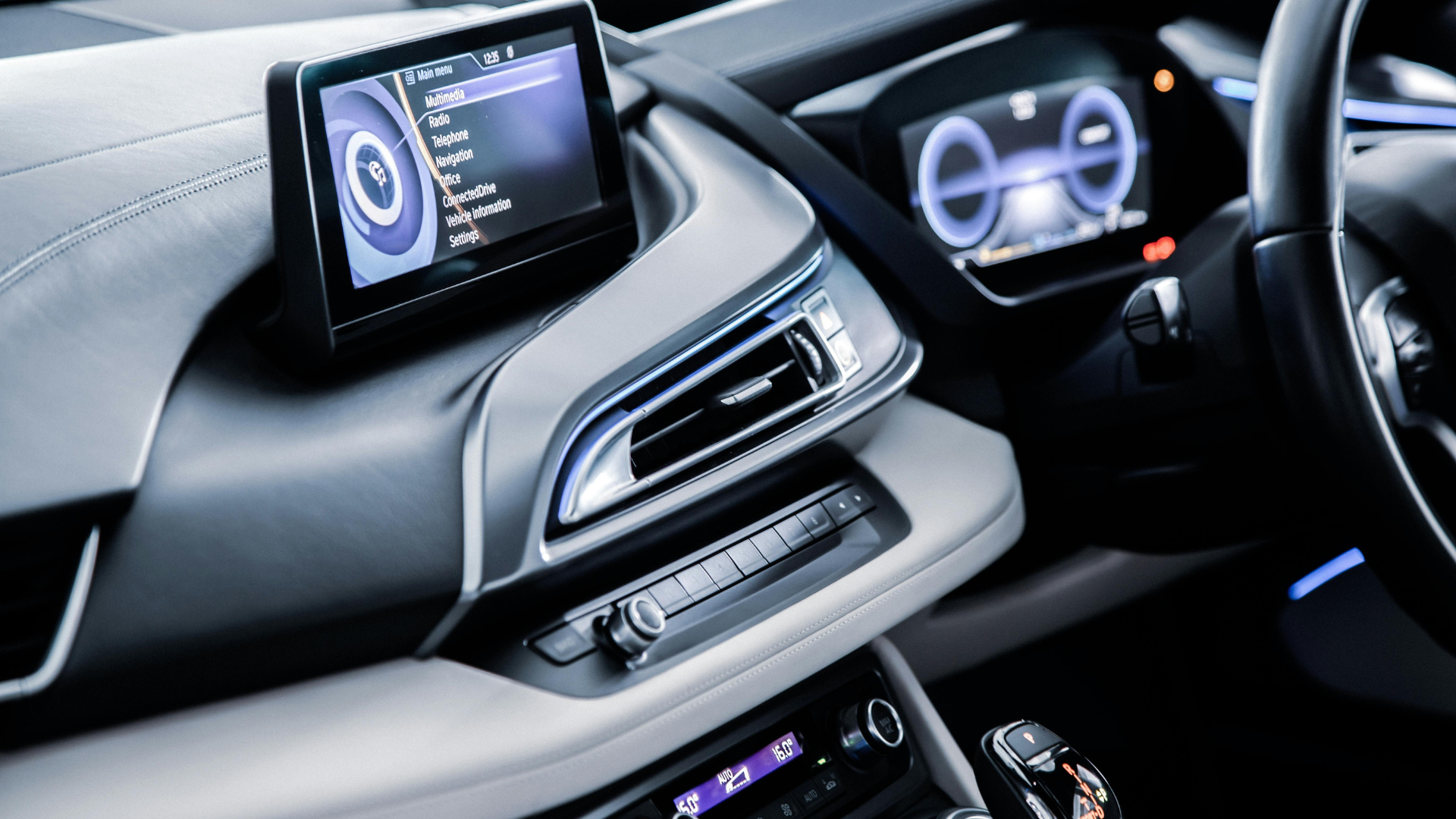
Automakers are increasingly turning to subscription models as a way to generate ongoing revenue beyond the initial sale of a vehicle, treating cars more like connected devices that can be updated and monetized over time. This shift allows manufacturers to unlock features digitally, sometimes using hardware that is already built into the car but restricted by software until payment is made.
The approach mirrors trends seen in other industries, where services are broken into tiers and offered as add-ons, giving customers the option to pay for extra functionality. In vehicles, this can include everything from navigation upgrades to remote access features and even performance enhancements, signaling a major change in how cars are sold and experienced.
However, this strategy has also sparked backlash from consumers, who argue that features tied to basic usability should not require recurring payments, especially when they were previously standard. The debate highlights a growing tension between innovation and consumer expectations in the evolving automotive market.
What This Means For Drivers Going Forward
The introduction of subscription-based garage door access is part of a larger shift that could reshape how drivers interact with their vehicles in the future, as more features become tied to apps, connectivity, and ongoing payments rather than one-time purchases.
For now, drivers still have alternatives, such as using traditional remotes or opting for vehicles that retain built-in controls without subscription requirements, but the direction of the industry suggests that these options may become less common over time.
Ultimately, this trend raises important questions about value, ownership, and convenience, as consumers weigh the benefits of connected technology against the growing number of features that now come with an ongoing price tag rather than being included from the start.