Doctors Share 10 Everyday Items You Should Wash Your Hands After Touching
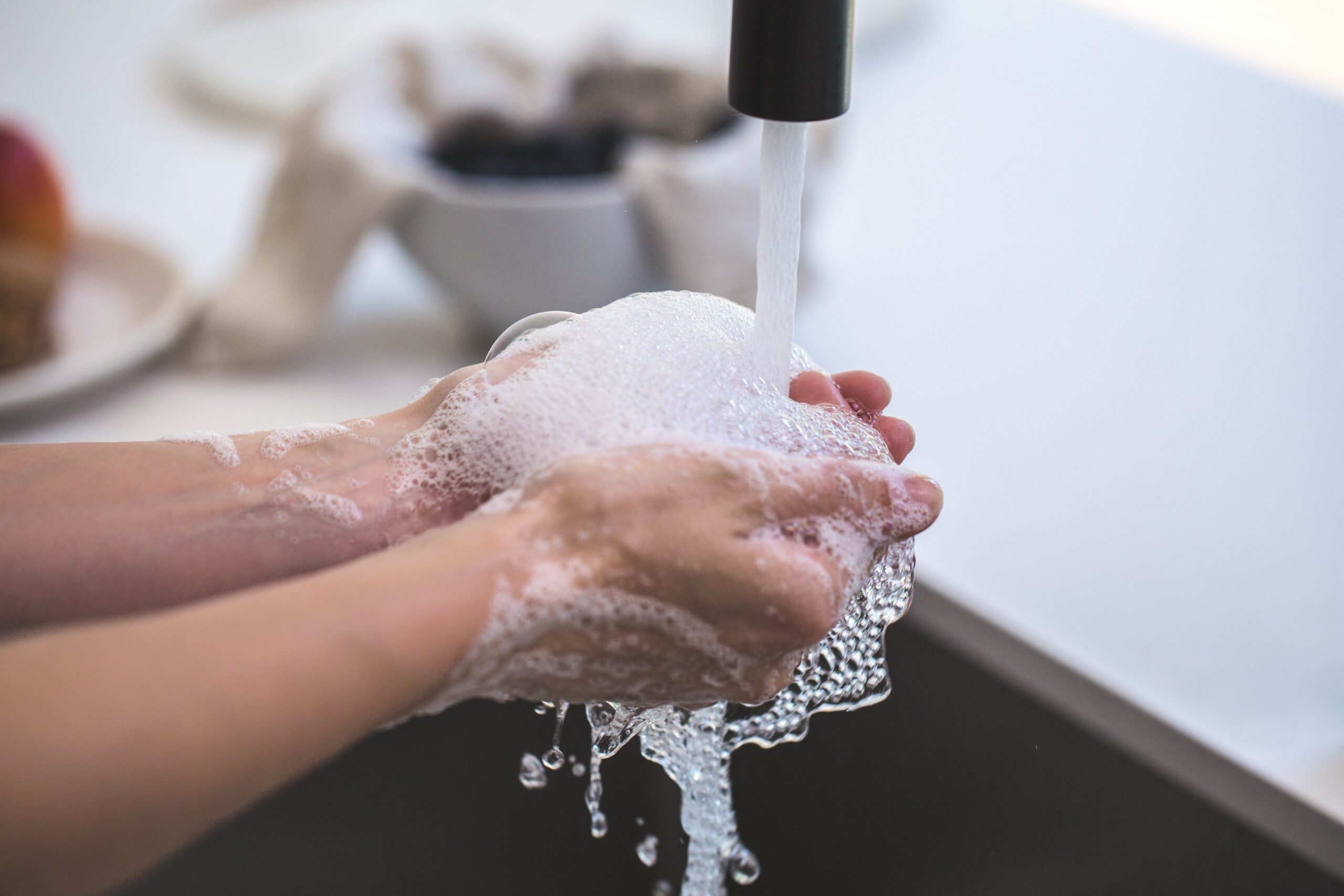

Everybody claims they wash their hands every single time, but the truth tells a different story. One viral Reddit thread asking this exact question drew thousands of responses, many admitting they skip it, especially at home. Researchers agree the stakes are real. Handwashing can prevent one in three illnesses that cause diarrhea and one in five respiratory infections, according to the Cleveland Clinic. Here’s what everyday items actually demand a hand wash, and why the habit matters more than most people think.
#1 Cash Carries More Than You’d Expect
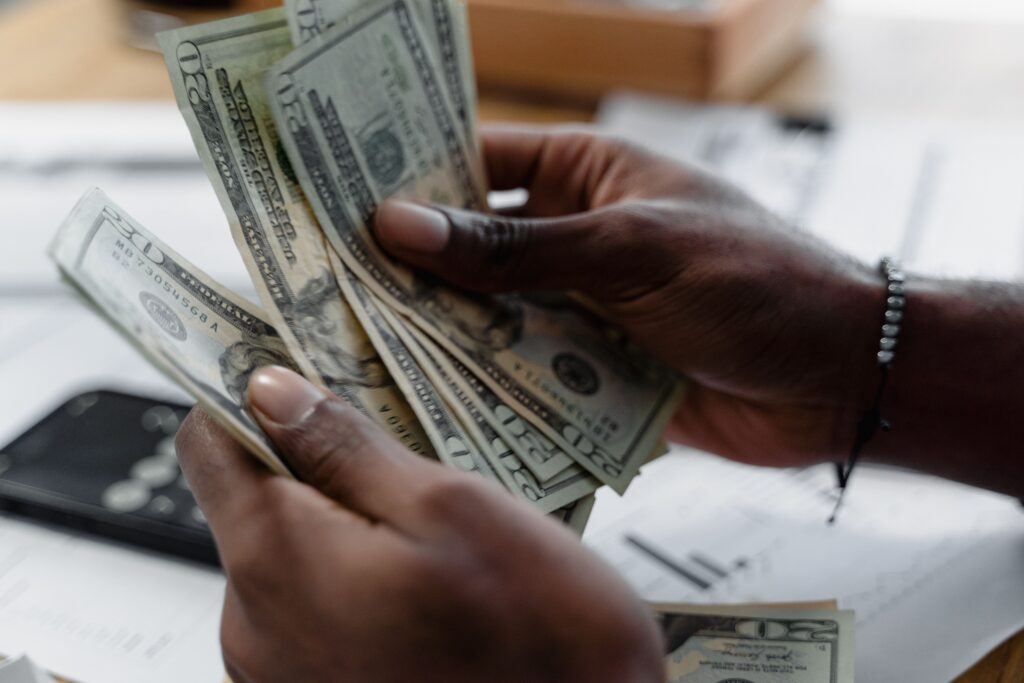
Paper money passes through countless hands before it reaches yours, and research shows it carries the evidence. Researchers who tested one dollar bills from a New York City bank found hundreds of microorganisms, including oral and vaginal bacteria and even DNA from pets and viruses. Coins aren’t much better, with studies detecting pathogens like E. coli and salmonella. Since $100 bills can circulate for up to 15 years according to the Federal Reserve, that cash in your wallet has likely touched a lot of germy hands.
#2 Doorknobs and Handrails Are Prime Suspects
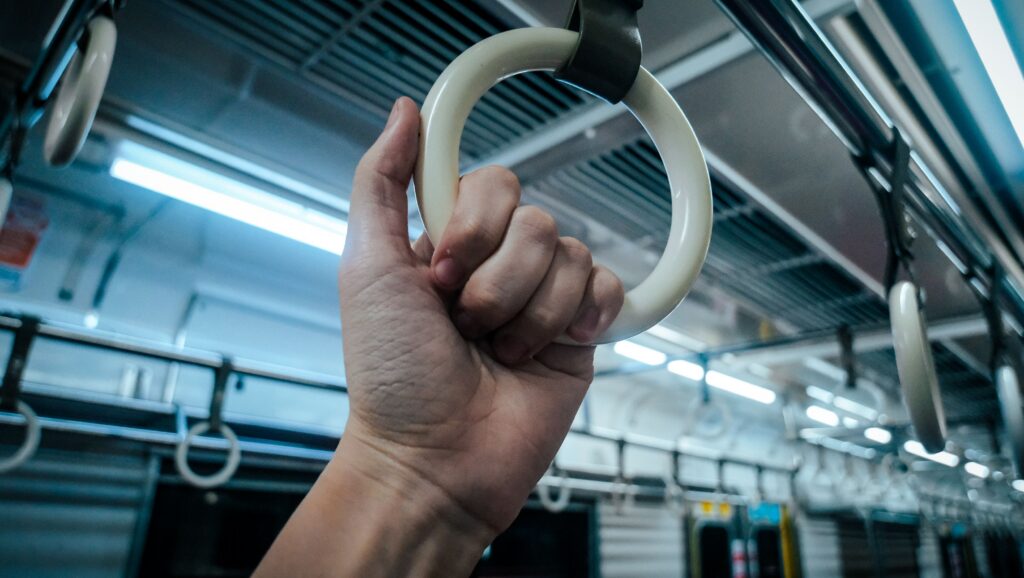
Public transportation surfaces rank among the germiest places you’ll touch daily. Dr. Katy Burris, a board certified dermatologist at Columbia University Medical Center, says one of the most important times to wash your hands is after riding public transit, where countless people touch the same escalator rails, subway poles, and bathroom door handles. These high traffic surfaces accumulate bacteria from hundreds of hands each day, making them an easy way to pick up germs without realizing it.
#3 Restaurant Menus Are Germier Than You’d Guess
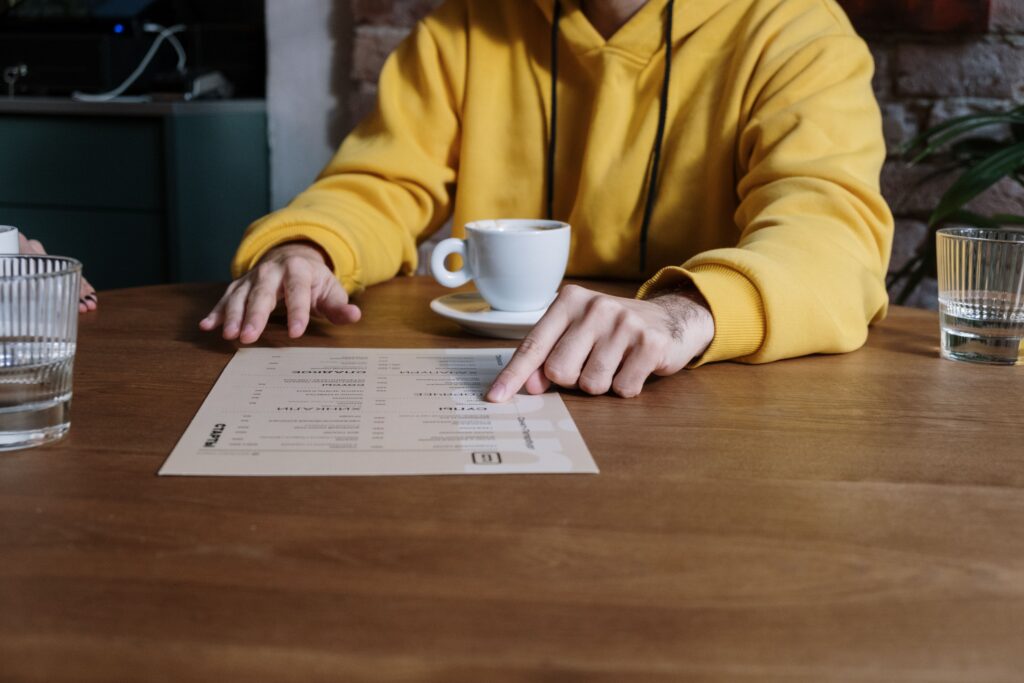
Before you even taste your meal, you may have already handled one of the dirtiest items in the building. Researchers at the University of Arizona swabbed restaurant menus and found a staggering 185,000 bacterial organisms on average. Menus pass through countless hands, including staff who also handle other customers’ used dishes and flatware. Even ordering digitally isn’t necessarily safer, since touchscreens and kiosks carry their own significant bacterial loads.
#4 Touchscreens Multiply the Risk
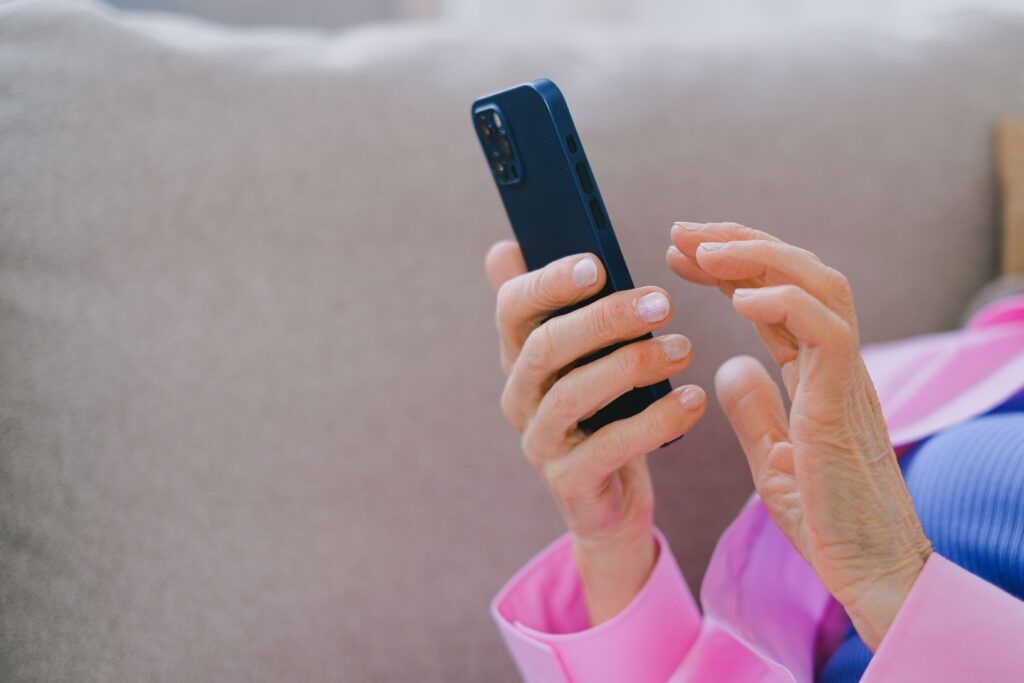
As paper menus and forms increasingly shift to digital screens, the germ exposure hasn’t disappeared, it’s just changed form. Dr. Burris warns that kiosk machines in airports and public transportation hubs are particularly troublesome. Cell phones deserve attention too, especially when shared with others. The encouraging news is that simple soap and water washing effectively reduces the transmission of these pathogens, making it one of the easiest defenses against screen related germs.
#5 Pets Bring Their Own Set of Germs

Even beloved family pets can transfer bacteria to human hands. Dr. Nesochi Okeke-Igbokwe notes that people often overlook handwashing after touching animals precisely because pets feel so familiar and safe. Animals can carry various diseases regardless of how clean or well cared for they appear. Whether it’s your own dog or someone else’s, washing your hands after contact with any animal, animal feed, or animal waste remains an important habit worth maintaining consistently.
#6 Your Kitchen Sponge Might Be the Dirtiest Item in Your Home
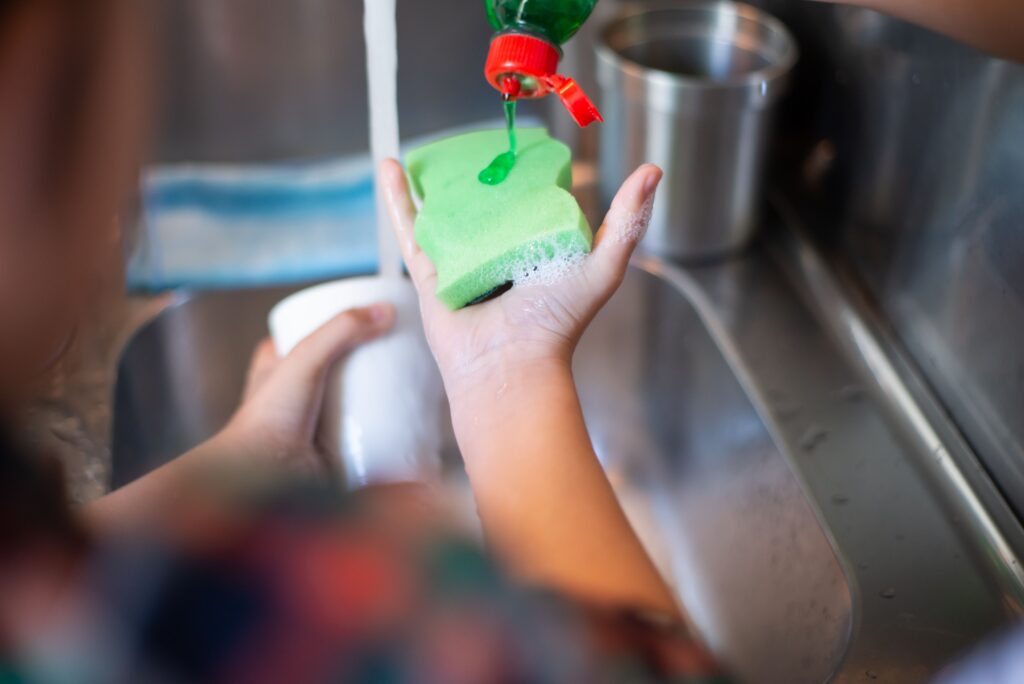
The kitchen might feel like a clean space, but it’s actually one of the germiest rooms in most homes. One study found as many as 326 different species of bacteria living on used kitchen sponges alone. Cutting boards, dish towels, and other kitchen textiles move germs around from raw food preparation. Experts recommend washing hands before preparing meals and immediately after handling raw meat, plus regularly replacing old sponges before they become bacterial breeding grounds.
#7 Borrowed Pens Come With Hidden Baggage
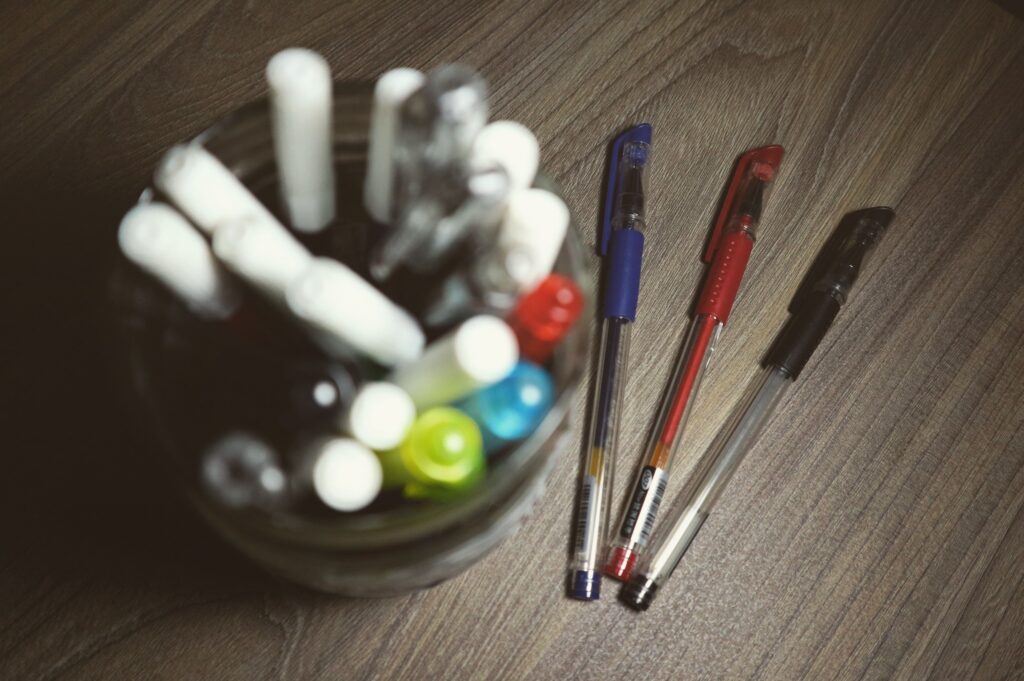
That pen you borrowed at the doctor’s office or bank carries more than ink. The average office pen has ten times the germs of an average toilet seat, according to reporting from the Wall Street Journal, at roughly 200 bacteria per square inch. Many people also chew or gnaw on pen caps, adding another layer of contamination. Doctor’s office items in general, including sign in pens and waiting room armrests, rank among the germiest surfaces you’ll encounter.
#8 Even Soap Dispensers Aren’t Safe
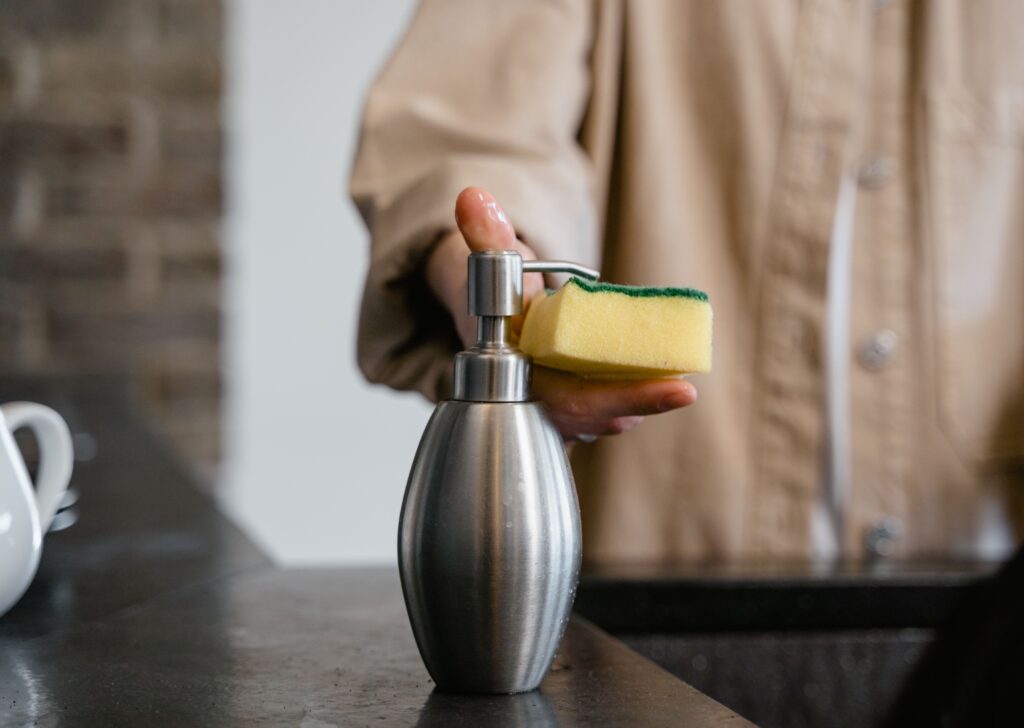
This one sounds almost like a joke, but the science backs it up. Refillable soap dispenser pumps are a reported haven for bacteria, according to researchers from the University of Arizona. Every time someone presses the pump, bacteria on their hands transfers onto the dispenser, creating a contamination cycle. Professor Charles Gerba found that touching these containers can transfer more bacteria to your hands than touching a toilet, making proper handwashing technique after use especially important.
#9 Airports Are a Germ Superhighway
With roughly 2.6 million airline passengers traveling daily, airports concentrate germs from an enormous number of people passing through shared spaces. Security line trays are particularly troublesome, since travelers place their shoes and bags directly into bins that thousands of other people touch. Doorknobs, water fountains, and kiosk screens throughout terminals present additional exposure points. Packing hand sanitizer or sanitizing wipes in your carry on offers a practical way to manage the risk while traveling.
#10 Almost Anything in a Doctor’s Office
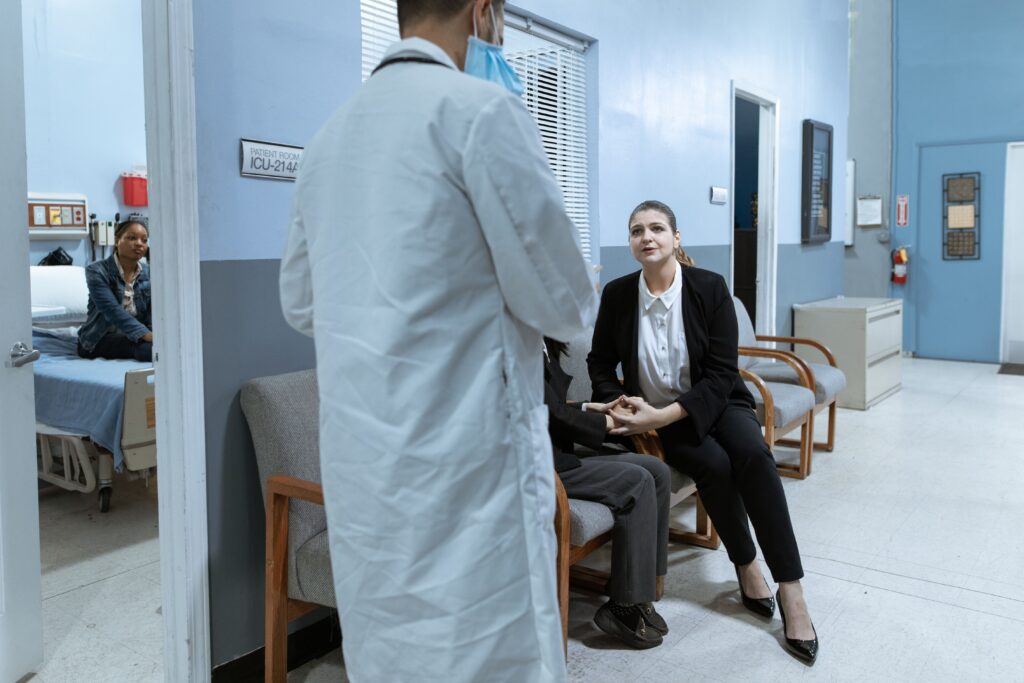
Waiting rooms and exam rooms see a steady parade of sick patients throughout the day, and that traffic leaves a mark. The sign-in pen alone carries roughly 46,000 more germs than the average toilet seat. Other overlooked hot spots include the waiting room chair armrests and the door handles leading in and out. Since doctor’s offices specifically treat people who are unwell, washing your hands after any visit, not just after touching obvious surfaces, is a smart habit to build.
The Simple Habit That Actually Works
Proper handwashing isn’t complicated, but technique matters. Health experts recommend wetting your hands, applying soap, and scrubbing for at least 20 seconds, about the time it takes to hum “Happy Birthday” twice, before rinsing and drying thoroughly. The CDC and Mayo Clinic both emphasize that plain soap works just as well as antibacterial versions for most situations. The next time you touch cash, a menu, or a pen, that quick trip to the sink might matter more than you realized.