Democrats’ Anti-Corruption Push Against Trump Runs Into Stock-Trading Fight

Democrats believe public frustration with political self-dealing could become a powerful issue ahead of the midterm elections. Party leaders have launched a new anti-corruption effort aimed at highlighting President Donald Trump’s business interests, ethics concerns, and conflicts of interest while presenting Democrats as advocates for government reform. Yet as that message gains prominence, disputes over stock trading and personal wealth are increasingly surfacing within Democratic primaries themselves.
The New Democratic Ethics Campaign

House Democrats recently created a task force focused on ethics reforms, voting rights protections, and government accountability. Led by Rep. Joe Morelle, the initiative includes lawmakers from across the party’s ideological spectrum, from moderates to progressives. Proposed reforms include restrictions on stock trading by government officials, stronger ethics standards, and greater scrutiny of conduct in Washington. Supporters argue that public trust in institutions has eroded and that restoring credibility requires visible action.
Trump’s Business Interests Become a Target
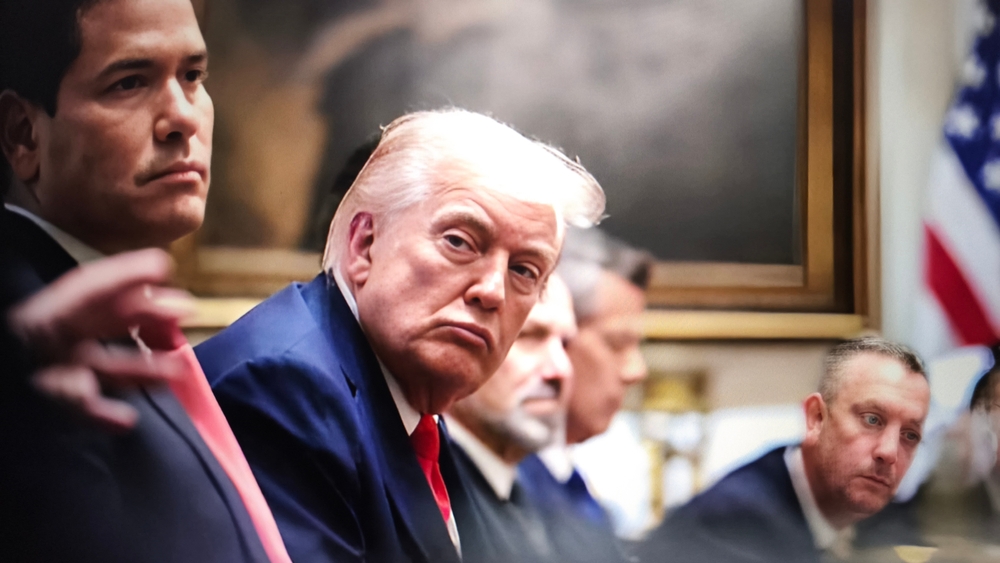
Democrats see Trump’s financial relationships as a central part of their argument. Critics point to business activities involving the Trump Organization and broader questions about whether presidential decisions can intersect with private financial interests. The White House rejects those accusations, saying Trump’s assets are managed through arrangements designed to avoid conflicts and that he acts solely in the public interest. The disagreement has become a defining fault line in the broader debate over ethics and accountability in government.
An IRS Settlement Intensifies Scrutiny

Attention increased after reports about an IRS-related settlement involving Trump and the Department of Justice. Critics argued that the agreement raised questions about the relationship between presidential authority and personal interests, while supporters defended it as a legitimate legal resolution. Ethics experts cited in reporting described the episode as part of a larger pattern of conflict-of-interest concerns, while administration allies argued that Trump is not personally directing investment decisions and therefore should not be accused of self-dealing.
The Problem Democrats Cannot Easily Escape
The challenge for Democrats is that anti-corruption arguments often lead voters to ask questions about Congress itself. Candidates across the country report hearing complaints that lawmakers use public office to enrich themselves. Those concerns have fueled renewed attention to congressional stock trading, an issue that consistently polls well across party lines and has become one of the most visible reform proposals in Washington.
Why Congressional Stock Trading Remains Controversial

Reform advocates argue that lawmakers possess access to nonpublic information and influence over industries affected by legislation. The Brennan Center notes that investigations have found lawmakers trading in sectors connected to committees on which they served, creating concerns about potential conflicts of interest. Existing rules require disclosure of many trades through the STOCK Act, but critics say enforcement mechanisms remain weak and penalties are too small to deter violations.
Democratic Primaries Become Testing Grounds
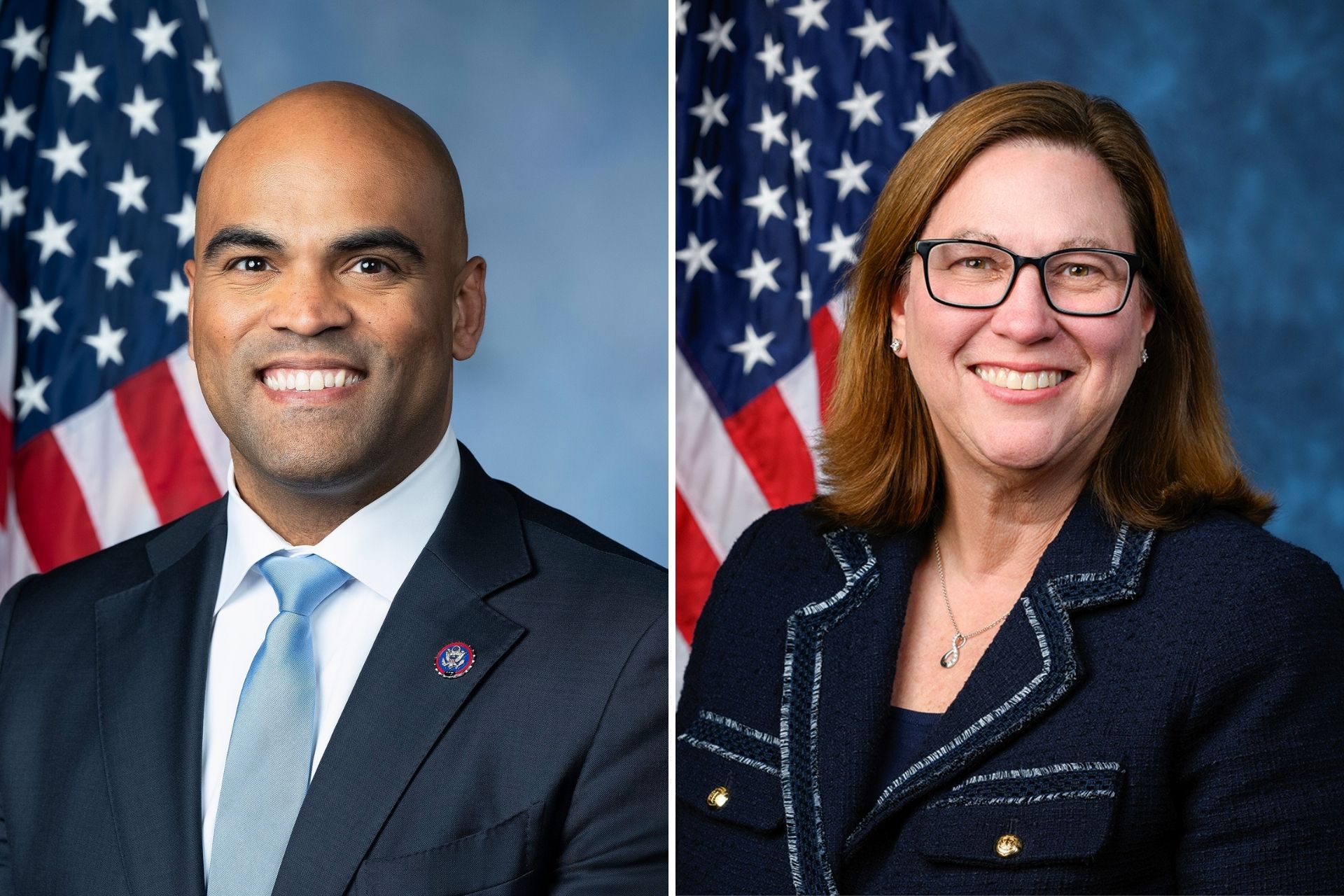
Those concerns are now shaping Democratic contests from Texas to California. In Texas, former congressman Colin Allred criticized Rep. Julie Johnson over trades involving Palantir, while Johnson responded that the transactions were handled by a financial manager and generated minimal profit. Similar disputes have emerged in Utah, New York, and California, where candidates are questioning one another’s investments, campaign donations, and personal wealth as evidence of potential influence or privilege.
Competing Definitions of Corruption

The debate reveals a deeper disagreement about what corruption actually means. Some candidates focus on stock ownership and potential insider advantages. Others emphasize corporate donations, self-funded campaigns, lobbying ties, or the influence of wealthy donors. In several races, candidates who support stock-trading bans have themselves faced questions about investment portfolios or financial disclosures, illustrating how difficult it can be to draw a universally accepted ethical line.
Reform Has Broad Support but Few Victories

Public support for tighter restrictions is substantial. The Brennan Center reports that large majorities of both Democratic and Republican voters favor stronger limits on congressional stock trading. Proposed solutions include blind trusts, bans on purchasing individual stocks while in office, and stricter enforcement powers for ethics watchdogs. Despite bipartisan interest and multiple legislative proposals, Congress has yet to enact a comprehensive ban.
The Test Ahead for Both Parties
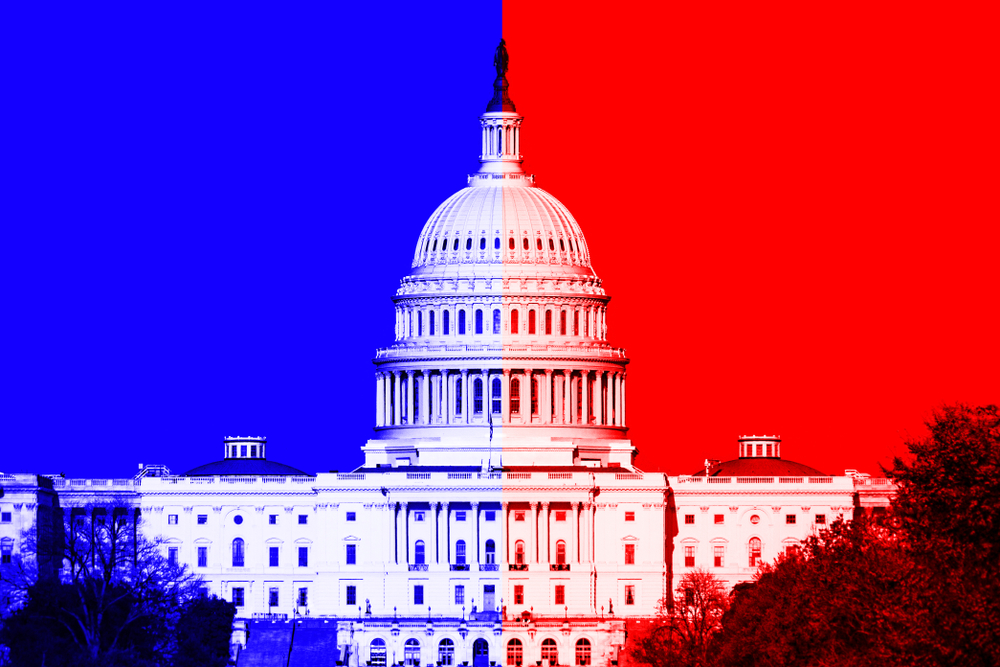
The coming election cycle may determine whether anti-corruption politics becomes a governing agenda or remains primarily a campaign message. Democrats are betting that concerns about Trump’s conduct can mobilize voters, but they must also convince those same voters that they are willing to apply similar standards to their own members. As reform groups continue pushing for stock-trading bans and broader ethics changes, the political question is no longer whether Americans distrust Washington. The question is which party can most credibly claim it has a plan to fix it.