Delta Air Lines Drops Drinks and Snacks on Short Flights in Major Shift, Drawing Passenger Reaction
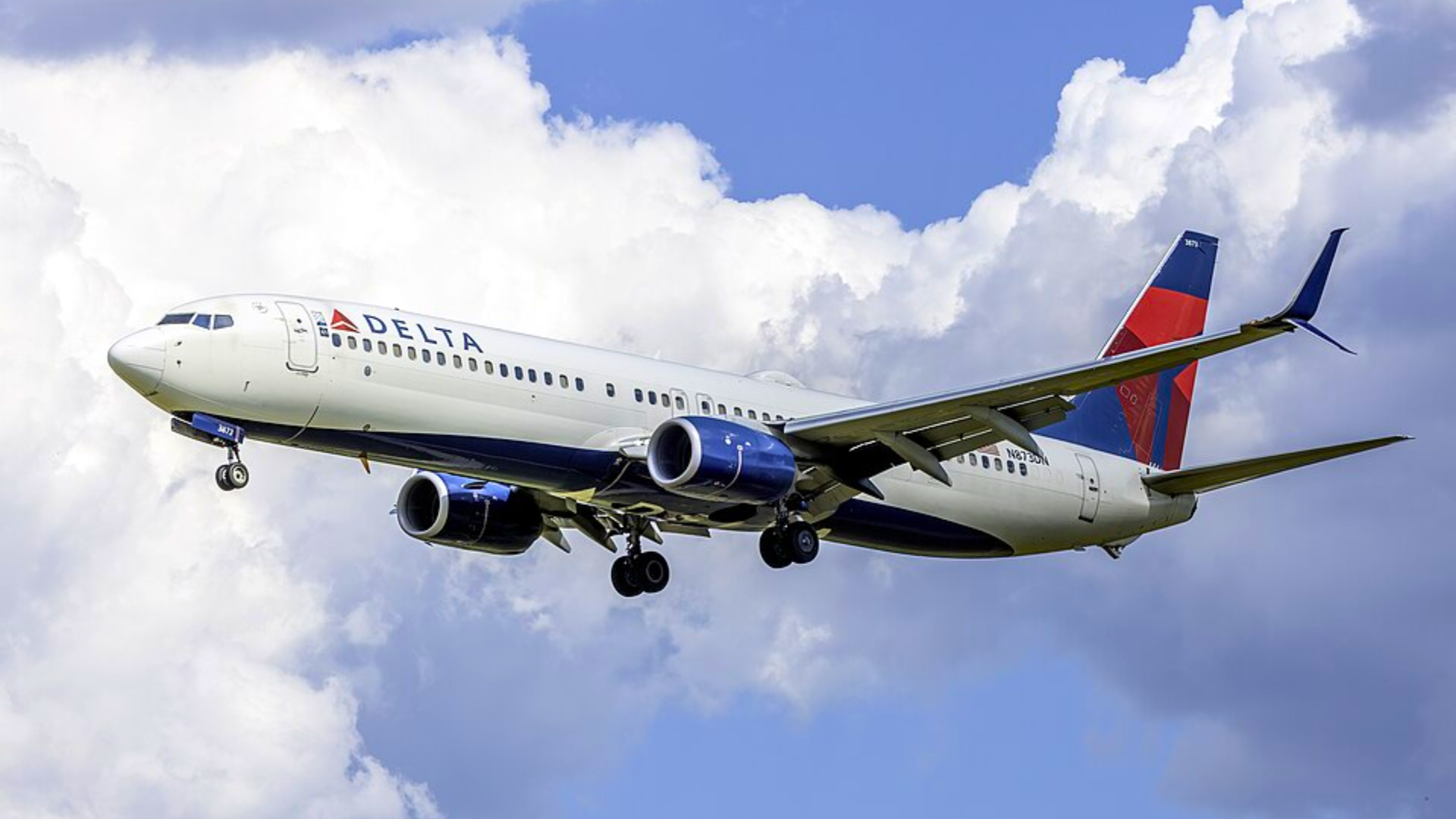

Delta Air Lines is making a major change to its onboard service by removing complimentary drinks and snacks on hundreds of short flights, sparking backlash from passengers. The policy, set to take effect in May 2026, affects routes under roughly 350 miles and represents a significant shift in the airline’s service model. Officials say the move is meant to standardize the onboard experience, but many travelers see it as a reduction in value. The change has quickly become a flashpoint in the ongoing debate over airline service cuts.
What Exactly Is Changing on Flight
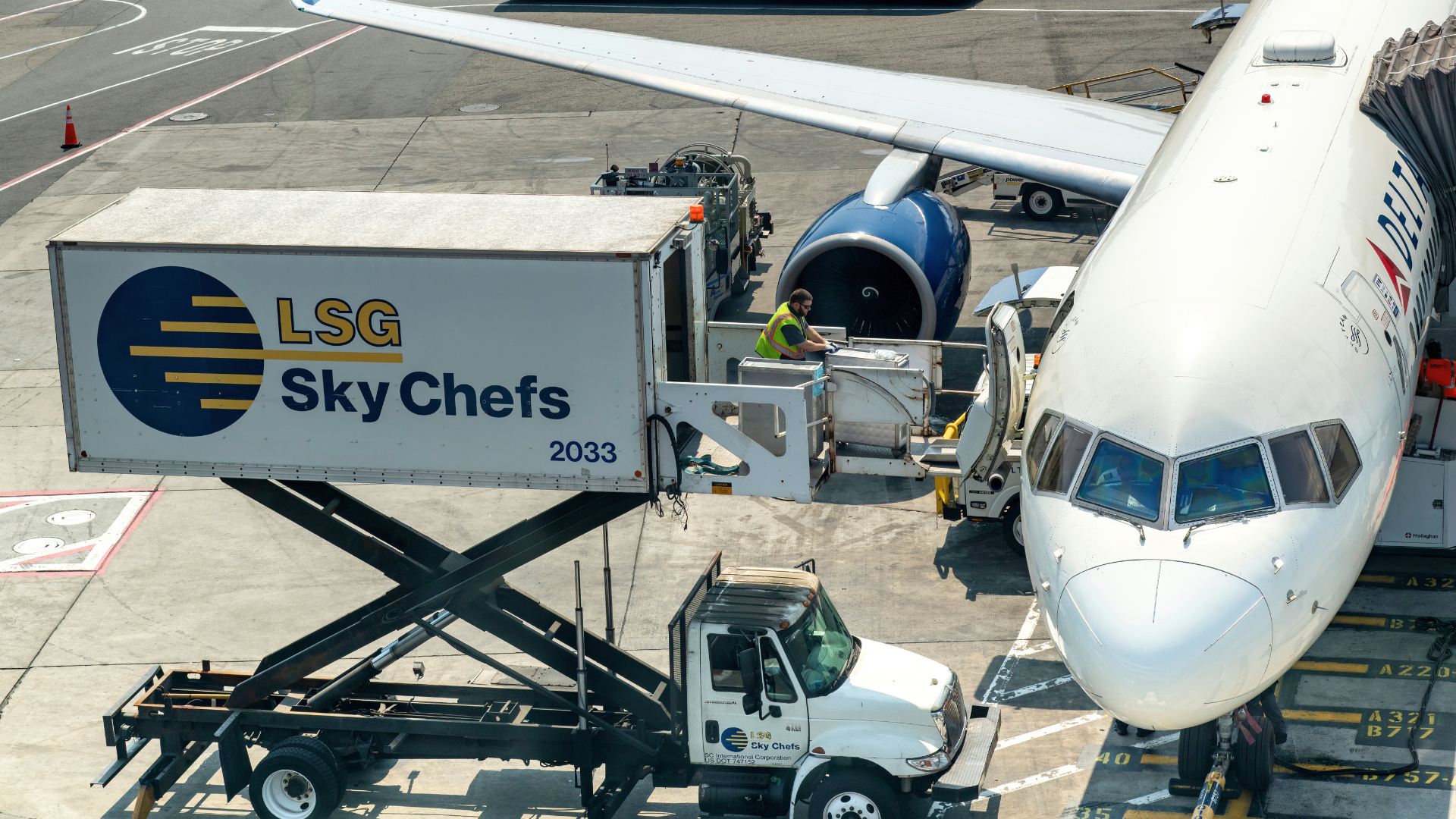
Under the new policy, passengers in the main cabin and comfort seating will no longer receive snacks or beverages on short-haul flights. These cuts apply to routes under about 349 to 350 miles, which typically last around an hour or less. First-class passengers will continue to receive full service regardless of flight distance. The airline says longer flights will actually see improved offerings in exchange for the cuts on shorter routes.
Around 450 Daily Flights Affected
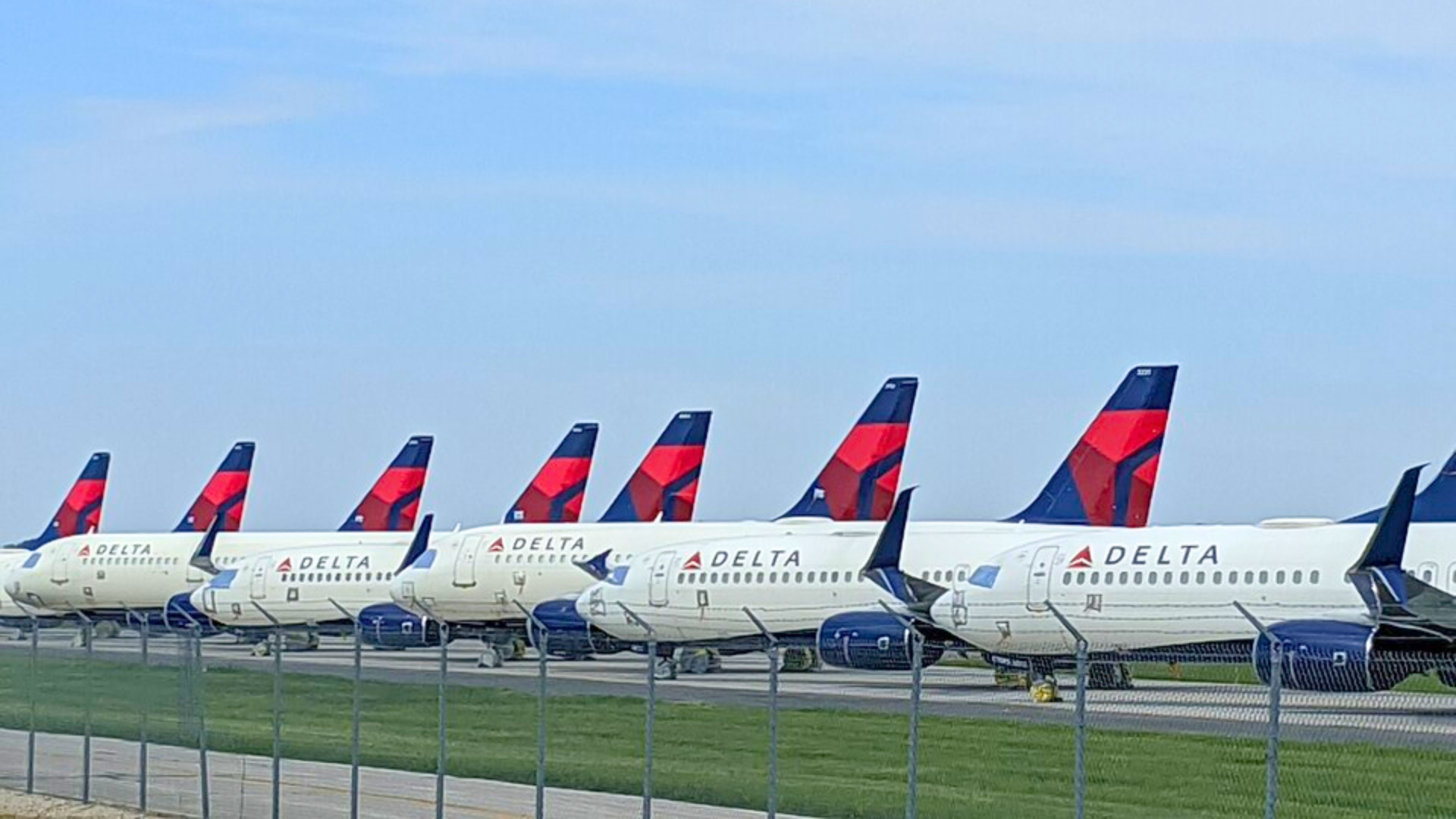
The policy will impact approximately 450 daily flights, representing nearly 9 percent of the airline’s total operations. These routes are often short regional connections between nearby cities. While each flight is brief, the cumulative number of affected passengers is significant. The scale of the change has contributed to the strong reaction from frequent flyers.
Expansion of Previous Service Cuts
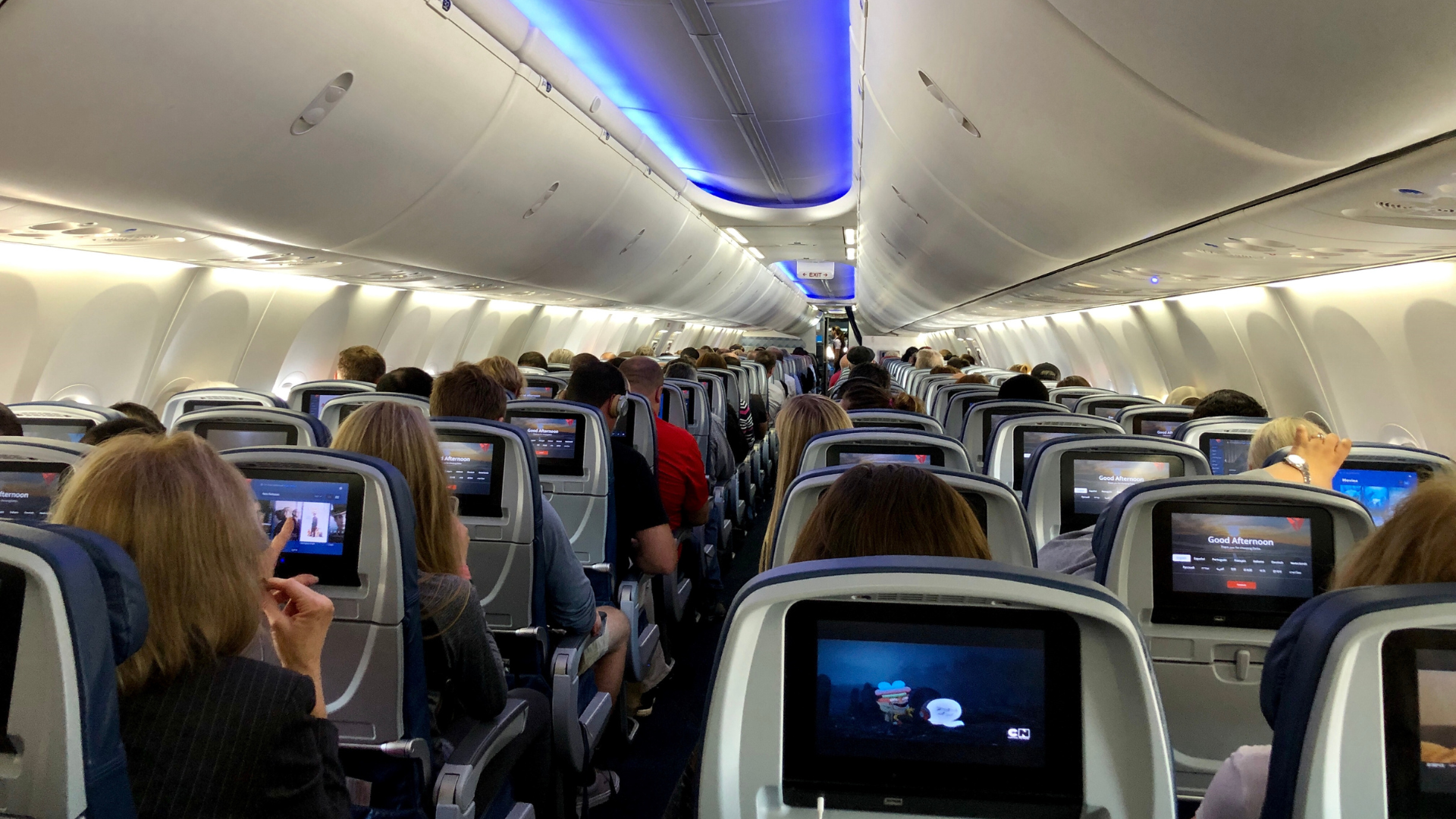
This is not the first time Delta has reduced onboard service for short routes, as it previously eliminated snacks and drinks on flights under 250 miles back in 2015. The new policy expands that threshold to include flights up to 350 miles. Over time, the airline has gradually shifted from full service to limited or no service on shorter routes. The latest move represents the most significant expansion of those earlier changes.
Airline Says It’s About Consistency
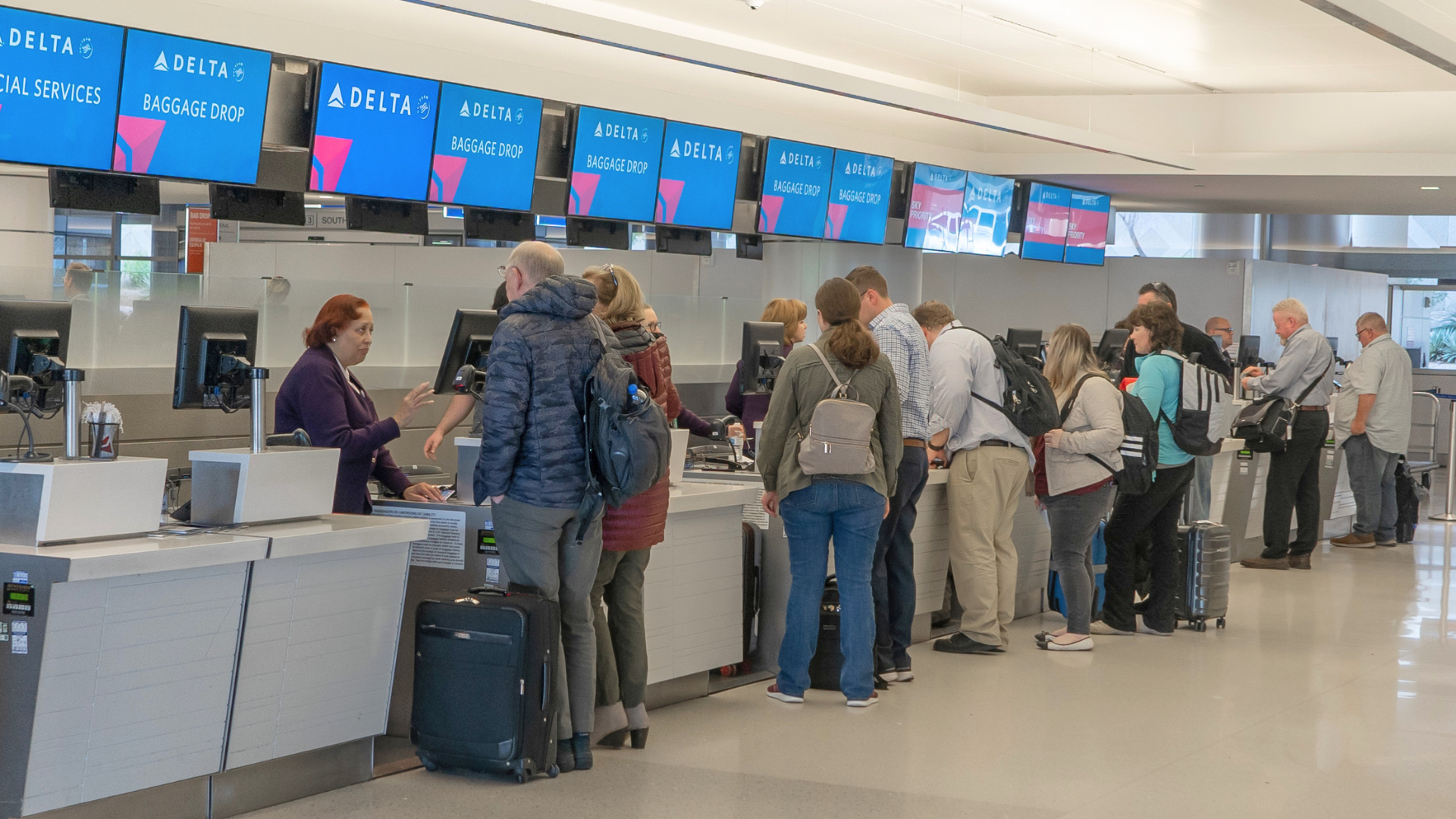
Delta has defended the decision by saying it aims to create a more consistent experience across its network. By simplifying service tiers, the airline believes it can streamline operations and reduce confusion for passengers. Officials also emphasized that flight attendants will remain attentive and available even without food or drink service. The company frames the change as an operational improvement rather than a downgrade.
Passengers React With Frustration
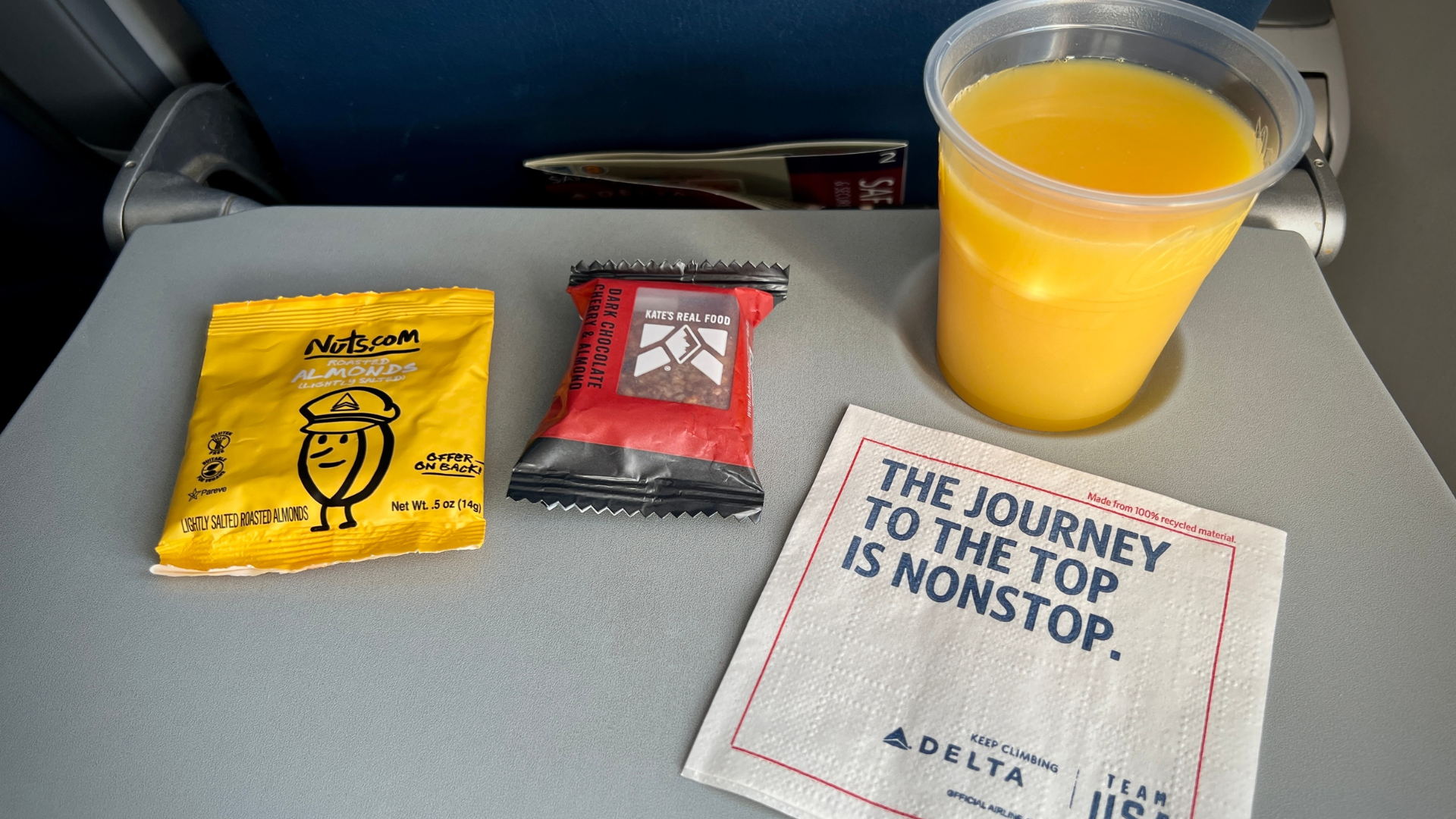
Many passengers have reacted negatively, especially those who view Delta as a premium airline compared to competitors. Social media complaints highlight frustration over losing complimentary perks while ticket prices remain high. Some travelers say even short flights should include basic amenities like water or snacks. The backlash reflects broader dissatisfaction with declining airline services.
Industry Pressures Behind the Decision
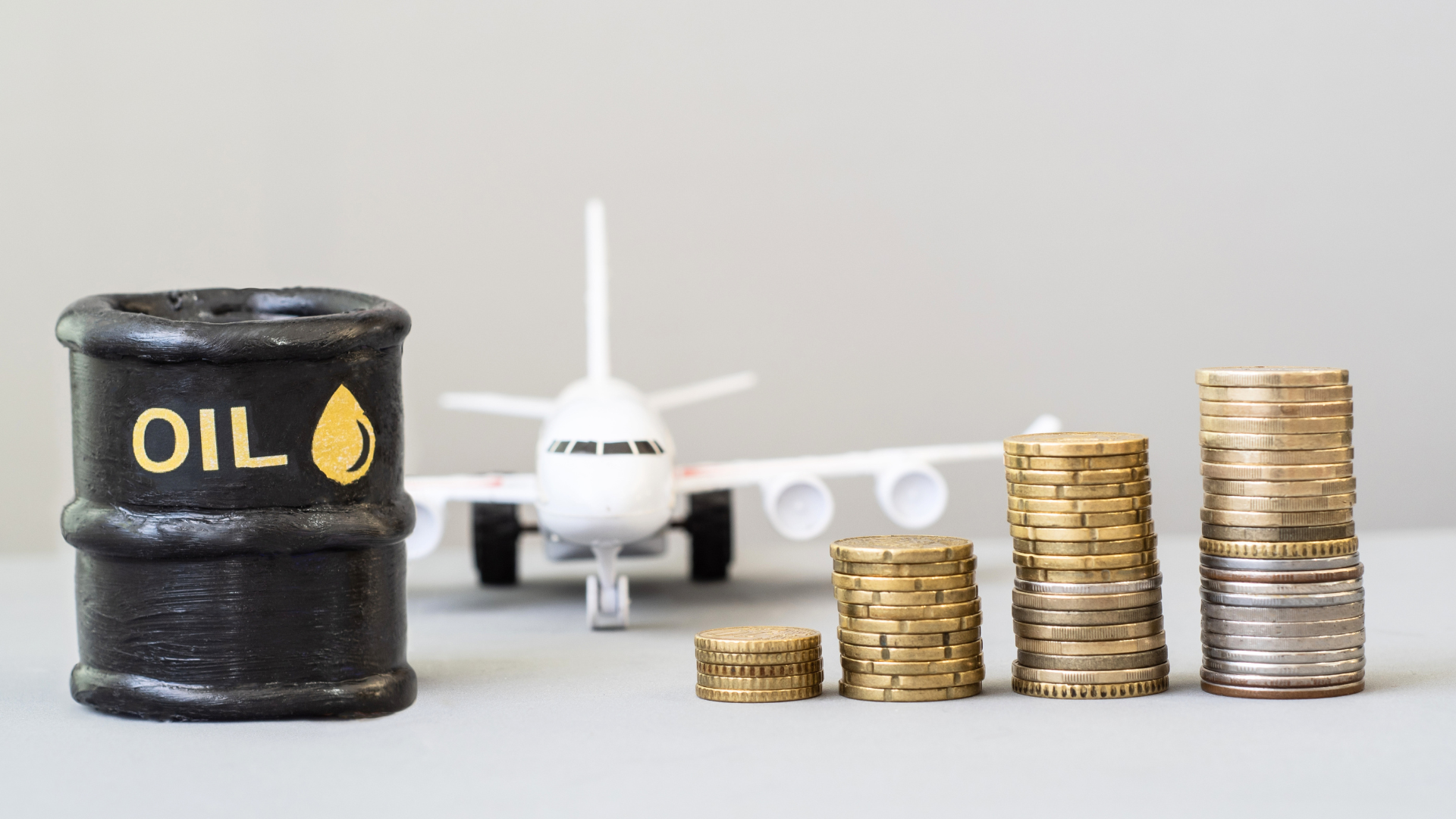
The change comes amid rising fuel costs and broader financial pressures across the airline industry. Airlines are looking for ways to reduce expenses while maintaining profitability in a competitive market. Operational efficiency, including faster boarding and reduced service time, is becoming a priority. These pressures are driving many carriers to rethink traditional onboard offerings.
Longer Flights Will See Improved Service
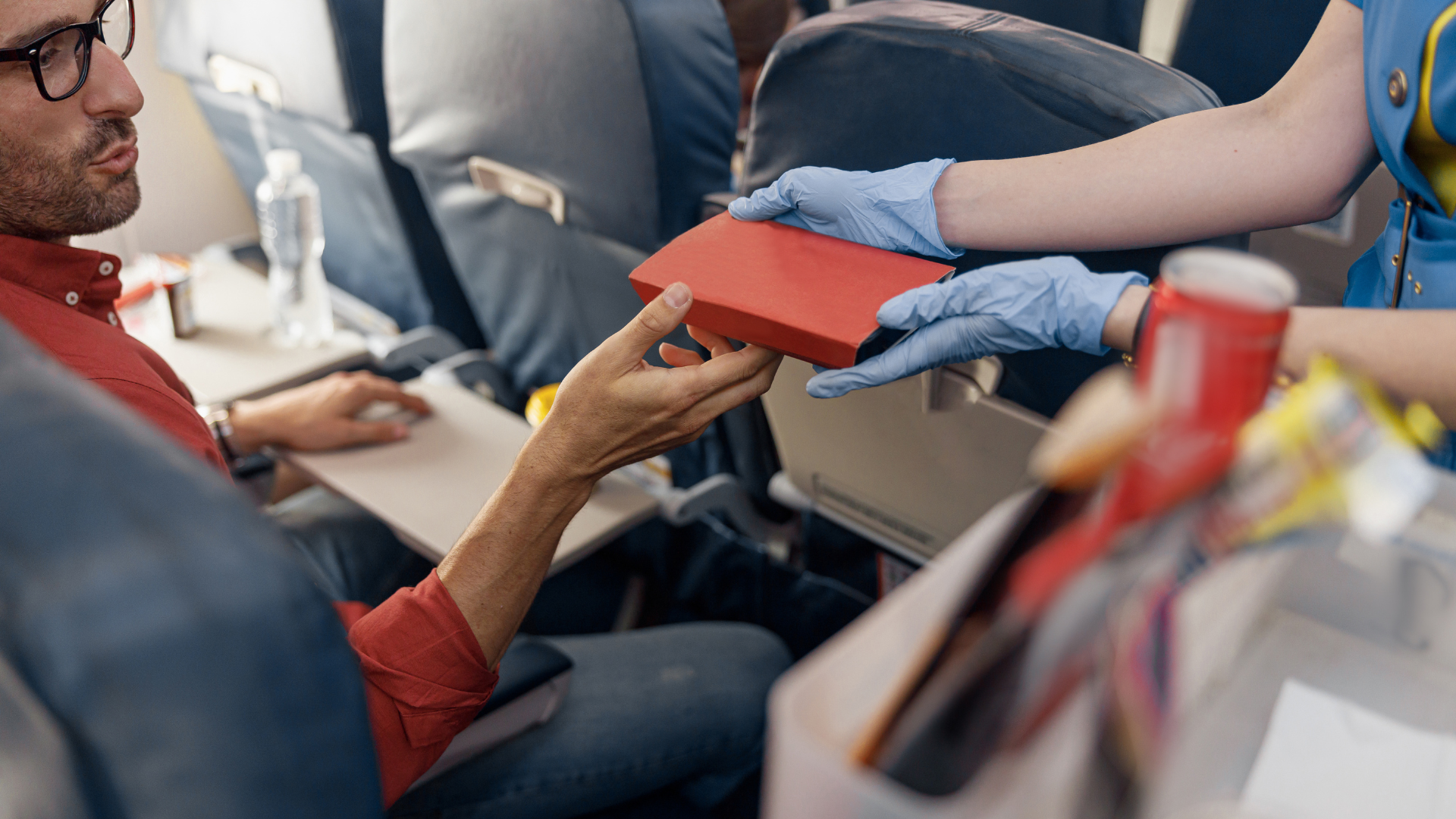
While short flights lose service, Delta says passengers on longer routes will benefit from enhanced offerings. Flights over 350 miles will now include full snack and beverage service for more passengers than before. This shift is part of a broader restructuring of onboard service tiers. The airline hopes the upgrades will offset criticism over cuts on shorter routes.
Travelers May Need to Bring Their Own Snacks
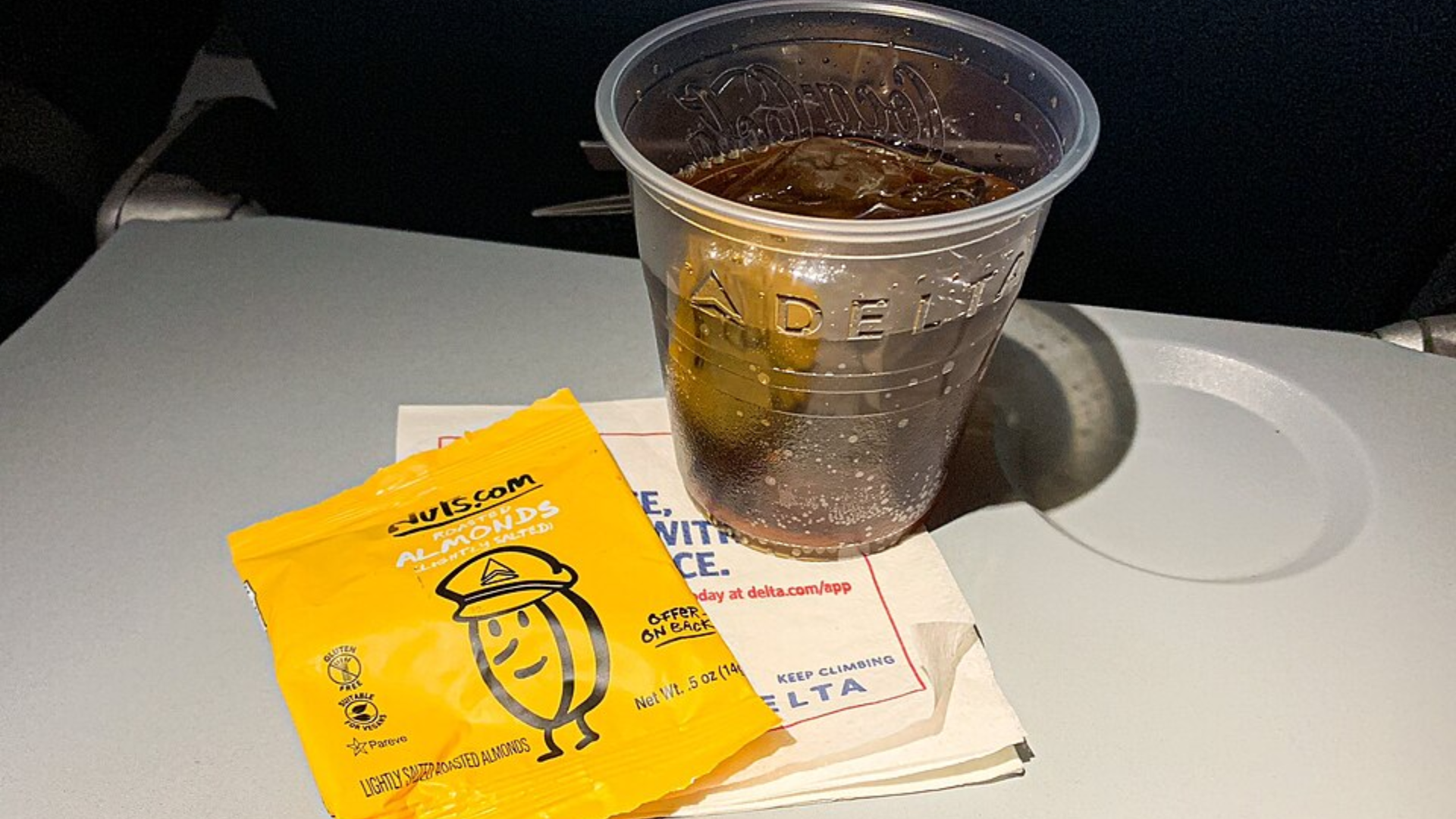
With no onboard service on many short flights, passengers are now being advised to bring their own food and drinks. This change alters expectations for even routine, short-distance travel. Travelers may need to plan ahead, especially on early morning or tightly scheduled trips. The shift marks a clear departure from the traditional in-flight experience many customers expect.
A Small Change With Big Impact on Perception
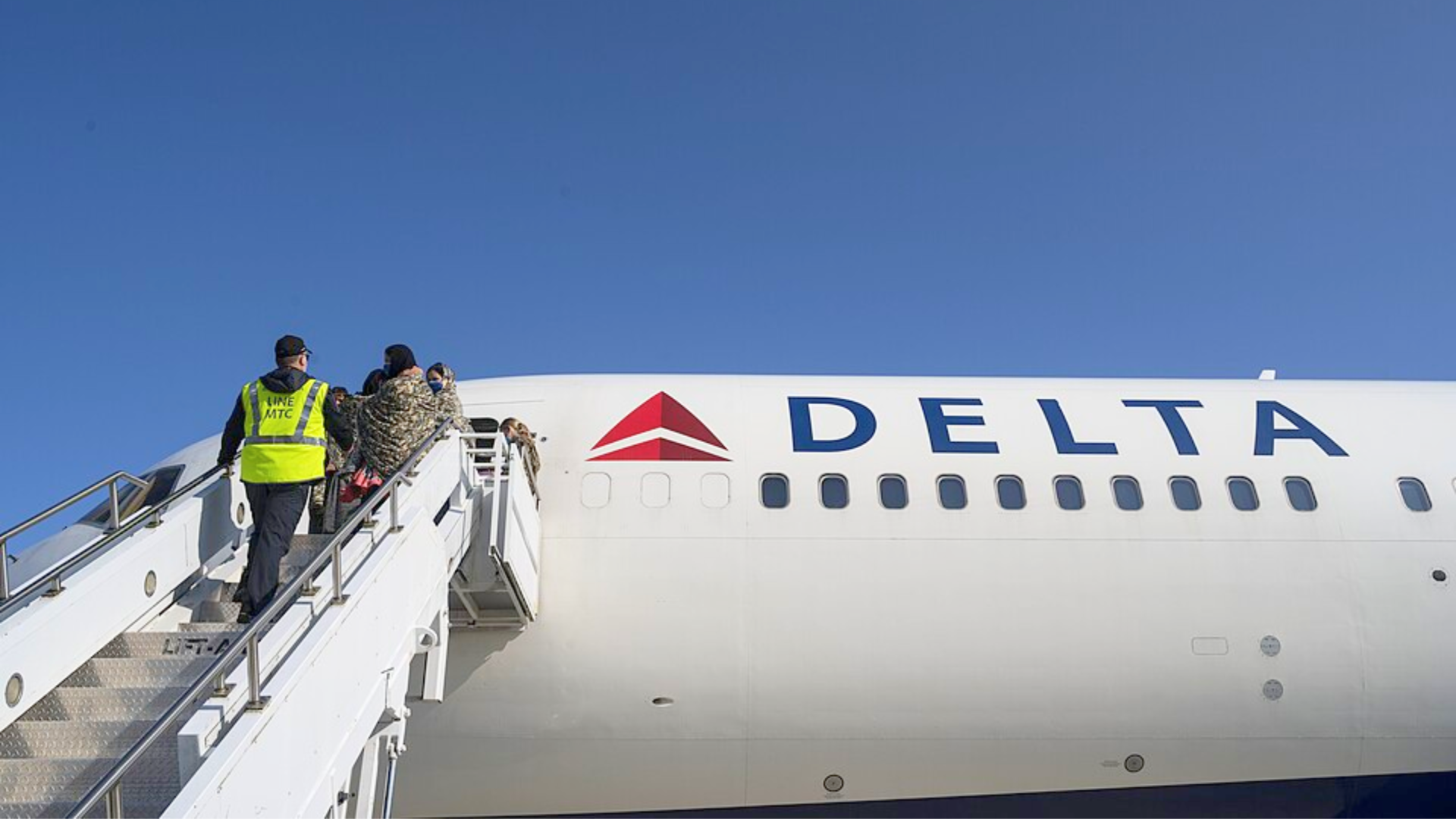
Delta’s decision to eliminate snacks and drinks on short flights may seem minor, but it has sparked a significant reaction among travelers. The move highlights a broader trend of airlines trimming services while trying to balance rising costs and operational efficiency. For passengers, the change represents another shift in what they can expect from air travel. As the industry evolves, even small adjustments can have a major impact on customer perception.