Dell Plans to Move Its Legal Home From Delaware to Texas as Corporate Relocations Near $3 Trillion
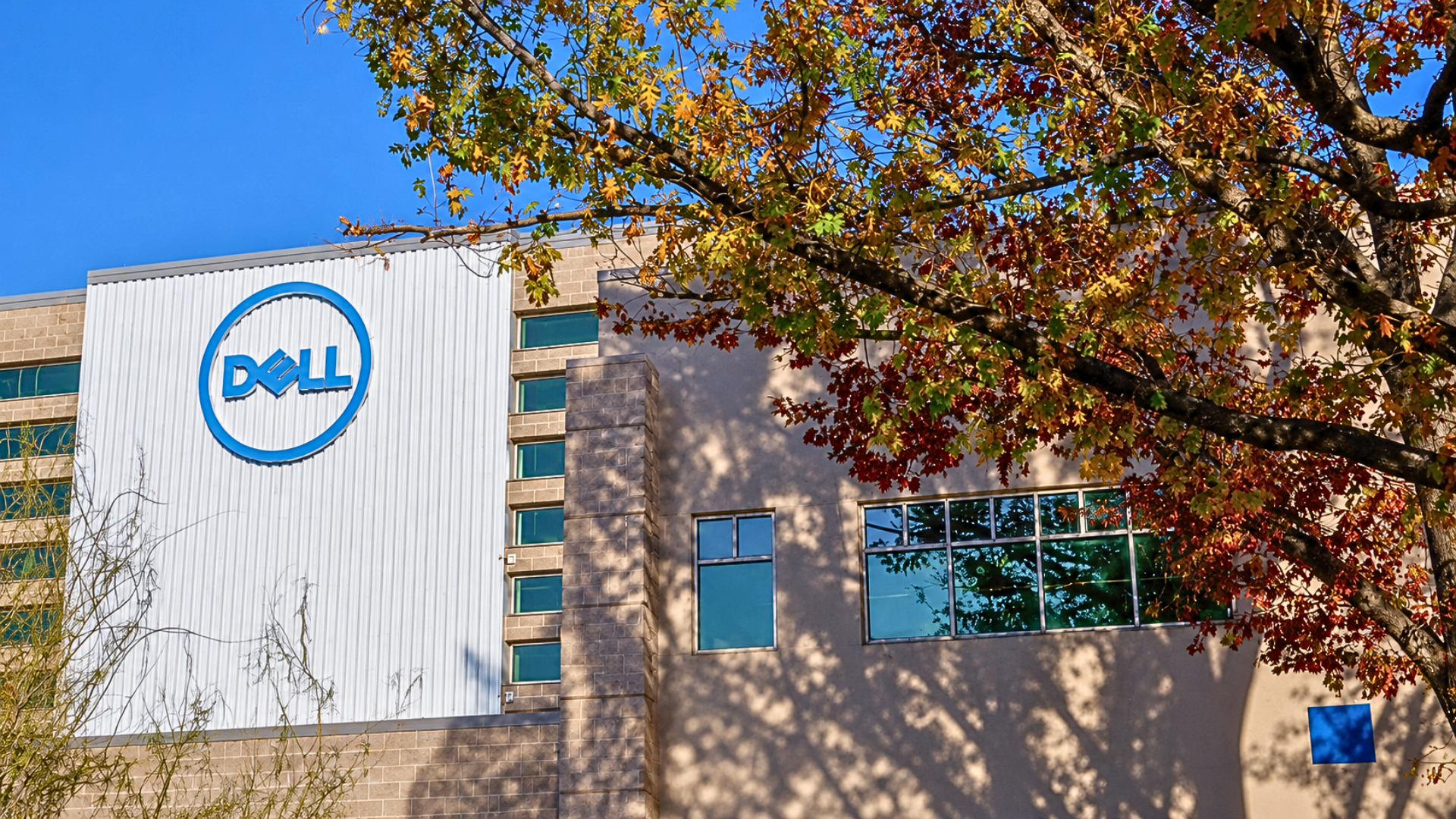

More than 60 public companies representing over $3 trillion in combined market value have exited Delaware as their legal home in recent years, and Dell Technologies just became the most prominent name to join them. The company’s board unanimously approved a plan to reincorporate in Texas, ending a long-standing arrangement that placed its legal address in a state where it has never actually operated. For the average American with a 401(k), a pension, or stock in any of these companies, the shift represents one of the largest quiet realignments in corporate law in modern history.
Dell was founded by Michael Dell in Austin in 1984 and has been headquartered in Round Rock, Texas ever since. Its Delaware incorporation was a legal formality, not a reflection of where the business lives, where its employees work, or where its decisions get made. With a market capitalization of roughly $137.6 billion, Dell’s departure carries significant weight. “Bringing our legal home to Texas reflects what we’ve been building here all along,” CEO Michael Dell said in the announcement. The company stated the change will not affect its operations, employees, or corporate strategy.
Delaware’s position as the default legal home for American corporations was built over more than a century, largely on the strength of its Court of Chancery, a specialized business court that handled corporate disputes with a depth of expertise found nowhere else in the country. Roughly 60% of Fortune 500 companies have historically been incorporated there. That dominance is now eroding. Tesla, Coinbase, Dropbox, Roblox, and Samsara are among the companies that have already made the move away. Dell’s addition to that list is a signal the trend is not slowing down.
The Legal Environment Driving Companies Out of Delaware

The primary reason companies cite for leaving Delaware centers on the litigation climate surrounding its Court of Chancery. Corporate executives and legal analysts have increasingly described the court as a venue where shareholder lawsuits, often described by defendants as opportunistic, are filed at high rates and settled quickly, with the financial benefits flowing primarily to plaintiff law firms rather than to the shareholders the suits nominally represent. The cost of that dynamic, absorbed by corporations through legal expenses and higher insurance premiums, has become a recurring boardroom concern.
Dell’s own experience with the Delaware court system is directly relevant. In 2023, Dell settled a shareholder lawsuit for $1 billion, the largest settlement in Delaware Chancery Court history at the time. The court awarded five plaintiff law firms involved in the case a combined fee of $267 million. That outcome drew attention well beyond Dell, as it illustrated how the financial structure of litigation in Delaware can result in substantial payouts for legal firms regardless of whether shareholders ultimately benefit in a meaningful way.
Karen Harned, a former director of the National Federation of Independent Business Legal Center, wrote in DelawareOnline.com that Delaware’s court is “increasingly viewed by corporate leaders as unpredictable, with rulings that introduce uncertainty into routine business decisions and open the door for enterprising trial attorneys to file lucrative lawsuits.” That concern, repeated by executives across industries and company sizes, has moved from background noise to a concrete factor in incorporation decisions. More companies have already announced shareholder votes to follow the same path, suggesting the pace of departures is unlikely to slow in the near term.
How Texas Built a System Designed to Compete With Delaware

Texas did not become the leading destination for departing Delaware companies by accident. In 2024, the state launched the Texas Business Court, a specialized court built specifically to handle complex corporate disputes. Business leaders who have evaluated both systems describe the Texas framework as more codified and consistent compared to Delaware’s reliance on accumulated case law, which critics argue introduces interpretive variability that makes outcomes harder to predict. The court’s creation sent a clear signal that Texas was building the institutional infrastructure necessary to compete for corporate registrations at scale.
The appeal extends beyond the courtroom. Texas has no state income tax, a regulatory environment that business surveys consistently rank as favorable, and a concentration of existing corporate operations that makes legal reincorporation feel like a natural alignment rather than a disruption. For Dell specifically, the gap being closed is straightforward: the company has operated in Texas for more than four decades, employs thousands of Texans, and is making its legal address consistent with that four-decade reality. Texas Governor Greg Abbott welcomed the announcement, stating that companies thrive when they are “welcomed, not punished.”
Dell is not the only major company that has made this kind of decision recently. Exxon Mobil, with a market capitalization above $600 billion, moved its incorporation from New Jersey to Texas, bypassing Delaware entirely. Samsara, a NYSE-listed technology company with a market cap exceeding $17 billion, completed its move from Delaware to Nevada following a shareholder vote announced last week. The pattern across these decisions points to something broader than individual company preferences: a structural reassessment of where American corporations choose to be legally registered and why.
What the Shift Means for Delaware and for Everyday Americans

The financial consequences for Delaware are real and accumulating. The state has historically depended on incorporation fees and the legal industry surrounding the Court of Chancery as a significant source of budget revenue. As companies with trillions in combined market value exit, the revenue implications compound year over year. Delaware is a small state with a large corporate registry, and the fees generated by that registry have long funded a meaningful share of state government operations. The structural exposure created by the ongoing departures is a fiscal problem that does not resolve itself quickly.
For ordinary Americans, the relevance of where a corporation is legally incorporated can seem abstract. But incorporation jurisdiction affects how shareholder rights are enforced, how executive compensation decisions are challenged, and how corporate disputes are ultimately resolved. Pension funds, retirement accounts, and individual investors in companies like Dell have a stake in whether the legal system governing those companies produces predictable, fair outcomes. The argument companies are making when they leave Delaware is that the current system no longer reliably delivers that, and that argument is landing with enough boards to produce a measurable trend.
Dell shareholders are expected to vote on the reincorporation proposal at the company’s annual meeting on June 25. If approved, the move formalizes an alignment between legal address and operational reality that the company says is long overdue. Whether Delaware can reverse the momentum by reforming its legal environment, or whether the state’s century-old dominance in corporate law continues to erode, remains genuinely open. What is no longer open is whether the exodus is real. At over $3 trillion in departed market value and more votes pending, the shift is well past the point of being dismissed as a trend. It is a structural change in American corporate geography, and it is still accelerating.