Data Shows US Economic Growth Is Up. So Why Are Americans So Miserable?


Americans are expressing an increasingly negative view of the economy, even as several traditional indicators suggest that conditions remain relatively stable. Measures such as economic growth, employment levels, and stock market performance continue to show resilience, yet public confidence has fallen to historic lows.
Recent surveys reveal a sharp decline in optimism about financial opportunity. Many people no longer believe that hard work alone is enough to improve their economic circumstances. This shift reflects a broader sense of frustration that cuts across age groups, genders, and backgrounds, suggesting that concerns extend far beyond political preferences or demographic differences.
At the center of these concerns is a simple but powerful issue: affordability. For many households, rising expenses continue to overshadow positive headlines about the economy. While official reports may point to growth, families often evaluate economic health through their ability to pay bills, manage debt, and maintain their standard of living.
Why Rising Prices Continue To Shape Public Opinion
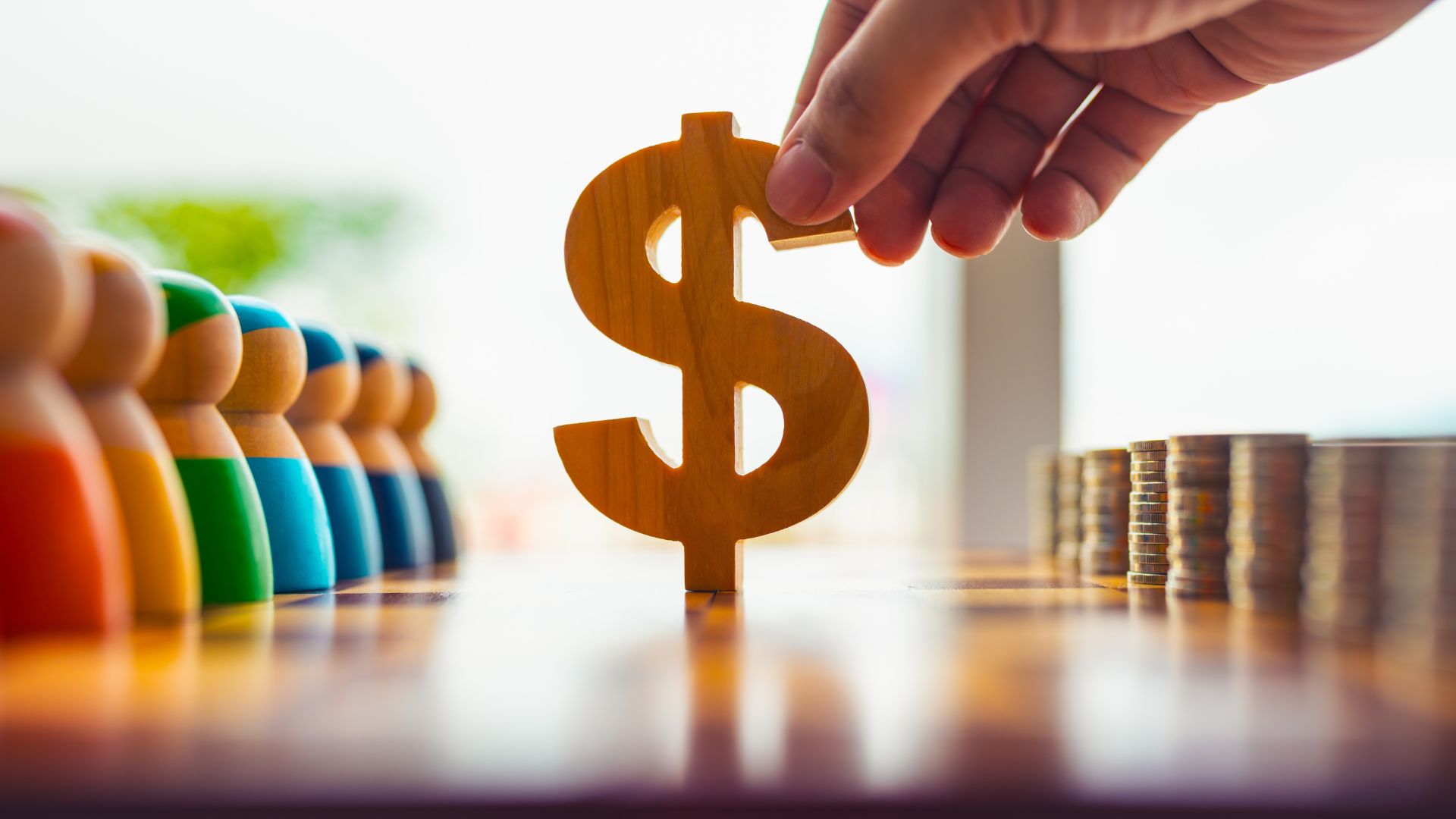
Although inflation has eased compared to its highest levels in recent years, many consumers still feel the effects of higher prices. Everyday essentials, including housing, food, transportation, and energy, remain significantly more expensive than they were just a few years ago.
Recent economic reports have added to these concerns. Inflationary pressures have shown signs of persistence, while some measures indicate that wage growth is no longer keeping pace with increases in consumer costs. When earnings fail to stretch as far as they once did, households often experience a decline in financial confidence regardless of broader economic performance.
Producer prices have also risen, a development that economists frequently monitor because it can signal additional price increases in the future. As a result, many consumers fear that the financial strain they are currently experiencing may not disappear anytime soon, reinforcing a sense of uncertainty about what lies ahead.
How Expectations Changed The Way Americans View The Economy

Economists have long debated why public sentiment appears considerably worse than many economic indicators would suggest. Some point to factors such as income inequality, political division, or the influence of social media. However, these explanations do not fully account for the timing of the recent decline in consumer confidence.
During much of the 2010s, Americans generally viewed the economy positively. Consumer confidence remained relatively strong under different administrations, despite the existence of political polarization and widespread social media use. The dramatic shift emerged largely after the pandemic and the inflationary period that followed.
According to a recent economic theory, the issue may be less about current conditions and more about expectations. For decades, Americans became accustomed to relatively stable prices. Many workers spent most of their lives in an environment where inflation remained low and predictable. When prices suddenly surged in the early 2020s, the experience felt unfamiliar and disruptive, creating a gap between what people expected the economy to look like and what they actually encountered.
The Lasting Impact Of The Affordability Crisis

This expectation gap may help explain why dissatisfaction remains so intense today. Previous generations experienced periods of high inflation, but many younger Americans had never faced a similar environment. As a result, recent price increases have been interpreted not merely as a temporary economic challenge, but as evidence that something fundamental has changed.
Researchers examining consumer sentiment have found that perceptions of affordability play an increasingly important role in shaping how people evaluate the economy. Even when employment remains strong and growth continues, persistent concerns about purchasing power can outweigh those positive developments in the public mind.
For many households, the key question is not whether the economy is growing, but whether daily life feels more affordable. Until consumers begin to see meaningful relief from elevated costs, optimism may remain difficult to restore. Economic statistics can tell one story, but personal financial experiences often tell another, and it is that reality that continues to influence how Americans feel about the state of the economy.