Cyclist Crashes Are Surging Across the US. Do Drivers Just Not Want Them on the Road?
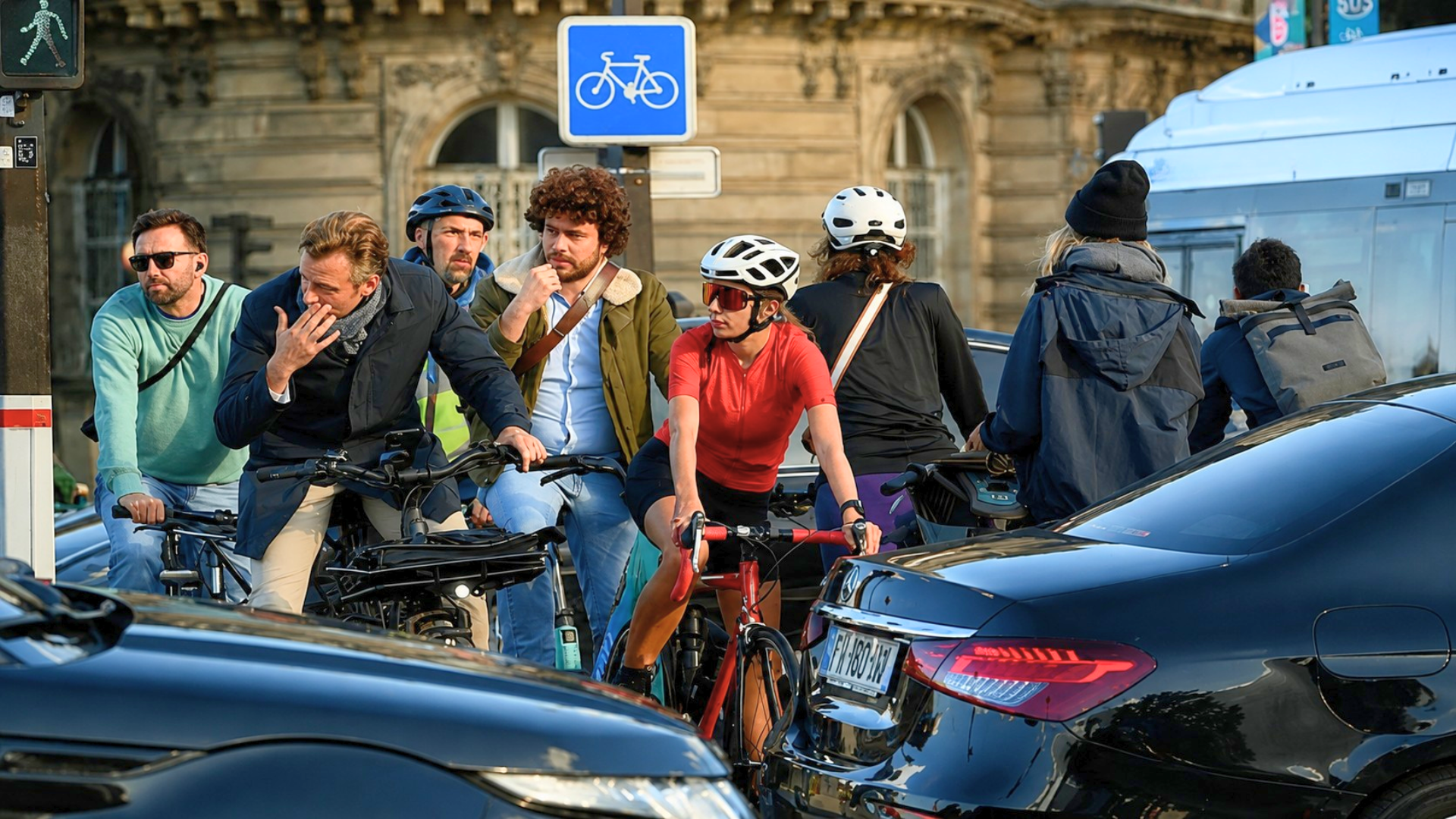

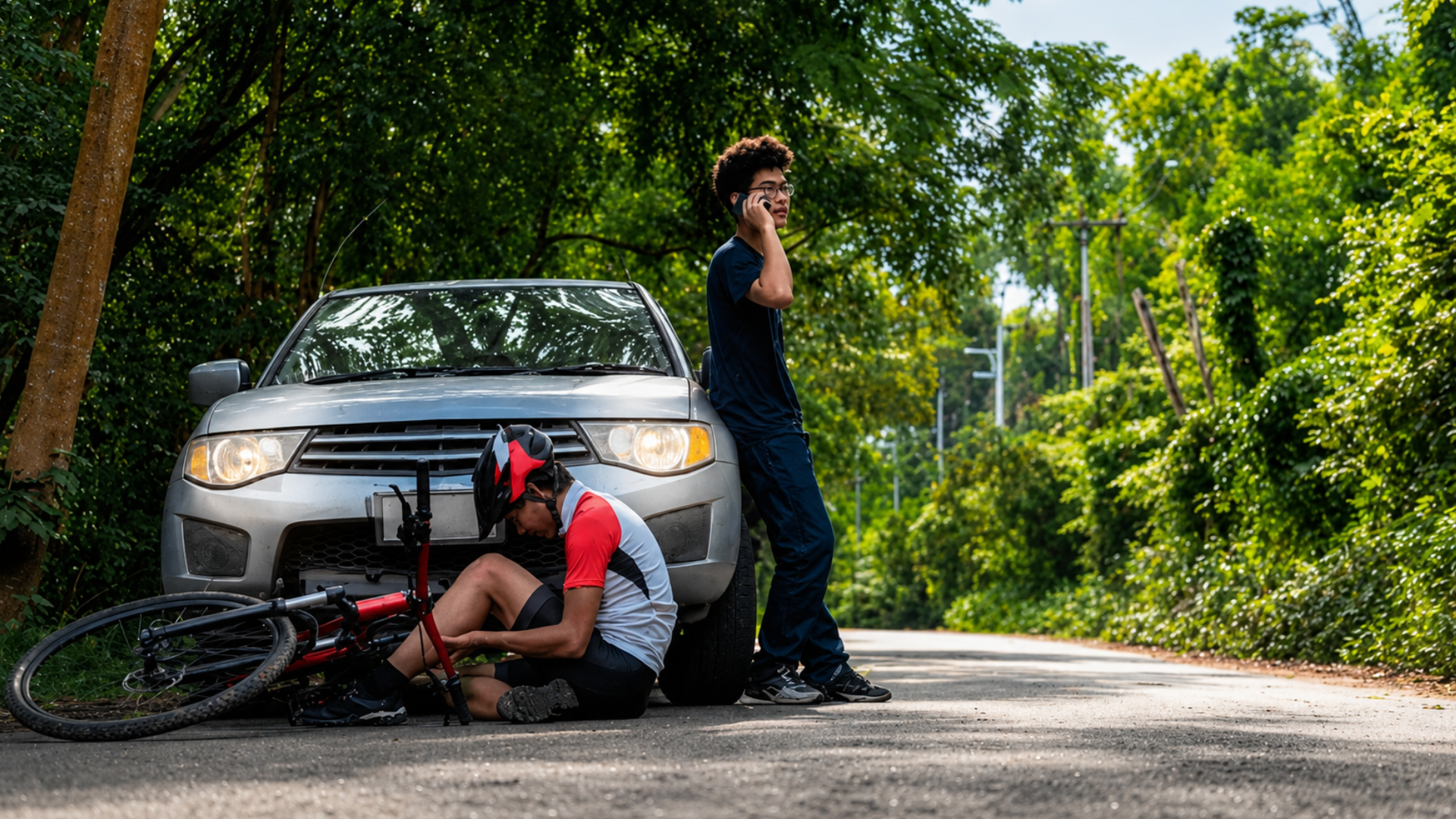
A man in Florida allegedly fired a gun from his truck at a group of boys riding bikes. A driver in Southern California was caught on video tailgating cyclists in a bike lane until one had to jump onto a curb. A Georgia driver was charged with aggravated assault after allegedly striking a group of riders with his SUV. These weren’t isolated incidents. They all happened within weeks of each other in the spring of 2026, and they point to a pattern that has been building for years.
The Numbers Keep Getting Worse
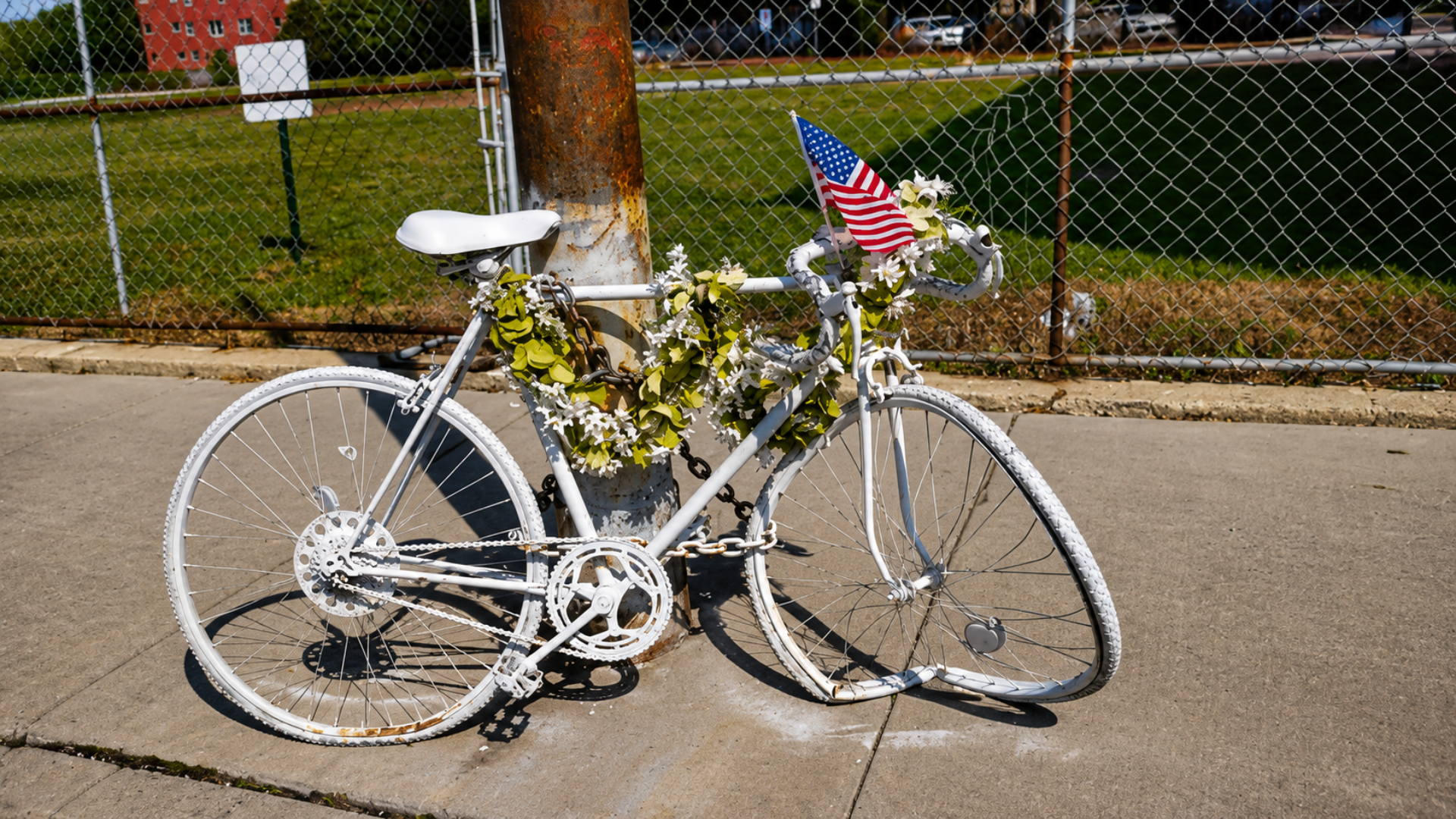
Cyclist deaths in the United States have risen sharply, and 2024 set a grim record. According to the League of American Bicyclists, 1,166 cyclists died in traffic crashes that year, the highest total since at least 1980. That represents an 87% increase from the all-time low recorded in 2010. The Insurance Institute for Highway Safety notes the sharpest increases have come among men over the age of 20, while child cyclist fatalities have actually declined.
More Riders, Same Roads
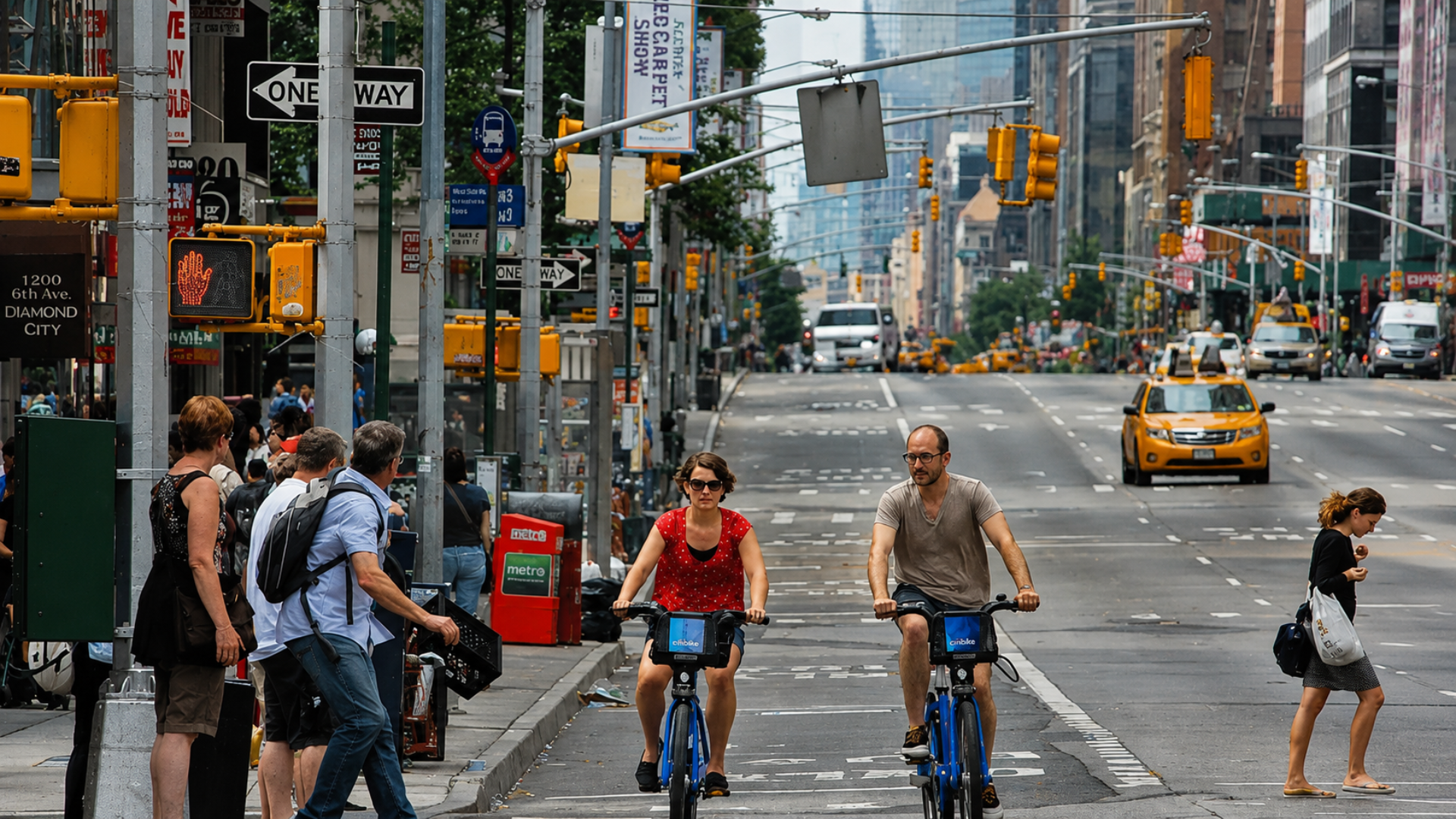
Part of what is driving the numbers is simple math: there are more cyclists sharing roads designed almost entirely for cars. A PeopleForBikes study found that 112 million Americans rode a bike at least once in 2024, the highest participation rate since the organization began tracking data a decade ago. Meanwhile, vehicle traffic has largely rebounded after the brief lull early in the COVID pandemic. The result is more bikes and more cars competing for the same finite space.
Infrastructure Built for One Winner
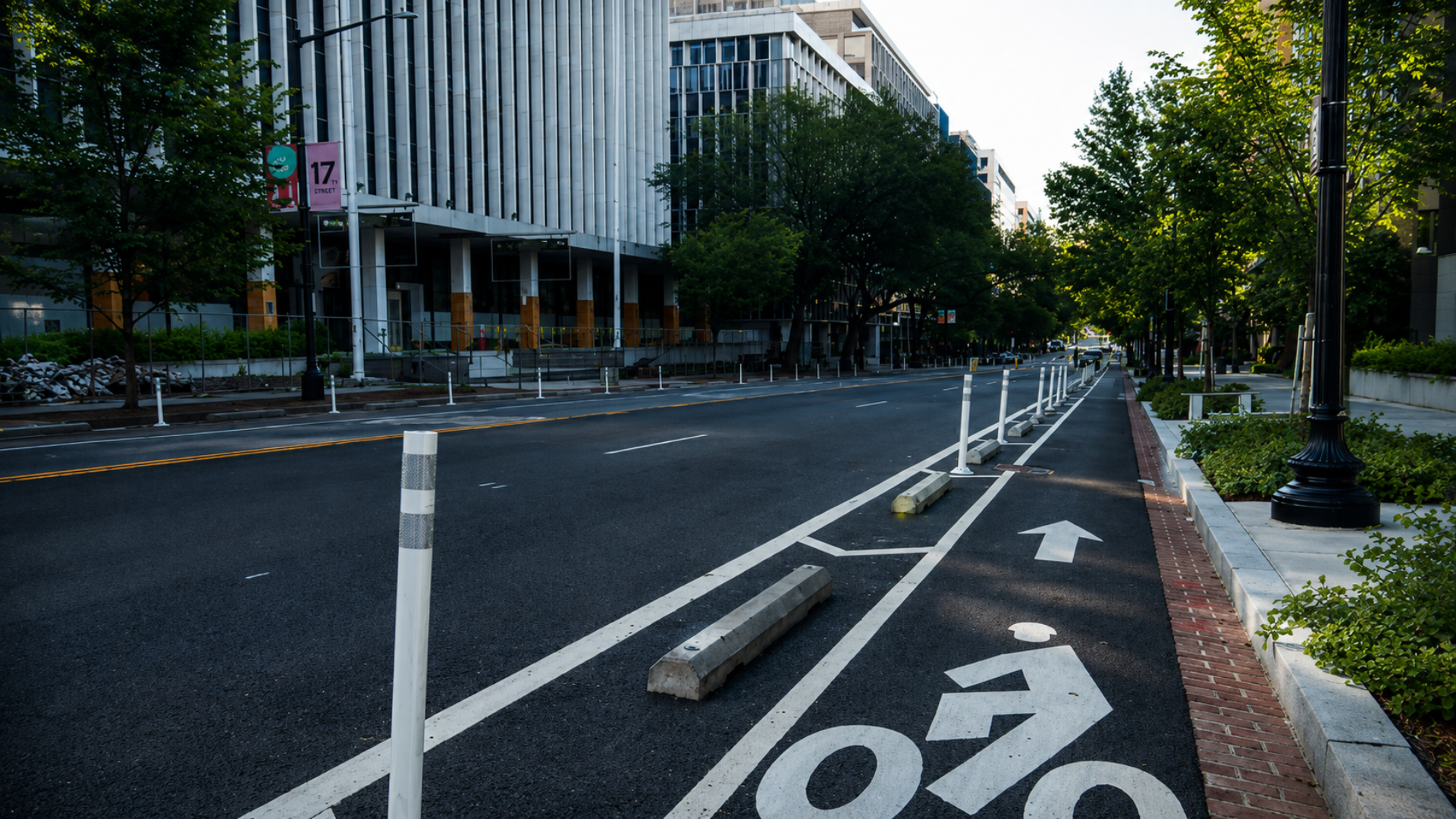
The surge in riders has not been matched by a surge in safe places to ride. According to Liza Von Hagen, a transportation planning expert, the country has encouraged cycling for its health and environmental benefits without actually building the infrastructure to support it. Bike lanes, where they exist, are often too narrow, routinely blocked by parked cars, or cluttered with garbage cans and seasonal debris. Without physical barriers separating cyclists from traffic, a painted lane offers limited protection.
The Psychology of Road Rage
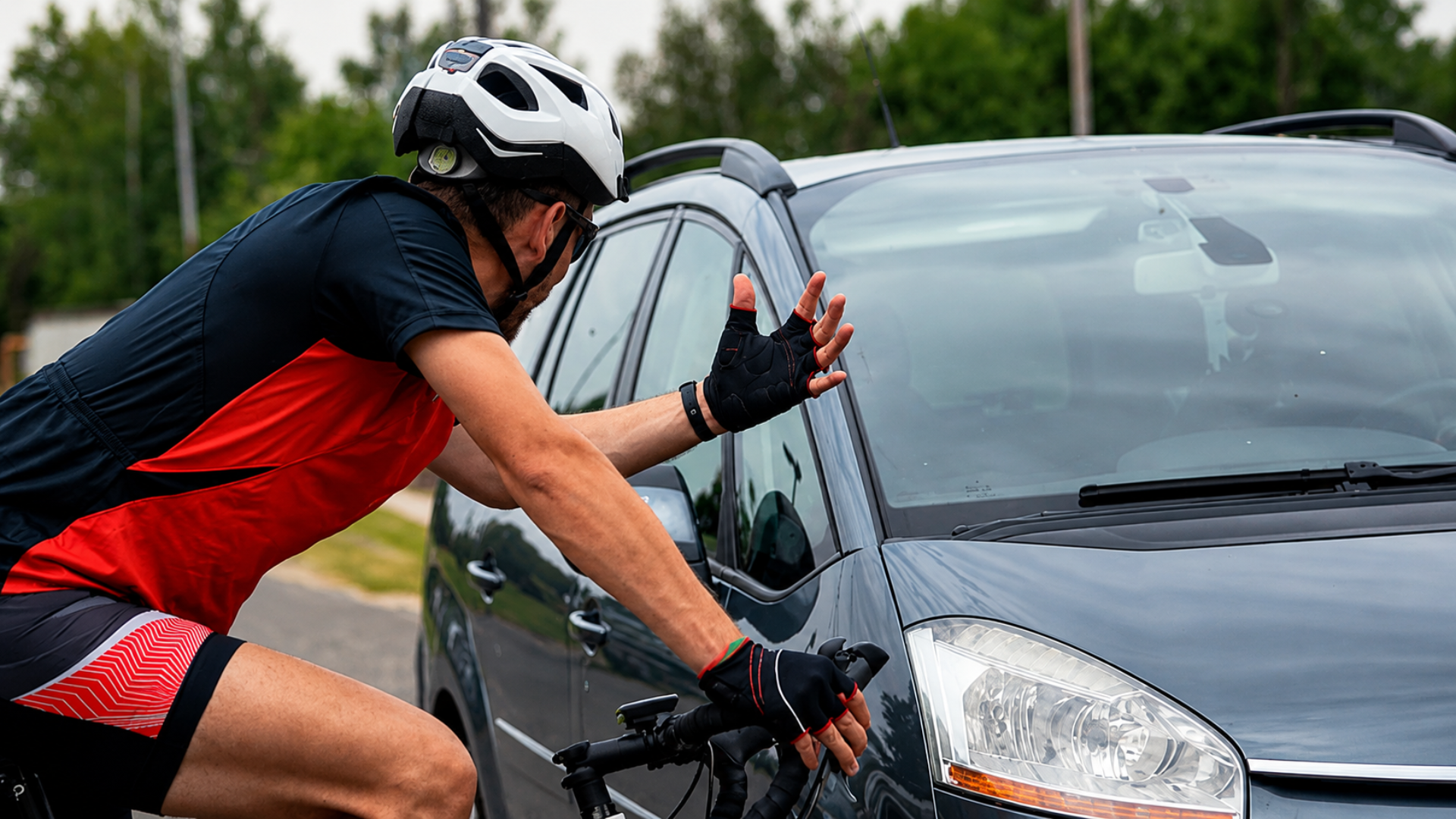
When drivers and cyclists clash, the conflict often starts before anyone touches a brake pedal. Dwight Hennessy, chair and professor of psychology at Buffalo State University, says drivers tend to expect the road to move at car speed, and cyclists represent an obstacle to that expectation. Cyclists, meanwhile, are acutely aware of their own vulnerability and may read a driver getting too close as reckless or intentional. “I don’t think either side really thinks about the other’s perspective,” Hennessy told USA TODAY.
Aggression Travels in Both Directions
Cyclists are not always the passive party. Hennessy, who rides regularly himself, says some cyclists are deliberately antagonistic toward drivers, escalating situations that might otherwise pass without incident. Road-rage triggers are the same regardless of who is behind the wheel or the handlebars: feeling disrespected, feeling cut off, or perceiving a minor inconvenience as a personal attack. People who already carry a shorter fuse tend to find those triggers everywhere, and the close quarters of shared roads amplify every perceived slight.
When Following the Rules Is Not Enough
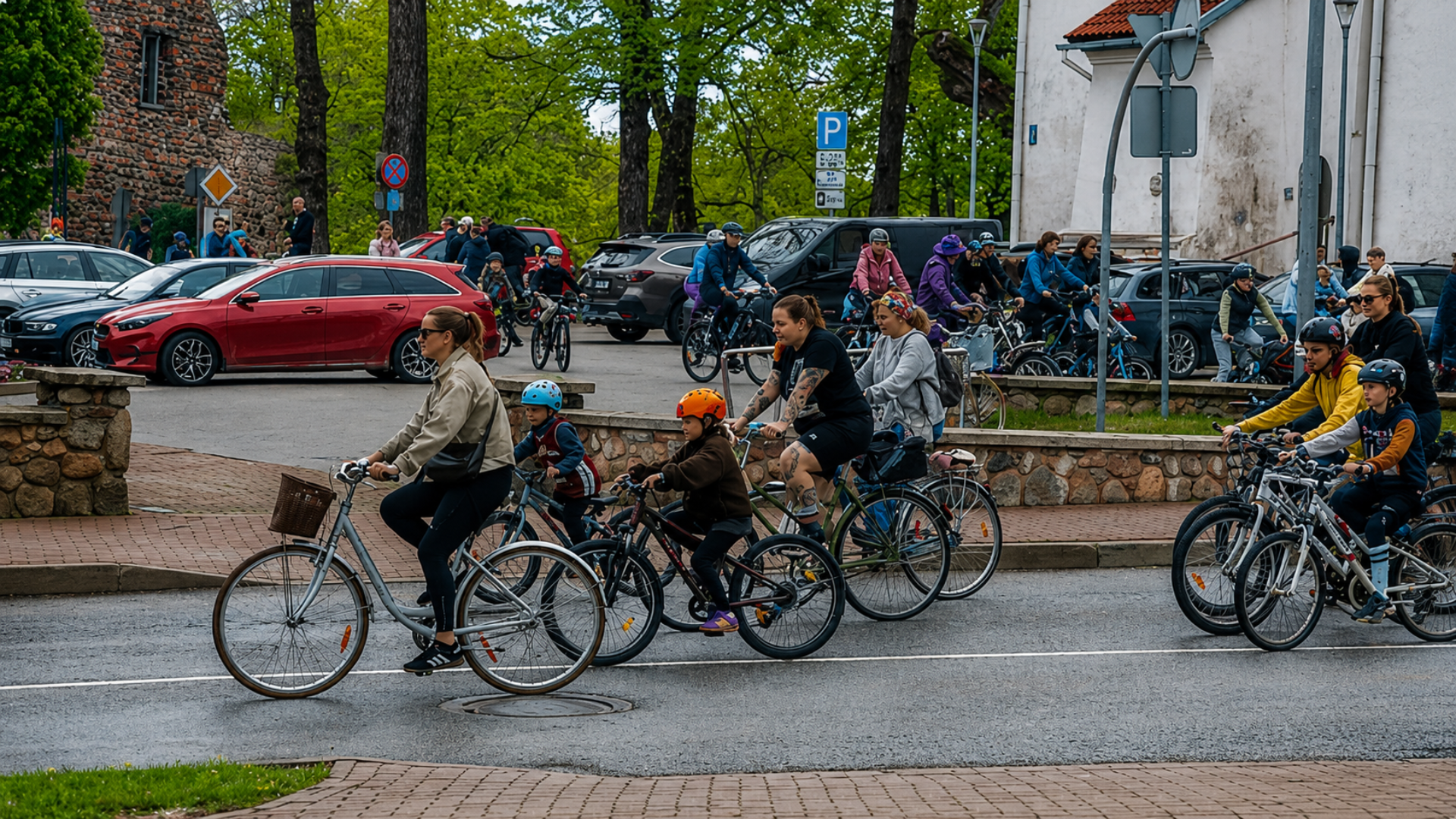
On May 9, 2026, a group of cyclists riding legally through DeLand, Florida, was struck by a pickup truck crossing into their lane. Florida Highway Patrol determined the driver of the 2015 Chevy Silverado was asleep or fatigued. At least seven of the 13 riders were hit. Three sustained serious injuries, including Ryan Flesch, a manager at JC’s Bike Shop in DeLand, who suffered a broken ankle and severe damage to his hand. Whether he will regain full use of it remains uncertain.
The Danger Hidden in Plain Sight
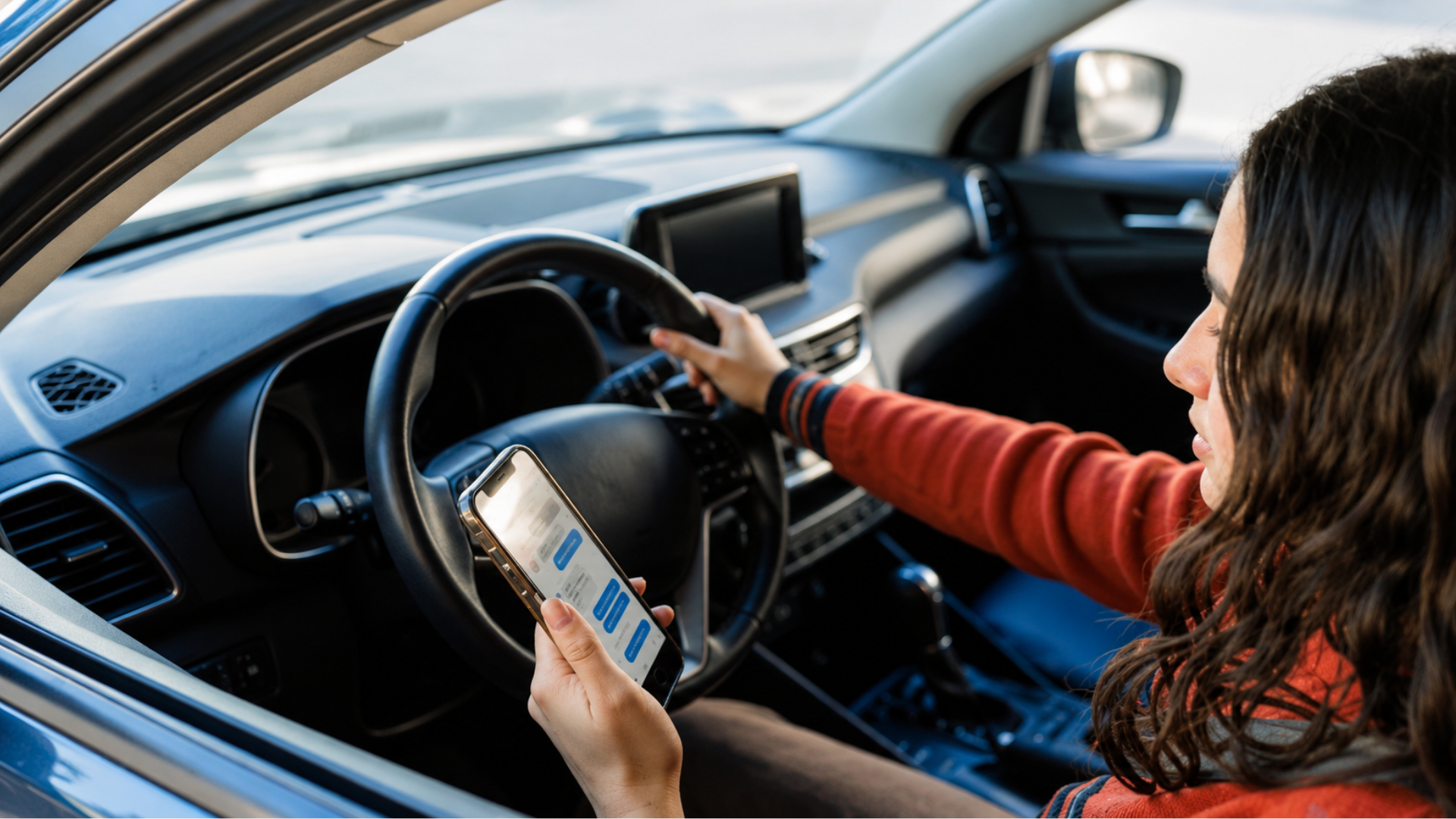
Maggie Ardito, president of the St. Johns River-to-Sea Loop Alliance and a board member of the Florida Bicycle Association, says distracted drivers are one of the most consistent threats cyclists face. Drivers scrolling phones are prone to drifting into bike lanes without realizing it. Intersections present a separate hazard, where turning vehicles often fail to check for cyclists in the crosswalk. According to NHTSA, roughly 85% of cyclist fatalities occur in urban areas, where these conflicts are most concentrated.
Laws Exist. Enforcement Is Another Matter
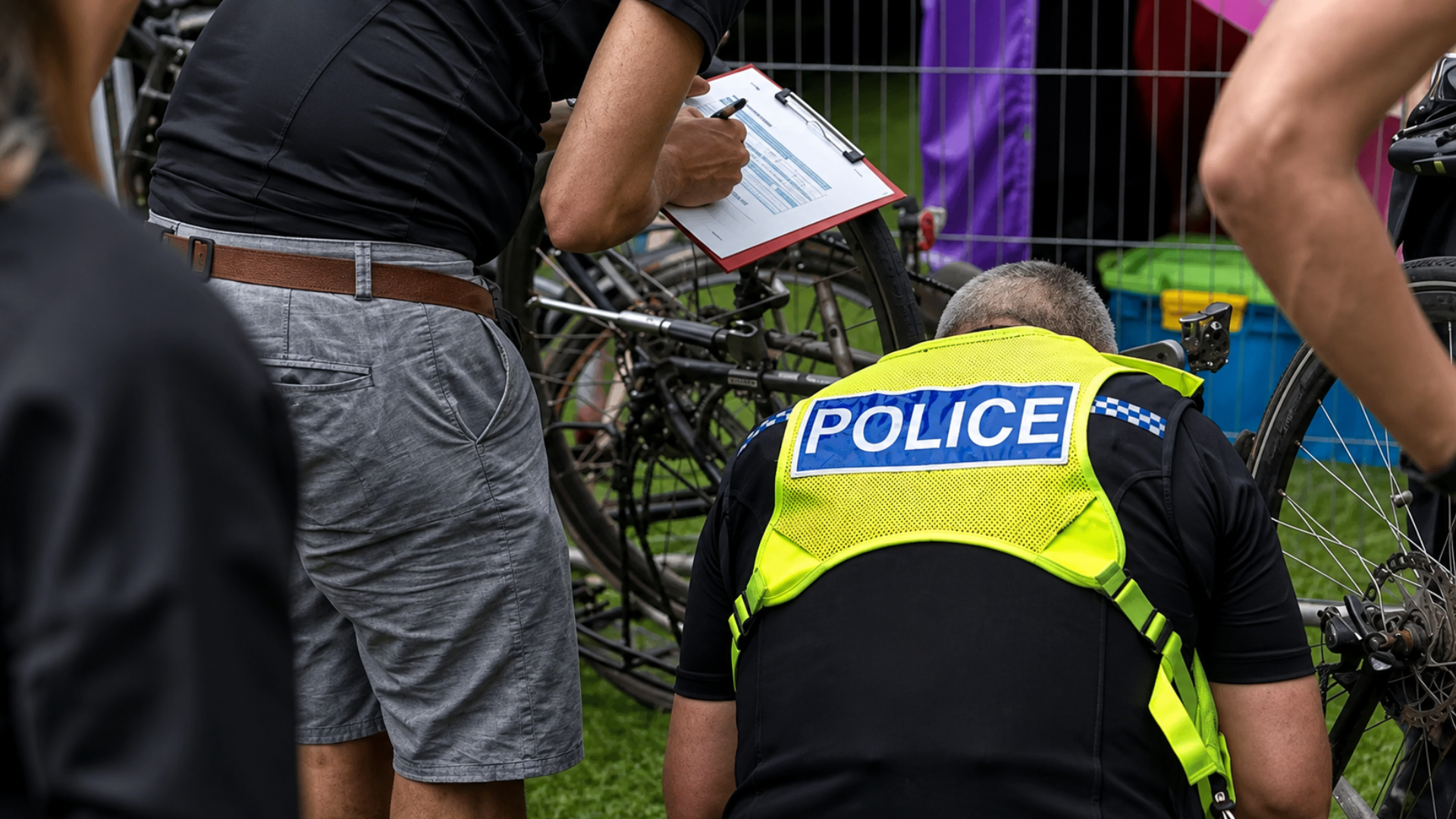
Most states require drivers to give cyclists at least three feet of clearance when passing. As of 2021, 35 states and Washington, D.C., had such laws on the books. But laws only function when enforced, and there is no national database tracking bike-car conflicts that do not result in death or serious injury. The documented fatalities represent only a fraction of the full picture. Countless confrontations, near-misses, and road-rage incidents go unrecorded, leaving advocates and researchers working from incomplete data.
A Right That Has to Be Fought For Twice
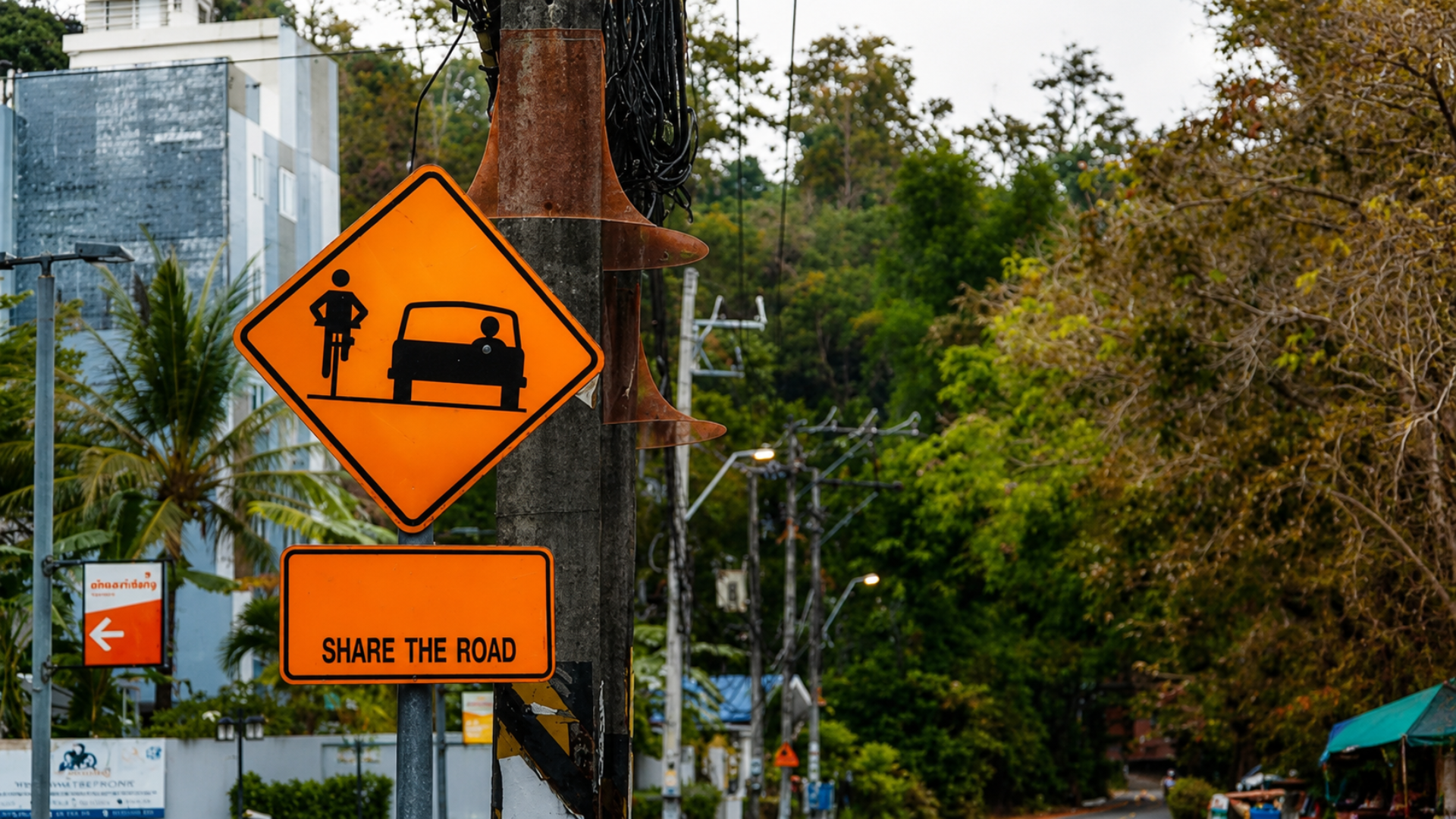
Ardito, who wears high-visibility gear, plans her routes around safety, and deliberately chose a neighborhood where she could run errands by bike, still has to make the case to drivers that she belongs on the road. “Recognize that everybody is important to somebody,” she says. That statement captures what the crash data, the psychology research, and the growing casualty count all point toward: cyclists are not a nuisance on American roads. They are people trying to get somewhere, and right now, the road is not built to keep them alive.