COVID Cases Are Climbing in Nearly Every State as School Returns
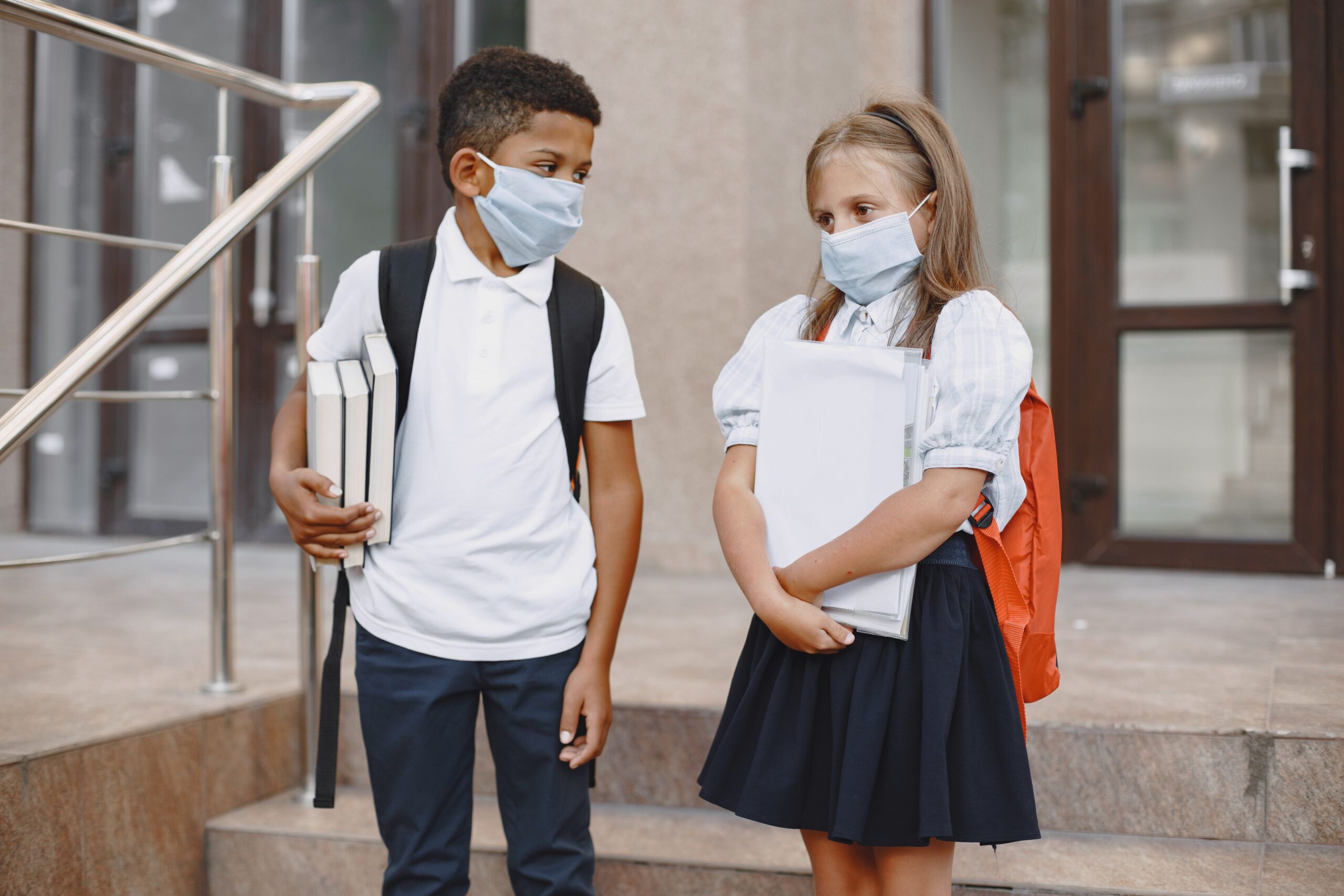

Plenty of people have mentally filed COVID-19 under “winter problem” at this point, something that shows up around the holidays and fades by spring. That timeline is off. As students head back to classrooms this month, the virus is once again spreading widely across the country, in a pattern doctors say has become predictable over the past few late summers.
According to the CDC’s latest modeling, COVID-19 infections were growing or likely growing in all 50 states and Washington, D.C. as of mid-August. That is a sharp jump from just 37 states three weeks earlier. “Overall, put together in the U.S., the trend does seem to be going up,” said Dr. Geeta Sood, an infectious diseases physician and epidemiologist at Johns Hopkins Medicine. Cases are climbing fastest in the South and West, though the increase reaches other regions too.
This wave is not hitting as hard as last year’s. Late-summer upticks have become a familiar rhythm over the past several years rather than a surprise. Dr. Michael Angarone, an infectious diseases specialist at Northwestern Medicine, says COVID tends to peak twice a year, once in early fall and again in winter. Understanding why immunity keeps slipping enough to allow that pattern starts with how few people actually got last year’s vaccine.
Only 17.5% of Adults Got Last Year’s COVID Shot
COVID has settled into a fairly predictable rhythm over the past few years, peaking twice annually rather than once. The first surge typically arrives in September and October, followed by a second, usually larger wave in winter. Right now, the overall burden stays fairly low. Experts widely expect that to shift as autumn approaches and people spend more time indoors together.
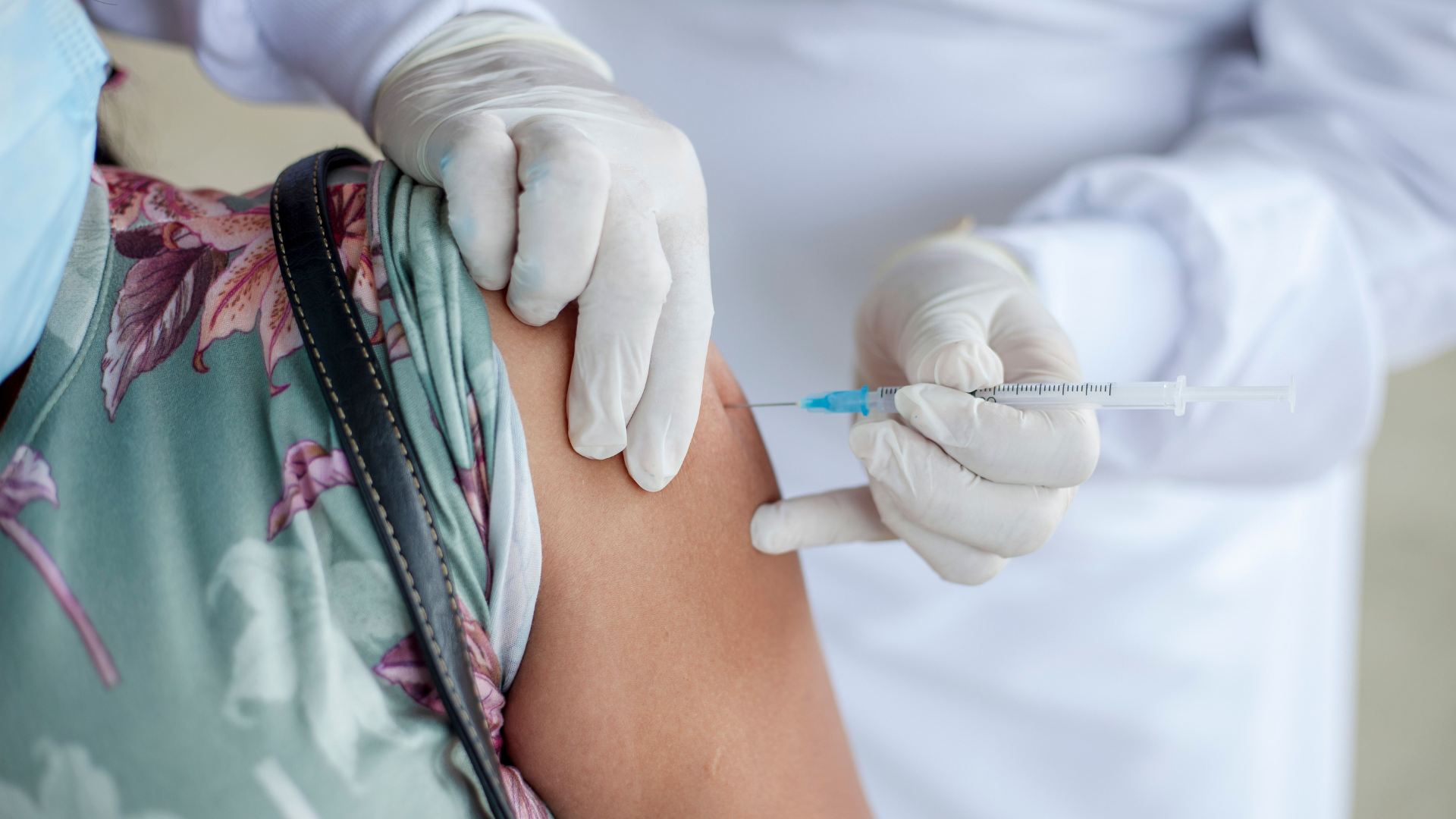
That expected shift traces back to weak collective immunity. Just 17.5% of adults received last year’s updated COVID vaccine, leaving most of the population with limited recent protection. Sood attributes the trend partly to seasonal patterns and partly to weakened community-wide immunity. Without a massive wave like the original Omicron surge, which infected huge swaths of the country at once, natural immunity has not been replenished either.
The dominant strain right now is a subvariant called XFG.1.1, which made up roughly 30% of circulating cases in early July. The FDA has already selected a matching strain for the 2026-2027 vaccine formula, set for rollout this fall. That timing lines up directly with the twice-yearly peak pattern doctors describe. Recognizing the symptoms early, and knowing which precautions actually help, matters most in the weeks right before that seasonal shift arrives.
The Symptoms Still Look Like a Cold. That’s Part of the Problem.
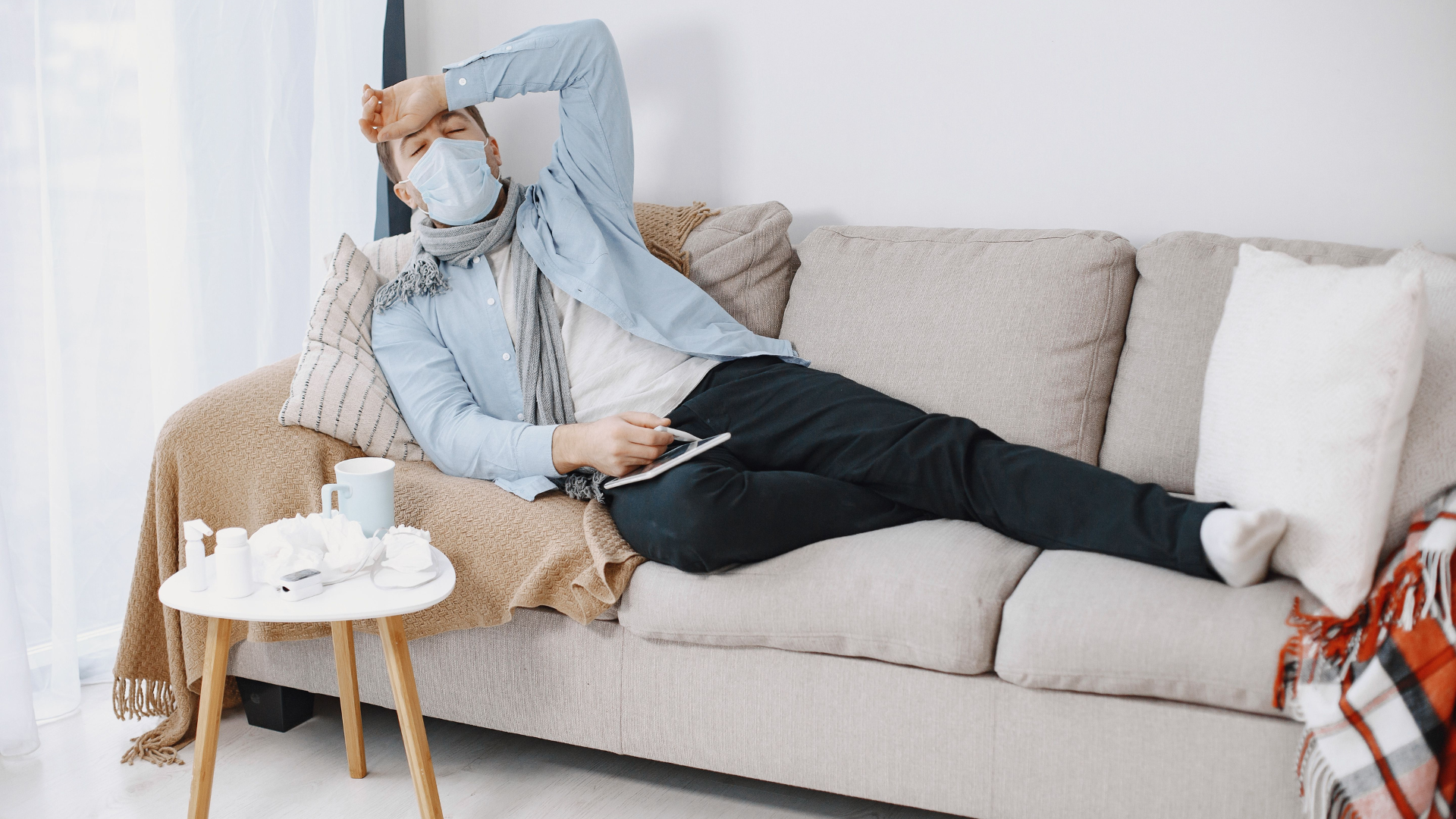
The symptoms of a current COVID infection are unlikely to surprise anyone. Angarone describes the common ones as runny nose, congestion, sore throat, and fever, essentially indistinguishable from an ordinary cold on the surface. More severe cases can bring difficulty breathing, a persistent cough, and shortness of breath. Since most people have already had COVID at least once, the symptom profile has stayed remarkably consistent rather than evolving into something new.
Simple habits still make a real difference. Sood recommends what she calls air hygiene: opening windows, avoiding crowded, poorly ventilated spaces, and wearing a mask when needed, steps that also help against other respiratory viruses circulating this time of year. Vaccination remains one of the strongest tools available too. “I still recommend to people to get vaccinated,” Angarone said, noting the shot’s proven ability to prevent severe illness and hospitalization applies across every age group, not just those considered high-risk.
None of these precautions require anything dramatic or expensive. Cracking a window, skipping a packed indoor event when possible, keeping a mask handy, these are small, low-cost habits that add up over the course of a season. Prevention only covers half the picture, though. Knowing what to actually do after symptoms start, or after a known exposure, matters just as much heading into fall.
There’s a New Pill for After You’ve Been Exposed. Not Everyone Needs It.

If upper respiratory symptoms show up, Angarone recommends testing right away. A positive result means staying home and away from others to avoid spreading the virus further. Sood adds that anyone who tests positive should tell their doctor, since that can open the door to treatment options like Paxlovid, an antiviral medication that helps people recover faster and lowers the risk of the infection turning severe.
For people who have been exposed but not yet sick, there is a newer option. Xocova, a prescription pill approved for people 12 and older, can help prevent infection when started within 72 hours of exposure, ideally within the first day or two. Its value depends on individual risk. Sood explained that a healthy person living with other healthy adults may not gain much, while someone in a nursing home or living with a high-risk household member benefits significantly more.
None of this points toward panic. Emergency room visits tied to COVID remain low, and most infections this time of year stay mild. What it points toward instead is a familiar, seasonal risk landing on a population with unusually thin immunity, arriving right as classrooms fill back up and people spend more time indoors together. That combination is worth taking seriously, even if it does not warrant alarm.
This is general health information, not personalized medical advice. If you have symptoms or questions about your own risk, it’s worth checking in with a healthcare provider.