Could Gym Memberships and Streaming Services Be Taxed? Virginia Governor Says It’s Worth Discussing
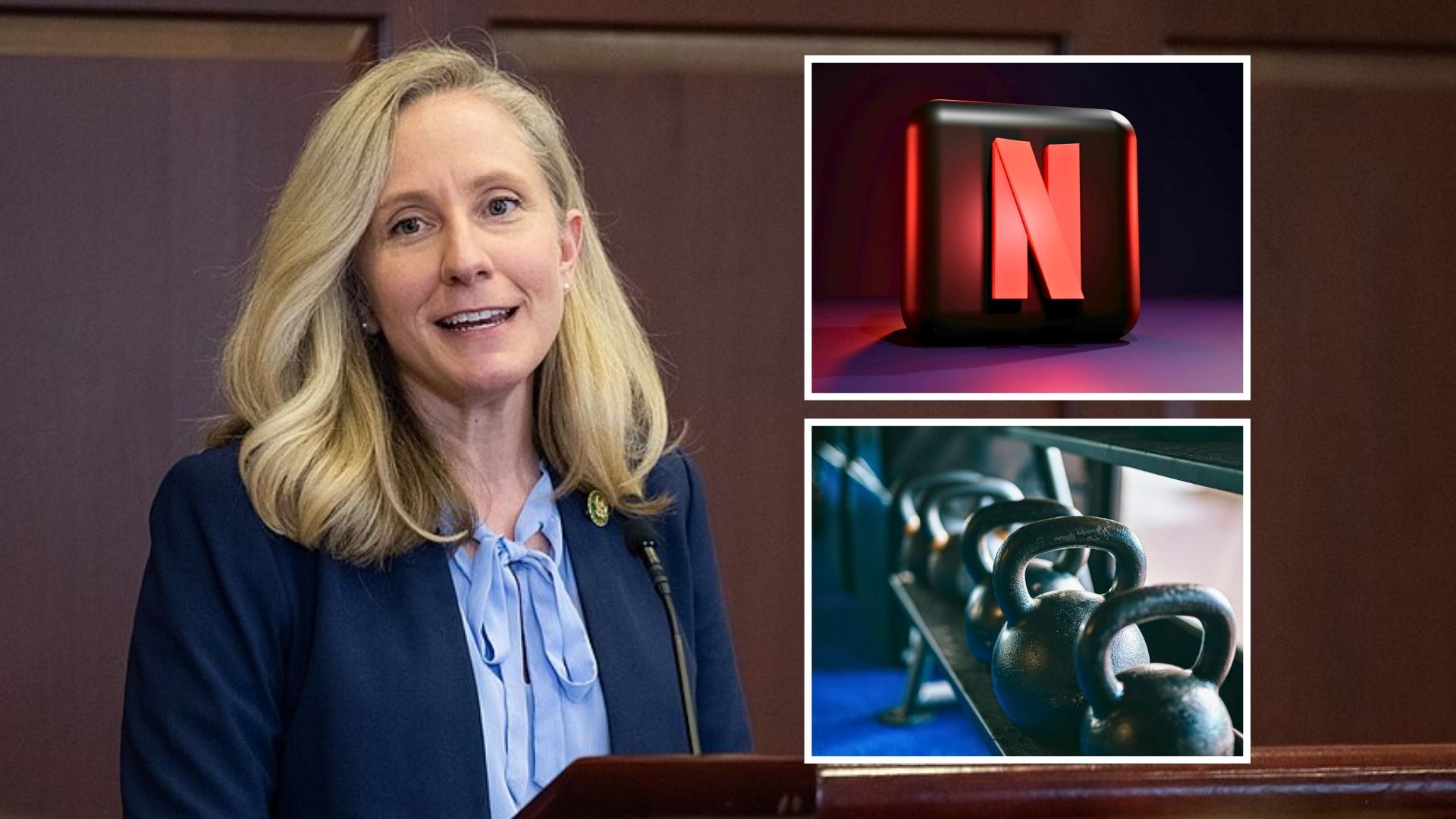

Virginia Governor Abigail Spanberger has opened the door to a politically sensitive conversation: whether services many Americans use every day, from Netflix subscriptions to gym memberships, should face new taxes. The issue surfaced after lawmakers floated proposals targeting digital subscriptions, fitness services, dry cleaning, food deliveries, and other consumer activities during the 2026 legislative session. None of the proposals became law, but Spanberger’s refusal to rule them out immediately turned a niche tax discussion into a broader debate about how states should raise money in a changing economy.
Spanberger’s Comments Focused on “Reasonable” Revenue Ideas
During an interview with Richmond-area ABC affiliate reporters, Spanberger said ideas that are “reasonable and make some amount of sense” deserve discussion, even if she was not committing to signing any particular bill. She specifically referenced streaming services, noting that physical DVD purchases historically carried sales taxes while digital streaming often does not. Her comments came after critics accused her administration of supporting broad tax increases, claims she rejected as exaggerated and misleading.
The Proposals Reached Far Beyond Netflix
The bills discussed in Virginia were not limited to entertainment subscriptions. Lawmakers explored taxes on gym memberships, dog grooming, counseling services, dry cleaning, storage facilities, event admissions, home repairs, and food delivery services from companies like Amazon, FedEx, and Uber Eats. According to reports, most of the measures never advanced to final votes in the General Assembly before the legislative session ended in March 2026.
Why States Are Looking at Streaming Taxes
The push reflects a larger national trend tied to the decline of traditional cable television and physical media sales. As consumers shifted from DVDs and cable packages to platforms like Netflix, Hulu, Disney+, and Amazon Prime Video, states began losing tax revenue tied to older entertainment models. A 2025 analysis from Miles Consulting Group noted that roughly half of U.S. states already tax streaming services in some form, often by classifying them as digital goods, communications services, or entertainment products.
Other States Already Tax Digital Entertainment
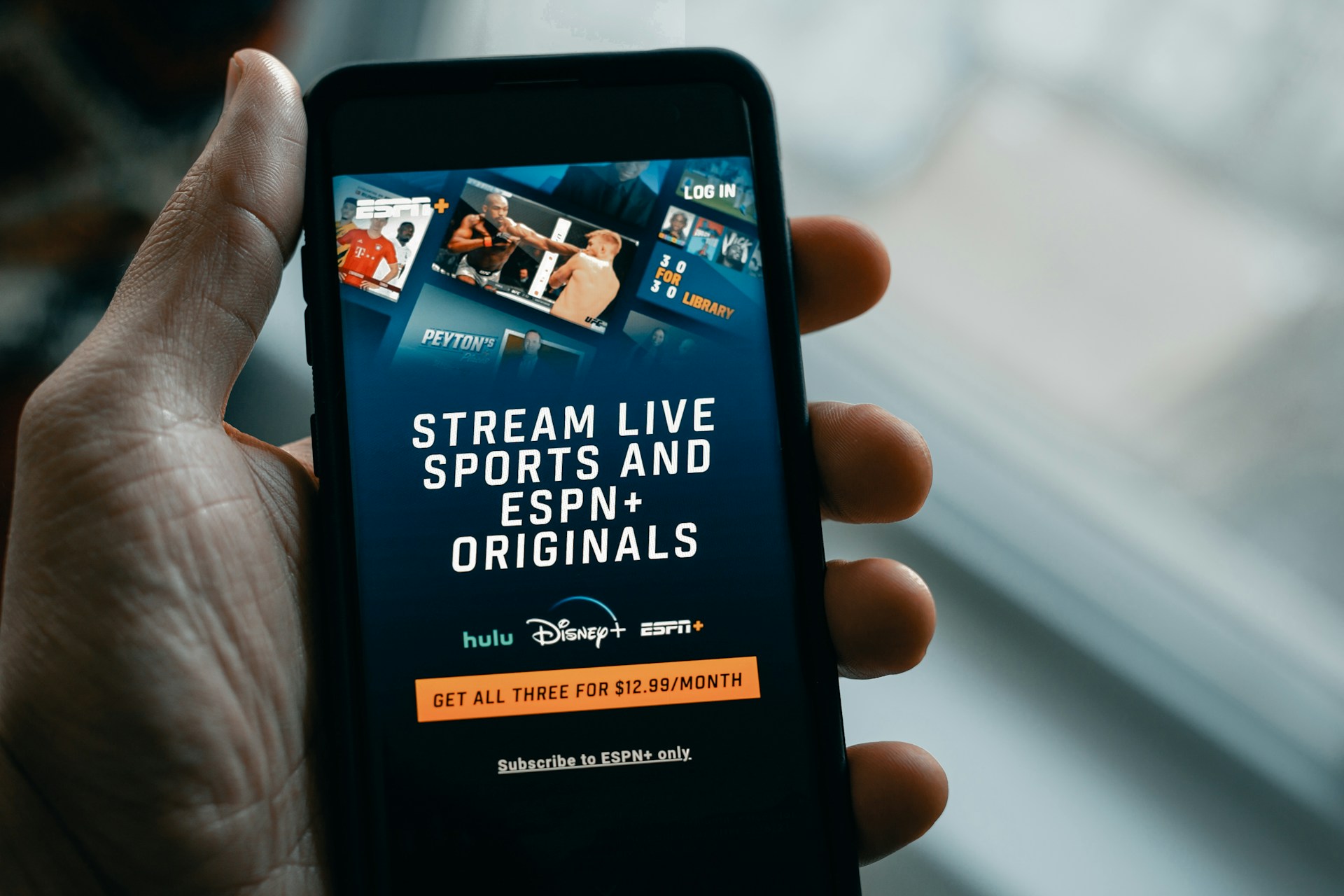
Virginia would not be entering unfamiliar territory if it adopted similar policies. Florida imposes a Communications Services Tax on streaming providers, while Kentucky taxes streaming under software-access rules. Chicago applies its long-standing amusement tax to electronically delivered entertainment, including streaming subscriptions. Iowa and South Carolina also tax various streaming products through existing sales-tax frameworks. These examples have become part of a broader argument that digital services should be treated similarly to the physical products they replaced.
Gym Membership Taxes Raise Different Concerns

Taxing fitness services creates a separate set of political and public-health concerns. The fitness industry has long argued that gym memberships should be treated differently from luxury entertainment spending because they contribute to preventive healthcare and long-term wellness. An industry overview from the Association of Fitness Studios explains that sales taxes on gyms already vary dramatically by state and locality, creating a patchwork system where some states fully tax memberships while others exempt them entirely.
Critics Say Service Taxes Hit Middle-Class Consumers
Opponents argue that expanding sales taxes to more services could disproportionately affect middle-income households because these taxes are generally applied at flat rates regardless of income. A streaming tax might add only a few dollars monthly to a Netflix bill, but critics say cumulative taxes across subscriptions, deliveries, fitness services, and household services can quietly raise everyday living costs. Republicans have used that argument aggressively in Virginia, with President Donald Trump accusing Spanberger of pushing the state toward higher-tax policies that could discourage business investment and consumer spending.
Supporters Say the Economy Has Changed Faster Than Tax Codes
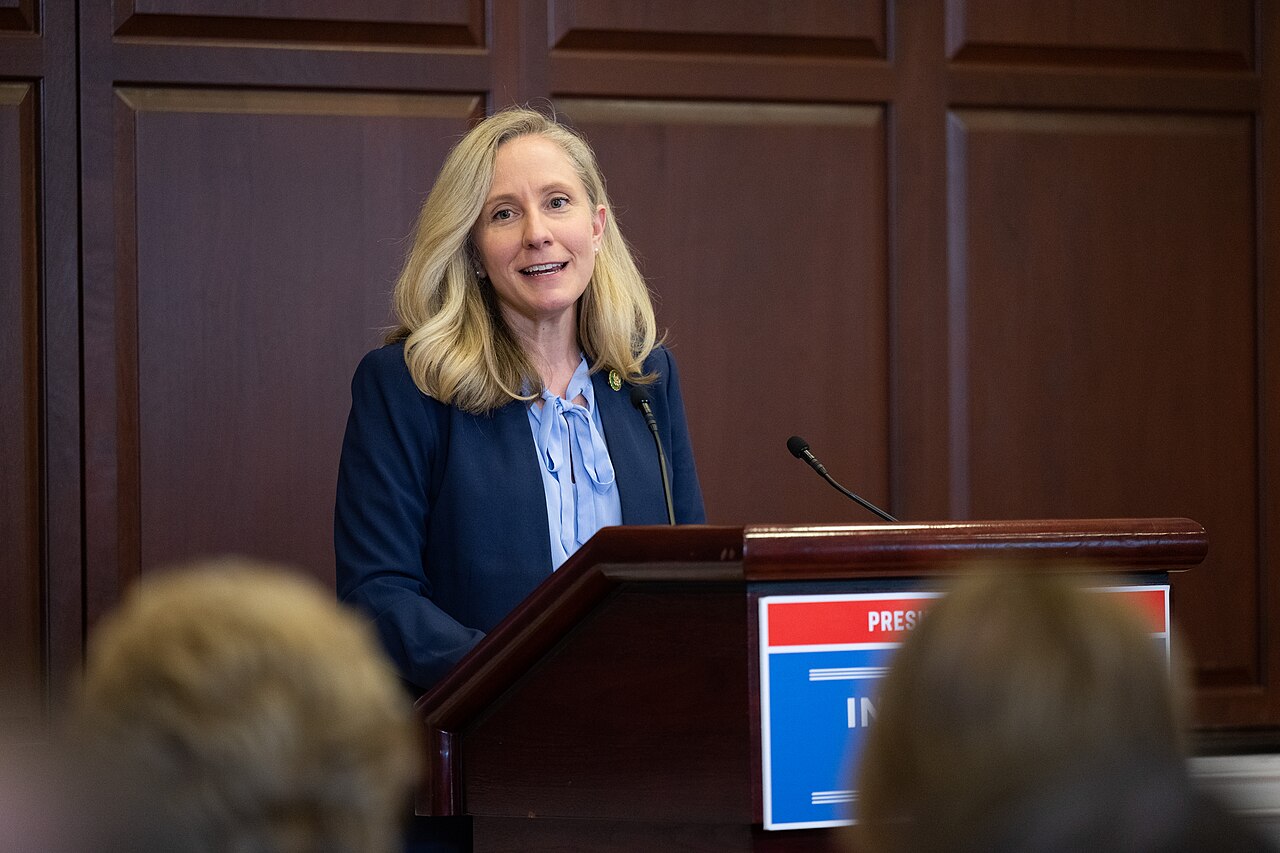
Supporters of expanding service taxes counter that modern tax systems were largely designed around physical goods rather than digital commerce. They argue that states increasingly struggle to fund transportation, schools, healthcare programs, and paid leave initiatives while consumer spending shifts toward untaxed digital services. Spanberger herself framed the discussion as part of adapting to “what revenue generation looks like into the future as our economy changes.” Supporters also note that Virginia recently approved a payroll tax tied to paid family and medical leave benefits, signaling lawmakers are already searching for new long-term funding streams.
The Politics Around the Issue Could Intensify Quickly

The debate arrives as Virginia continues evolving politically after years of closely contested statewide elections. Spanberger campaigned heavily on affordability and economic stability, making any future support for new taxes politically risky. Republicans are already using the possibility of service taxes to portray Democrats as expanding government costs into everyday life. Democrats, meanwhile, face pressure to balance fiscal needs without relying too heavily on property or income tax increases. Because many of the proposed taxes never reached final votes, the political fight may only be beginning rather than ending.
The Larger Question Extends Beyond Virginia
What happens in Virginia reflects a national challenge confronting state governments across the country. As entertainment, shopping, fitness, and even personal services move deeper into digital and subscription-based models, lawmakers are increasingly questioning whether tax systems built around retail storefronts and physical products still fit the modern economy. Whether Virginia ultimately taxes gym memberships or streaming subscriptions may matter less than the broader signal: states are beginning to rethink where future revenue will come from as consumer behavior keeps changing faster than tax law.