Costco Is Expanding Its Gas Stations, and Members Could Save Even More


A gas station is usually just a stop on the way somewhere else. Costco has quietly turned it into something bigger. The warehouse chain just opened a standalone gas station in Mission Viejo, California, its first outside a traditional store, and has plans for a second in Hawaii. For members used to driving past their nearest gas station to reach a Costco warehouse, that math may be about to change.
Costco has never treated gas as a way to make money on its own. Fuel makes up roughly 10% of total company sales, but the chain earns billions annually from membership fees instead, letting it keep gas margins thin on purpose. That structure lets Costco use cheap fuel as a draw rather than a profit center, pulling members toward the warehouse itself once they’re already at the pump.
That strategy has worked for years. CFO Gary Millerchip says roughly half of members who stop for gas also shop inside the warehouse during the same visit, turning a fuel discount into a reliable traffic generator. Millerchip added that “we tend to see our value proposition resonate better with members” whenever gas prices climb, since a bigger discount makes the extra drive feel worth it.
A Standalone Station Removes the Warehouse Detour Entirely
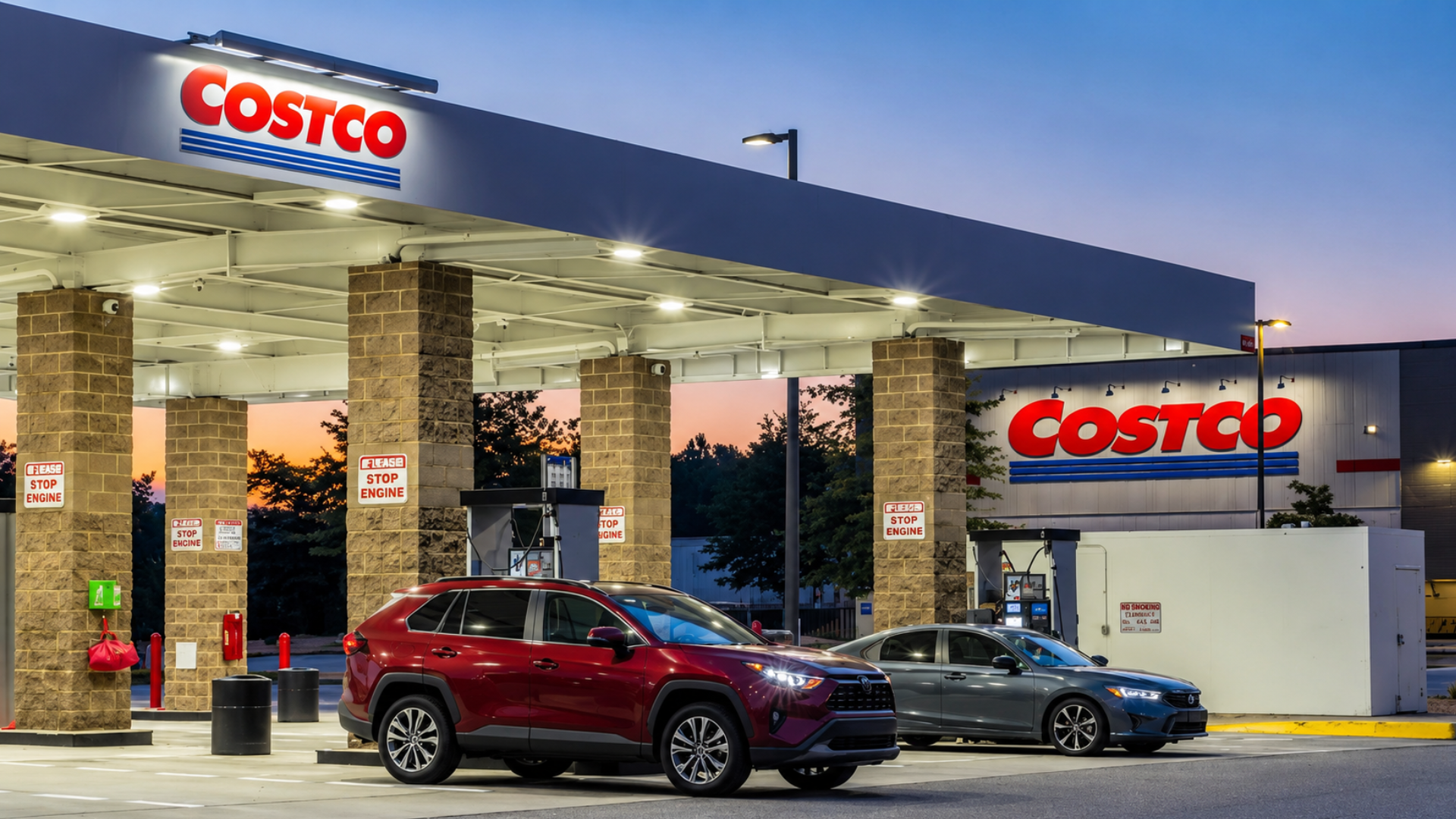
Standalone stations change that equation in an important way. A member no longer has to detour to a full warehouse just to fill up at Costco prices. That shift suggests the company may be exploring a second role for gas entirely, one where cheap fuel itself becomes the draw, independent of whether a member ever sets foot inside a store on that particular trip.
The Mission Viejo location backs that theory up with real numbers. According to Costco’s own website, the station was selling regular gasoline for $4.59 a gallon, roughly 71 cents below the Orange County average tracked by AAA. Author David Schwartz, who has written extensively about the chain’s pricing, put the typical gap plainly: “you save approximately 20 cents a gallon at Costco over other local vendors.”
The physical scale of the new location signals genuine ambition, not a small test. Filings with the city of Mission Viejo describe a 17,185-square-foot gas canopy with 40 fueling positions, a footprint well beyond a typical single warehouse’s gas island. Access still requires a Costco membership and a credit or debit card, keeping the discount tied directly to paid membership rather than open to the public.
Five Major Gas Chains Now Have Reason to Worry
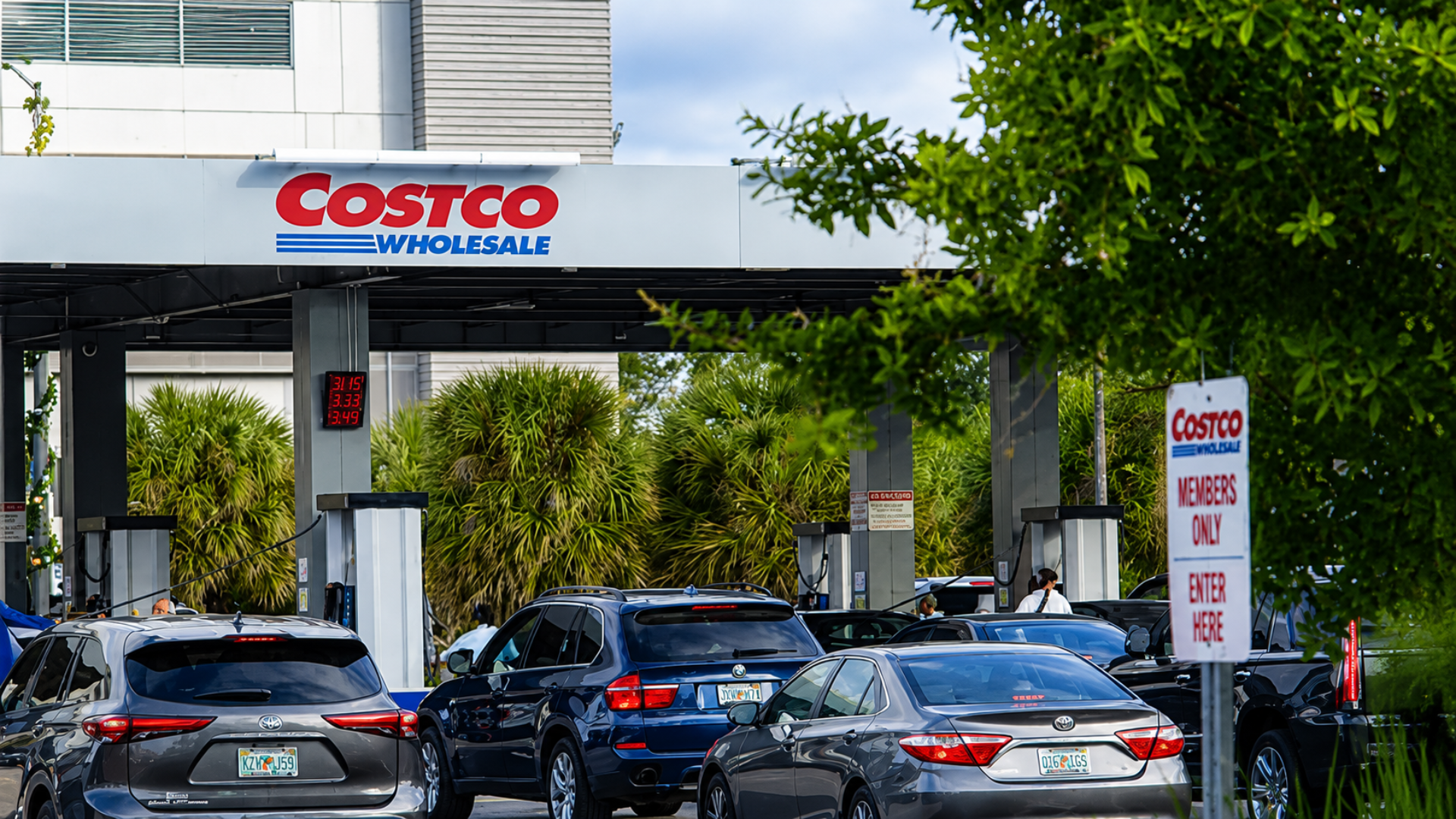
Retail analysts expect ripple effects well beyond Costco’s own locations. If the company expands its standalone gas strategy further, competing chains may feel pressure to narrow their own fuel margins just to stay competitive on price in the same neighborhoods. That kind of pressure would extend Costco’s influence over local gas pricing well past the walking distance of its actual warehouse stores.
Five major players are watching closely as this plays out. Analysts single out 7-Eleven, Circle K, Casey’s General Stores, Murphy USA, and BP America, the five largest gas station and convenience store chains in the country, as the operators most exposed to Costco’s aggressive fuel pricing. None of them can easily subsidize gas the way Costco does through membership revenue instead of pump profit.
Consumer research backs up why this matters so much to Costco’s strategy. A 2025 NACS Consumer Fuels Survey found that 72% of drivers say price is the top reason they choose a specific gas station, far ahead of location or brand loyalty combined. The same survey found 69% of drivers would go five minutes out of their way just to save five cents a gallon.
Gas Was Never Really the Product Costco Is Selling
Costco is also investing in the technology behind its fuel operations, not just the pricing itself. CEO Ron Vachris said the company is deploying AI tools inside its gas business specifically to improve inventory management and keep fuel consistently available at competitive prices. That backend investment suggests standalone stations are meant to run as a long-term strategy, not a short-lived experiment in one California city.
Not everyone believes Costco plans to move far from its original playbook. RTM Nexus CEO Dominick Miserandino describes gas as bait rather than a business line of its own. “Gas isn’t a profit center for the clubs. It’s a high-octane magnet,” Miserandino said, arguing that once a member commits time at the pump, buying groceries inside almost always follows naturally afterward.
The real strategy behind Costco’s gas expansion has very little to do with fuel itself. It is about keeping members renewing a membership fee that generates billions regardless of how much gas actually gets sold. Every new standalone station is less a gas station than a low-cost invitation, engineered to keep members feeling like membership is still worth paying for every single year.