‘Controlling’ Landlord Locks the Thermostat, but Tenant Gets the Last Laugh
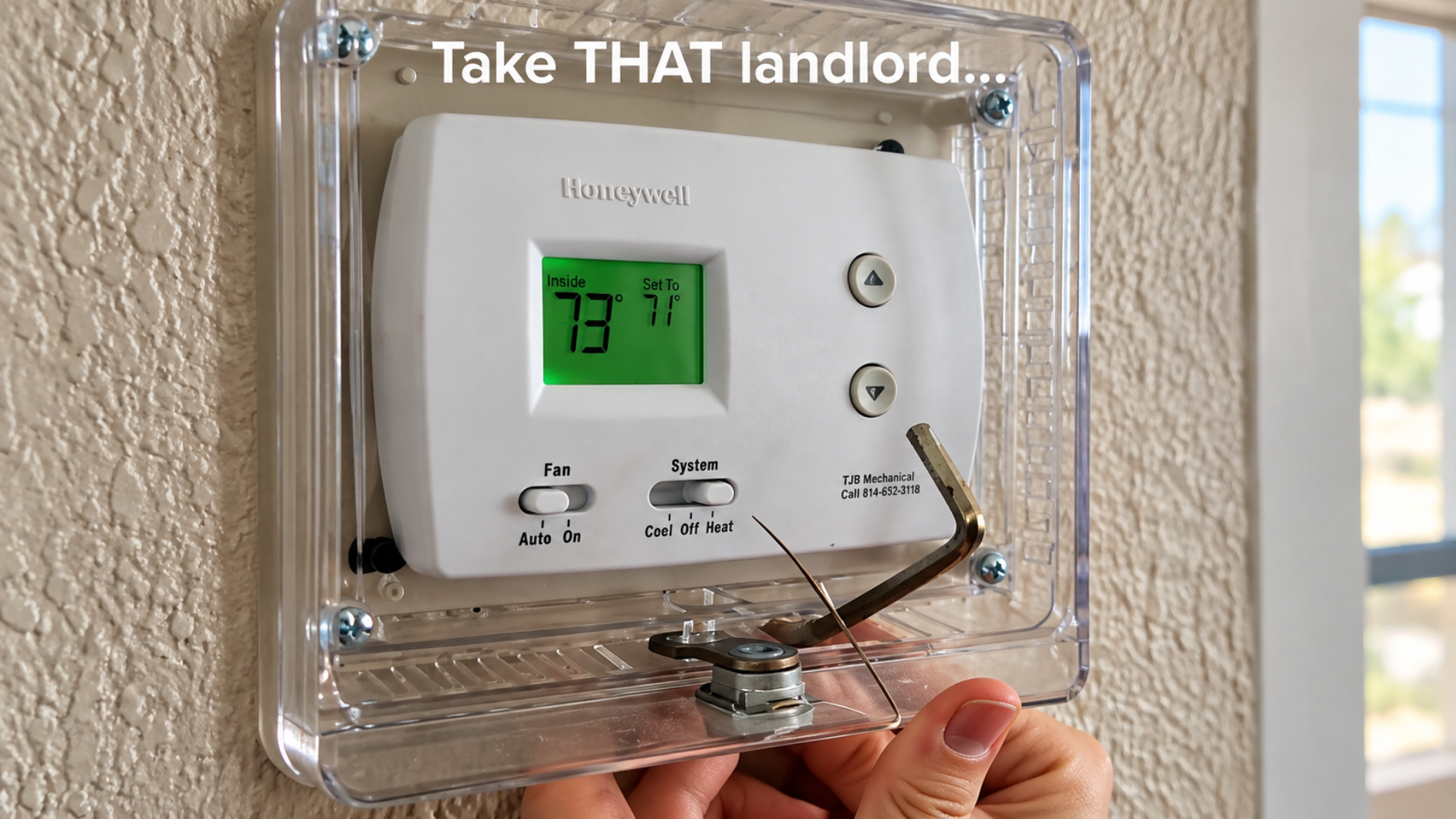

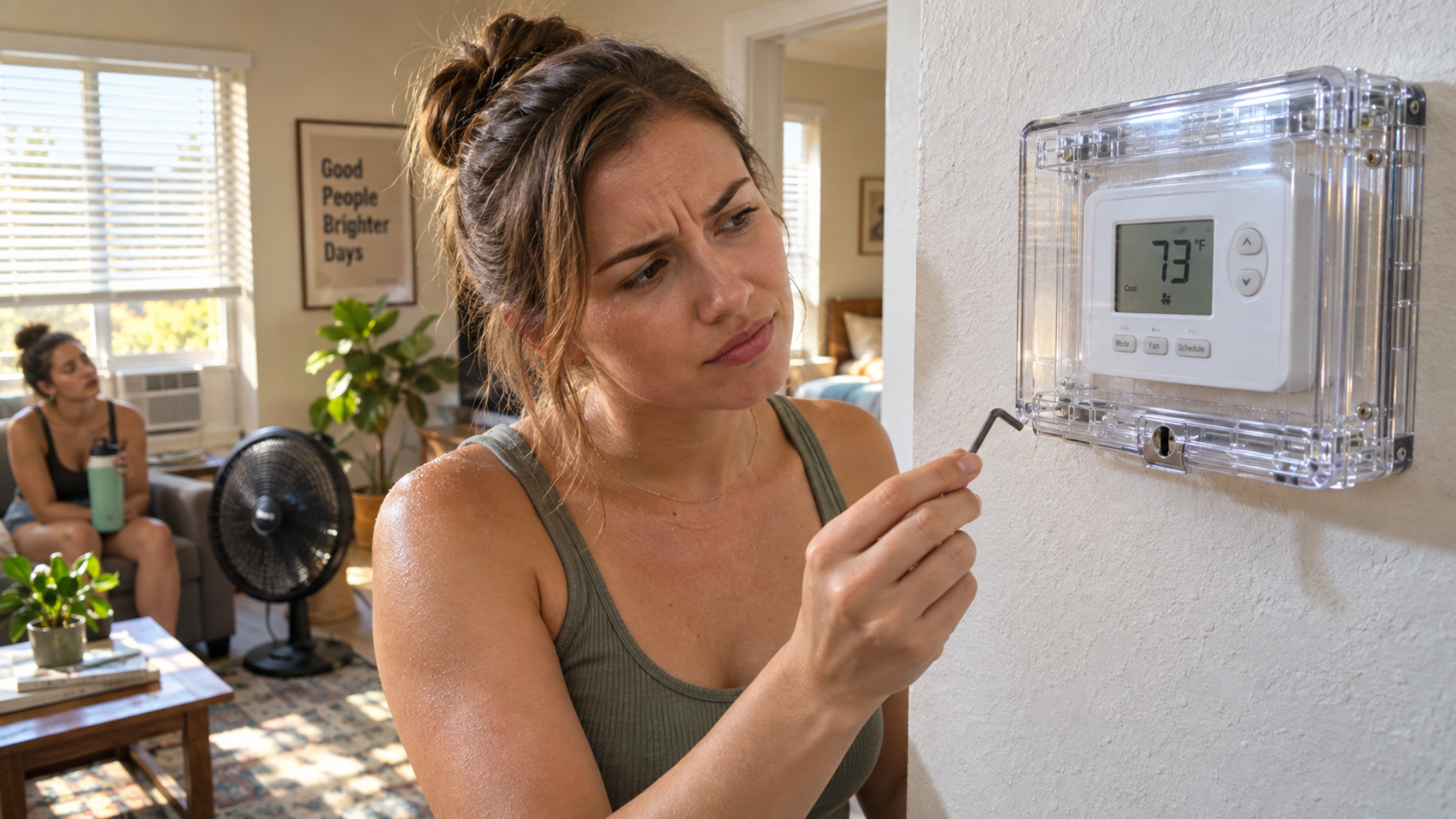
A renter discovered her landlord had sealed the thermostat inside a clear plastic box, locking her out of control over the heat. Rather than call and argue, she grabbed a small hex key and worked it through a hole at the bottom of the box, pressing each button by feel until the temperature changed. She filmed the whole thing. The clip crossed 32 million views within weeks.
“Take THAT, Landlord”

TikTok user Katrina, who posts as @trinakat416, said the box had locked the thermostat at 73 degrees while she and her roommates sweated through the heat. “Take THAT landlord,” read the on screen text in her video, according to the Daily Dot. She didn’t explain why she skipped a direct conversation with her landlord first. What she did explain was the fix: a hex key, patience, and a gap at the bottom of the box just wide enough to reach through.
The Internet Splits Into Two Camps
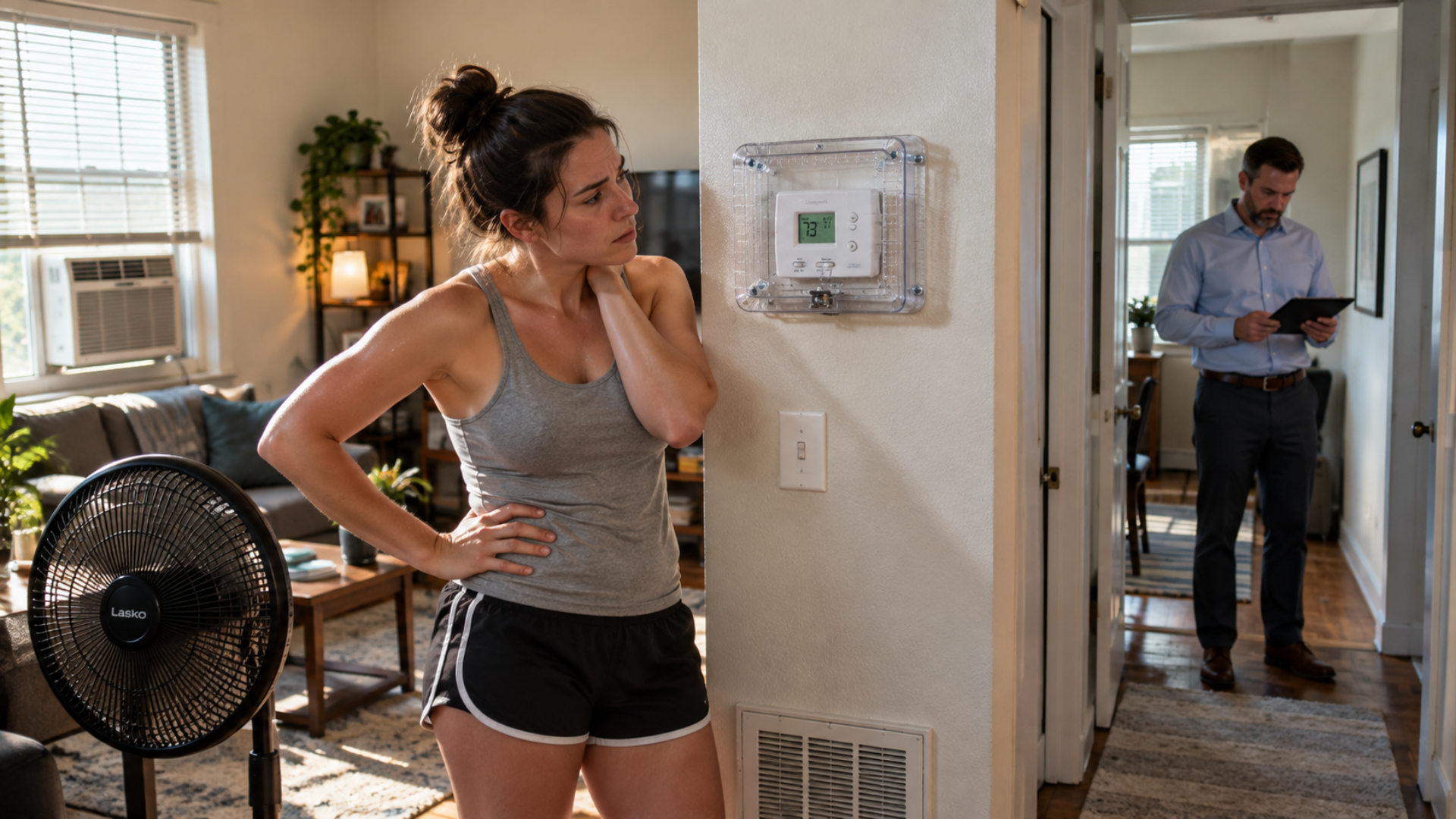
The clip was reposted by another account and pulled in millions more views, along with a flood of comments. Some viewers cheered Katrina on, calling the lockbox controlling and unfair. Others sided with landlords, pointing to tenants who blast air conditioning or heat while away and stick the property owner with the bill. One self-described landlord wrote that downstairs tenants once left three window units running for four days straight before a vacation, and the electric bill fell on the owner, not the renters.
So, Is Locking a Thermostat Even Legal?

The answer depends heavily on where the rental sits and what the lease says. In most states, a landlord who provides heat is allowed to control the thermostat, according to a legal guide published by Rocket Lawyer. Landlords aren’t required to hand renters control just because renters are paying to live there. But that permission has a limit, one tied to a legal concept most tenants have never heard of: the implied warranty of habitability, which governs how cold or hot a rental is allowed to get.
A Lawyer’s Warning: Locking Heat Can Cross a Line
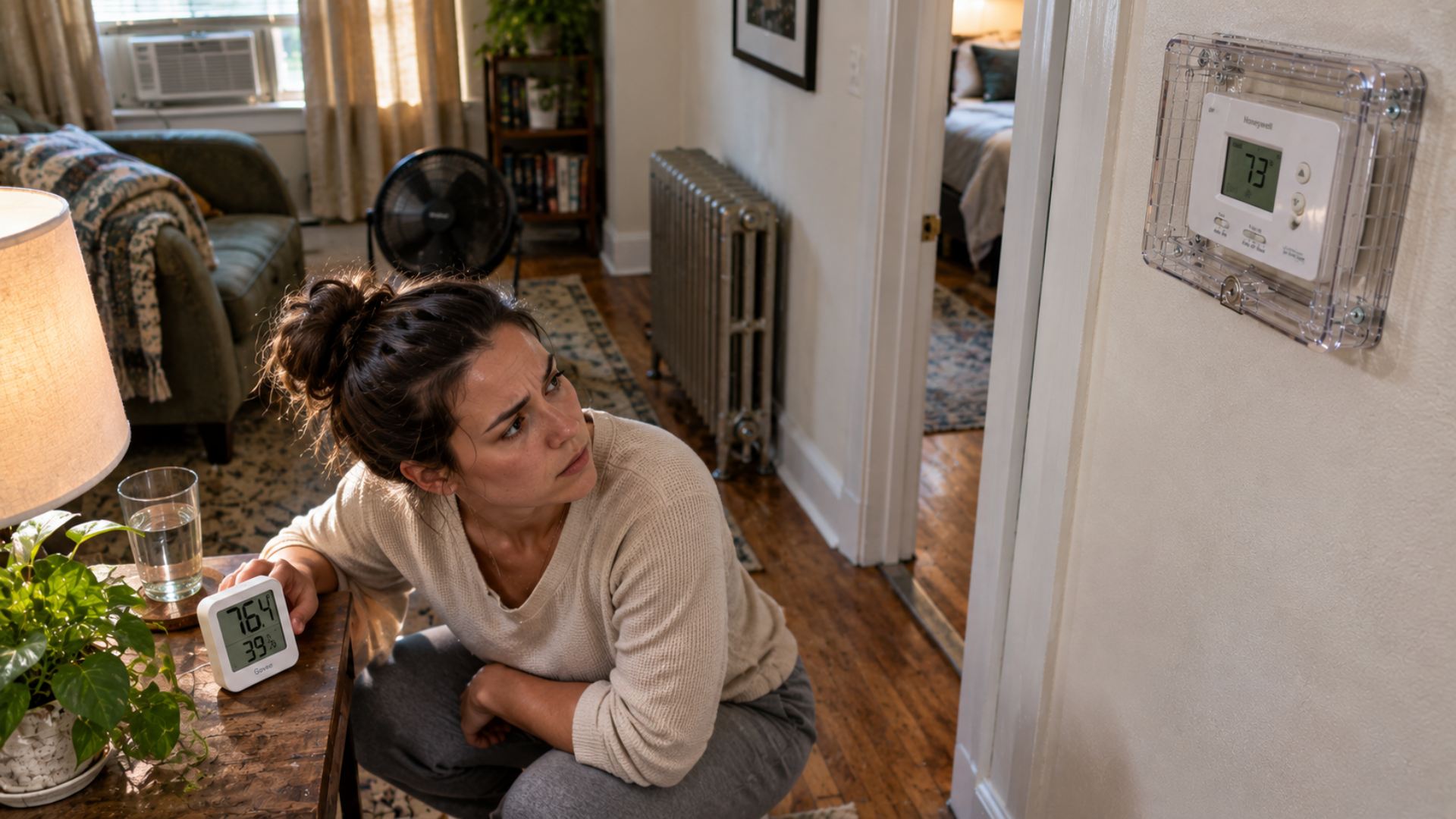
Chad D. Cummings, an attorney at Cummings & Cummings Law, told Realtor.com that landlords who cut off access to essential services risk breaking the law entirely. “Deliberately disabling access to essential services such as heat and hot water may violate a landlord’s duty to provide a habitable living environment,” Cummings said. Most jurisdictions require landlords to keep units at a minimum temperature, often around 68 degrees, regardless of who controls the dial. A lockbox doesn’t erase that obligation.
Leases Often Give Landlords the Legal Cover They Need
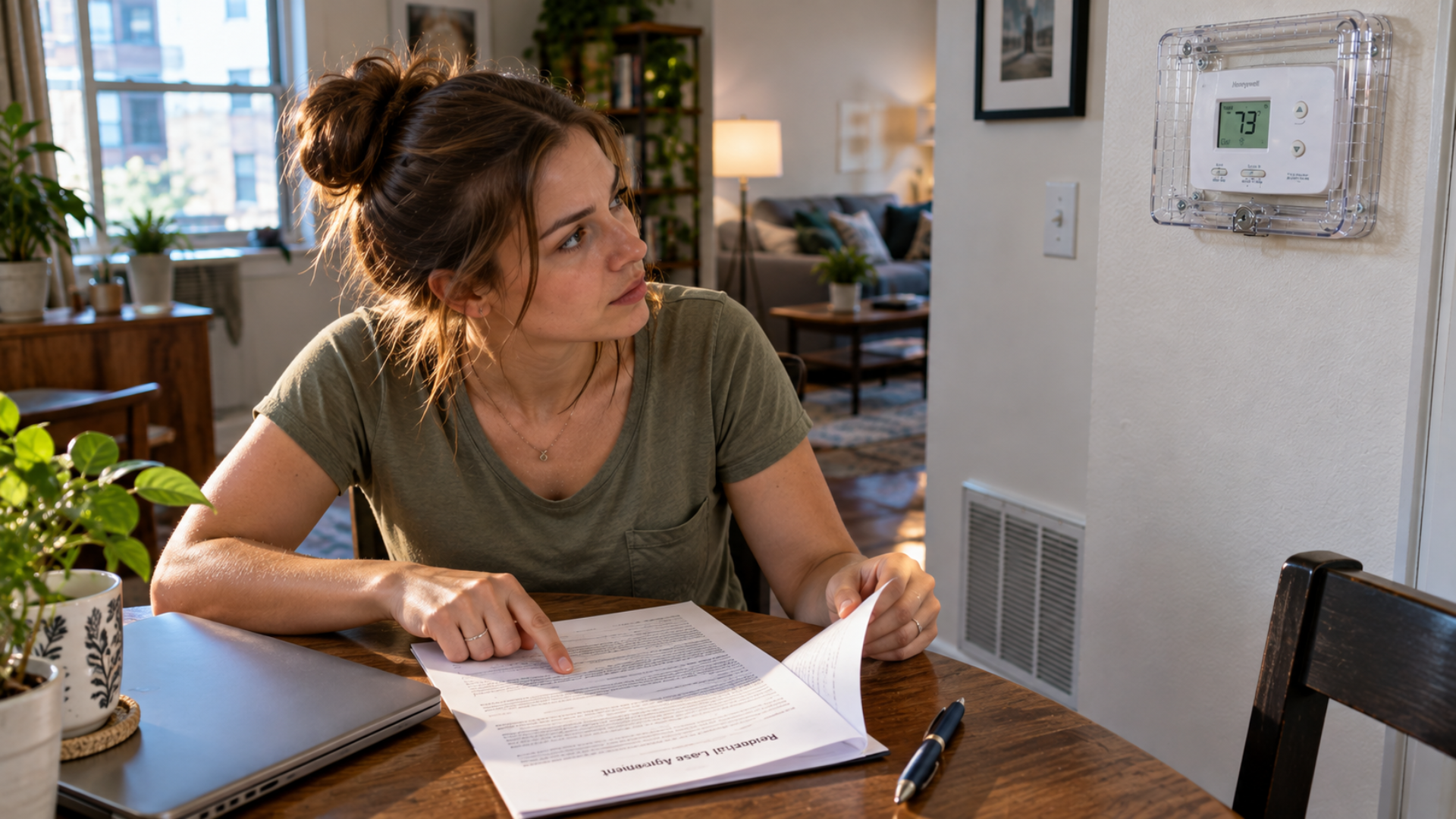
Despite that warning, many leases include clauses specifically permitting landlords to restrict thermostat access, especially in multi unit buildings where one tenant’s habits can spike everyone’s utility costs. As long as the unit stays within legal habitability limits, courts have generally sided with landlords who write these restrictions into the lease upfront. Cummings noted that the precise legality still depends on the exact lease terms and the facts of each case, which vary widely from one rental to the next.
Some Cities Are Rewriting the Rules Anyway

Los Angeles County requires rental units to stay at 82 degrees Fahrenheit or cooler in all habitable rooms, and tenants there have the right to install their own cooling units without violating their lease. Arizona has similar heat driven protections given its climate. These local carve outs mean a lockbox that passes muster in one city could violate the law entirely in another, leaving landlords who manage properties across state lines exposed to very different legal standards depending on the address.
New York City’s Coming Cooling Mandate
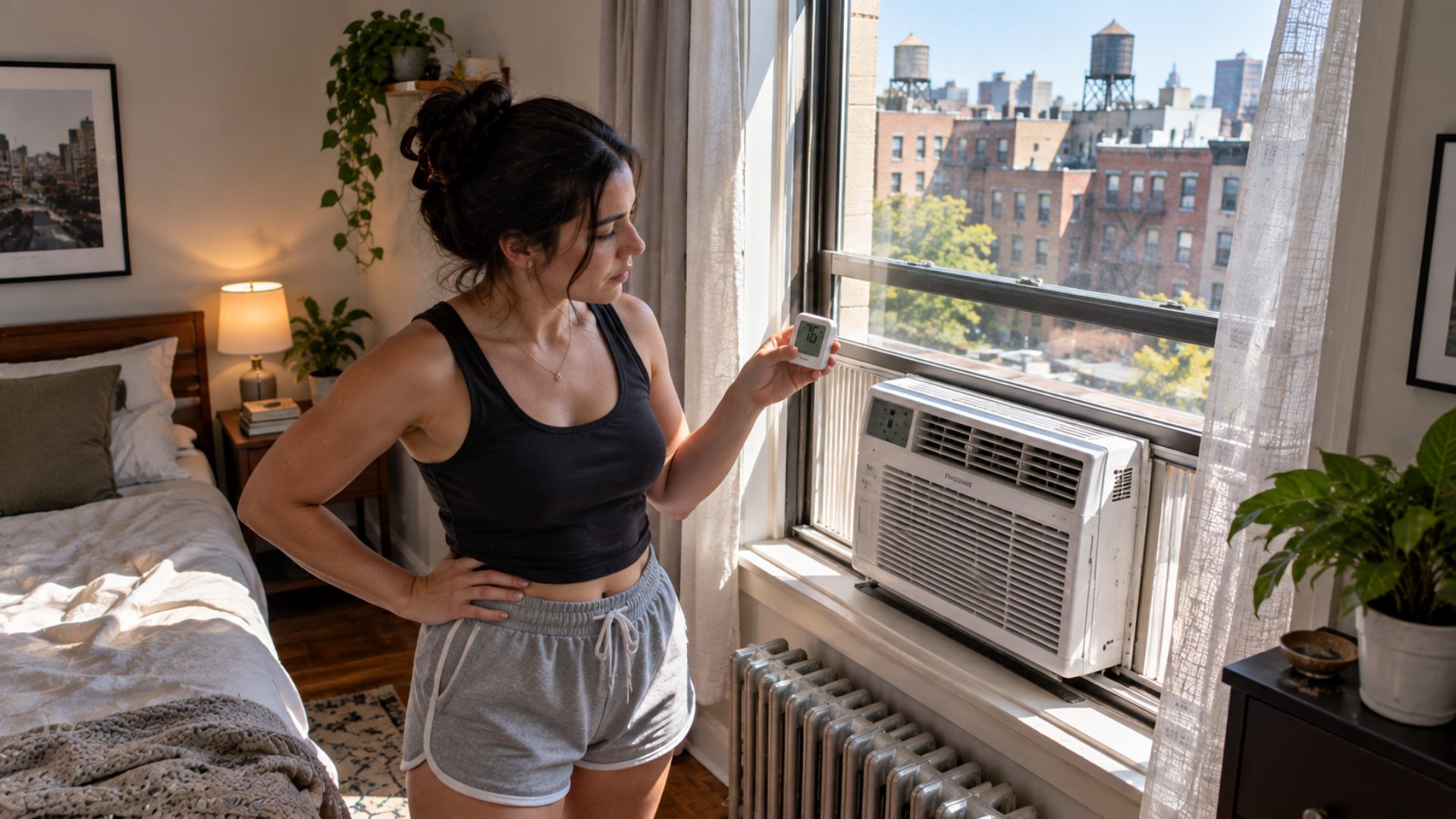
New York City recently passed Intro 994, a law that will require landlords to install cooling systems capable of keeping tenants’ bedrooms at 78 degrees or below. The requirement doesn’t kick in until June 1, 2030, so today’s renters in locked thermostat apartments won’t see immediate relief. Still, housing advocates point to the law as a sign that cities are starting to treat summer heat with the same urgency long applied to winter cold, after decades of habitability rules focused almost entirely on heating.
What a Tenant Should Actually Do About It

Cummings recommends starting with the lease itself, checking for any language about thermostat access or temperature control before doing anything else. From there, tenants should document every uncomfortable night, take photos of the lockbox, and submit a written request for a change rather than relying on a verbal complaint. If a landlord ignores it, Cummings said tenants can contact local code enforcement or consult an attorney experienced in landlord tenant law to pursue the issue further.
A Hex Key Won’t Fix a Bad Lease
Katrina’s video worked as a viral moment because it turned a frustrating standoff into something satisfying to watch: a renter outsmarting a system stacked against her. But a hex key doesn’t change what a lease allows, and it won’t hold up in a habitability dispute the way a paper trail will. The real leverage sits in the fine print most renters never read twice, and in the documentation most only start keeping after the argument has already begun.